Breaking News
ताज़ा खबर
ताजी बातमी
সর্বশেষ সংবাদ
சமீபத்திய செய்தி
తాజా వార్త
તાજા સમાચાર
ਤਾਜ਼ਾ ਖ਼ਬਰ
Global Warming and PDO: A Perfect Storm for Equatorial Cyclones
भूमध्यरेखीय चक्रवातों पर बढ़ रहा है खतरा: ग्लोबल वार्मिंग और PDO का दोहरा वार
भूमध्यरेखीय चक्रीवादळांचा धोका वाढतोय: ग्लोबल वॉर्मिंग आणि PDO मुळे चिंता
বৈশ্বিক উষ্ণায়ন ও PDO: নিরক্ষীয় ঘূর্ণিঝড়ের জন্য বাড়ছে ঝুঁকি
பூமத்திய ரேகை சூறாவளிகள்: புவி வெப்பமயமாதல் மற்றும் PDO-வின் இரட்டை தாக்கம்
భూమధ్యరేఖ తుఫానులపై ముప్పు: గ్లోబల్ వార్మింగ్ మరియు PDO యొక్క ద్వంద్వ ప్రభావం
ભૂમધ્યરેખા વાવાઝોડાં: ગ્લોબલ વોર્મિંગ અને PDO ની બેવડી અસર
ਭੂਮੱਧ ਰੇਖਾਈ ਚੱਕਰਵਾਤਾਂ 'ਤੇ ਵੱਧਦਾ ਖਤਰਾ: ਗਲੋਬਲ ਵਾਰਮਿੰਗ ਅਤੇ PDO ਦਾ ਦੋਹਰਾ ਪ੍ਰਭਾਵ
By AI News Desk
🕐 26 August 2026, 03:59 PM
🔬 Science
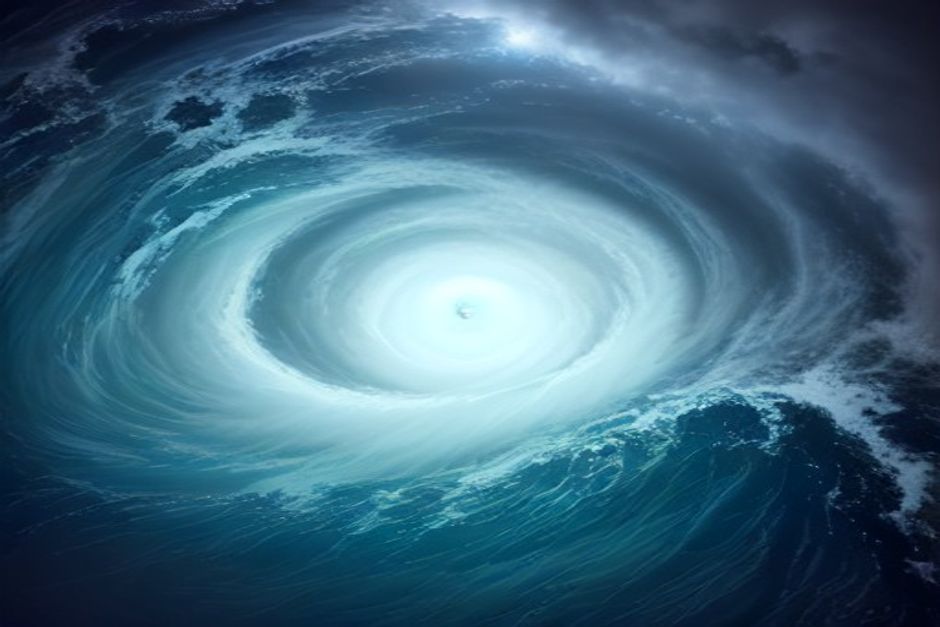
Scientists are sounding the alarm about a potential surge in cyclone activity near the Equator. This concerning forecast is attributed to a potent combination of accelerating global warming and a natural, long-term climate pattern known as the Pacific Decadal Oscillation (PDO). The PDO, which operates on a cycle of roughly 20 to 30 years, influences sea surface temperatures and atmospheric conditions across the Pacific Ocean. When this cyclical event aligns with the warming trends caused by human activity, it could create a 'perfect storm' scenario, making the formation and intensification of cyclones in equatorial regions more frequent and potentially more severe in the coming years.
Understanding the Mechanisms
Global warming is unequivocally increasing ocean temperatures worldwide. Warmer waters provide more energy for tropical storms, acting as fuel for their development. Simultaneously, the PDO influences weather patterns over extended periods. During its 'warm phase,' the PDO can enhance sea surface temperatures in certain parts of the Pacific, while its 'cool phase' has the opposite effect. Researchers suggest that as global temperatures rise, the impact of the PDO's warm phase could be amplified, leading to more favorable conditions for cyclone formation closer to the Equator. Traditionally, cyclones formed closer to the equator were less common due to the Coriolis effect, which requires rotation. However, altered atmospheric dynamics in a warmer world might be changing this established meteorological paradigm.
Implications for Vulnerable Regions
The implications of this phenomenon are far-reaching. Equatorial regions, often densely populated and with developing economies, could face unprecedented challenges. Increased cyclone frequency could lead to more frequent and devastating natural disasters, impacting infrastructure, agriculture, and human lives. Early warning systems and preparedness strategies will become even more critical. This scientific outlook underscores the urgent need for global action to mitigate climate change and adapt to its inevitable consequences. The interplay between natural climate variability and anthropogenic warming presents a complex challenge that demands immediate attention and concerted international cooperation to understand and address.
वैज्ञानिक भूमध्य रेखा के पास चक्रवातों की गतिविधि में संभावित वृद्धि को लेकर चिंता जता रहे हैं। यह गंभीर पूर्वानुमान ग्लोबल वार्मिंग में तेजी और पैसिफिक डेकाडल ऑसिलेशन (PDO) नामक एक प्राकृतिक, दीर्घकालिक जलवायु पैटर्न के एक शक्तिशाली संयोजन का परिणाम है। PDO, जो लगभग 20 से 30 वर्षों के चक्र पर काम करता है, प्रशांत महासागर में समुद्री सतह के तापमान और वायुमंडलीय स्थितियों को प्रभावित करता है। जब यह चक्रीय घटना मानव गतिविधि के कारण बढ़ते तापमान के साथ मेल खाती है, तो यह भूमध्यरेखीय क्षेत्रों में चक्रवातों के निर्माण और तीव्रता को और अधिक बारंबार और संभावित रूप से गंभीर बना सकती है।
तंत्र को समझना
ग्लोबल वार्मिंग स्पष्ट रूप से दुनिया भर में महासागरों के तापमान को बढ़ा रही है। गर्म पानी उष्णकटिबंधीय तूफानों के लिए अधिक ऊर्जा प्रदान करता है, जो उनके विकास के लिए ईंधन का काम करता है। साथ ही, PDO विस्तारित अवधि में मौसम के पैटर्न को प्रभावित करता है। अपने 'गर्म चरण' के दौरान, PDO प्रशांत के कुछ हिस्सों में समुद्री सतह के तापमान को बढ़ा सकता है, जबकि इसका 'ठंडा चरण' विपरीत प्रभाव डालता है। शोधकर्ताओं का सुझाव है कि जैसे-जैसे वैश्विक तापमान बढ़ेगा, PDO के गर्म चरण का प्रभाव बढ़ सकता है, जिससे भूमध्य रेखा के करीब चक्रवात निर्माण के लिए अधिक अनुकूल परिस्थितियां उत्पन्न होंगी। पारंपरिक रूप से, कोरिओलिस प्रभाव के कारण भूमध्य रेखा के करीब बनने वाले तूफान कम आम थे, जिसके लिए घूर्णन की आवश्यकता होती है। हालांकि, एक गर्म दुनिया में बदली हुई वायुमंडलीय गतिशीलता इस स्थापित मौसम संबंधी प्रतिमान को बदल सकती है।
संवेदनशील क्षेत्रों के लिए निहितार्थ
इस घटना के निहितार्थ दूरगामी हैं। भूमध्यरेखीय क्षेत्रों, जो अक्सर घनी आबादी वाले और विकासशील अर्थव्यवस्था वाले होते हैं, को अभूतपूर्व चुनौतियों का सामना करना पड़ सकता है। चक्रवातों की बढ़ी हुई आवृत्ति से अधिक बार और विनाशकारी प्राकृतिक आपदाएं हो सकती हैं, जो बुनियादी ढांचे, कृषि और मानव जीवन को प्रभावित कर सकती हैं। प्रारंभिक चेतावनी प्रणाली और तैयारी की रणनीतियां और भी महत्वपूर्ण हो जाएंगी। यह वैज्ञानिक दृष्टिकोण जलवायु परिवर्तन को कम करने और इसके अनिवार्य परिणामों के अनुकूल होने के लिए वैश्विक कार्रवाई की तत्काल आवश्यकता पर प्रकाश डालता है। प्राकृतिक जलवायु परिवर्तनशीलता और मानवजनित वार्मिंग के बीच परस्पर क्रिया एक जटिल चुनौती प्रस्तुत करती है जिसके लिए तत्काल ध्यान और समझने और संबोधित करने के लिए समन्वित अंतरराष्ट्रीय सहयोग की आवश्यकता है।
शास्त्रज्ञ भूमध्य रेषेच्या जवळ चक्रीवादळांच्या (cyclones) वाढत्या संख्येबद्दल इशारा देत आहेत. ही चिंतेची बाब ग्लोबल वॉर्मिंगमध्ये होणारी वाढ आणि पॅसिफिक डेकाडल ऑसिलेशन (PDO) नावाच्या नैसर्गिक, दीर्घकालीन हवामान प्रणालीमुळे आहे. PDO, जी दर 20 ते 30 वर्षांनी पुनरावृत्ती होते, प्रशांत महासागरातील समुद्राच्या पृष्ठभागाचे तापमान आणि वातावरणीय परिस्थितीवर परिणाम करते. जेव्हा ही चक्रीय घटना मानवी गतिविधींमुळे वाढणाऱ्या तापमानाशी जुळते, तेव्हा भूमध्यरेखीय प्रदेशात चक्रीवादळे अधिक वारंवार आणि तीव्र होण्याची शक्यता आहे. याला 'परफेक्ट स्टॉर्म' परिस्थिती म्हटले जाऊ शकते.
कारणांचा अभ्यास
ग्लोबल वॉर्मिंगमुळे समुद्राचे तापमान सातत्याने वाढत आहे, जे उष्णकटिबंधीय वादळांना अधिक ऊर्जा पुरवते. त्याच वेळी, PDO दीर्घकाळासाठी हवामानावर परिणाम करते. त्याच्या 'उबदार टप्प्यात', PDO प्रशांतच्या काही भागांतील समुद्राचे तापमान वाढवते, तर 'थंड टप्पा' याच्या उलट परिणाम करतो. संशोधकांचे म्हणणे आहे की, जागतिक तापमानवाढीमुळे PDO च्या उबदार टप्प्याचा प्रभाव वाढू शकतो, ज्यामुळे भूमध्य रेषेच्या जवळ चक्रीवादळे तयार होण्यासाठी अधिक अनुकूल परिस्थिती निर्माण होऊ शकते. पारंपारिकपणे, भूमध्य रेषेच्या जवळ चक्रीवादळे कमी प्रमाणात तयार होत होती कारण कोरिओलिस प्रभाव (Coriolis effect) घूर्णासाठी आवश्यक असतो. तथापि, वाढत्या तापमानामुळे बदललेली वातावरणीय गतिशीलता या स्थापित हवामानशास्त्रीय नियमांना बदलू शकते.
संवेदनशील प्रदेशांसाठी परिणाम
या घटनेचे परिणाम दूरगामी आहेत. भूमध्यरेखीय प्रदेश, जे अनेकदा दाट लोकवस्तीचे आणि विकसनशील अर्थव्यवस्था असलेले असतात, त्यांना अभूतपूर्व आव्हानांना सामोरे जावे लागू शकते. चक्रीवादळांची वाढलेली वारंवारता अधिक वेळा आणि विनाशकारी नैसर्गिक आपत्त्यांना कारणीभूत ठरू शकते, ज्यामुळे पायाभूत सुविधा, शेती आणि मानवी जीवनावर परिणाम होईल. लवकर चेतावणी प्रणाली (early warning systems) आणि सज्जता धोरणे अधिक महत्त्वपूर्ण ठरतील. हे वैज्ञानिक दृष्टिकोन हवामान बदलांना कमी करण्यासाठी आणि त्याच्या अपरिहार्य परिणामांशी जुळवून घेण्यासाठी तातडीच्या जागतिक कृतीची गरज अधोरेखित करते. नैसर्गिक हवामान परिवर्तनशीलता आणि मानवी-प्रेरित वार्मिंग यांच्यातील परस्परसंवाद एक जटिल आव्हान उभे करतो ज्यासाठी त्वरित लक्ष आणि समजून घेण्यासाठी व त्यावर उपाययोजना करण्यासाठी आंतरराष्ट्रीय सहकार्य आवश्यक आहे.
বিজ্ঞানীরা নিরক্ষরেখার কাছাকাছি অঞ্চলে ঘূর্ণিঝড়ের (cyclones) সংখ্যা বৃদ্ধির ব্যাপারে উদ্বেগ প্রকাশ করেছেন। এই আশঙ্কার পূর্বাভাসটি বিশ্ব উষ্ণায়নের ক্রমবর্ধমান হার এবং প্যাসিফিক ডেসাডাল অসিলেশন (PDO) নামক একটি প্রাকৃতিক, দীর্ঘমেয়াদী জলবায়ু বিন্যাসের একটি শক্তিশালী সমন্বয়ের কারণে। PDO, যা প্রায় ২০ থেকে ৩০ বছরের চক্রে পুনরাবৃত্তি হয়, প্রশান্ত মহাসাগরের পৃষ্ঠের তাপমাত্রা এবং বায়ুমণ্ডলীয় অবস্থাকে প্রভাবিত করে। যখন এই চক্রাকার ঘটনাটি মানবসৃষ্ট উষ্ণতার সাথে মিলিত হয়, তখন এটি নিরক্ষীয় অঞ্চলে ঘূর্ণিঝড় সৃষ্টি ও তীব্রতাকে আরও ঘন ঘন এবং সম্ভাব্যভাবে আরও গুরুতর করে তুলতে পারে। এটি একটি 'পারফেক্ট স্টর্ম' পরিস্থিতি তৈরি করতে পারে।
কার্যকারণ বিশ্লেষণ
বিশ্ব উষ্ণায়ন বিশ্বজুড়ে সমুদ্রের পৃষ্ঠের তাপমাত্রা বৃদ্ধি করছে, যা গ্রীষ্মমন্ডলীয় ঝড়গুলির জন্য আরও শক্তি যোগাচ্ছে। একই সময়ে, PDO দীর্ঘ সময় ধরে আবহাওয়ার ধরণকে প্রভাবিত করে। এর 'উষ্ণ পর্যায়' প্রশান্ত মহাসাগরের নির্দিষ্ট অঞ্চলে সমুদ্রপৃষ্ঠের তাপমাত্রা বাড়িয়ে দিতে পারে, অন্যদিকে এর 'শীতল পর্যায়' বিপরীত প্রভাব ফেলে। গবেষকরা মনে করেন যে, বিশ্বব্যাপী তাপমাত্রা বাড়ার সাথে সাথে PDO-এর উষ্ণ পর্যায়ের প্রভাব আরও বাড়তে পারে, যা নিরক্ষরেখার কাছাকাছি ঘূর্ণিঝড় সৃষ্টির জন্য আরও অনুকূল পরিস্থিতি তৈরি করবে। ঐতিহ্যগতভাবে, কোরিওলিস প্রভাবের (Coriolis effect) কারণে নিরক্ষরেখার কাছাকাছি অঞ্চলগুলিতে ঘূর্ণিঝড় কম তৈরি হত। তবে, উষ্ণ বিশ্বে পরিবর্তিত বায়ুমণ্ডলীয় গতিশীলতা এই প্রতিষ্ঠিত আবহাওয়াবিদ্যা সংক্রান্ত ধারণাকে পরিবর্তন করতে পারে।
ঝুঁকিপূর্ণ অঞ্চলগুলির জন্য প্রভাব
এই ঘটনার প্রভাব সুদূরপ্রসারী। নিরক্ষীয় অঞ্চলগুলি, যেগুলি প্রায়শই জনবহুল এবং উন্নয়নশীল অর্থনীতিযুক্ত, অভূতপূর্ব চ্যালেঞ্জের সম্মুখীন হতে পারে। ঘূর্ণিঝড়ের সংখ্যা বৃদ্ধি পেলে ঘন ঘন এবং বিধ্বংসী প্রাকৃতিক দুর্যোগ দেখা দিতে পারে, যা পরিকাঠামো, কৃষি এবং মানব জীবনকে প্রভাবিত করবে। প্রাথমিক সতর্কতা ব্যবস্থা এবং প্রস্তুতি কৌশল আরও গুরুত্বপূর্ণ হয়ে উঠবে। এই বৈজ্ঞানিক দৃষ্টিভঙ্গি জলবায়ু পরিবর্তন প্রশমিত করার এবং এর অনিবার্য পরিণতির সাথে খাপ খাইয়ে নেওয়ার জন্য জরুরি বৈশ্বিক পদক্ষেপের প্রয়োজনীয়তাকে তুলে ধরেছে। প্রাকৃতিক জলবায়ু পরিবর্তনশীলতা এবং মানব-সৃষ্ট উষ্ণতার মধ্যেকার মিথস্ক্রিয়া একটি জটিল চ্যালেঞ্জ তৈরি করেছে যার জন্য অবিলম্বে মনোযোগ এবং বোঝার ও মোকাবিলার জন্য সমন্বিত আন্তর্জাতিক সহযোগিতার প্রয়োজন।
புவி வெப்பமயமாதல் மற்றும் பசிபிக் டெகாடல் ஆஸிலேஷன் (PDO) எனப்படும் 20-30 ஆண்டு சுழற்சி இயற்கை நிகழ்வின் கலவையானது, எதிர்காலத்தில் பூமத்திய ரேகைக்கு அருகே உருவாகும் சூறாவளிகளின் (cyclones) எண்ணிக்கையை அதிகரிக்கக்கூடும் என்று விஞ்ஞானிகள் எச்சரித்துள்ளனர். PDO என்பது பசிபிக் பெருங்கடலில் கடல் மேற்பரப்பு வெப்பநிலை மற்றும் வளிமண்டல நிலைகளை பாதிக்கும் ஒரு நீண்டகால காலநிலை முறைமையாகும். புவி வெப்பமயமாதல் கடல் நீரின் வெப்பநிலையை அதிகரித்து, சூறாவளிகளுக்கு எரிபொருளாக செயல்படுகிறது. இந்த இரண்டு காரணிகளும் இணையும்போது, அது பூமத்திய ரேகை பகுதியில் சூறாவளி உருவாக்கத்திற்கு மிகவும் சாதகமான சூழ்நிலையை உருவாக்கி, அவற்றின் எண்ணிக்கையையும் தீவிரத்தையும் அதிகரிக்கக்கூடும். இது ஒரு 'சரியான புயல்' (perfect storm) சூழ்நிலையை உருவாக்கலாம்.
செயல்பாட்டு வழிமுறைகள்
புவி வெப்பமயமாதல் உலகெங்கிலும் கடல் நீரின் வெப்பநிலையை தொடர்ந்து உயர்த்தி வருகிறது. இந்த வெதுவெதுப்பான நீர், வெப்பமண்டல புயல்களின் வளர்ச்சிக்குத் தேவையான ஆற்றலை அதிகரிக்கிறது. அதே சமயம், PDO நீண்ட காலத்திற்கு வானிலை முறைகளை பாதிக்கிறது. அதன் 'சூடான கட்டத்தில்', PDO பசிபிக் பெருங்கடலின் சில பகுதிகளில் கடல் மேற்பரப்பு வெப்பநிலையை அதிகரிக்கலாம், அதே நேரத்தில் அதன் 'குளிர்ந்த கட்டம்' இதற்கு நேர்மாறான விளைவை ஏற்படுத்துகிறது. புவி வெப்பமயமாதல் அதிகரிக்கும்போது, PDO-வின் சூடான கட்டத்தின் தாக்கம் அதிகரிக்கக்கூடும் என்றும், இதனால் பூமத்திய ரேகைக்கு அருகே சூறாவளி உருவாவதற்கான சூழ்நிலைகள் மேலும் சாதகமாக மாறும் என்றும் ஆராய்ச்சியாளர்கள் கருதுகின்றனர். பாரம்பரியமாக, பூமத்திய ரேகைக்கு அருகே கோரியோலிஸ் விளைவின் (Coriolis effect) காரணமாக சூறாவளிகள் குறைவாகவே உருவாகின. ஆனால், மாறிவரும் வளிமண்டல இயக்கவியல் இந்த வானிலை சார்ந்த கோட்பாடுகளை மாற்றியமைக்கலாம்.
பாதிக்கப்படக்கூடிய பிராந்தியங்களுக்கான தாக்கங்கள்
இந்த நிகழ்வின் தாக்கங்கள் பரவலானவை. அதிக மக்கள்தொகை கொண்ட மற்றும் வளர்ந்து வரும் பொருளாதாரங்களைக் கொண்ட பூமத்திய ரேகை பிராந்தியங்கள், முன்னோடியில்லாத சவால்களை எதிர்கொள்ள நேரிடலாம். சூறாவளிகளின் எண்ணிக்கை அதிகரிப்பதால், அடிக்கடி மற்றும் பேரழிவுகரமான இயற்கை பேரழிவுகள் ஏற்படலாம், இது உள்கட்டமைப்பு, விவசாயம் மற்றும் மனித உயிர்களை பாதிக்கும். முன்கூட்டியே எச்சரிக்கை அமைப்புகள் மற்றும் தயார்நிலை உத்திகள் மேலும் முக்கியமானதாக மாறும். இந்த அறிவியல் கண்ணோட்டம், காலநிலை மாற்றத்தைக் குறைப்பதற்கும் அதன் தவிர்க்க முடியாத விளைவுகளுக்கு ஏற்ப மாற்றிக்கொள்வதற்கும் உலகளாவிய நடவடிக்கைகளின் அவசரத் தேவையை வலியுறுத்துகிறது. இயற்கை காலநிலை மாறுபாடு மற்றும் மனிதனால் தூண்டப்பட்ட வெப்பமயமாதல் இடையேயான தொடர்பு ஒரு சிக்கலான சவாலை முன்வைக்கிறது, இதற்கு உடனடி கவனம் மற்றும் புரிந்துகொள்வதற்கும் சமாளிப்பதற்கும் ஒருங்கிணைந்த சர்வதேச ஒத்துழைப்பு தேவை.
భూతాపం (global warming) మరియు పసిఫిక్ డెకాడల్ ఆసిలేషన్ (PDO) అనే 20-30 సంవత్సరాల చక్రీయ సంఘటన కలయిక, రాబోయే సంవత్సరాల్లో భూమధ్యరేఖకు సమీపంలో ఏర్పడే తుఫానులను (cyclones) మరింత తరచుగా మార్చవచ్చని శాస్త్రవేత్తలు హెచ్చరిస్తున్నారు. PDO అనేది పసిఫిక్ మహాసముద్రంలో సముద్ర ఉపరితల ఉష్ణోగ్రతలు మరియు వాతావరణ పరిస్థితులను ప్రభావితం చేసే ఒక సహజమైన, దీర్ఘకాలిక వాతావరణ నమూనా. భూతాపం సముద్రపు నీటి ఉష్ణోగ్రతలను పెంచుతోంది, ఇది ఉష్ణమండల తుఫానులకు ఇంధనంగా పనిచేస్తుంది. ఈ రెండు కారకాలు కలిసినప్పుడు, అది భూమధ్యరేఖ ప్రాంతంలో తుఫానుల ఏర్పాటుకు మరింత అనుకూలమైన పరిస్థితులను సృష్టించి, వాటి సంఖ్యను మరియు తీవ్రతను పెంచుతుంది. ఇది ఒక 'పర్ఫెక్ట్ స్టార్మ్' (perfect storm) పరిస్థితిని సృష్టించవచ్చు.
కారణాలను అర్థం చేసుకోవడం
భూతాపం ప్రపంచవ్యాప్తంగా సముద్రపు నీటి ఉష్ణోగ్రతలను నిరంతరం పెంచుతోంది. ఈ వెచ్చని నీరు, ఉష్ణమండల తుఫానుల అభివృద్ధికి అవసరమైన శక్తిని అందిస్తుంది. అదే సమయంలో, PDO దీర్ఘకాలం పాటు వాతావరణ నమూనాలను ప్రభావితం చేస్తుంది. దాని 'వెచ్చని దశ'లో, PDO పసిఫిక్ లోని కొన్ని ప్రాంతాలలో సముద్ర ఉపరితల ఉష్ణోగ్రతలను పెంచుతుంది, అయితే దాని 'చల్లని దశ' దీనికి విరుద్ధమైన ప్రభావాన్ని చూపుతుంది. ప్రపంచ ఉష్ణోగ్రతలు పెరిగేకొద్దీ, PDO యొక్క వెచ్చని దశ ప్రభావం పెరగవచ్చని, తద్వారా భూమధ్యరేఖకు సమీపంలో తుఫానులు ఏర్పడటానికి పరిస్థితులు మరింత అనుకూలంగా మారుతాయని పరిశోధకులు భావిస్తున్నారు. సాంప్రదాయకంగా, భూమధ్యరేఖకు సమీపంలో కోరియోలిస్ ప్రభావం (Coriolis effect) కారణంగా తుఫానులు తక్కువగా ఏర్పడేవి. అయితే, మారుతున్న వాతావరణ డైనమిక్స్ ఈ స్థిరపడిన వాతావరణ సిద్ధాంతాలను మార్చవచ్చు.
ప్రమాదంలో ఉన్న ప్రాంతాలకు పరిణామాలు
ఈ దృగ్విషయం యొక్క పరిణామాలు విస్తృతమైనవి. తరచుగా జనసాంద్రత కలిగిన మరియు అభివృద్ధి చెందుతున్న ఆర్థిక వ్యవస్థలున్న భూమధ్యరేఖ ప్రాంతాలు, అపూర్వమైన సవాళ్లను ఎదుర్కోవలసి రావచ్చు. తుఫానుల తరచుదనం పెరగడం వల్ల తరచుగా మరియు వినాశకరమైన ప్రకృతి వైపరీత్యాలు సంభవించవచ్చు, ఇవి మౌలిక సదుపాయాలు, వ్యవసాయం మరియు మానవ జీవితాలను ప్రభావితం చేస్తాయి. ముందస్తు హెచ్చరిక వ్యవస్థలు మరియు సంసిద్ధత వ్యూహాలు మరింత కీలకంగా మారతాయి. ఈ శాస్త్రీయ దృక్పథం, వాతావరణ మార్పులను తగ్గించడానికి మరియు దాని అనివార్య పరిణామాలకు అనుగుణంగా మారడానికి ప్రపంచవ్యాప్త చర్యల యొక్క తక్షణ అవసరాన్ని నొక్కి చెబుతుంది. సహజ వాతావరణ వైవిధ్యం మరియు మానవ ప్రేరిత తాపం మధ్య పరస్పర చర్య ఒక సంక్లిష్టమైన సవాలును అందిస్తుంది, దీనికి తక్షణ శ్రద్ధ మరియు అర్థం చేసుకోవడానికి, పరిష్కరించడానికి సమన్వయంతో కూడిన అంతర్జాతీయ సహకారం అవసరం.
ગ્લોબલ વોર્મિંગ અને પેસિફિક ડેકાડલ ઓસિલેશન (PDO) નામના 20-30 વર્ષના ચક્રીય ઘટનાના સંયોજનને કારણે, આવનારા વર્ષોમાં ભૂમધ્ય રેખાની નજીક ઉદ્ભવતા વાવાઝોડાં (cyclones) ની આવર્તન વધી શકે છે. PDO એ પેસિફિક મહાસાગરમાં સમુદ્ર સપાટીના તાપમાન અને વાતાવરણીય પરિસ્થિતિઓને અસર કરતી કુદરતી, લાંબા ગાળાની આબોહવા પેટર્ન છે. ગ્લોબલ વોર્મિંગ સમુદ્રના પાણીના તાપમાનમાં વધારો કરી રહ્યું છે, જે ઉષ્ણકટિબંધીય તોફાનો માટે બળતણ તરીકે કામ કરે છે. જ્યારે આ બંને પરિબળો ભેગા થાય છે, ત્યારે તે ભૂમધ્ય રેખા વિસ્તારમાં વાવાઝોડાંની રચના માટે વધુ અનુકૂળ પરિસ્થિતિઓ બનાવી શકે છે, તેમની સંખ્યા અને તીવ્રતામાં વધારો કરી શકે છે. આ 'પરફેક્ટ સ્ટોર્મ' (perfect storm) પરિસ્થિતિ ઊભી કરી શકે છે.
કારણોને સમજવા
ગ્લોબલ વોર્મિંગ વિશ્વભરમાં દરિયાઈ પાણીના તાપમાનમાં સતત વધારો કરી રહ્યું છે. આ ગરમ પાણી ઉષ્ણકટિબંધીય તોફાનોના વિકાસ માટે જરૂરી ઊર્જા પૂરી પાડે છે. તે જ સમયે, PDO લાંબા ગાળા માટે હવામાન પેટર્નને અસર કરે છે. તેના 'ગરમ તબક્કા' દરમિયાન, PDO પેસિફિકના કેટલાક ભાગોમાં સમુદ્ર સપાટીના તાપમાનમાં વધારો કરી શકે છે, જ્યારે તેનો 'ઠંડો તબક્કો' વિપરીત અસર કરે છે. સંશોધકો માને છે કે, વૈશ્વિક તાપમાન વધવાની સાથે, PDO ના ગરમ તબક્કાની અસર વધી શકે છે, જેના કારણે ભૂમધ્ય રેખાની નજીક વાવાઝોડાં બનવા માટે વધુ અનુકૂળ પરિસ્થિતિઓ સર્જાશે. પરંપરાગત રીતે, કોરિયોલિસ અસર (Coriolis effect) ને કારણે ભૂમધ્ય રેખાની નજીક વાવાઝોડાં ઓછા બનતા હતા. જોકે, બદલાતી વાતાવરણીય ગતિશીલતા આ સ્થાપિત હવામાનશાસ્ત્રીય સિદ્ધાંતોને બદલી શકે છે.
જોખમ ધરાવતા પ્રદેશો માટે અસરો
આ ઘટનાની અસરો દૂરગામી છે. ભૂમધ્ય રેખાના પ્રદેશો, જે ઘણીવાર ગીચ વસ્તીવાળા અને વિકાસશીલ અર્થતંત્રો ધરાવે છે, તેમને અભૂતપૂર્વ પડકારોનો સામનો કરવો પડી શકે છે. વાવાઝોડાંની વધેલી આવર્તન વધુ વારંવાર અને વિનાશક કુદરતી આફતો તરફ દોરી શકે છે, જે ઈન્ફ્રાસ્ટ્રક્ચર, કૃષિ અને માનવ જીવનને અસર કરશે. વહેલી ચેતવણી પ્રણાલીઓ અને તૈયારીની વ્યૂહરચનાઓ વધુ નિર્ણાયક બનશે. આ વૈજ્ઞાનિક દ્રષ્ટિકોણ આબોહવા પરિવર્તનને ઘટાડવા અને તેના અનિવાર્ય પરિણામો સાથે અનુકૂલન સાધવા માટે વૈશ્વિક કાર્યવાહીની તાત્કાલિક જરૂરિયાત પર ભાર મૂકે છે. કુદરતી આબોહવા પરિવર્તનશીલતા અને માનવ-પ્રેરિત ગરમી વચ્ચેની આંતરક્રિયા એક જટિલ પડકાર રજૂ કરે છે, જેને સમજવા અને સંબોધવા માટે તાત્કાલિક ધ્યાન અને સંકલિત આંતરરાષ્ટ્રીય સહકારની જરૂર છે.
ਵਿਗਿਆਨੀ ਇਸ ਗੱਲ 'ਤੇ ਚਿੰਤਾ ਜਤਾ ਰਹੇ ਹਨ ਕਿ ਗਲੋਬਲ ਵਾਰਮਿੰਗ ਅਤੇ ਪੈਸੀਫਿਕ ਡੇਕਾਡਲ ਔਸੀਲੇਸ਼ਨ (PDO) - ਇੱਕ ਕੁਦਰਤੀ, 20-30 ਸਾਲਾਂ ਦੇ ਚੱਕਰ ਵਾਲੀ ਘਟਨਾ - ਦੇ ਸੁਮੇਲ ਕਾਰਨ ਆਉਣ ਵਾਲੇ ਸਾਲਾਂ ਵਿੱਚ ਭੂਮੱਧ ਰੇਖਾ ਦੇ ਨੇੜੇ ਚੱਕਰਵਾਤਾਂ (cyclones) ਦੀ ਗਿਣਤੀ ਵੱਧ ਸਕਦੀ ਹੈ। PDO ਇੱਕ ਲੰਬੇ ਸਮੇਂ ਦਾ ਜਲਵਾਯੂ ਪੈਟਰਨ ਹੈ ਜੋ ਪ੍ਰਸ਼ਾਂਤ ਮਹਾਂਸਾਗਰ ਵਿੱਚ ਸਮੁੰਦਰ ਦੀ ਸਤ੍ਹਾ ਦੇ ਤਾਪਮਾਨ ਅਤੇ ਵਾਯੂਮੰਡਲ ਦੀਆਂ ਸਥਿਤੀਆਂ ਨੂੰ ਪ੍ਰਭਾਵਿਤ ਕਰਦਾ ਹੈ। ਗਲੋਬਲ ਵਾਰਮਿੰਗ ਸਮੁੰਦਰ ਦੇ ਪਾਣੀ ਦੇ ਤਾਪਮਾਨ ਨੂੰ ਵਧਾ ਰਹੀ ਹੈ, ਜੋ ਤੂਫਾਨਾਂ ਲਈ ਬਾਲਣ ਵਾਂਗ ਕੰਮ ਕਰਦੀ ਹੈ। ਜਦੋਂ ਇਹ ਦੋ ਕਾਰਕ ਮਿਲਦੇ ਹਨ, ਤਾਂ ਇਹ ਭੂਮੱਧ ਰੇਖਾਈ ਖੇਤਰਾਂ ਵਿੱਚ ਚੱਕਰਵਾਤਾਂ ਦੇ ਨਿਰਮਾਣ ਲਈ ਵਧੇਰੇ ਅਨੁਕੂਲ ਸਥਿਤੀਆਂ ਪੈਦਾ ਕਰ ਸਕਦਾ ਹੈ, ਜਿਸ ਨਾਲ ਉਨ੍ਹਾਂ ਦੀ ਗਿਣਤੀ ਅਤੇ ਤੀਬਰਤਾ ਵਧ ਸਕਦੀ ਹੈ। ਇਸ ਨਾਲ ਇੱਕ 'ਪਰਫੈਕਟ ਸਟੋਰਮ' (perfect storm) ਦੀ ਸਥਿਤੀ ਪੈਦਾ ਹੋ ਸਕਦੀ ਹੈ।
ਕਾਰਨਾਂ ਨੂੰ ਸਮਝਣਾ
ਗਲੋਬਲ ਵਾਰਮਿੰਗ ਵਿਸ਼ਵ ਭਰ ਵਿੱਚ ਸਮੁੰਦਰੀ ਪਾਣੀ ਦੇ ਤਾਪਮਾਨ ਵਿੱਚ ਲਗਾਤਾਰ ਵਾਧਾ ਕਰ ਰਹੀ ਹੈ। ਇਹ ਗਰਮ ਪਾਣੀ ਗਰਮ ਦੇਸ਼ਾਂ ਦੇ ਤੂਫਾਨਾਂ ਦੇ ਵਿਕਾਸ ਲਈ ਜ਼ਰੂਰੀ ਊਰਜਾ ਪ੍ਰਦਾਨ ਕਰਦਾ ਹੈ। ਇਸੇ ਦੌਰਾਨ, PDO ਲੰਬੇ ਸਮੇਂ ਲਈ ਮੌਸਮ ਦੇ ਪੈਟਰਨ ਨੂੰ ਪ੍ਰਭਾਵਿਤ ਕਰਦਾ ਹੈ। ਇਸਦੇ 'ਗਰਮ ਪੜਾਅ' ਦੌਰਾਨ, PDO ਪ੍ਰਸ਼ਾਂਤ ਦੇ ਕੁਝ ਹਿੱਸਿਆਂ ਵਿੱਚ ਸਮੁੰਦਰ ਦੀ ਸਤ੍ਹਾ ਦੇ ਤਾਪਮਾਨ ਨੂੰ ਵਧਾ ਸਕਦਾ ਹੈ, ਜਦੋਂ ਕਿ ਇਸਦਾ 'ਠੰਡਾ ਪੜਾਅ' ਇਸਦੇ ਉਲਟ ਪ੍ਰਭਾਵ ਪਾਉਂਦਾ ਹੈ। ਖੋਜਕਰਤਾਵਾਂ ਦਾ ਮੰਨਣਾ ਹੈ ਕਿ, ਜਿਵੇਂ-ਜਿਵੇਂ ਵਿਸ਼ਵ ਦਾ ਤਾਪਮਾਨ ਵਧਦਾ ਹੈ, PDO ਦੇ ਗਰਮ ਪੜਾਅ ਦਾ ਪ੍ਰਭਾਵ ਵਧ ਸਕਦਾ ਹੈ, ਜਿਸ ਨਾਲ ਭੂਮੱਧ ਰੇਖਾ ਦੇ ਨੇੜੇ ਚੱਕਰਵਾਤਾਂ ਦੇ ਬਣਨ ਲਈ ਵਧੇਰੇ ਅਨੁਕੂਲ ਸਥਿਤੀਆਂ ਪੈਦਾ ਹੋ ਸਕਦੀਆਂ ਹਨ। ਰਵਾਇਤੀ ਤੌਰ 'ਤੇ, ਕੋਰਿਓਲਿਸ ਪ੍ਰਭਾਵ (Coriolis effect) ਕਾਰਨ ਭੂਮੱਧ ਰੇਖਾ ਦੇ ਨੇੜੇ ਚੱਕਰਵਾਤ ਘੱਟ ਬਣਦੇ ਸਨ। ਹਾਲਾਂਕਿ, ਬਦਲਦੀ ਵਾਯੂਮੰਡਲ ਗਤੀਸ਼ੀਲਤਾ ਇਸ ਸਥਾਪਿਤ ਮੌਸਮ ਵਿਗਿਆਨਕ ਸਿਧਾਂਤਾਂ ਨੂੰ ਬਦਲ ਸਕਦੀ ਹੈ।
ਖਤਰੇ ਵਾਲੇ ਖੇਤਰਾਂ ਲਈ ਨਤੀਜੇ
ਇਸ ਵਰਤਾਰੇ ਦੇ ਨਤੀਜੇ ਦੂਰਗਾਮੀ ਹਨ। ਭੂਮੱਧ ਰੇਖਾਈ ਖੇਤਰ, ਜੋ ਅਕਸਰ ਸੰਘਣੀ ਆਬਾਦੀ ਵਾਲੇ ਅਤੇ ਵਿਕਾਸਸ਼ੀਲ ਅਰਥਚਾਰੇ ਵਾਲੇ ਹੁੰਦੇ ਹਨ, ਨੂੰ ਅਭੂਤਪੂਰਵ ਚੁਣੌਤੀਆਂ ਦਾ ਸਾਹਮਣਾ ਕਰਨਾ ਪੈ ਸਕਦਾ ਹੈ। ਚੱਕਰਵਾਤਾਂ ਦੀ ਵਧੀ ਹੋਈ ਬਾਰੰਬਾਰਤਾ ਵਧੇਰੇ ਅਕਸਰ ਅਤੇ ਵਿਨਾਸ਼ਕਾਰੀ ਕੁਦਰਤੀ ਆਫ਼ਤਾਂ ਦਾ ਕਾਰਨ ਬਣ ਸਕਦੀ ਹੈ, ਜੋ ਬੁਨਿਆਦੀ ਢਾਂਚੇ, ਖੇਤੀਬਾੜੀ ਅਤੇ ਮਨੁੱਖੀ ਜੀਵਨ ਨੂੰ ਪ੍ਰਭਾਵਿਤ ਕਰੇਗੀ। ਜਲਦੀ ਚੇਤਾਵਨੀ ਪ੍ਰਣਾਲੀਆਂ ਅਤੇ ਤਿਆਰੀ ਦੀਆਂ ਰਣਨੀਤੀਆਂ ਹੋਰ ਵੀ ਮਹੱਤਵਪੂਰਨ ਬਣ ਜਾਣਗੀਆਂ। ਇਹ ਵਿਗਿਆਨਕ ਦ੍ਰਿਸ਼ਟੀਕੋਣ ਜਲਵਾਯੂ ਪਰਿਵਰਤਨ ਨੂੰ ਘਟਾਉਣ ਅਤੇ ਇਸਦੇ ਅਟੱਲ ਨਤੀਜਿਆਂ ਦੇ ਅਨੁਕੂਲ ਹੋਣ ਲਈ ਵਿਸ਼ਵਵਿਆਪੀ ਕਾਰਵਾਈ ਦੀ ਤੁਰੰਤ ਲੋੜ 'ਤੇ ਜ਼ੋਰ ਦਿੰਦਾ ਹੈ। ਕੁਦਰਤੀ ਜਲਵਾਯੂ ਪਰਿਵਰਤਨਸ਼ੀਲਤਾ ਅਤੇ ਮਨੁੱਖ ਦੁਆਰਾ ਪ੍ਰੇਰਿਤ ਗਰਮੀ ਦੇ ਵਿਚਕਾਰ ਦਾ ਆਪਸੀ ਤਾਲਮੇਲ ਇੱਕ ਗੁੰਝਲਦਾਰ ਚੁਣੌਤੀ ਪੇਸ਼ ਕਰਦਾ ਹੈ, ਜਿਸ ਲਈ ਤੁਰੰਤ ਧਿਆਨ ਅਤੇ ਸਮਝਣ ਅਤੇ ਹੱਲ ਕਰਨ ਲਈ ਇੱਕ ਸੰਗਠਿਤ ਅੰਤਰਰਾਸ਼ਟਰੀ ਸਹਿਯੋਗ ਦੀ ਲੋੜ ਹੈ।

💬 Comments