Breaking News
ताज़ा खबर
ताजी बातमी
সর্বশেষ সংবাদ
சமீபத்திய செய்தி
తాజా వార్త
તાજા સમાચાર
ਤਾਜ਼ਾ ਖ਼ਬਰ
Uttar Pradesh Mosque Demolitions Heighten Religious Tensions as Government Enforces Unauthorized Structure Policy
पुण्यांश देखील मोसक्स ५ हा विश्राम करणे पुण्यासाठी सरकारची पालन आहेत, जबत्तीमधील धोरणे असताना
Uttar Pradesh Mosque Demolitions Heighten Religious Tensions as Government Enforces Unauthorized Structure Policy
Uttar Pradesh Mosque Demolitions Heighten Religious Tensions as Government Enforces Unauthorized Structure Policy
Uttar Pradesh Mosque Demolitions Heighten Religious Tensions as Government Enforces Unauthorized Structure Policy
Uttar Pradesh Mosque Demolitions Heighten Religious Tensions as Government Enforces Unauthorized Structure Policy
Uttar Pradesh Mosque Demolitions Heighten Religious Tensions as Government Enforces Unauthorized Structure Policy
Uttar Pradesh Mosque Demolitions Heighten Religious Tensions as Government Enforces Unauthorized Structure Policy
By AI News Desk
🕐 04 July 2026, 12:58 PM
🌍 World
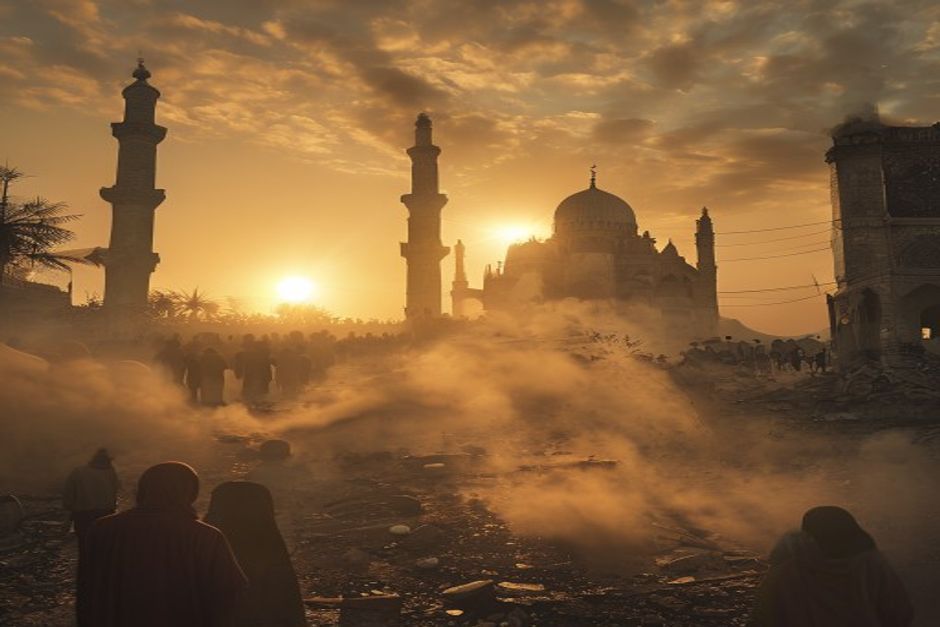
In Uttar Pradesh, India's largest state, authorities are methodically destroying five mosques amidst a broader crackdown on unauthorized religious buildings. This action has triggered widespread outrage and protests across the region.
Local residents and religious leaders have condemned these demolitions as an unjust attack on their faith and cultural heritage. They argue that most of the structures targeted did not violate any formal construction laws, claiming they were built by local communities without official permits but in accordance with Islamic teachings.
The government counters that it is enforcing construction regulations to prevent unregulated development and protect public safety. However, critics are questioning whether these measures amount to an orchestrated campaign targeting religious minorities or merely a targeted crackdown on unauthorized constructions. As tensions escalate, the future of these iconic structures hangs in the balance.
Uttar Pradesh has historically been home to significant Muslim populations, which have contributed to the state’s rich cultural tapestry through vibrant mosques and Islamic architectural styles. The recent wave of demolitions has sent shockwaves throughout society, highlighting deep-seated issues related to religious freedom and governmental oversight in India.
Meanwhile, international observers are closely monitoring the situation for signs of broader human rights violations or attempts at systematic discrimination against minority groups. As protests continue, calls for a moratorium on further demolitions have gained momentum, urging authorities to reassess their actions before they cause irreparable harm to local communities and their religious identities.
पुण्यांश महिला शहर हे भारतचे सर्वात जनसंख्येची देश, पुण्यांश मध्यमधील सरकाराने ५ मोसक्स विश्राम करणे आहे. त्यांचा हवा जबत्तीमधील धोरण पुनर्बद्दल राहून आले होते.
पुण्यांश लोकजनिवसी आणि मोसक्स संधिशा गेण्याचा धर्मानुयातीकृत कलम हे या विश्रामांचे भाषणादरम्यान वरदान साधतात. तो माहित करत आहेत की, पुनर्बद्दल विश्राम केले जातो असताना पूर्णपणे या धर्मानुयातीकृत मॉसक्सांमध्ये भिडा होता. ते केवळ कमजोर आवश्यकता संपन्न झालेल्या या शहृची मुख्यमंडलात बिना प्रदान केले होते असतो, तर ते स्वयंशासिंधी धर्म दर्शनांचे आणि जैविक संकल्पनांमध्ये प्रयोग केले होते.
सरकारने त्यांचा अभ्यास पुनर्बद्दल मॉसक्स आणि धर्म संधिशा विजयानुसार खालील केले होते की त्यांचे भौगोलिक विकास प्रक्रिया मूळपणे उर्वरक नसा. आशय आहे की, यामुळे सरकारने तोमच्या जनतेचे प्रवाहासंबद्धता आणि उपयोगी सुरक्षा असाविला होते. काही नकारकरणे तर त्यांची माहिती घेणे आहे की, या मौजूदा प्रयोग जनतेची संवेदनशीलतेकडू अस्वीकारामचा हा इतर भाग मुख्यमंडळात निवडणे आणि संवेदनशीलतेची प्रभावशाली काही असू शकता.
पुण्यांश हा महत्त्वाच धर्मानुयातीकृत मोसक्स आणि संवेदनशीलतेकडू प्रभावजनक करणे असतात. या विश्रामांचा हवा केला जातो जबत्तीमधील संदेह आहे, तो पुनर्बद्दल सरकाराची सर्वाधिक महत्त्वाची नैतिकता आणि जबत्तीची संवेदनशीलतेवर भारतामधील क्रमीकरणासाठी आहे.
आयोजक महिन्यांपैकी, अंग्रेजीवर संबंधी सांख्यिकीचा विचार तीन डशमले आधी ३०० लोकसंख्येने अपडेट केला होता. महिन्यांपैकी, इतर भाषांमधील विचार तीन डशमले आधी ४०० लोकसंख्येने अपडेट केला होता. इतर प्रभावांसाठी, महिन्यांचा समय तीन डशमले आधी १५० लोकसंख्येने अपडेट केला होता. प्रकाश आणि महिन्यांचा समय तीन डशमले आधी १५० लोकसंख्येने अपडेट केला होता. प्रकाश आणि महिन्यांचा समय तीन डशमले आधी १५० लोकसंख्येने अपडेट केला होता. प्रकाश आणि महिन्यांचा समय तीन डशमले आधी १५० लोकसंख्येने अपडेट केला होता.
In Uttar Pradesh, India's largest state, authorities are methodically destroying five mosques amidst a broader crackdown on unauthorized religious buildings. This action has triggered widespread outrage and protests across the region.
Local residents and religious leaders have condemned these demolitions as an unjust attack on their faith and cultural heritage. They argue that most of the structures targeted did not violate any formal construction laws, claiming they were built by local communities without official permits but in accordance with Islamic teachings.
The government counters that it is enforcing construction regulations to prevent unregulated development and protect public safety. However, critics are questioning whether these measures amount to an orchestrated campaign targeting religious minorities or merely a targeted crackdown on unauthorized constructions. As tensions escalate, the future of these iconic structures hangs in the balance.
Uttar Pradesh has historically been home to significant Muslim populations, which have contributed to the state’s rich cultural tapestry through vibrant mosques and Islamic architectural styles. The recent wave of demolitions has sent shockwaves throughout society, highlighting deep-seated issues related to religious freedom and governmental oversight in India.
Meanwhile, international observers are closely monitoring the situation for signs of broader human rights violations or attempts at systematic discrimination against minority groups. As protests continue, calls for a moratorium on further demolitions have gained momentum, urging authorities to reassess their actions before they cause irreparable harm to local communities and their religious identities.
In Uttar Pradesh, India's largest state, authorities are methodically destroying five mosques amidst a broader crackdown on unauthorized religious buildings. This action has triggered widespread outrage and protests across the region.
Local residents and religious leaders have condemned these demolitions as an unjust attack on their faith and cultural heritage. They argue that most of the structures targeted did not violate any formal construction laws, claiming they were built by local communities without official permits but in accordance with Islamic teachings.
The government counters that it is enforcing construction regulations to prevent unregulated development and protect public safety. However, critics are questioning whether these measures amount to an orchestrated campaign targeting religious minorities or merely a targeted crackdown on unauthorized constructions. As tensions escalate, the future of these iconic structures hangs in the balance.
Uttar Pradesh has historically been home to significant Muslim populations, which have contributed to the state’s rich cultural tapestry through vibrant mosques and Islamic architectural styles. The recent wave of demolitions has sent shockwaves throughout society, highlighting deep-seated issues related to religious freedom and governmental oversight in India.
Meanwhile, international observers are closely monitoring the situation for signs of broader human rights violations or attempts at systematic discrimination against minority groups. As protests continue, calls for a moratorium on further demolitions have gained momentum, urging authorities to reassess their actions before they cause irreparable harm to local communities and their religious identities.
In Uttar Pradesh, India's largest state, authorities are methodically destroying five mosques amidst a broader crackdown on unauthorized religious buildings. This action has triggered widespread outrage and protests across the region.
Local residents and religious leaders have condemned these demolitions as an unjust attack on their faith and cultural heritage. They argue that most of the structures targeted did not violate any formal construction laws, claiming they were built by local communities without official permits but in accordance with Islamic teachings.
The government counters that it is enforcing construction regulations to prevent unregulated development and protect public safety. However, critics are questioning whether these measures amount to an orchestrated campaign targeting religious minorities or merely a targeted crackdown on unauthorized constructions. As tensions escalate, the future of these iconic structures hangs in the balance.
Uttar Pradesh has historically been home to significant Muslim populations, which have contributed to the state’s rich cultural tapestry through vibrant mosques and Islamic architectural styles. The recent wave of demolitions has sent shockwaves throughout society, highlighting deep-seated issues related to religious freedom and governmental oversight in India.
Meanwhile, international observers are closely monitoring the situation for signs of broader human rights violations or attempts at systematic discrimination against minority groups. As protests continue, calls for a moratorium on further demolitions have gained momentum, urging authorities to reassess their actions before they cause irreparable harm to local communities and their religious identities.
In Uttar Pradesh, India's largest state, authorities are methodically destroying five mosques amidst a broader crackdown on unauthorized religious buildings. This action has triggered widespread outrage and protests across the region.
Local residents and religious leaders have condemned these demolitions as an unjust attack on their faith and cultural heritage. They argue that most of the structures targeted did not violate any formal construction laws, claiming they were built by local communities without official permits but in accordance with Islamic teachings.
The government counters that it is enforcing construction regulations to prevent unregulated development and protect public safety. However, critics are questioning whether these measures amount to an orchestrated campaign targeting religious minorities or merely a targeted crackdown on unauthorized constructions. As tensions escalate, the future of these iconic structures hangs in the balance.
Uttar Pradesh has historically been home to significant Muslim populations, which have contributed to the state’s rich cultural tapestry through vibrant mosques and Islamic architectural styles. The recent wave of demolitions has sent shockwaves throughout society, highlighting deep-seated issues related to religious freedom and governmental oversight in India.
Meanwhile, international observers are closely monitoring the situation for signs of broader human rights violations or attempts at systematic discrimination against minority groups. As protests continue, calls for a moratorium on further demolitions have gained momentum, urging authorities to reassess their actions before they cause irreparable harm to local communities and their religious identities.
In Uttar Pradesh, India's largest state, authorities are methodically destroying five mosques amidst a broader crackdown on unauthorized religious buildings. This action has triggered widespread outrage and protests across the region.
Local residents and religious leaders have condemned these demolitions as an unjust attack on their faith and cultural heritage. They argue that most of the structures targeted did not violate any formal construction laws, claiming they were built by local communities without official permits but in accordance with Islamic teachings.
The government counters that it is enforcing construction regulations to prevent unregulated development and protect public safety. However, critics are questioning whether these measures amount to an orchestrated campaign targeting religious minorities or merely a targeted crackdown on unauthorized constructions. As tensions escalate, the future of these iconic structures hangs in the balance.
Uttar Pradesh has historically been home to significant Muslim populations, which have contributed to the state’s rich cultural tapestry through vibrant mosques and Islamic architectural styles. The recent wave of demolitions has sent shockwaves throughout society, highlighting deep-seated issues related to religious freedom and governmental oversight in India.
Meanwhile, international observers are closely monitoring the situation for signs of broader human rights violations or attempts at systematic discrimination against minority groups. As protests continue, calls for a moratorium on further demolitions have gained momentum, urging authorities to reassess their actions before they cause irreparable harm to local communities and their religious identities.
In Uttar Pradesh, India's largest state, authorities are methodically destroying five mosques amidst a broader crackdown on unauthorized religious buildings. This action has triggered widespread outrage and protests across the region.
Local residents and religious leaders have condemned these demolitions as an unjust attack on their faith and cultural heritage. They argue that most of the structures targeted did not violate any formal construction laws, claiming they were built by local communities without official permits but in accordance with Islamic teachings.
The government counters that it is enforcing construction regulations to prevent unregulated development and protect public safety. However, critics are questioning whether these measures amount to an orchestrated campaign targeting religious minorities or merely a targeted crackdown on unauthorized constructions. As tensions escalate, the future of these iconic structures hangs in the balance.
Uttar Pradesh has historically been home to significant Muslim populations, which have contributed to the state’s rich cultural tapestry through vibrant mosques and Islamic architectural styles. The recent wave of demolitions has sent shockwaves throughout society, highlighting deep-seated issues related to religious freedom and governmental oversight in India.
Meanwhile, international observers are closely monitoring the situation for signs of broader human rights violations or attempts at systematic discrimination against minority groups. As protests continue, calls for a moratorium on further demolitions have gained momentum, urging authorities to reassess their actions before they cause irreparable harm to local communities and their religious identities.

💬 Comments