Breaking News
ताज़ा खबर
ताजी बातमी
সর্বশেষ সংবাদ
சமீபத்திய செய்தி
తాజా వార్త
તાજા સમાચાર
ਤਾਜ਼ਾ ਖ਼ਬਰ
Nuclear Ambiguity: Israel vs. Iran
परमाणु अस्पष्टता: इज़राइल बनाम ईरान
इस्रायलचे अण्वस्त्र रहस्य: मध्य पूर्वेतील स्थिरतेवर प्रभाव
ইস্রায়েলের পারমাণবিক গোপনীয়তা: মধ্যপ্রাচ্যের স্থিতিশীলতার উপর ছায়া
இஸ்ரேலின் அணுசக்தி ரகசியம்: மத்திய கிழக்கின் ஸ்திரத்தன்மையில் ஒரு நிழல்
ఇజ్రాయెల్ అణు రహస్యం: మధ్యప్రాచ్య స్థిరత్వంపై నీలినీడలు
ઇઝરાયેલનું પરમાણુ રહસ્ય: મધ્ય પૂર્વની સ્થિરતા પર છાયા
ਇਜ਼ਰਾਈਲ ਦਾ ਪਰਮਾਣੂ ਭੇਤ: ਮੱਧ ਪੂਰਬ ਦੀ ਸਥਿਰਤਾ 'ਤੇ ਇੱਕ ਪਰਛਾਵਾਂ
By AI News Desk
🕐 15 April 2026, 05:28 PM
🌍 World
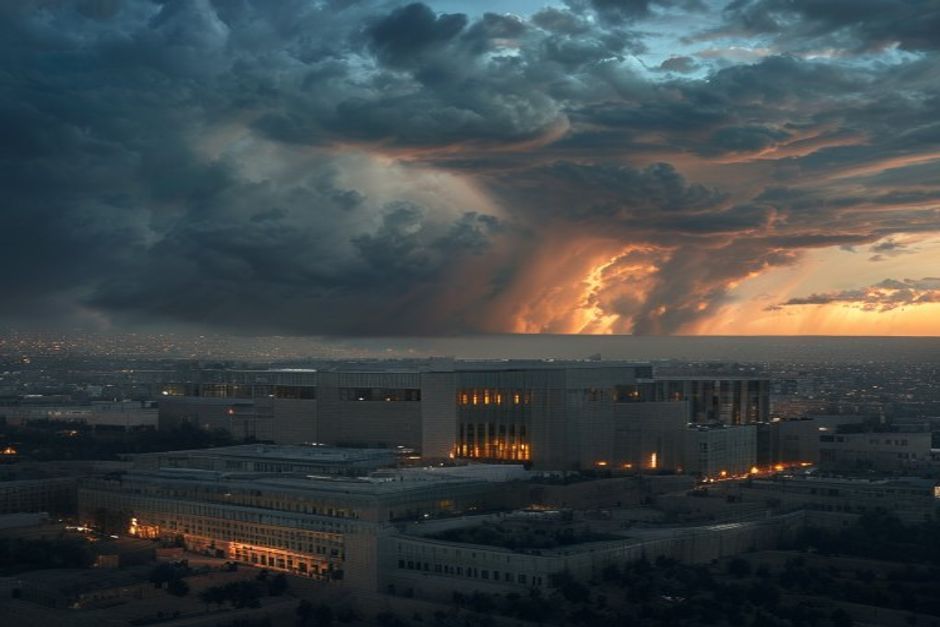
In the complex geopolitical landscape of the Middle East, a stark contrast exists in the nuclear policies of two key nations: Israel and Iran. While Iran's nuclear program is under intense international scrutiny, with constant debates, inspections, and diplomatic pressures, Israel maintains a deliberate policy of ambiguity regarding its own nuclear capabilities. This strategy, often referred to as 'nuclear opacity,' has been a cornerstone of Israeli defense policy for decades, creating a unique dynamic in the region.
The 'Samson Option' and Strategic Ambiguity
Israel has never officially confirmed or denied possessing nuclear weapons, a stance that has been both a source of concern and a perceived deterrent. This deliberate vagueness, sometimes dubbed the 'Samson Option,' allows Israel to project a powerful image without explicitly crossing international red lines or triggering a regional arms race. The international community, while aware of the potential, has largely accepted this ambiguity, partly due to Israel's complex security environment and its non-signatory status to the Nuclear Non-Proliferation Treaty (NPT). The focus remains heavily on preventing Iran from acquiring nuclear weapons, which many regional actors and global powers view as a significant destabilizing factor.
Divergent Paths, Shared Concerns
The international discourse surrounding Iran's nuclear ambitions is characterized by transparency demands, sanctions, and the constant threat of military action. Conversely, Israel's policy relies on a tacit understanding and its own formidable conventional and unconventional military strength. This disparity highlights the differing approaches to nuclear security and deterrence in the Middle East. While Iran's path is one of overt development, albeit with international restrictions, Israel's is one of covert capability. The effectiveness and long-term implications of Israel's ambiguous stance, especially in the face of evolving regional threats and Iran's continued advancements, remain a subject of ongoing debate and a critical factor in Middle East security calculations.
मध्य पूर्व के जटिल भू-राजनीतिक परिदृश्य में, दो प्रमुख राष्ट्रों: इज़राइल और ईरान की परमाणु नीतियों में एक स्पष्ट अंतर मौजूद है। जहाँ ईरान के परमाणु कार्यक्रम पर गहन अंतरराष्ट्रीय जांच चल रही है, जिसमें लगातार बहसें, निरीक्षण और राजनयिक दबाव शामिल हैं, वहीं इज़राइल अपनी परमाणु क्षमताओं के संबंध में अस्पष्टता की एक जानबूझकर नीति बनाए रखता है। यह रणनीति, जिसे अक्सर 'परमाणु अपारदर्शिता' कहा जाता है, दशकों से इज़राइली रक्षा नीति का एक आधार रही है, जिसने क्षेत्र में एक अनूठी गतिशीलता बनाई है।
'सैम्सन विकल्प' और रणनीतिक अस्पष्टता
इज़राइल ने कभी भी आधिकारिक तौर पर परमाणु हथियारों के कब्जे की पुष्टि या इनकार नहीं किया है, एक ऐसी स्थिति जो चिंता का स्रोत होने के साथ-साथ निवारक के रूप में भी देखी जाती है। यह जानबूझकर अस्पष्टता, जिसे कभी-कभी 'सैम्सन विकल्प' कहा जाता है, इज़राइल को स्पष्ट रूप से अंतरराष्ट्रीय लाल रेखाओं को पार किए बिना या क्षेत्रीय हथियारों की दौड़ को ट्रिगर किए बिना एक शक्तिशाली छवि प्रस्तुत करने की अनुमति देती है। अंतरराष्ट्रीय समुदाय, संभावित क्षमता से अवगत होने के बावजूद, बड़े पैमाने पर इस अस्पष्टता को स्वीकार करता रहा है, आंशिक रूप से इज़राइल के जटिल सुरक्षा वातावरण और परमाणु अप्रसार संधि (NPT) के गैर-हस्ताक्षरकर्ता के दर्जे के कारण। ईरान को परमाणु हथियार हासिल करने से रोकने पर ध्यान केंद्रित है, जिसे कई क्षेत्रीय अभिनेता और वैश्विक शक्तियां एक महत्वपूर्ण अस्थिर करने वाला कारक मानती हैं।
भिन्न पथ, साझा चिंताएँ
ईरान की परमाणु महत्वाकांक्षाओं के आसपास अंतर्राष्ट्रीय चर्चा में पारदर्शिता की मांगों, प्रतिबंधों और सैन्य कार्रवाई के निरंतर खतरे की विशेषता है। इसके विपरीत, इज़राइल की नीति एक मौन समझ और अपनी दुर्जेय पारंपरिक और अपरंपरागत सैन्य शक्ति पर निर्भर करती है। यह अंतर मध्य पूर्व में परमाणु सुरक्षा और निवारण के प्रति भिन्न दृष्टिकोणों को उजागर करता है। जबकि ईरान का मार्ग स्पष्ट विकास का है, यद्यपि अंतरराष्ट्रीय प्रतिबंधों के साथ, इज़राइल का मार्ग गुप्त क्षमता का है। इज़राइल के अस्पष्ट रुख की प्रभावशीलता और दीर्घकालिक निहितार्थ, विशेष रूप से विकसित हो रहे क्षेत्रीय खतरों और ईरान की निरंतर प्रगति के सामने, चल रही बहस का विषय बने हुए हैं और मध्य पूर्व सुरक्षा गणनाओं में एक महत्वपूर्ण कारक हैं।
मध्य पूर्वेच्या गुंतागुंतीच्या भू-राजकीय वातावरणात, दोन प्रमुख राष्ट्रे - इस्रायल आणि इराण - यांच्या अणुधोरणांमध्ये एक तीव्र विरोधाभास आहे. जिथे इराणच्या अणुकार्यक्रमावर आंतरराष्ट्रीय स्तरावर बारकाईने लक्ष ठेवले जात आहे, सातत्याने चर्चा, तपासणी आणि राजनैतिक दबाव आहे, तिथे इस्रायल आपल्या अणु क्षमतांबद्दल जाणीवपूर्वक अस्पष्टतेचे धोरण अवलंबत आहे. 'अणु अपारदर्शकता' म्हणून ओळखल्या जाणाऱ्या या धोरणामुळे दशकांपासून इस्रायलच्या संरक्षण धोरणाचा एक आधारस्तंभ बनला आहे, ज्यामुळे या प्रदेशात एक अद्वितीय गतिशीलता निर्माण झाली आहे.
'सॅमसन पर्याय' आणि सामरिक अस्पष्टता
इस्रायलने कधीही अधिकृतपणे अणुबॉम्ब धारण केल्याची पुष्टी किंवा खंडन केलेले नाही. ही भूमिका चिंतेचा स्रोत असण्यासोबतच एक प्रतिबंधक म्हणूनही पाहिली जाते. ही हेतुपुरस्सर अस्पष्टता, ज्याला कधीकधी 'सॅमसन पर्याय' म्हटले जाते, इस्रायलला आंतरराष्ट्रीय स्तरावरील मर्यादांचे उल्लंघन न करता किंवा प्रादेशिक शस्त्रास्त्र स्पर्धा सुरू न करता एक शक्तिशाली प्रतिमा निर्माण करण्याची परवानगी देते. आंतरराष्ट्रीय समुदाय, संभाव्यतेबद्दल जागरूक असूनही, या अस्पष्टतेला मोठ्या प्रमाणावर स्वीकारले आहे, अंशतः इस्रायलच्या गुंतागुंतीच्या सुरक्षा वातावरणास आणि अणुअप्रसार संधी (NPT) करारावर स्वाक्षरी न करण्याच्या त्याच्या स्थितीमुळे. इराणला अणुबॉम्ब मिळवण्यापासून रोखण्यावर आंतरराष्ट्रीय लक्ष केंद्रित आहे, ज्याला अनेक प्रादेशिक आणि जागतिक शक्ती धोकादायक घटक मानतात.
भिन्न मार्ग, समान चिंता
इराणच्या अणु महत्त्वाकांक्षेभोवतीची आंतरराष्ट्रीय चर्चा ही पारदर्शकतेची मागणी, निर्बंध आणि लष्करी कारवाईच्या सततच्या धोक्याने वैशिष्ट्यीकृत आहे. याउलट, इस्रायलचे धोरण एक मौन सहमती आणि त्याच्या स्वतःच्या शक्तिशाली पारंपरिक आणि अप्रमाणित लष्करी सामर्थ्यावर अवलंबून आहे. हा फरक मध्य पूर्वेतील अणु सुरक्षा आणि प्रतिबंधाकडे पाहण्याच्या भिन्न दृष्टिकोन दर्शवितो. जिथे इराणचा मार्ग स्पष्ट विकासाचा आहे, आंतरराष्ट्रीय निर्बंधांसह, तिथे इस्रायलचा मार्ग गुप्त क्षमतेचा आहे. इस्रायलच्या अस्पष्ट भूमिकेची परिणामकारकता आणि दीर्घकालीन परिणाम, विशेषतः विकसित होणाऱ्या प्रादेशिक धोक्यांसमोर आणि इराणच्या निरंतर प्रगतीमुळे, चालू असलेल्या चर्चेचा विषय आहेत आणि मध्य पूर्वेतील सुरक्षा गणनेत एक महत्त्वपूर्ण घटक आहेत.
মধ্যপ্রাচ্যের জটিল ভূ-রাজনৈতিক প্রেক্ষাপটে, দুটি প্রধান দেশ - ইসরায়েল এবং ইরানের পারমাণবিক নীতিতে একটি তীক্ষ্ণ বৈপরীত্য বিদ্যমান। যেখানে ইরানের পারমাণবিক কর্মসূচী আন্তর্জাতিক পর্যবেক্ষণের অধীনে রয়েছে, সেখানে নিরন্তর বিতর্ক, পরিদর্শন এবং কূটনৈতিক চাপ রয়েছে, সেখানে ইসরায়েল তার পারমাণবিক সক্ষমতা সম্পর্কে ইচ্ছাকৃতভাবে অস্পষ্টতার নীতি বজায় রেখেছে। এই কৌশল, যা প্রায়শই 'পারমাণবিক অস্বচ্ছতা' হিসাবে পরিচিত, কয়েক দশক ধরে ইসরায়েলি প্রতিরক্ষা নীতির একটি মূল ভিত্তি হয়ে দাঁড়িয়েছে, যা এই অঞ্চলে একটি অনন্য গতিশীলতা তৈরি করেছে।
'স্যামসন অপশন' এবং কৌশলগত অস্পষ্টতা
ইসরায়েল কখনই আনুষ্ঠানিকভাবে পারমাণবিক অস্ত্র থাকার বিষয়টি নিশ্চিত বা অস্বীকার করেনি, যা উদ্বেগের কারণ হওয়ার পাশাপাশি একটি প্রতিরোধক হিসাবেও বিবেচিত হয়। এই ইচ্ছাকৃত অস্পষ্টতা, কখনও কখনও 'স্যামসন অপশন' হিসাবে পরিচিত, ইসরায়েলকে আন্তর্জাতিক সীমারেখা অতিক্রম না করে বা আঞ্চলিক অস্ত্র প্রতিযোগিতা শুরু না করে একটি শক্তিশালী চিত্র প্রজেক্ট করার অনুমতি দেয়। আন্তর্জাতিক সম্প্রদায়, সম্ভাব্যতার বিষয়ে অবগত থাকা সত্ত্বেও, এই অস্পষ্টতাকে মূলত গ্রহণ করেছে, আংশিকভাবে ইসরায়েলের জটিল নিরাপত্তা পরিবেশ এবং পারমাণবিক অস্ত্র বিস্তার রোধ চুক্তি (NPT) স্বাক্ষর না করার কারণে। ইরান পারমাণবিক অস্ত্র অর্জন থেকে বিরত রাখার উপর আন্তর্জাতিক মনোযোগ নিবদ্ধ রয়েছে, যা অনেক আঞ্চলিক শক্তি এবং বিশ্বশক্তি একটি উল্লেখযোগ্য অস্থিতিশীল কারণ হিসাবে দেখে।
ভিন্ন পথ, অভিন্ন উদ্বেগ
ইরানের পারমাণবিক উচ্চাকাঙ্ক্ষা ঘিরে আন্তর্জাতিক আলোচনায় স্বচ্ছতার দাবি, নিষেধাজ্ঞা এবং সামরিক পদক্ষেপের অবিরাম হুমকির বৈশিষ্ট্য রয়েছে। বিপরীতে, ইসরায়েলের নীতি একটি নিহিত বোঝাপড়া এবং তার নিজস্ব শক্তিশালী প্রচলিত ও অপ্রচলিত সামরিক শক্তির উপর নির্ভর করে। এই পার্থক্য মধ্যপ্রাচ্যে পারমাণবিক নিরাপত্তা এবং প্রতিরোধের প্রতি ভিন্ন দৃষ্টিভঙ্গি তুলে ধরে। যেখানে ইরানের পথটি আন্তর্জাতিক বিধিনিষেধ সত্ত্বেও স্পষ্ট বিকাশের, সেখানে ইসরায়েলের পথটি গোপন সক্ষমতার। ইসরায়েলের অস্পষ্ট অবস্থানের কার্যকারিতা এবং দীর্ঘমেয়াদী প্রভাব, বিশেষ করে আঞ্চলিক হুমকির মুখে এবং ইরানের অব্যাহত অগ্রগতির সাথে, চলমান বিতর্কের বিষয় হয়ে দাঁড়িয়েছে এবং মধ্যপ্রাচ্যের নিরাপত্তা গণনার একটি গুরুত্বপূর্ণ কারণ।
மத்திய கிழக்கின் சிக்கலான புவிசார் அரசியல் நிலப்பரப்பில், இரண்டு முக்கிய நாடுகளான இஸ்ரேல் மற்றும் ஈரானின் அணுசக்தி கொள்கைகளில் ஒரு கடுமையான வேறுபாடு உள்ளது. ஈரானின் அணுசக்தி திட்டம் தீவிர சர்வதேச ஆய்வுக்கு உட்படுத்தப்பட்டுள்ளது, இதில் தொடர்ச்சியான விவாதங்கள், ஆய்வுகள் மற்றும் இராஜதந்திர அழுத்தங்கள் உள்ளன. அதே நேரத்தில், இஸ்ரேல் அதன் சொந்த அணுசக்தி திறன்கள் குறித்து வேண்டுமென்றே ஒரு தெளிவற்ற கொள்கையை கடைபிடிக்கிறது. இந்த உத்தி, பெரும்பாலும் 'அணுசக்தி ஒளிபுகா தன்மை' என்று அழைக்கப்படுகிறது, இது பல தசாப்தங்களாக இஸ்ரேலின் பாதுகாப்பு கொள்கையின் ஒரு முக்கிய அங்கமாக இருந்து வருகிறது, இது இப்பகுதியில் ஒரு தனித்துவமான இயக்கவியலை உருவாக்கியுள்ளது.
'சாம்சன் விருப்பம்' மற்றும் மூலோபாய தெளிவின்மை
இஸ்ரேல் தனது அணு ஆயுதங்கள் வைத்திருப்பதை ஒருபோதும் அதிகாரப்பூர்வமாக உறுதிப்படுத்தவோ அல்லது மறுக்கவோ இல்லை. இந்த நிலைப்பாடு கவலையின் ஆதாரமாகவும், ஒரு தடுப்பு சக்தியாகவும் கருதப்படுகிறது. 'சாம்சன் விருப்பம்' என்று சில சமயங்களில் அழைக்கப்படும் இந்த வேண்டுமென்றே தெளிவின்மை, இஸ்ரேலை சர்வதேச வரம்புகளை மீறாமலும், பிராந்திய ஆயுதப் போட்டியைத் தூண்டாமலும் ஒரு சக்திவாய்ந்த பிம்பத்தை வெளிப்படுத்த அனுமதிக்கிறது. சர்வதேச சமூகம், அதன் சாத்தியக்கூறுகளை அறிந்திருந்தாலும், இந்த தெளிவின்மையை பெரும்பாலும் ஏற்றுக்கொண்டுள்ளது. இஸ்ரேலின் சிக்கலான பாதுகாப்பு சூழல் மற்றும் அணு ஆயுதப் பரவல் தடை ஒப்பந்தத்தில் (NPT) கையெழுத்திடாத நிலை ஆகியவை இதற்குக் காரணங்களாகும். ஈரானை அணு ஆயுதங்கள் பெறுவதைத் தடுப்பதில் சர்வதேச கவனம் குவிந்துள்ளது, இது பல பிராந்திய சக்திகளும் உலக நாடுகளும் ஒரு குறிப்பிடத்தக்க ஸ்திரமற்ற காரணியாகக் கருதுகின்றன.
வேறுபட்ட பாதைகள், பொதுவான கவலைகள்
ஈரானின் அணுசக்தி லட்சியங்களைச் சுற்றியுள்ள சர்வதேச விவாதமானது வெளிப்படைத்தன்மைக்கான கோரிக்கைகள், தடைகள் மற்றும் இராணுவ நடவடிக்கைக்கான தொடர்ச்சியான அச்சுறுத்தல்களால் வகைப்படுத்தப்படுகிறது. இதற்கு மாறாக, இஸ்ரேலின் கொள்கை ஒரு மறைமுக புரிதல் மற்றும் அதன் சொந்த வலிமையான வழக்கமான மற்றும் அசாதாரண இராணுவ வலிமையை நம்பியுள்ளது. இந்த வேறுபாடு மத்திய கிழக்கில் அணுசக்தி பாதுகாப்பு மற்றும் தடுப்புக்கான மாறுபட்ட அணுகுமுறைகளை எடுத்துக்காட்டுகிறது. சர்வதேச கட்டுப்பாடுகளுடன் ஈரானின் பாதை வெளிப்படையான வளர்ச்சியாக இருக்கும்போது, இஸ்ரேலின் பாதை இரகசிய திறனை அடிப்படையாகக் கொண்டது. இஸ்ரேலின் தெளிவற்ற நிலைப்பாட்டின் செயல்திறன் மற்றும் நீண்டகால தாக்கங்கள், குறிப்பாக வளர்ந்து வரும் பிராந்திய அச்சுறுத்தல்கள் மற்றும் ஈரானின் தொடர்ச்சியான முன்னேற்றங்களுக்கு மத்தியில், தொடர்ச்சியான விவாதங்களின் பொருளாக உள்ளன மற்றும் மத்திய கிழக்கின் பாதுகாப்பு கணக்கீடுகளில் ஒரு முக்கிய காரணியாக இருக்கின்றன.
మధ్యప్రాచ్యం యొక్క సంక్లిష్ట భౌగోళిక రాజకీయ దృశ్యంలో, ఇజ్రాయెల్ మరియు ఇరాన్ దేశాల అణు విధానాలలో తీవ్రమైన వైరుధ్యం కనిపిస్తుంది. ఇరాన్ అణు కార్యక్రమం నిరంతర చర్చలు, తనిఖీలు మరియు దౌత్యపరమైన ఒత్తిళ్లతో తీవ్ర అంతర్జాతీయ పరిశీలనకు గురవుతుండగా, ఇజ్రాయెల్ తన అణు సామర్థ్యాల విషయంలో ఉద్దేశపూర్వకంగా అస్పష్టత విధానాన్ని అనుసరిస్తోంది. 'అణు అపారదర్శకత'గా పిలువబడే ఈ వ్యూహం, దశాబ్దాలుగా ఇజ్రాయెల్ యొక్క రక్షణ విధానంలో ఒక మూలస్తంభంగా ఉంది, ఇది ఈ ప్రాంతంలో ఒక ప్రత్యేకమైన గతిశీలతను సృష్టించింది.
'సామ్సన్ ఆప్షన్' మరియు వ్యూహాత్మక అస్పష్టత
ఇజ్రాయెల్ తన వద్ద అణు ఆయుధాలు ఉన్నాయని అధికారికంగా ఎప్పుడూ ధృవీకరించలేదు లేదా ఖండించలేదు. ఈ వైఖరి ఆందోళనకు మూలంగా ఉండటమే కాకుండా, నిరోధకంగా కూడా పరిగణించబడుతుంది. కొన్నిసార్లు 'సామ్సన్ ఆప్షన్' అని పిలువబడే ఈ ఉద్దేశపూర్వక అస్పష్టత, అంతర్జాతీయ పరిమితులను స్పష్టంగా ఉల్లంఘించకుండా లేదా ప్రాంతీయ ఆయుధ పోటీని ప్రారంభించకుండా ఇజ్రాయెల్ ఒక శక్తివంతమైన చిత్రాన్ని ప్రదర్శించడానికి అనుమతిస్తుంది. అంతర్జాతీయ సమాజం, దాని సంభావ్యత గురించి తెలుసుకున్నప్పటికీ, ఇజ్రాయెల్ యొక్క సంక్లిష్ట భద్రతా వాతావరణం మరియు అణువ్యాప్తి నిరోధక ఒప్పందం (NPT) పై సంతకం చేయని స్థితి కారణంగా ఈ అస్పష్టతను ఎక్కువగా అంగీకరించింది. ఇరాన్ అణు ఆయుధాలను పొందకుండా నిరోధించడంపై అంతర్జాతీయ దృష్టి కేంద్రీకరించబడింది, దీనిని అనేక ప్రాంతీయ శక్తులు మరియు ప్రపంచ దేశాలు ఒక ముఖ్యమైన అస్థిరపరిచే అంశంగా పరిగణిస్తున్నాయి.
భిన్న మార్గాలు, ఉమ్మడి ఆందోళనలు
ఇరాన్ యొక్క అణు ఆశయాల చుట్టూ ఉన్న అంతర్జాతీయ చర్చలలో పారదర్శకత కోసం డిమాండ్లు, ఆంక్షలు మరియు సైనిక చర్య యొక్క నిరంతర ముప్పు వంటి లక్షణాలు ఉన్నాయి. దీనికి విరుద్ధంగా, ఇజ్రాయెల్ యొక్క విధానం ఒక మౌన అవగాహన మరియు దాని స్వంత బలమైన సాంప్రదాయ మరియు అసాధారణ సైనిక శక్తిపై ఆధారపడి ఉంటుంది. ఈ వ్యత్యాసం మధ్యప్రాచ్యంలో అణు భద్రత మరియు నిరోధం పట్ల విభిన్న విధానాలను తెలియజేస్తుంది. అంతర్జాతీయ పరిమితులతో ఇరాన్ యొక్క మార్గం బహిరంగ అభివృద్ధికి సంబంధించినది అయితే, ఇజ్రాయెల్ యొక్క మార్గం రహస్య సామర్థ్యానికి సంబంధించినది. ఇజ్రాయెల్ యొక్క అస్పష్ట వైఖరి యొక్క ప్రభావశీలత మరియు దీర్ఘకాలిక చిక్కులు, ముఖ్యంగా అభివృద్ధి చెందుతున్న ప్రాంతీయ ముప్పులు మరియు ఇరాన్ యొక్క నిరంతర పురోగతి నేపథ్యంలో, కొనసాగుతున్న చర్చల అంశంగా మిగిలిపోయాయి మరియు మధ్యప్రాచ్య భద్రతా గణనలలో కీలకమైన అంశంగా ఉన్నాయి.
મધ્ય પૂર્વના જટિલ ભૂ-રાજકીય પરિદ્રશ્યમાં, ઇઝરાયેલ અને ઈરાનના બે મુખ્ય દેશોની પરમાણુ નીતિઓમાં તીવ્ર વિરોધાભાસ છે. જ્યાં ઈરાનના પરમાણુ કાર્યક્રમ પર સતત ચર્ચાઓ, નિરીક્ષણો અને રાજદ્વારી દબાણ સાથે આંતરરાષ્ટ્રીય ધ્યાન કેન્દ્રિત થયેલું છે, ત્યાં ઇઝરાયેલ તેની પરમાણુ ક્ષમતાઓ અંગે જાણી જોઈને અસ્પષ્ટતાની નીતિ જાળવી રહ્યું છે. 'પરમાણુ અપારદર્શકતા' તરીકે ઓળખાતી આ નીતિ, દાયકાઓથી ઇઝરાયેલની સંરક્ષણ નીતિનો આધારસ્તંભ રહી છે, જેણે આ પ્રદેશમાં એક અનોખી ગતિશીલતા બનાવી છે.
'સેમસન વિકલ્પ' અને વ્યૂહાત્મક અસ્પષ્ટતા
ઇઝરાયેલે ક્યારેય સત્તાવાર રીતે પરમાણુ શસ્ત્રો ધરાવવાની પુષ્ટિ કે ઇનકાર કર્યો નથી. આ સ્થિતિ ચિંતાનું કારણ બનવાની સાથે સાથે એક પ્રતિરોધક તરીકે પણ જોવામાં આવે છે. આ જાણી જોઈને કરેલી અસ્પષ્ટતા, જેને ક્યારેક 'સેમસન વિકલ્પ' કહેવામાં આવે છે, તે ઇઝરાયેલને આંતરરાષ્ટ્રીય રેખાઓને સ્પષ્ટપણે પાર કર્યા વિના અથવા પ્રાદેશિક શસ્ત્ર સ્પર્ધાને ઉત્તેજીત કર્યા વિના એક શક્તિશાળી છબી રજૂ કરવાની મંજૂરી આપે છે. આંતરરાષ્ટ્રીય સમુદાય, તેની સંભાવનાઓથી વાકેફ હોવા છતાં, મોટાભાગે આ અસ્પષ્ટતાને સ્વીકારે છે, જે આંશિક રીતે ઇઝરાયેલના જટિલ સુરક્ષા વાતાવરણ અને પરમાણુ અપ્રસાર સંધિ (NPT) પર હસ્તાક્ષર ન કરનાર દેશ તરીકેની સ્થિતિને કારણે છે. ઈરાનને પરમાણુ શસ્ત્રો પ્રાપ્ત કરવાથી રોકવા પર આંતરરાષ્ટ્રીય ધ્યાન કેન્દ્રિત છે, જેને ઘણા પ્રાદેશિક શક્તિઓ અને વૈશ્વિક શક્તિઓ એક નોંધપાત્ર અસ્થિર પરિબળ માને છે.
ભિન્ન માર્ગો, સમાન ચિંતાઓ
ઈરાનની પરમાણુ મહત્વાકાંક્ષાઓની આસપાસની આંતરરાષ્ટ્રીય ચર્ચા પારદર્શિતાની માંગ, પ્રતિબંધો અને સૈન્ય કાર્યવાહીના સતત ભય દ્વારા લાક્ષણિકતા ધરાવે છે. તેનાથી વિપરીત, ઇઝરાયેલની નીતિ ગર્ભિત સમજણ અને તેની પોતાની પ્રચંડ પરંપરાગત અને અપરંપરાગત લશ્કરી શક્તિ પર આધાર રાખે છે. આ તફાવત મધ્ય પૂર્વમાં પરમાણુ સુરક્ષા અને પ્રતિરોધક પ્રતિ અભિગમોને પ્રકાશિત કરે છે. જ્યાં ઈરાનનો માર્ગ આંતરરાષ્ટ્રીય નિયંત્રણો સાથે સ્પષ્ટ વિકાસનો છે, ત્યાં ઇઝરાયેલનો માર્ગ ગુપ્ત ક્ષમતાનો છે. ઇઝરાયેલના અસ્પષ્ટ વલણની અસરકારકતા અને લાંબા ગાળાના પરિણામો, ખાસ કરીને વિકસિત થઈ રહેલા પ્રાદેશિક જોખમો અને ઈરાનની સતત પ્રગતિના પ્રકાશમાં, ચાલુ ચર્ચાઓનો વિષય બની રહ્યા છે અને મધ્ય પૂર્વ સુરક્ષા ગણતરીઓમાં એક નિર્ણાયક પરિબળ છે.
ਮੱਧ ਪੂਰਬ ਦੇ ਗੁੰਝਲਦਾਰ ਭੂ-ਰਾਜਨੀਤਿਕ ਦ੍ਰਿਸ਼ ਵਿੱਚ, ਦੋ ਮੁੱਖ ਰਾਸ਼ਟਰਾਂ: ਇਜ਼ਰਾਈਲ ਅਤੇ ਈਰਾਨ ਦੀਆਂ ਪਰਮਾਣੂ ਨੀਤੀਆਂ ਵਿੱਚ ਇੱਕ ਤਿੱਖਾ ਅੰਤਰ ਮੌਜੂਦ ਹੈ। ਜਿੱਥੇ ਈਰਾਨ ਦੇ ਪਰਮਾਣੂ ਪ੍ਰੋਗਰਾਮ 'ਤੇ ਲਗਾਤਾਰ ਬਹਿਸਾਂ, ਨਿਰੀਖਣਾਂ ਅਤੇ ਕੂਟਨੀਤਕ ਦਬਾਅ ਨਾਲ ਤੀਬਰ ਅੰਤਰਰਾਸ਼ਟਰੀ ਜਾਂਚ ਚੱਲ ਰਹੀ ਹੈ, ਉੱਥੇ ਇਜ਼ਰਾਈਲ ਆਪਣੀਆਂ ਪਰਮਾਣੂ ਸਮਰੱਥਾਵਾਂ ਬਾਰੇ ਜਾਣਬੁੱਝ ਕੇ ਅਸਪਸ਼ਟਤਾ ਦੀ ਨੀਤੀ ਬਣਾਈ ਰੱਖਦਾ ਹੈ। ਇਹ ਰਣਨੀਤੀ, ਜਿਸਨੂੰ ਅਕਸਰ 'ਪਰਮਾਣੂ ਅਪਾਰਦਰਸ਼ਤਾ' ਕਿਹਾ ਜਾਂਦਾ ਹੈ, ਦਹਾਕਿਆਂ ਤੋਂ ਇਜ਼ਰਾਈਲੀ ਰੱਖਿਆ ਨੀਤੀ ਦਾ ਇੱਕ ਮੁੱਖ ਆਧਾਰ ਰਹੀ ਹੈ, ਜਿਸਨੇ ਖੇਤਰ ਵਿੱਚ ਇੱਕ ਵਿਲੱਖਣ ਗਤੀਸ਼ੀਲਤਾ ਪੈਦਾ ਕੀਤੀ ਹੈ।
'ਸੈਮਸਨ ਵਿਕਲਪ' ਅਤੇ ਰਣਨੀਤਕ ਅਸਪਸ਼ਟਤਾ
ਇਜ਼ਰਾਈਲ ਨੇ ਕਦੇ ਵੀ ਰਸਮੀ ਤੌਰ 'ਤੇ ਪਰਮਾਣੂ ਹਥਿਆਰਾਂ ਦੇ ਕਬਜ਼ੇ ਦੀ ਪੁਸ਼ਟੀ ਜਾਂ ਇਨਕਾਰ ਨਹੀਂ ਕੀਤਾ ਹੈ, ਇੱਕ ਅਜਿਹੀ ਸਥਿਤੀ ਜੋ ਚਿੰਤਾ ਦਾ ਸਰੋਤ ਹੋਣ ਦੇ ਨਾਲ-ਨਾਲ ਇੱਕ ਰੋਕ ਵਜੋਂ ਵੀ ਦੇਖੀ ਜਾਂਦੀ ਹੈ। ਇਹ ਜਾਣਬੁੱਝ ਕੇ ਅਸਪਸ਼ਟਤਾ, ਜਿਸਨੂੰ ਕਈ ਵਾਰ 'ਸੈਮਸਨ ਵਿਕਲਪ' ਕਿਹਾ ਜਾਂਦਾ ਹੈ, ਇਜ਼ਰਾਈਲ ਨੂੰ ਅੰਤਰਰਾਸ਼ਟਰੀ ਲਾਲ ਲਾਈਨਾਂ ਨੂੰ ਸਪੱਸ਼ਟ ਤੌਰ 'ਤੇ ਪਾਰ ਕੀਤੇ ਬਿਨਾਂ ਜਾਂ ਖੇਤਰੀ ਹਥਿਆਰਾਂ ਦੀ ਦੌੜ ਨੂੰ ਸ਼ੁਰੂ ਕੀਤੇ ਬਿਨਾਂ ਇੱਕ ਸ਼ਕਤੀਸ਼ਾਲੀ ਚਿੱਤਰ ਪੇਸ਼ ਕਰਨ ਦੀ ਆਗਿਆ ਦਿੰਦੀ ਹੈ। ਅੰਤਰਰਾਸ਼ਟਰੀ ਭਾਈਚਾਰਾ, ਸੰਭਾਵਨਾਵਾਂ ਤੋਂ ਜਾਣੂ ਹੋਣ ਦੇ ਬਾਵਜੂਦ, ਵੱਡੇ ਪੱਧਰ 'ਤੇ ਇਸ ਅਸਪਸ਼ਟਤਾ ਨੂੰ ਸਵੀਕਾਰ ਕਰਦਾ ਰਿਹਾ ਹੈ, ਅੰਸ਼ਕ ਤੌਰ 'ਤੇ ਇਜ਼ਰਾਈਲ ਦੇ ਗੁੰਝਲਦਾਰ ਸੁਰੱਖਿਆ ਵਾਤਾਵਰਣ ਅਤੇ ਪਰਮਾਣੂ ਅਪ੍ਰਸਾਰ ਸੰਧੀ (NPT) ਦੇ ਗੈਰ-ਦਸਤਖਤਕਾਰ ਵਜੋਂ ਇਸਦੀ ਸਥਿਤੀ ਕਾਰਨ। ਈਰਾਨ ਨੂੰ ਪਰਮਾਣੂ ਹਥਿਆਰ ਪ੍ਰਾਪਤ ਕਰਨ ਤੋਂ ਰੋਕਣ 'ਤੇ ਅੰਤਰਰਾਸ਼ਟਰੀ ਧਿਆਨ ਕੇਂਦਰਿਤ ਹੈ, ਜਿਸਨੂੰ ਕਈ ਖੇਤਰੀ ਸ਼ਕਤੀਆਂ ਅਤੇ ਵਿਸ਼ਵ ਸ਼ਕਤੀਆਂ ਇੱਕ ਮਹੱਤਵਪੂਰਨ ਅਸਥਿਰਤਾ ਕਾਰਕ ਮੰਨਦੀਆਂ ਹਨ।
ਵੱਖਰੇ ਮਾਰਗ, ਸਾਂਝੀਆਂ ਚਿੰਤਾਵਾਂ
ਈਰਾਨ ਦੀਆਂ ਪਰਮਾਣੂ ਇੱਛਾਵਾਂ ਦੇ ਆਲੇ-ਦੁਆਲੇ ਅੰਤਰਰਾਸ਼ਟਰੀ ਚਰਚਾ ਵਿੱਚ ਪਾਰਦਰਸ਼ਤਾ ਦੀਆਂ ਮੰਗਾਂ, ਪਾਬੰਦੀਆਂ ਅਤੇ ਫੌਜੀ ਕਾਰਵਾਈ ਦੇ ਨਿਰੰਤਰ ਖਤਰੇ ਦੀ ਵਿਸ਼ੇਸ਼ਤਾ ਹੈ। ਇਸਦੇ ਉਲਟ, ਇਜ਼ਰਾਈਲ ਦੀ ਨੀਤੀ ਇੱਕ ਮੂਕ ਸਮਝੌਤੇ ਅਤੇ ਇਸਦੀ ਆਪਣੀ ਮਜ਼ਬੂਤ ਪਰੰਪਰਾਗਤ ਅਤੇ ਅਸਾਧਾਰਨ ਫੌਜੀ ਤਾਕਤ 'ਤੇ ਨਿਰਭਰ ਕਰਦੀ ਹੈ। ਇਹ ਅੰਤਰ ਮੱਧ ਪੂਰਬ ਵਿੱਚ ਪਰਮਾਣੂ ਸੁਰੱਖਿਆ ਅਤੇ ਰੋਕਥਾਮ ਪ੍ਰਤੀ ਵੱਖ-ਵੱਖ ਪਹੁੰਚਾਂ ਨੂੰ ਉਜਾਗਰ ਕਰਦਾ ਹੈ। ਜਦੋਂ ਕਿ ਈਰਾਨ ਦਾ ਮਾਰਗ ਅੰਤਰਰਾਸ਼ਟਰੀ ਪਾਬੰਦੀਆਂ ਦੇ ਬਾਵਜੂਦ ਸਪੱਸ਼ਟ ਵਿਕਾਸ ਦਾ ਹੈ, ਇਜ਼ਰਾਈਲ ਦਾ ਮਾਰਗ ਗੁਪਤ ਸਮਰੱਥਾ ਦਾ ਹੈ। ਇਜ਼ਰਾਈਲ ਦੇ ਅਸਪਸ਼ਟ ਰੁਖ ਦੀ ਪ੍ਰਭਾਵਸ਼ੀਲਤਾ ਅਤੇ ਲੰਬੇ ਸਮੇਂ ਦੇ ਪ੍ਰਭਾਵ, ਖਾਸ ਤੌਰ 'ਤੇ ਵਿਕਸਿਤ ਹੋ ਰਹੇ ਖੇਤਰੀ ਖਤਰਿਆਂ ਅਤੇ ਈਰਾਨ ਦੀ ਨਿਰੰਤਰ ਤਰੱਕੀ ਦੇ ਸਾਹਮਣੇ, ਚੱਲ ਰਹੀ ਬਹਿਸ ਦਾ ਵਿਸ਼ਾ ਬਣੇ ਹੋਏ ਹਨ ਅਤੇ ਮੱਧ ਪੂਰਬੀ ਸੁਰੱਖਿਆ ਗਣਨਾਵਾਂ ਵਿੱਚ ਇੱਕ ਮਹੱਤਵਪੂਰਨ ਕਾਰਕ ਹਨ।
