Breaking News
ताज़ा खबर
ताजी बातमी
সর্বশেষ সংবাদ
சமீபத்திய செய்தி
తాజా వార్త
તાજા સમાચાર
ਤਾਜ਼ਾ ਖ਼ਬਰ
Europe Eyes Hormuz Role Amid Tensions
होरमुज़ जलडमरूमध्य में यूरोपीय सुरक्षा: एक नाजुक संतुलन
होरमुझ सामुद्रधुनीत युरोपची सुरक्षा: एक नाजूक प्रयत्न
হরমূজ প্রণালীতে ইউরোপের ভূমিকা: এক সূক্ষ্ম প্রয়াস
ஹோர்முஸ் ஜலசந்தியில் ஐரோப்பாவின் முயற்சி: ஒரு நுட்பமான நகர்வு
హోర్ముజ్ జలసంధిలో యూరోపియన్ భద్రత: ఒక సున్నితమైన ప్రయత్నం
હોરમુઝ સ્ટ્રેટમાં યુરોપની ભૂમિકા: એક નાજુક પ્રયાસ
ਹੋਰਮੁਜ਼ ਦੇ ਜਲਡਮਰੂ ਵਿੱਚ ਯੂਰਪ ਦੀ ਭੂਮਿਕਾ: ਇੱਕ ਨਾਜ਼ੁਕ ਯਤਨ
By AI News Desk
🕐 22 April 2026, 01:51 PM
🌍 World
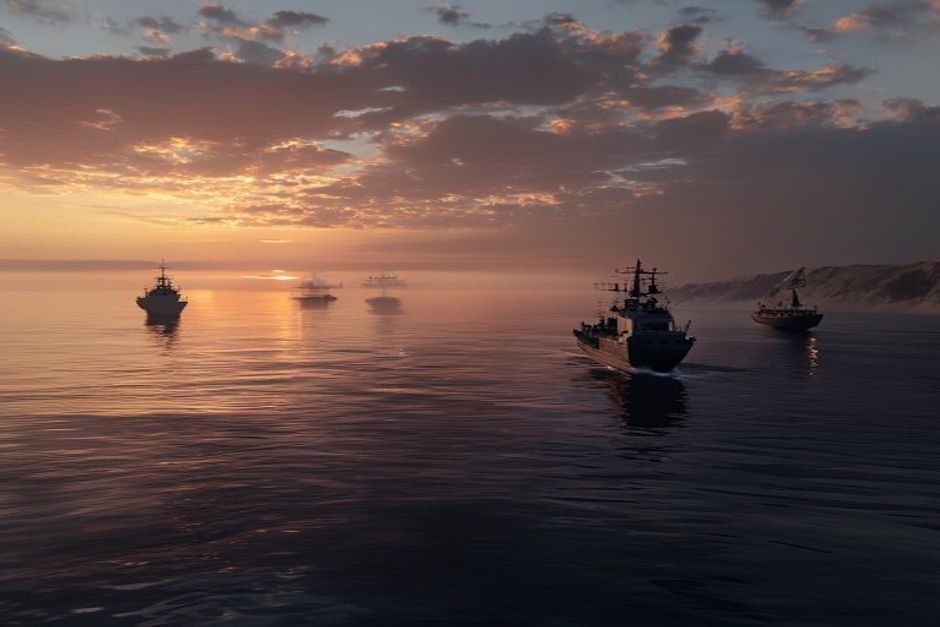
A nascent European initiative to enhance maritime security in the Strait of Hormuz is making waves, potentially carving out a more defined role for the continent in a region critical to global energy supplies. The proposal, spearheaded by Britain and France, aims to establish a European-led maritime surveillance mission, distinct from but complementary to existing US-led efforts. This move seeks to project a more independent European foreign policy stance while addressing legitimate concerns over freedom of navigation and the escalation of tensions in the Persian Gulf.
A Strategic Chokepoint
The Strait of Hormuz, a narrow waterway separating Iran and Oman, is one of the world's most vital shipping lanes. Approximately 20-30% of the world's oil and refined products pass through this chokepoint daily, making its security paramount for the global economy. Recent incidents and heightened rhetoric have underscored the fragility of this strategic passage, prompting international calls for de-escalation and robust safety measures.
Europe's Ambitions
While the United States has historically taken the lead in ensuring security in the Gulf, the current European proposal suggests a desire for a more multilateral approach. By focusing on surveillance, intelligence gathering, and potentially de-escalation dialogues, European powers aim to contribute to stability without direct military confrontation. This strategy allows them to maintain a presence and exert diplomatic influence, appealing to both regional actors and international partners seeking alternatives to heightened US-Iran tensions.
Challenges Ahead
Despite the diplomatic finesse, the plan faces significant hurdles. Iran, for its part, views any foreign military presence near its waters with suspicion and maintains its own strong naval presence in the Strait. Washington, while potentially welcoming any support, still holds considerable sway and often prefers its own unilateral or coalition-based security operations. The success of the European initiative will hinge on its ability to navigate these complex geopolitical currents, secure buy-in from all parties, and demonstrate tangible benefits in ensuring the safe passage of vessels through this critical maritime artery.
होरमुज़ जलडमरूमध्य में समुद्री सुरक्षा बढ़ाने की एक नई यूरोपीय पहल लहरें पैदा कर रही है, जो वैश्विक ऊर्जा आपूर्ति के लिए महत्वपूर्ण इस क्षेत्र में महाद्वीप के लिए एक अधिक परिभाषित भूमिका तैयार कर सकती है। ब्रिटेन और फ्रांस के नेतृत्व में, इस प्रस्ताव का उद्देश्य मौजूदा अमेरिकी नेतृत्व के प्रयासों से अलग, लेकिन पूरक, एक यूरोपीय-नेतृत्व वाली समुद्री निगरानी मिशन स्थापित करना है। यह कदम नेविगेशन की स्वतंत्रता और फारस की खाड़ी में बढ़ते तनावों के बारे में वैध चिंताओं को दूर करते हुए, एक अधिक स्वतंत्र यूरोपीय विदेश नीति की स्थिति को प्रस्तुत करना चाहता है।
एक रणनीतिक चोकपॉइंट
ईरान और ओमान को अलग करने वाला एक संकीर्ण जलमार्ग, होरमुज़ जलडमरूमध्य, दुनिया के सबसे महत्वपूर्ण शिपिंग लेन में से एक है। दुनिया के लगभग 20-30% तेल और परिष्कृत उत्पाद प्रतिदिन इस चोकपॉइंट से गुजरते हैं, जिससे इसकी सुरक्षा वैश्विक अर्थव्यवस्था के लिए सर्वोपरि हो जाती है। हाल की घटनाओं और तीखी बयानबाजी ने इस रणनीतिक मार्ग की नाजुकता को उजागर किया है, जिससे अंतर्राष्ट्रीय स्तर पर तनाव कम करने और मजबूत सुरक्षा उपायों की अपील की गई है।
यूरोप की महत्वाकांक्षाएं
हालांकि संयुक्त राज्य अमेरिका ने ऐतिहासिक रूप से खाड़ी में सुरक्षा सुनिश्चित करने में नेतृत्व की भूमिका निभाई है, वर्तमान यूरोपीय प्रस्ताव बहुपक्षीय दृष्टिकोण की इच्छा का सुझाव देता है। निगरानी, खुफिया जानकारी एकत्र करने और संभावित रूप से तनाव कम करने वाले संवादों पर ध्यान केंद्रित करके, यूरोपीय शक्तियां प्रत्यक्ष सैन्य टकराव के बिना स्थिरता में योगदान करना चाहती हैं। यह रणनीति उन्हें क्षेत्रीय अभिनेताओं और अमेरिकी-ईरान के बढ़ते तनावों के विकल्प चाहने वाले अंतर्राष्ट्रीय भागीदारों दोनों को आकर्षित करते हुए, उपस्थिति बनाए रखने और राजनयिक प्रभाव डालने की अनुमति देती है।
आगे की चुनौतियाँ
कूटनीतिक कुशलता के बावजूद, योजना महत्वपूर्ण बाधाओं का सामना करती है। ईरान, अपनी ओर से, अपने जल क्षेत्र के पास किसी भी विदेशी सैन्य उपस्थिति को संदेह की दृष्टि से देखता है और जलडमरूमध्य में अपनी मजबूत नौसेना उपस्थिति बनाए रखता है। वाशिंगटन, हालांकि किसी भी समर्थन का स्वागत कर सकता है, अभी भी काफी प्रभाव रखता है और अक्सर अपने एकतरफा या गठबंधन-आधारित सुरक्षा संचालन को पसंद करता है। यूरोपीय पहल की सफलता इस बात पर निर्भर करेगी कि वह इन जटिल भू-राजनीतिक धाराओं को कितनी अच्छी तरह नेविगेट कर पाती है, सभी पक्षों से समर्थन हासिल करती है, और इस महत्वपूर्ण समुद्री धमनी के माध्यम से जहाजों की सुरक्षित आवाजाही सुनिश्चित करने में मूर्त लाभ प्रदर्शित करती है।
होरमुझ सामुद्रधुनीमध्ये सागरी सुरक्षा वाढवण्यासाठी एक नवीन युरोपियन पुढाकार चर्चेत आला आहे. यातून जागतिक ऊर्जा पुरवठ्यासाठी महत्त्वपूर्ण असलेल्या या प्रदेशात खंडाला एक विशिष्ट भूमिका मिळू शकते. ब्रिटन आणि फ्रान्सच्या नेतृत्वाखालील या प्रस्तावाचा उद्देश सध्याच्या अमेरिकन-नेतृत्वाखालील प्रयत्नांना पूरक ठरू शकेल असा, युरोपियन-नेतृत्वाखालील सागरी टेहळणी मोहीम स्थापन करणे आहे. या हालचालीमुळे नेव्हिगेशनच्या स्वातंत्र्याच्या आणि पर्शियन आखातीतील वाढत्या तणावाच्या कायदेशीर चिंतांचे निराकरण करताना, युरोपची अधिक स्वतंत्र परराष्ट्र धोरणाची भूमिका दिसून येते.
एक मोक्याची सामुद्रधुनी
इराण आणि ओमान यांना वेगळे करणारा अरुंद जलमार्ग, होरमुझ सामुद्रधुनी, जगातील सर्वात महत्त्वाच्या शिपिंग मार्गांपैकी एक आहे. दररोज जगातील सुमारे 20-30% तेल आणि शुद्ध उत्पादने या मार्गातून जातात, ज्यामुळे जागतिक अर्थव्यवस्थेसाठी तिची सुरक्षा अत्यंत महत्त्वाची आहे. अलीकडील घटना आणि वाढलेल्या तणावामुळे या धोरणात्मक मार्गाची नाजूकता अधोरेखित झाली आहे, ज्यामुळे तणाव कमी करण्यासाठी आणि मजबूत सुरक्षा उपायांसाठी आंतरराष्ट्रीय स्तरावर आवाहन केले जात आहे.
युरोपची महत्त्वाकांक्षा
जरी अमेरिकेने ऐतिहासिकदृष्ट्या आखातीतील सुरक्षा सुनिश्चित करण्यात पुढाकार घेतला असला, तरी सध्याचा युरोपियन प्रस्ताव बहुपक्षीय दृष्टिकोन ठेवण्याची इच्छा दर्शवतो. टेहळणी, गुप्तचर माहिती गोळा करणे आणि संभाव्यतः तणाव कमी करण्याच्या संवादांवर लक्ष केंद्रित करून, युरोपियन देश थेट लष्करी संघर्षाशिवाय स्थिरतेमध्ये योगदान देण्याचा प्रयत्न करत आहेत. ही रणनीती त्यांना प्रादेशिक घटकांना आणि वाढत्या अमेरिकन-इराण तणावाला पर्याय शोधणाऱ्या आंतरराष्ट्रीय भागीदारांना आकर्षित करत, उपस्थिती टिकवून ठेवण्यास आणि राजनैतिक प्रभाव टाकण्यास अनुमती देते.
पुढील आव्हाने
राजकीय चतुराई असूनही, या योजनेसमोरील आव्हाने मोठी आहेत. इराण आपल्या सागरी हद्दीजवळ कोणत्याही परदेशी लष्करी उपस्थितीला संशयाने पाहतो आणि सामुद्रधुनीमध्ये स्वतःची मजबूत नौदल उपस्थिती राखतो. वॉशिंग्टन, जरी कोणत्याही समर्थनाचे स्वागत करू शकत असले तरी, अजूनही महत्त्वपूर्ण प्रभाव ठेवते आणि अनेकदा स्वतःच्या एकतर्फी किंवा युती-आधारित सुरक्षा ऑपरेशन्सला प्राधान्य देते. युरोपियन पुढाकाराचे यश या गुंतागुंतीच्या भू-राजकीय प्रवाहांना नेव्हिगेट करण्याच्या क्षमतेवर, सर्व पक्षांकडून पाठिंबा मिळवण्यावर आणि या महत्त्वपूर्ण सागरी मार्गातून जहाजांची सुरक्षित हालचाल सुनिश्चित करण्यात ठोस फायदे प्रदर्शित करण्यावर अवलंबून असेल.
হরমূজ প্রণালীতে সামুদ্রিক নিরাপত্তা বাড়ানোর জন্য একটি নতুন ইউরোপীয় উদ্যোগ আলোচিত হচ্ছে, যা বিশ্বব্যাপী জ্বালানি সরবরাহের জন্য গুরুত্বপূর্ণ এই অঞ্চলে মহাদেশের জন্য একটি সুনির্দিষ্ট ভূমিকা তৈরি করতে পারে। ব্রিটেন ও ফ্রান্সের নেতৃত্বে এই প্রস্তাবের লক্ষ্য হল বিদ্যমান মার্কিন-নেতৃত্বাধীন প্রচেষ্টার পরিপূরক একটি ইউরোপীয়-নেতৃত্বাধীন সামুদ্রিক নজরদারি মিশন প্রতিষ্ঠা করা। এই পদক্ষেপটি নৌ চলাচলের স্বাধীনতা এবং পারস্য উপসাগরে ক্রমবর্ধমান উত্তেজনা সম্পর্কে বৈধ উদ্বেগগুলির সমাধান করার সময় একটি স্বাধীন ইউরোপীয় পররাষ্ট্র নীতির অবস্থান তুলে ধরতে চাইছে।
একটি কৌশলগত জলপথ
ইরান এবং ওমানকে পৃথককারী একটি সংকীর্ণ জলপথ, হরমূজ প্রণালী, বিশ্বের অন্যতম গুরুত্বপূর্ণ শিপিং রুট। প্রতিদিন বিশ্বের প্রায় ২০-৩০% তেল এবং পরিশোধিত পণ্য এই জলপথ দিয়ে যায়, যা বিশ্ব অর্থনীতির জন্য এর নিরাপত্তাকে অত্যন্ত গুরুত্বপূর্ণ করে তোলে। সাম্প্রতিক ঘটনা এবং উত্তেজনাপূর্ণ মন্তব্য এই কৌশলগত পথের ভঙ্গুরতাকে তুলে ধরেছে, যা উত্তেজনা হ্রাস এবং শক্তিশালী নিরাপত্তা ব্যবস্থার জন্য আন্তর্জাতিক আহ্বান জানিয়েছে।
ইউরোপের উচ্চাকাঙ্ক্ষা
যদিও মার্কিন যুক্তরাষ্ট্র ঐতিহাসিকভাবে উপসাগরে নিরাপত্তা নিশ্চিত করার ক্ষেত্রে নেতৃত্ব দিয়েছে, বর্তমান ইউরোপীয় প্রস্তাব একটি বহুপাক্ষিক পদ্ধতির ইচ্ছা প্রকাশ করে। নজরদারি, গোয়েন্দা তথ্য সংগ্রহ এবং সম্ভাব্য উত্তেজনা হ্রাসকারী আলোচনার উপর মনোযোগ কেন্দ্রীভূত করে, ইউরোপীয় শক্তিগুলি সরাসরি সামরিক সংঘর্ষ ছাড়াই স্থিতিশীলতায় অবদান রাখতে চায়। এই কৌশলটি তাদের আঞ্চলিক অভিনেতাদের এবং মার্কিন-ইরান উত্তেজনার বিকল্প সন্ধানকারী আন্তর্জাতিক অংশীদারদের উভয়কেই আকৃষ্ট করার সাথে সাথে উপস্থিতি বজায় রাখতে এবং কূটনৈতিক প্রভাব বিস্তার করতে দেয়।
সামনের চ্যালেঞ্জ
কূটনৈতিক দক্ষতার পাশাপাশি, এই পরিকল্পনাটি উল্লেখযোগ্য বাধার সম্মুখীন। ইরান, তার নিজের দিক থেকে, তার জলসীমার কাছে যেকোনো বিদেশী সামরিক উপস্থিতিকে সন্দেহের চোখে দেখে এবং প্রণালীতে নিজস্ব শক্তিশালী নৌ উপস্থিতি বজায় রাখে। ওয়াশিংটন, যদিও যেকোনো সমর্থনকে স্বাগত জানাতে পারে, তবুও উল্লেখযোগ্য প্রভাব রাখে এবং প্রায়শই তার নিজস্ব একতরফা বা জোট-ভিত্তিক নিরাপত্তা অপারেশন পছন্দ করে। ইউরোপীয় উদ্যোগের সাফল্য এই জটিল ভূ-রাজনৈতিক স্রোতগুলির মধ্য দিয়ে নেভিগেট করার ক্ষমতা, সমস্ত পক্ষের সমর্থন আদায় করা এবং এই গুরুত্বপূর্ণ সামুদ্রিক পথের মাধ্যমে জাহাজগুলির নিরাপদ চলাচল নিশ্চিত করার ক্ষেত্রে বাস্তব সুবিধাগুলি প্রদর্শনের উপর নির্ভর করবে।
ஹோர்முஸ் ஜலசந்தியில் கடல்சார் பாதுகாப்பை மேம்படுத்துவதற்கான ஒரு புதிய ஐரோப்பிய முயற்சி, உலகளாவிய எரிசக்தி விநியோகத்திற்கு முக்கியமான இப்பகுதியில் கண்டத்திற்கு ஒரு தனித்துவமான பங்களிப்பை வழங்கக்கூடும். பிரிட்டன் மற்றும் பிரான்ஸ் தலைமையிலான இந்த முன்மொழிவின் நோக்கம், தற்போதுள்ள அமெரிக்க தலைமையிலான முயற்சிகளுக்கு இணையாக, ஐரோப்பிய தலைமையிலான கடல்சார் கண்காணிப்புப் பணியை நிறுவுவதாகும். இந்த நடவடிக்கை, சர்வதேச கப்பல் போக்குவரத்தின் சுதந்திரம் மற்றும் பாரசீக வளைகுடாவில் அதிகரித்து வரும் பதட்டங்கள் குறித்த நியாயமான கவலைகளை நிவர்த்தி செய்வதோடு, ஒரு சுயாதீனமான ஐரோப்பிய வெளியுறவுக் கொள்கை நிலையை வெளிப்படுத்த முயல்கிறது.
ஒரு மூலோபாய நெருக்கடி
ஈரான் மற்றும் ஓமானைப் பிரிக்கும் ஒரு குறுகிய நீர்வழித்தடமான ஹோர்முஸ் ஜலசந்தி, உலகின் மிக முக்கியமான கப்பல் பாதைகளில் ஒன்றாகும். உலகளாவிய எண்ணெய் மற்றும் சுத்திகரிக்கப்பட்ட பொருட்களில் சுமார் 20-30% தினசரி இந்த நெருக்கடியான பாதையின் வழியாக செல்கிறது, இது உலகப் பொருளாதாரத்திற்கு அதன் பாதுகாப்பை மிக முக்கியமாக்குகிறது. சமீபத்திய சம்பவங்கள் மற்றும் அதிகரித்து வரும் கருத்துக்கள் இந்த மூலோபாயப் பாதையின் பலவீனத்தை எடுத்துக்காட்டியுள்ளன, இதனால் பதட்டங்களைக் குறைக்கவும் வலுவான பாதுகாப்பு நடவடிக்கைகளை எடுக்கவும் சர்வதேச அளவில் கோரிக்கைகள் எழுந்துள்ளன.
ஐரோப்பாவின் லட்சியங்கள்
அமெரிக்கா வரலாற்று ரீதியாக வளைகுடாவில் பாதுகாப்பை உறுதி செய்வதில் தலைமைப் பாத்திரத்தை வகித்தாலும், தற்போதைய ஐரோப்பிய முன்மொழிவு ஒரு பல்துறை அணுகுமுறையின் விருப்பத்தை சுட்டிக்காட்டுகிறது. கண்காணிப்பு, உளவுத்துறை சேகரிப்பு மற்றும் பதட்டங்களைத் தணிப்பதற்கான உரையாடல்களில் கவனம் செலுத்துவதன் மூலம், ஐரோப்பிய நாடுகள் நேரடி இராணுவ மோதல்கள் இன்றி ஸ்திரத்தன்மைக்கு பங்களிக்க முயல்கின்றன. இந்த உத்தி, பிராந்திய சக்திகள் மற்றும் அமெரிக்க-ஈரான் பதட்டங்களுக்கு மாற்றாக தேடும் சர்வதேச பங்காளிகள் ஆகிய இரு தரப்பினரையும் கவர்ந்திழுத்து, தனது இருப்பைத் தக்கவைக்கவும் இராஜதந்திர செல்வாக்கை செலுத்தவும் அனுமதிக்கிறது.
எதிர்கொள்ளும் சவால்கள்
இராஜதந்திர நிபுணத்துவம் இருந்தபோதிலும், இந்தத் திட்டம் குறிப்பிடத்தக்க தடைகளை எதிர்கொள்கிறது. ஈரான், தனது தரப்பில், தனது கடல் எல்லைக்கு அருகில் எந்தவொரு வெளிநாட்டு இராணுவ இருப்பையும் சந்தேகத்துடன் பார்க்கிறது மற்றும் ஜலசந்தியில் தனது சொந்த வலுவான கடற்படை இருப்பைத் தக்க வைத்துக் கொண்டுள்ளது. வாஷிங்டன், எந்தவொரு ஆதரவையும் வரவேற்க முடிந்தாலும், இன்னும் குறிப்பிடத்தக்க செல்வாக்கைக் கொண்டுள்ளது மற்றும் பெரும்பாலும் தனது சொந்த ஒருதலைப்பட்சமான அல்லது கூட்டணி அடிப்படையிலான பாதுகாப்பு நடவடிக்கைகளை விரும்புகிறது. ஐரோப்பிய முயற்சியின் வெற்றி, இந்த சிக்கலான புவிசார் அரசியல் நீரோட்டங்களை வழிநடத்தும் திறன், அனைத்து தரப்பினரிடமிருந்தும் ஆதரவைப் பெறுதல் மற்றும் இந்த முக்கியமான கடல் பாதையில் கப்பல்களின் பாதுகாப்பான போக்குவரத்தை உறுதி செய்வதில் உறுதியான நன்மைகளை நிரூபித்தல் ஆகியவற்றைப் பொறுத்தது.
హోర్ముజ్ జలసంధిలో సముద్ర భద్రతను పెంచడానికి ఒక నూతన యూరోపియన్ కార్యక్రమం ఆసక్తిని రేకెత్తిస్తోంది. ఇది ప్రపంచ ఇంధన సరఫరాలకు కీలకమైన ఈ ప్రాంతంలో ఖండానికి మరింత నిర్దిష్టమైన పాత్రను కల్పించవచ్చు. బ్రిటన్ మరియు ఫ్రాన్స్ నేతృత్వంలోని ఈ ప్రతిపాదన, ప్రస్తుత అమెరికా నేతృత్వంలోని ప్రయత్నాలకు భిన్నంగా, ఒక యూరోపియన్-నేతృత్వంలోని సముద్ర నిఘా మిషన్ను స్థాపించడమే లక్ష్యంగా పెట్టుకుంది. ఈ చర్య, నౌకాయాన స్వేచ్ఛ మరియు పర్షియన్ గల్ఫ్లో పెరుగుతున్న ఉద్రిక్తతల గురించి చట్టబద్ధమైన ఆందోళనలను పరిష్కరిస్తూ, మరింత స్వతంత్ర యూరోపియన్ విదేశాంగ విధాన వైఖరిని ప్రదర్శించాలని కోరుకుంటుంది.
ఒక వ్యూహాత్మక చొక్ పాయింట్
ఇరాన్ మరియు ఒమన్లను వేరుచేసే ఇరుకైన జలమార్గమైన హోర్ముజ్ జలసంధి, ప్రపంచంలోని అత్యంత ముఖ్యమైన షిప్పింగ్ మార్గాలలో ఒకటి. ప్రపంచంలోని దాదాపు 20-30% చమురు మరియు శుద్ధి చేసిన ఉత్పత్తులు ప్రతిరోజూ ఈ చొక్ పాయింట్ గుండా వెళ్తాయి, ఇది ప్రపంచ ఆర్థిక వ్యవస్థకు దాని భద్రతను అత్యంత కీలకంగా మారుస్తుంది. ఇటీవలి సంఘటనలు మరియు తీవ్రమైన వాక్చాతుర్యం ఈ వ్యూహాత్మక మార్గం యొక్క అస్థిరతను ఎత్తి చూపాయి, దీనితో ఉద్రిక్తతలను తగ్గించడానికి మరియు బలమైన భద్రతా చర్యల కోసం అంతర్జాతీయ పిలుపులు వెలువడ్డాయి.
యూరప్ ఆకాంక్షలు
అమెరికా చారిత్రాత్మకంగా గల్ఫ్లో భద్రతను నిర్ధారించడంలో నాయకత్వ పాత్ర పోషించినప్పటికీ, ప్రస్తుత యూరోపియన్ ప్రతిపాదన బహుపాక్షిక విధానం యొక్క కోరికను సూచిస్తుంది. నిఘా, ఇంటెలిజెన్స్ సేకరణ మరియు సంభావ్య ఉద్రిక్తత తగ్గింపు చర్చలపై దృష్టి సారించడం ద్వారా, యూరోపియన్ శక్తులు ప్రత్యక్ష సైనిక ఘర్షణ లేకుండా స్థిరత్వానికి దోహదం చేయడానికి ప్రయత్నిస్తున్నాయి. ఈ వ్యూహం, ప్రాంతీయ నటులకు మరియు అమెరికా-ఇరాన్ ఉద్రిక్తతలకు ప్రత్యామ్నాయాలను కోరుకునే అంతర్జాతీయ భాగస్వాములకు అప్పీల్ చేస్తూ, ఉనికిని కొనసాగించడానికి మరియు దౌత్య ప్రభావాన్ని చూపడానికి వీలు కల్పిస్తుంది.
ముందున్న సవాళ్లు
దౌత్యపరమైన నైపుణ్యం ఉన్నప్పటికీ, ఈ ప్రణాళిక గణనీయమైన అడ్డంకులను ఎదుర్కొంటుంది. ఇరాన్, తన వంతుగా, తన జలమార్గాల సమీపంలో ఏదైనా విదేశీ సైనిక ఉనికిని అనుమానంతో చూస్తుంది మరియు జలసంధిలో తన స్వంత బలమైన నౌకాదళ ఉనికిని కొనసాగిస్తుంది. వాషింగ్టన్, ఏదైనా మద్దతును స్వాగతించగలిగినప్పటికీ, ఇప్పటికీ గణనీయమైన ప్రభావాన్ని కలిగి ఉంది మరియు తరచుగా తన స్వంత ఏకపక్ష లేదా సంకీర్ణ-ఆధారిత భద్రతా కార్యకలాపాలను ఇష్టపడుతుంది. యూరోపియన్ కార్యక్రమం యొక్క విజయం, ఈ సంక్లిష్ట భౌగోళిక-రాజకీయ ప్రవాహాలను నావిగేట్ చేయడంలో దాని సామర్థ్యం, అన్ని పక్షాల నుండి మద్దతును పొందడం మరియు ఈ కీలకమైన సముద్ర మార్గం గుండా ఓడల సురక్షిత రవాణాను నిర్ధారించడంలో స్పష్టమైన ప్రయోజనాలను ప్రదర్శించడంపై ఆధారపడి ఉంటుంది.
હોરમુઝ સ્ટ્રેટમાં દરિયાઈ સુરક્ષા વધારવા માટેનો એક નવો યુરોપિયન પહેલ ચર્ચા જગાવી રહ્યો છે, જે વૈશ્વિક ઊર્જા પુરવઠા માટે નિર્ણાયક એવા આ ક્ષેત્રમાં ખંડ માટે વધુ સ્પષ્ટ ભૂમિકા નક્કી કરી શકે છે. બ્રિટન અને ફ્રાન્સ દ્વારા સંચાલિત આ પ્રસ્તાવનો હેતુ, હાલના યુએસ-આગેવાની હેઠળના પ્રયાસોથી અલગ, છતાં પૂરક, એક યુરોપિયન-આગેવાની હેઠળની દરિયાઈ સર્વેલન્સ મિશનની સ્થાપના કરવાનો છે. આ પગલું, જહાજોની અવરજવરની સ્વતંત્રતા અને પર્શિયન ગલ્ફમાં વધતા તણાવ અંગેની કાયદેસર ચિંતાઓને સંબોધિત કરતી વખતે, વધુ સ્વતંત્ર યુરોપિયન વિદેશ નીતિની સ્થિતિ રજૂ કરવાનો પ્રયાસ કરે છે.
એક વ્યૂહાત્મક ચૉકપોઇન્ટ
ઈરાન અને ઓમાનને અલગ કરતી સાંકડી જળમાર્ગ, હોરમુઝ સ્ટ્રેટ, વિશ્વના સૌથી મહત્વપૂર્ણ શિપિંગ માર્ગો પૈકી એક છે. વિશ્વના લગભગ 20-30% તેલ અને શુદ્ધ ઉત્પાદનો દરરોજ આ ચૉકપોઇન્ટમાંથી પસાર થાય છે, જે વૈશ્વિક અર્થતંત્ર માટે તેની સુરક્ષાને અત્યંત મહત્વપૂર્ણ બનાવે છે. તાજેતરની ઘટનાઓ અને તીવ્ર નિવેદનોએ આ વ્યૂહાત્મક માર્ગની નાજુકતા પર ભાર મૂક્યો છે, જેના કારણે તણાવ ઘટાડવા અને મજબૂત સુરક્ષા પગલાં લેવા માટે આંતરરાષ્ટ્રીય સ્તરે અપીલો થઈ છે.
યુરોપની મહત્વાકાંક્ષાઓ
જ્યારે યુનાઇટેડ સ્ટેટ્સે ઐતિહાસિક રીતે ગલ્ફમાં સુરક્ષા સુનિશ્ચિત કરવામાં નેતૃત્વની ભૂમિકા ભજવી છે, ત્યારે વર્તમાન યુરોપિયન પ્રસ્તાવ બહુપક્ષીય અભિગમની ઇચ્છા દર્શાવે છે. સર્વેલન્સ, ગુપ્ત માહિતી એકત્રીકરણ અને સંભવિત તણાવ ઘટાડવાના સંવાદો પર ધ્યાન કેન્દ્રિત કરીને, યુરોપિયન શક્તિઓ સીધા લશ્કરી સંઘર્ષ વિના સ્થિરતામાં યોગદાન આપવાનો પ્રયાસ કરી રહી છે. આ વ્યૂહરચના તેમને પ્રાદેશિક અભિનેતાઓ અને યુએસ-ઈરાન તણાવના વિકલ્પો શોધતા આંતરરાષ્ટ્રીય ભાગીદારો બંનેને આકર્ષિત કરતી વખતે, હાજરી જાળવી રાખવા અને રાજદ્વારી પ્રભાવ પાડવાની મંજૂરી આપે છે.
આગળના પડકારો
રાજદ્વારી કુશળતા હોવા છતાં, આ યોજના નોંધપાત્ર અવરોધોનો સામનો કરે છે. ઈરાન, તેના ભાગ રૂપે, તેના જળમાર્ગો નજીક કોઈપણ વિદેશી લશ્કરી હાજરીને શંકાની નજરે જુએ છે અને સ્ટ્રેટમાં પોતાની મજબૂત નૌકાદળની હાજરી જાળવી રાખે છે. વોશિંગ્ટન, કોઈપણ સમર્થનનું સ્વાગત કરી શકે છે, તેમ છતાં નોંધપાત્ર પ્રભાવ ધરાવે છે અને ઘણીવાર તેના પોતાના એકપક્ષીય અથવા ગઠબંધન-આધારિત સુરક્ષા ઓપરેશન્સને પસંદ કરે છે. યુરોપિયન પહેલની સફળતા આ જટિલ ભૂ-રાજકીય પ્રવાહોને નેવિગેટ કરવાની તેની ક્ષમતા, તમામ પક્ષો પાસેથી સમર્થન મેળવવાની અને આ મહત્વપૂર્ણ દરિયાઈ માર્ગ દ્વારા જહાજોની સુરક્ષિત અવરજવર સુનિશ્ચિત કરવામાં નક્કર લાભો દર્શાવવા પર નિર્ભર રહેશે.
ਹੋਰਮੁਜ਼ ਦੇ ਜਲਡਮਰੂ ਵਿੱਚ ਸਮੁੰਦਰੀ ਸੁਰੱਖਿਆ ਵਧਾਉਣ ਦੀ ਇੱਕ ਨਵੀਂ ਯੂਰਪੀਅਨ ਪਹਿਲ ਕਾਰਨ ਚਰਚਾ ਹੋ ਰਹੀ ਹੈ, ਜੋ ਕਿ ਗਲੋਬਲ ਊਰਜਾ ਸਪਲਾਈ ਲਈ ਮਹੱਤਵਪੂਰਨ ਇਸ ਖੇਤਰ ਵਿੱਚ ਮਹਾਂਦੀਪ ਲਈ ਇੱਕ ਵਧੇਰੇ ਪਰਿਭਾਸ਼ਿਤ ਭੂਮਿਕਾ ਨਿਭਾ ਸਕਦੀ ਹੈ। ਬ੍ਰਿਟੇਨ ਅਤੇ ਫਰਾਂਸ ਦੀ ਅਗਵਾਈ ਹੇਠ, ਇਸ ਪ੍ਰਸਤਾਵ ਦਾ ਉਦੇਸ਼ ਮੌਜੂਦਾ ਅਮਰੀਕੀ-ਅਗਵਾਈ ਵਾਲੇ ਯਤਨਾਂ ਤੋਂ ਵੱਖਰਾ, ਪਰ ਪੂਰਕ, ਇੱਕ ਯੂਰਪੀਅਨ-ਅਗਵਾਈ ਵਾਲਾ ਸਮੁੰਦਰੀ ਨਿਗਰਾਨੀ ਮਿਸ਼ਨ ਸਥਾਪਿਤ ਕਰਨਾ ਹੈ। ਇਹ ਕਦਮ, ਨੇਵੀਗੇਸ਼ਨ ਦੀ ਆਜ਼ਾਦੀ ਅਤੇ ਫਾਰਸੀ ਖਾੜੀ ਵਿੱਚ ਵਧ ਰਹੇ ਤਣਾਅ ਬਾਰੇ ਜਾਇਜ਼ ਚਿੰਤਾਵਾਂ ਨੂੰ ਦੂਰ ਕਰਦੇ ਹੋਏ, ਇੱਕ ਵਧੇਰੇ ਸੁਤੰਤਰ ਯੂਰਪੀਅਨ ਵਿਦੇਸ਼ ਨੀਤੀ ਸਟੈਂਸ ਪੇਸ਼ ਕਰਨ ਦੀ ਕੋਸ਼ਿਸ਼ ਕਰਦਾ ਹੈ।
ਇੱਕ ਰਣਨੀਤਕ ਚੌਕ ਪੁਆਇੰਟ
ਇਰਾਨ ਅਤੇ ਓਮਾਨ ਨੂੰ ਵੱਖ ਕਰਨ ਵਾਲਾ ਇੱਕ ਤੰਗ ਜਲਮਾਰਗ, ਹੋਰਮੁਜ਼ ਦਾ ਜਲਡਮਰੂ, ਦੁਨੀਆ ਦੇ ਸਭ ਤੋਂ ਮਹੱਤਵਪੂਰਨ ਸ਼ਿਪਿੰਗ ਮਾਰਗਾਂ ਵਿੱਚੋਂ ਇੱਕ ਹੈ। ਦੁਨੀਆ ਦੇ ਲਗਭਗ 20-30% ਤੇਲ ਅਤੇ ਰਿਫਾਈਨਡ ਉਤਪਾਦ ਰੋਜ਼ਾਨਾ ਇਸ ਚੌਕ ਪੁਆਇੰਟ ਤੋਂ ਲੰਘਦੇ ਹਨ, ਜਿਸ ਨਾਲ ਗਲੋਬਲ ਆਰਥਿਕਤਾ ਲਈ ਇਸਦੀ ਸੁਰੱਖਿਆ ਸਭ ਤੋਂ ਮਹੱਤਵਪੂਰਨ ਬਣ ਜਾਂਦੀ ਹੈ। ਹਾਲੀਆ ਘਟਨਾਵਾਂ ਅਤੇ ਸਖ਼ਤ ਬਿਆਨਬਾਜ਼ੀ ਨੇ ਇਸ ਰਣਨੀਤਕ ਮਾਰਗ ਦੀ ਕਮਜ਼ੋਰੀ ਨੂੰ ਉਜਾਗਰ ਕੀਤਾ ਹੈ, ਜਿਸ ਨਾਲ ਤਣਾਅ ਘਟਾਉਣ ਅਤੇ ਮਜ਼ਬੂਤ ਸੁਰੱਖਿਆ ਉਪਾਵਾਂ ਲਈ ਅੰਤਰਰਾਸ਼ਟਰੀ ਅਪੀਲਾਂ ਹੋਈਆਂ ਹਨ।
ਯੂਰਪ ਦੀਆਂ ਇੱਛਾਵਾਂ
ਜਦੋਂ ਕਿ ਸੰਯੁਕਤ ਰਾਜ ਅਮਰੀਕਾ ਨੇ ਇਤਿਹਾਸਕ ਤੌਰ 'ਤੇ ਖਾੜੀ ਵਿੱਚ ਸੁਰੱਖਿਆ ਯਕੀਨੀ ਬਣਾਉਣ ਵਿੱਚ ਅਗਵਾਈ ਕੀਤੀ ਹੈ, ਮੌਜੂਦਾ ਯੂਰਪੀਅਨ ਪ੍ਰਸਤਾਵ ਇੱਕ ਬਹੁਪੱਖੀ ਪਹੁੰਚ ਦੀ ਇੱਛਾ ਦਰਸਾਉਂਦਾ ਹੈ। ਨਿਗਰਾਨੀ, ਖੁਫੀਆ ਜਾਣਕਾਰੀ ਇਕੱਠੀ ਕਰਨ ਅਤੇ ਸੰਭਾਵੀ ਤਣਾਅ ਘਟਾਉਣ ਲਈ ਗੱਲਬਾਤ 'ਤੇ ਧਿਆਨ ਕੇਂਦਰਿਤ ਕਰਕੇ, ਯੂਰਪੀਅਨ ਸ਼ਕਤੀਆਂ ਸਿੱਧੇ ਫੌਜੀ ਟਕਰਾਅ ਤੋਂ ਬਿਨਾਂ ਸਥਿਰਤਾ ਵਿੱਚ ਯੋਗਦਾਨ ਪਾਉਣ ਦੀ ਕੋਸ਼ਿਸ਼ ਕਰ ਰਹੀਆਂ ਹਨ। ਇਹ ਰਣਨੀਤੀ ਉਨ੍ਹਾਂ ਨੂੰ ਖੇਤਰੀ ਅਦਾਕਾਰਾਂ ਅਤੇ ਅਮਰੀਕੀ-ਈਰਾਨ ਤਣਾਅ ਦੇ ਬਦਲ ਦੀ ਮੰਗ ਕਰਨ ਵਾਲੇ ਅੰਤਰਰਾਸ਼ਟਰੀ ਭਾਈਵਾਲਾਂ, ਦੋਵਾਂ ਨੂੰ ਆਕਰਸ਼ਿਤ ਕਰਦੇ ਹੋਏ, ਮੌਜੂਦਗੀ ਬਣਾਈ ਰੱਖਣ ਅਤੇ ਰਾਜਨੀਤਿਕ ਪ੍ਰਭਾਵ ਪਾਉਣ ਦੀ ਆਗਿਆ ਦਿੰਦੀ ਹੈ।
ਅੱਗੇ ਚੁਣੌਤੀਆਂ
ਰਾਜਨੀਤਿਕ ਚਤੁਰਾਈ ਦੇ ਬਾਵਜੂਦ, ਇਸ ਯੋਜਨਾ ਨੂੰ ਮਹੱਤਵਪੂਰਨ ਰੁਕਾਵਟਾਂ ਦਾ ਸਾਹਮਣਾ ਕਰਨਾ ਪੈਂਦਾ ਹੈ। ਈਰਾਨ, ਆਪਣੀ ਪਾਰੀ 'ਤੇ, ਆਪਣੇ ਜਲਮਾਰਗਾਂ ਦੇ ਨੇੜੇ ਕਿਸੇ ਵੀ ਵਿਦੇਸ਼ੀ ਫੌਜੀ ਮੌਜੂਦਗੀ ਨੂੰ ਸ਼ੱਕ ਨਾਲ ਦੇਖਦਾ ਹੈ ਅਤੇ ਜਲਡਮਰੂ ਵਿੱਚ ਆਪਣੀ ਮਜ਼ਬੂਤ ਜਲ ਸੈਨਾ ਦੀ ਮੌਜੂਦਗੀ ਬਣਾਈ ਰੱਖਦਾ ਹੈ। ਵਾਸ਼ਿੰਗਟਨ, ਕਿਸੇ ਵੀ ਸਮਰਥਨ ਦਾ ਸਵਾਗਤ ਕਰ ਸਕਦਾ ਹੈ, ਫਿਰ ਵੀ ਕਾਫ਼ੀ ਪ੍ਰਭਾਵ ਰੱਖਦਾ ਹੈ ਅਤੇ ਅਕਸਰ ਆਪਣੇ ਇੱਕਪਾਸੜ ਜਾਂ ਗੱਠਜੋੜ-ਆਧਾਰਿਤ ਸੁਰੱਖਿਆ ਕਾਰਜਾਂ ਨੂੰ ਤਰਜੀਹ ਦਿੰਦਾ ਹੈ। ਯੂਰਪੀਅਨ ਪਹਿਲ ਦੀ ਸਫਲਤਾ ਇਨ੍ਹਾਂ ਗੁੰਝਲਦਾਰ ਭੂ-ਰਾਜਨੀਤਿਕ ਧਾਰਾਵਾਂ ਨੂੰ ਨੈਵੀਗੇਟ ਕਰਨ ਦੀ ਇਸਦੀ ਯੋਗਤਾ, ਸਾਰੇ ਪੱਖਾਂ ਤੋਂ ਸਮਰਥਨ ਪ੍ਰਾਪਤ ਕਰਨ ਅਤੇ ਇਸ ਮਹੱਤਵਪੂਰਨ ਸਮੁੰਦਰੀ ਮਾਰਗ ਰਾਹੀਂ ਜਹਾਜ਼ਾਂ ਦੀ ਸੁਰੱਖਿਅਤ ਆਵਾਜਾਈ ਨੂੰ ਯਕੀਨੀ ਬਣਾਉਣ ਵਿੱਚ ਠੋਸ ਲਾਭਾਂ ਨੂੰ ਪ੍ਰਦਰਸ਼ਿਤ ਕਰਨ 'ਤੇ ਨਿਰਭਰ ਕਰੇਗੀ।

💬 Comments