Breaking News
ताज़ा खबर
ताजी बातमी
সর্বশেষ সংবাদ
சமீபத்திய செய்தி
తాజా వార్త
તાજા સમાચાર
ਤਾਜ਼ਾ ਖ਼ਬਰ
Gulf States Rethink Security Amid US-Iran Strait Standoff
अमेरिका-ईरान तनाव के बीच खाड़ी देश सुरक्षा रणनीति पर कर रहे पुनर्विचार
अमेरिका-इराण तणावामुळे आखाती राष्ट्रे सुरक्षा धोरणांचा फेरविचार करत आहेत
যুক্তরাষ্ট্র-ইরান সংঘাতের মধ্যে উপসাগরীয় দেশগুলো নিরাপত্তা কৌশল পুনর্বিবেচনা করছে
அமெரிக்கா-ஈரான் மோதலுக்கு மத்தியில் வளைகுடா நாடுகள் பாதுகாப்பு உத்தியை மறுபரிசீலனை செய்கின்றன
అమెరికా-ఇరాన్ ఘర్షణల మధ్య గల్ఫ్ దేశాలు భద్రతా వ్యూహాన్ని పునరాలోచిస్తున్నాయి
અમેરિકા-ઈરાન સંઘર્ષ વચ્ચે ખાડી દેશો સુરક્ષા વ્યૂહરચના પર પુનર્વિચાર કરી રહ્યા છે
ਅਮਰੀਕਾ-ਈਰਾਨ ਟਕਰਾਅ ਦਰਮਿਆਨ ਖਾੜੀ ਦੇਸ਼ ਸੁਰੱਖਿਆ ਰਣਨੀਤੀ 'ਤੇ ਮੁੜ ਵਿਚਾਰ ਕਰ ਰਹੇ ਹਨ
By AI News Desk
🕐 15 July 2026, 03:23 PM
🌍 World
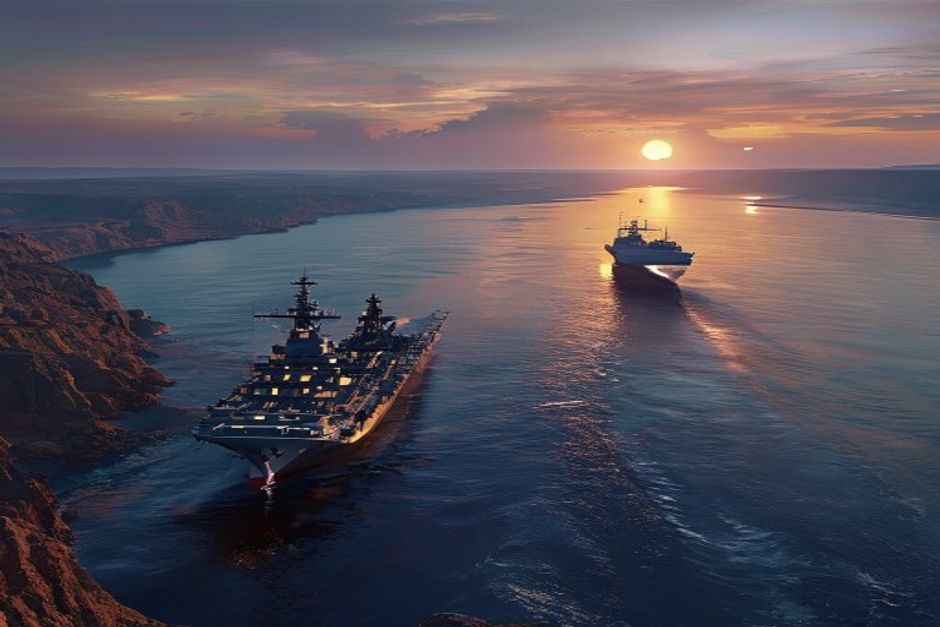
The escalating confrontation between the United States and Iran is forcing Gulf states to fundamentally rethink their security strategies, according to Zeidon Alkinani, founding director of Arab Perspectives Institute and a non-resident fellow at the Middle East Council on Global Affairs. Speaking to Al Jazeera, Alkinani highlighted how the Strait of Hormuz, a critical global chokepoint for oil shipments, has transformed into a volatile battleground of prestige and pressure, putting immense strain on regional stability.
For decades, many Gulf Cooperation Council (GCC) members have largely relied on the United States for their security umbrellas, particularly against perceived threats from Iran. However, the increasing frequency and intensity of naval incidents, drone attacks, and rhetoric in the Arabian Gulf and surrounding waters suggest a dangerous shift. The Strait of Hormuz, through which a significant portion of the world's oil supply passes, has become the focal point of this tension. Any disruption in this vital waterway would have catastrophic consequences not only for regional economies but for global energy markets.
This evolving dynamic presents a complex challenge for Gulf nations. They find themselves caught between two powerful entities, each asserting its influence in a region vital to global energy security. The traditional security paradigm, where US presence was a clear deterrent, is now being questioned as the risks of proxy conflicts and direct confrontations mount. The "prestige and pressure" Alkinani refers to encapsulates the delicate balance GCC states must strike: maintaining sovereign integrity while navigating the demands of a superpower ally and a powerful regional neighbor.
The Imperative for Strategic Adaptation
The strategic rethink among Gulf states is not merely theoretical; it's a practical necessity. This involves several critical components. Firstly, there's a growing emphasis on enhancing indigenous defense capabilities and diversifying military partnerships. Secondly, diplomatic engagement and de-escalation efforts, even with Iran, are becoming increasingly vital to prevent an all-out conflict. Saudi Arabia and Iran's recent rapprochement, brokered by China, serves as a testament to this shifting approach, signaling a desire for regional solutions to regional problems.
Furthermore, the economic implications of sustained instability or direct conflict are dire. Foreign investment could falter, trade routes could be jeopardized, and the livelihoods of millions could be impacted. Therefore, the security strategy must also encompass economic resilience and measures to mitigate potential shocks. The current geopolitical climate demands agility and a nuanced understanding of regional power dynamics. Gulf states are no longer passive observers but active players, compelled to forge a new path that safeguards their interests amidst an increasingly uncertain geopolitical landscape.
अरब परस्पेक्टिव्स इंस्टीट्यूट के संस्थापक निदेशक और मिडिल ईस्ट काउंसिल ऑन ग्लोबल अफेयर्स में एक गैर-निवासी फेलो, ज़ेडन अल्किनानी के अनुसार, संयुक्त राज्य अमेरिका और ईरान के बीच बढ़ते टकराव के कारण खाड़ी देशों को अपनी सुरक्षा रणनीतियों पर मौलिक रूप से फिर से विचार करने के लिए मजबूर होना पड़ रहा है। अल जज़ीरा से बात करते हुए, अल्किनानी ने इस बात पर प्रकाश डाला कि कैसे होर्मुज़ जलडमरूमध्य, तेल शिपमेंट के लिए एक महत्वपूर्ण वैश्विक चोकपॉइंट, प्रतिष्ठा और दबाव के एक अस्थिर युद्धक्षेत्र में बदल गया है, जिससे क्षेत्रीय स्थिरता पर भारी दबाव पड़ रहा है।
दशकों से, कई खाड़ी सहयोग परिषद (जीसीसी) के सदस्य देशों ने मुख्य रूप से ईरान से संभावित खतरों के खिलाफ अपनी सुरक्षा के लिए संयुक्त राज्य अमेरिका पर भरोसा किया है। हालांकि, अरब खाड़ी और आसपास के पानी में नौसैनिक घटनाओं, ड्रोन हमलों और बयानबाजी की बढ़ती आवृत्ति और तीव्रता एक खतरनाक बदलाव का संकेत देती है। होर्मुज़ जलडमरूमध्य, जिसके माध्यम से दुनिया की तेल आपूर्ति का एक महत्वपूर्ण हिस्सा गुजरता है, इस तनाव का केंद्र बिंदु बन गया है। इस महत्वपूर्ण जलमार्ग में किसी भी व्यवधान के क्षेत्रीय अर्थव्यवस्थाओं के साथ-साथ वैश्विक ऊर्जा बाजारों के लिए भी विनाशकारी परिणाम होंगे।
यह विकसित गतिशीलता खाड़ी देशों के लिए एक जटिल चुनौती प्रस्तुत करती है। वे खुद को दो शक्तिशाली संस्थाओं के बीच फंसा हुआ पाते हैं, जिनमें से प्रत्येक वैश्विक ऊर्जा सुरक्षा के लिए महत्वपूर्ण क्षेत्र में अपना प्रभाव स्थापित कर रही है। पारंपरिक सुरक्षा प्रतिमान, जहां अमेरिकी उपस्थिति एक स्पष्ट निवारक थी, अब सवालों के घेरे में है क्योंकि प्रॉक्सी संघर्षों और सीधे टकराव का खतरा बढ़ रहा है। "प्रतिष्ठा और दबाव" जिसका अल्किनानी उल्लेख करते हैं, वह नाजुक संतुलन दर्शाता है जिसे जीसीसी राज्यों को बनाना होगा: संप्रभु अखंडता बनाए रखना जबकि एक महाशक्ति सहयोगी और एक शक्तिशाली क्षेत्रीय पड़ोसी की मांगों को पूरा करना।
रणनीतिक अनुकूलन की अनिवार्यता
खाड़ी देशों के बीच रणनीतिक पुनर्विचार केवल सैद्धांतिक नहीं है; यह एक व्यावहारिक आवश्यकता है। इसमें कई महत्वपूर्ण घटक शामिल हैं। सबसे पहले, स्वदेशी रक्षा क्षमताओं को बढ़ाने और केवल अमेरिका से परे सैन्य साझेदारियों में विविधता लाने पर जोर दिया जा रहा है। दूसरे, ईरान के साथ भी राजनयिक जुड़ाव और तनाव कम करने के प्रयास, एक पूर्ण संघर्ष को रोकने के लिए तेजी से महत्वपूर्ण होते जा रहे हैं। चीन द्वारा मध्यस्थता की गई सऊदी अरब और ईरान की हालिया सुलह, इस बदलते दृष्टिकोण का एक प्रमाण है, जो क्षेत्रीय समस्याओं के लिए क्षेत्रीय समाधानों की इच्छा का संकेत देती है।
इसके अलावा, निरंतर अस्थिरता या सीधे संघर्ष के आर्थिक निहितार्थ गंभीर हैं। विदेशी निवेश डगमगा सकता है, व्यापार मार्ग खतरे में पड़ सकते हैं, और लाखों लोगों की आजीविका प्रभावित हो सकती है। इसलिए, सुरक्षा रणनीति में आर्थिक लचीलापन और संभावित झटकों को कम करने के उपाय भी शामिल होने चाहिए। वर्तमान भू-राजनीतिक माहौल चपलता और क्षेत्रीय शक्ति गतिशीलता की सूक्ष्म समझ की मांग करता है। खाड़ी देश अब निष्क्रिय पर्यवेक्षक नहीं हैं, बल्कि सक्रिय खिलाड़ी हैं, जो एक तेजी से अनिश्चित भू-राजनीतिक परिदृश्य के बीच अपने हितों की रक्षा के लिए एक नया मार्ग बनाने के लिए मजबूर हैं।
अरब परस्पेक्टिव्ह इन्स्टिट्यूटचे संस्थापक संचालक आणि मिडल ईस्ट कौन्सिल ऑन ग्लोबल अफेयर्सचे अनिवासी फेलो झेडन अल्किनानी यांच्या मते, अमेरिका आणि इराण यांच्यातील वाढत्या संघर्षामुळे आखाती राष्ट्रांना त्यांच्या सुरक्षा धोरणांचा नव्याने विचार करण्यास भाग पाडले जात आहे. अल जझीराशी बोलताना, अल्किनानी यांनी यावर भर दिला की, तेलाच्या वाहतुकीसाठी एक महत्त्वाचा जागतिक अडथळा असलेला होर्मुझची सामुद्रधुनी, आता प्रतिष्ठा आणि दबावाचे अस्थिर रणांगण बनले आहे, ज्यामुळे प्रादेशिक स्थैर्यावर प्रचंड ताण येत आहे.
दशकांपासून, अनेक आखाती सहकार्य परिषद (जीसीसी) सदस्य देशांनी, विशेषतः इराणकडून संभाव्य धोक्यांपासून आपल्या सुरक्षेसाठी मोठ्या प्रमाणावर अमेरिकेवर अवलंबून राहणे पसंत केले आहे. तथापि, अरबी आखात आणि आसपासच्या पाण्यात नौदल घटना, ड्रोन हल्ले आणि वक्तृत्वाची वाढती वारंवारता आणि तीव्रता एका धोकादायक बदलाचे संकेत देते. होर्मुझची सामुद्रधुनी, ज्यातून जगातील तेलाचा मोठा भाग जातो, हा तणावाचा केंद्रबिंदू बनला आहे. या महत्त्वपूर्ण जलमार्गात कोणताही व्यत्यय केवळ प्रादेशिक अर्थव्यवस्थांसाठीच नव्हे, तर जागतिक ऊर्जा बाजारांसाठीही विनाशकारी परिणाम घडवेल.
ही विकसनशील गतिशीलता आखाती राष्ट्रांसाठी एक गुंतागुंतीचे आव्हान उभे करते. ते स्वतःला दोन शक्तिशाली घटकांच्या मध्ये सापडलेले आहेत, प्रत्येक जागतिक ऊर्जा सुरक्षेसाठी महत्त्वपूर्ण असलेल्या प्रदेशात आपला प्रभाव दाखवत आहे. पारंपारिक सुरक्षा प्रतिमान, जिथे अमेरिकेची उपस्थिती स्पष्ट प्रतिबंधक होती, आता प्रश्नचिन्हात आहे, कारण छद्मयुद्धांचा आणि थेट संघर्षाचा धोका वाढत आहे. अल्किनानी ज्या "प्रतिष्ठा आणि दबावाचा" उल्लेख करतात, ते जीसीसी राज्यांनी साधलेला नाजूक समतोल दर्शवतो: सार्वभौम अखंडता राखणे आणि एका महासत्ता मित्र आणि शक्तिशाली प्रादेशिक शेजाऱ्याच्या मागण्यांवर योग्य प्रतिसाद देणे.
सामरिक अनुकूलतेची गरज
आखाती राष्ट्रांमधील सामरिक फेरविचार केवळ सैद्धांतिक नाही; ती एक व्यावहारिक गरज आहे. यामध्ये अनेक गंभीर घटक समाविष्ट आहेत. प्रथम, स्वदेशी संरक्षण क्षमता वाढवण्यावर आणि केवळ अमेरिकेच्या पलीकडे लष्करी भागीदारीमध्ये विविधता आणण्यावर वाढता भर दिला जात आहे. दुसरे म्हणजे, इराणसोबतही राजनैतिक सहभाग आणि तणाव कमी करण्याचे प्रयत्न, सर्वव्यापी संघर्ष टाळण्यासाठी अधिकाधिक महत्त्वपूर्ण ठरत आहेत. चीनच्या मध्यस्थीने झालेले सौदी अरेबिया आणि इराणमधील अलीकडील सलोखा या बदलत्या दृष्टिकोनाची साक्ष देतो, जो प्रादेशिक समस्यांसाठी प्रादेशिक उपायांची इच्छा दर्शवतो।
याव्यतिरिक्त, सततची अस्थिरता किंवा थेट संघर्षाचे आर्थिक परिणाम गंभीर आहेत. परकीय गुंतवणूक डगमगू शकते, व्यापारी मार्ग धोक्यात येऊ शकतात आणि लाखो लोकांच्या उपजीविकेवर परिणाम होऊ शकतो. म्हणूनच, सुरक्षा धोरणामध्ये आर्थिक लवचिकता आणि संभाव्य धक्के कमी करण्यासाठी उपाययोजनांचाही समावेश असावा. सद्य भू-राजकीय वातावरण चपळता आणि प्रादेशिक सत्ता गतिमानतेची सूक्ष्म समज मागते. आखाती राष्ट्रे आता निष्क्रिय निरीक्षक राहिलेली नाहीत, तर सक्रिय खेळाडू आहेत, जे वाढत्या अनिश्चित भू-राजकीय परिस्थितीत त्यांच्या हितांचे रक्षण करण्यासाठी एक नवीन मार्ग तयार करण्यास बाध्य आहेत।
আরব পার্সপেক্টিভস ইনস্টিটিউটের প্রতিষ্ঠাতা পরিচালক এবং মিডল ইস্ট কাউন্সিল অন গ্লোবাল অ্যাফেয়ার্সের অনাবাসী ফেলো জেইদন আলকিনানির মতে, যুক্তরাষ্ট্র ও ইরানের মধ্যে ক্রমবর্ধমান সংঘাত উপসাগরীয় দেশগুলোকে তাদের নিরাপত্তা কৌশল মৌলিকভাবে পুনর্বিবেচনা করতে বাধ্য করছে। আল জাজিরাকে দেওয়া এক সাক্ষাৎকারে আলকিনানি জোর দিয়ে বলেন যে, তেলের চালানের জন্য একটি গুরুত্বপূর্ণ বৈশ্বিক জলপথ, হরমুজ প্রণালী এখন প্রতিপত্তি ও চাপের এক অস্থির রণক্ষেত্রে পরিণত হয়েছে, যা আঞ্চলিক স্থিতিশীলতার উপর énorme চাপ সৃষ্টি করছে।
কয়েক দশক ধরে, উপসাগরীয় সহযোগিতা পরিষদ (জিসিসি) এর অনেক সদস্য দেশ, বিশেষ করে ইরানের কাছ থেকে সম্ভাব্য হুমকির বিরুদ্ধে তাদের নিরাপত্তার জন্য মূলত যুক্তরাষ্ট্রের ওপর নির্ভর করে আসছে। তবে, আরব উপসাগর এবং আশেপাশের জলসীমায় নৌবাহিনীর ঘটনা, ড্রোন হামলা এবং বাগাড়ম্বরের ক্রমবর্ধমান ফ্রিকোয়েন্সি ও তীব্রতা একটি বিপজ্জনক পরিবর্তনের ইঙ্গিত দেয়। হরমুজ প্রণালী, যার মধ্য দিয়ে বিশ্বের তেল সরবরাহের একটি উল্লেখযোগ্য অংশ প্রবাহিত হয়, এই উত্তেজনার কেন্দ্রবিন্দুতে পরিণত হয়েছে। এই গুরুত্বপূর্ণ জলপথে যেকোনো ধরনের ব্যাঘাত কেবল আঞ্চলিক অর্থনীতির জন্যই নয়, বিশ্বব্যাপী জ্বালানি বাজারের জন্যও বিপর্যয়কর পরিণতি ডেকে আনবে।
এই পরিবর্তনশীল গতিশীলতা উপসাগরীয় দেশগুলোর জন্য একটি জটিল চ্যালেঞ্জ তৈরি করে। তারা নিজেদের দুটি শক্তিশালী সত্তার মধ্যে আটকে পড়েছেন, যাদের প্রত্যেকেই বিশ্বব্যাপী জ্বালানি নিরাপত্তার জন্য গুরুত্বপূর্ণ একটি অঞ্চলে তাদের প্রভাব জাহির করছে। ঐতিহ্যবাহী নিরাপত্তা প্রতিমান, যেখানে যুক্তরাষ্ট্রের উপস্থিতি একটি স্পষ্ট প্রতিরোধক ছিল, এখন প্রশ্নবিদ্ধ হচ্ছে কারণ প্রক্সি যুদ্ধ এবং সরাসরি সংঘাতের ঝুঁকি বাড়ছে। আলকিনানি যে "প্রতিপত্তি ও চাপ"-এর কথা উল্লেখ করেছেন, তা জিসিসি রাষ্ট্রগুলোকে যে সূক্ষ্ম ভারসাম্য বজায় রাখতে হবে তা নির্দেশ করে: একটি পরাশক্তি মিত্র এবং একটি শক্তিশালী আঞ্চলিক প্রতিবেশীর চাহিদা পূরণের পাশাপাশি সার্বভৌম অখণ্ডতা বজায় রাখা।
কৌশলগত অভিযোজনের অপরিহার্যতা
উপসাগরীয় দেশগুলোর মধ্যে কৌশলগত পুনর্বিবেচনা কেবল তাত্ত্বিক নয়; এটি একটি ব্যবহারিক প্রয়োজনীয়তা। এর মধ্যে কয়েকটি গুরুত্বপূর্ণ উপাদান রয়েছে। প্রথমত, স্থানীয় প্রতিরক্ষা ক্ষমতা বৃদ্ধি এবং শুধুমাত্র যুক্তরাষ্ট্রের বাইরে সামরিক অংশীদারিত্বে বৈচিত্র্য আনার উপর ক্রমবর্ধমান জোর দেওয়া হচ্ছে। দ্বিতীয়ত, একটি সর্বাত্মক সংঘাত এড়াতে ইরান সহ কূটনৈতিক সম্পৃক্ততা এবং উত্তেজনা কমানোর প্রচেষ্টা ক্রমশ গুরুত্বপূর্ণ হয়ে উঠছে। চীনের মধ্যস্থতায় সৌদি আরব ও ইরানের সাম্প্রতিক সমঝোতা এই পরিবর্তিত পদ্ধতির একটি প্রমাণ, যা আঞ্চলিক সমস্যাগুলির জন্য আঞ্চলিক সমাধানের আকাঙ্ক্ষার ইঙ্গিত দেয়।
এছাড়াও, দীর্ঘস্থায়ী অস্থিতিশীলতা বা সরাসরি সংঘাতের অর্থনৈতিক প্রভাব গুরুতর। বিদেশী বিনিয়োগ কমে যেতে পারে, বাণিজ্য পথ jeopardized হতে পারে এবং লক্ষ লক্ষ মানুষের জীবিকা প্রভাবিত হতে পারে। তাই, নিরাপত্তা কৌশলে অর্থনৈতিক স্থিতিস্থাপকতা এবং সম্ভাব্য ধাক্কা কমাতে ব্যবস্থা অন্তর্ভুক্ত থাকতে হবে। বর্তমান ভূ-রাজনৈতিক পরিস্থিতি চটপটে এবং আঞ্চলিক ক্ষমতা গতিশীলতার একটি সূক্ষ্ম বোঝার দাবি করে। উপসাগরীয় রাষ্ট্রগুলি এখন নিছক দর্শক নয় বরং সক্রিয় খেলোয়াড়, যারা ক্রমবর্ধমান অনিশ্চিত ভূ-রাজনৈতিক পরিস্থিতিতে তাদের স্বার্থ রক্ষার জন্য একটি নতুন পথ তৈরি করতে বাধ্য।
அரபு பர்ஸ்பெக்டிவ்ஸ் இன்ஸ்டிடியூட்டின் நிறுவன இயக்குநரும், மத்திய கிழக்கு உலகளாவிய விவகாரங்கள் கவுன்சிலின் (Middle East Council on Global Affairs) குடியுரிமை இல்லாத உறுப்பினருமான ஸெய்டன் அல்கினானி கூற்றுப்படி, அமெரிக்காவுக்கும் ஈரானுக்கும் இடையிலான மோதல்கள் தீவிரமடைந்து வருவதால், வளைகுடா நாடுகள் தங்கள் பாதுகாப்பு உத்திகளை அடிப்படை ரீதியாக மறுபரிசீலனை செய்ய வேண்டிய கட்டாயத்தில் உள்ளன. அல் ஜசீராவிற்கு அளித்த பேட்டியில், அல்கினானி, உலகளாவிய எண்ணெய் ஏற்றுமதிக்கு ஒரு முக்கிய மையமாக இருக்கும் ஹோர்முஸ் ஜலசந்தி, தற்போது மதிப்பு மற்றும் அழுத்தத்திற்கான ஒரு நிலையற்ற போர்க்களமாக மாறி, பிராந்திய ஸ்திரத்தன்மைக்கு பெரும் அழுத்தத்தை ஏற்படுத்தி வருவதை எடுத்துரைத்தார்.
பல தசாப்தங்களாக, பெரும்பாலான வளைகுடா ஒத்துழைப்பு கவுன்சில் (GCC) உறுப்பு நாடுகள், குறிப்பாக ஈரானிடமிருந்து வரும் அச்சுறுத்தல்களுக்கு எதிராக தங்கள் பாதுகாப்புக்காக பெரும்பாலும் அமெரிக்காவை நம்பி இருந்துள்ளன. இருப்பினும், அரேபிய வளைகுடா மற்றும் அதைச் சுற்றியுள்ள கடல் பகுதிகளில் அதிகரித்து வரும் கடற்படை சம்பவங்கள், ட்ரோன் தாக்குதல்கள் மற்றும் வாய்மொழி மோதல்களின் தீவிரம் ஒரு ஆபத்தான மாற்றத்தை சுட்டிக்காட்டுகிறது. உலகின் எண்ணெய் விநியோகத்தின் கணிசமான பகுதி செல்லும் ஹோர்முஸ் ஜலசந்தி, இந்த பதற்றத்தின் மைய புள்ளியாக மாறியுள்ளது. இந்த முக்கியமான நீர் வழித்தடத்தில் ஏற்படும் எந்த இடையூறும் பிராந்திய பொருளாதாரங்களுக்கு மட்டுமல்ல, உலகளாவிய எரிசக்தி சந்தைகளுக்கும் பேரழிவை ஏற்படுத்தும்.
இந்த மாறிவரும் சூழ்நிலை வளைகுடா நாடுகளுக்கு ஒரு சிக்கலான சவாலை முன்வைக்கிறது. உலகளாவிய எரிசக்தி பாதுகாப்பிற்கு முக்கியமான ஒரு பிராந்தியத்தில், ஒவ்வொரு சக்தியும் அதன் செல்வாக்கை நிலைநாட்டும் இரண்டு சக்திவாய்ந்த நாடுகளுக்கு இடையில் அவை சிக்கியுள்ளன. அமெரிக்காவின் இருப்பு ஒரு தெளிவான தடுப்பாக இருந்த பாரம்பரிய பாதுகாப்பு மாதிரி, ப்ராக்ஸி மோதல்கள் மற்றும் நேரடி மோதல்களின் அபாயங்கள் அதிகரித்து வருவதால் இப்போது கேள்விக்குள்ளாகியுள்ளது. அல்கினானி குறிப்பிடும் "மதிப்பு மற்றும் அழுத்தம்" என்பது ஜிசிசி நாடுகள் சமநிலைப்படுத்த வேண்டிய ஒரு நுட்பமான சூழலாகும்: ஒரு வல்லரசு கூட்டணி மற்றும் ஒரு சக்திவாய்ந்த பிராந்திய அண்டை நாட்டின் கோரிக்கைகளை சமாளிக்கும் அதே வேளையில், இறையாண்மை ஒருமைப்பாட்டைப் பராமரிப்பது.
மூலோபாய தழுவலின் அவசியம்
வளைகுடா நாடுகளிடையே உள்ள மூலோபாய மறுபரிசீலனை வெறும் கோட்பாட்டு ரீதியானது அல்ல; இது ஒரு நடைமுறைத் தேவை. இதில் பல முக்கியமான கூறுகள் உள்ளன. முதலாவதாக, உள்நாட்டு பாதுகாப்பு திறன்களை மேம்படுத்துவதற்கும், அமெரிக்காவைத் தாண்டி இராணுவ கூட்டாண்மைகளை பல்வகைப்படுத்துவதற்கும் அதிக முக்கியத்துவம் கொடுக்கப்படுகிறது. இரண்டாவதாக, முழு அளவிலான மோதலைத் தடுக்க, ஈரானுடன் கூட இராஜதந்திர ஈடுபாடு மற்றும் பதட்டத்தைக் குறைக்கும் முயற்சிகள் பெருகிய முறையில் முக்கியத்துவம் பெறுகின்றன. சீனாவின் மத்தியஸ்தத்துடன் சவுதி அரேபியா மற்றும் ஈரானுக்கு இடையே அண்மையில் ஏற்பட்ட நல்லுறவு, இந்த மாற்றியமைக்கப்பட்ட அணுகுமுறைக்கு ஒரு சான்றாக அமைகிறது, இது பிராந்தியப் பிரச்சனைகளுக்கு பிராந்தியத் தீர்வுகளுக்கான விருப்பத்தை சமிக்ஞை செய்கிறது.
மேலும், தொடர்ச்சியான ஸ்திரமின்மை அல்லது நேரடி மோதலின் பொருளாதார தாக்கங்கள் கடுமையானவை. வெளிநாட்டு முதலீடு பாதிக்கப்படலாம், வர்த்தக வழிகள் ஆபத்தில் விழலாம், மேலும் மில்லியன் கணக்கான மக்களின் வாழ்வாதாரம் பாதிக்கப்படலாம். எனவே, பாதுகாப்பு மூலோபாயத்தில் பொருளாதார பின்னடைவு மற்றும் சாத்தியமான அதிர்ச்சிகளைக் குறைக்க நடவடிக்கைகள் ஆகியவை அடங்கும். தற்போதைய புவிசார் அரசியல் நிலைமை, சுறுசுறுப்பு மற்றும் பிராந்திய அதிகார இயக்கவியலைப் பற்றிய நுணுக்கமான புரிதலைக் கோருகிறது. வளைகுடா நாடுகள் இப்போது செயலற்ற பார்வையாளர்கள் அல்ல, மாறாக செயலில் உள்ள நடிகர்களாகும், பெருகிய முறையில் நிச்சயமற்ற புவிசார் அரசியல் நிலப்பரப்புக்கு மத்தியில் தங்கள் நலன்களைப் பாதுகாக்கும் புதிய பாதையை உருவாக்க வேண்டிய கட்டாயத்தில் உள்ளன.
అరబ్ పర్స్పెక్టివ్స్ ఇన్స్టిట్యూట్ వ్యవస్థాపక డైరెక్టర్ మరియు మిడిల్ ఈస్ట్ కౌన్సిల్ ఆన్ గ్లోబల్ అఫైర్స్ నాన్-రెసిడెంట్ ఫెలో జెడాన్ అల్కినాని ప్రకారం, యునైటెడ్ స్టేట్స్ మరియు ఇరాన్ మధ్య పెరుగుతున్న ఘర్షణల కారణంగా గల్ఫ్ దేశాలు తమ భద్రతా వ్యూహాలను ప్రాథమికంగా పునరాలోచించవలసి వస్తుంది. అల్ జజీరాకు ఇచ్చిన ఇంటర్వ్యూలో, అల్కినాని హోర్ముజ్ జలసంధి, చమురు రవాణాకు కీలకమైన ప్రపంచ మార్గం, ప్రతిష్ట మరియు ఒత్తిడికి సంబంధించిన అస్థిర యుద్ధభూమిగా ఎలా మారిందో హైలైట్ చేశారు, ఇది ప్రాంతీయ స్థిరత్వంపై విపరీతమైన ఒత్తిడిని కలిగిస్తుంది.
దశాబ్దాలుగా, అనేక గల్ఫ్ కోఆపరేషన్ కౌన్సిల్ (GCC) సభ్య దేశాలు, ముఖ్యంగా ఇరాన్ నుండి వచ్చే బెదిరింపులకు వ్యతిరేకంగా తమ భద్రత కోసం యునైటెడ్ స్టేట్స్ పై ఎక్కువగా ఆధారపడ్డాయి. అయితే, అరేబియా గల్ఫ్ మరియు పరిసర జలాల్లో నౌకాదళ సంఘటనలు, డ్రోన్ దాడులు మరియు మాటల యుద్ధం పెరగడం ఒక ప్రమాదకరమైన మార్పును సూచిస్తుంది. ప్రపంచ చమురు సరఫరాలో గణనీయమైన భాగం ప్రయాణించే హోర్ముజ్ జలసంధి, ఈ ఉద్రిక్తతకు కేంద్ర బిందువుగా మారింది. ఈ ముఖ్యమైన జలమార్గంలో ఏదైనా అంతరాయం ప్రాంతీయ ఆర్థిక వ్యవస్థలకే కాకుండా, ప్రపంచ ఇంధన మార్కెట్లకు కూడా వినాశకరమైన పరిణామాలను కలిగిస్తుంది.
ఈ అభివృద్ధి చెందుతున్న డైనమిక్ గల్ఫ్ దేశాలకు సంక్లిష్టమైన సవాలును అందిస్తుంది. ప్రపంచ ఇంధన భద్రతకు కీలకమైన ప్రాంతంలో తమ ప్రభావాన్ని చాటుకుంటున్న రెండు శక్తివంతమైన సంస్థల మధ్య అవి చిక్కుకున్నాయి. ప్రాక్సీ సంఘర్షణలు మరియు ప్రత్యక్ష ఘర్షణల ప్రమాదాలు పెరుగుతున్నందున, US ఉనికి స్పష్టమైన నిరోధకమైన సంప్రదాయ భద్రతా నమూనా ఇప్పుడు ప్రశ్నించబడుతోంది. అల్కినాని ప్రస్తావించిన "ప్రతిష్ట మరియు ఒత్తిడి" అనేది GCC దేశాలు సాధించాల్సిన సున్నితమైన సమతుల్యతను కలిగి ఉంటుంది: సార్వభౌమ సమగ్రతను కొనసాగించడం, అదే సమయంలో ఒక అగ్రరాజ్య మిత్రుడు మరియు శక్తివంతమైన ప్రాంతీయ పొరుగు దేశం యొక్క డిమాండ్లను నావిగేట్ చేయడం.
వ్యూహాత్మక అనుసరణ యొక్క అవసరం
గల్ఫ్ దేశాల మధ్య వ్యూహాత్మక పునరాలోచన కేవలం సైద్ధాంతికం కాదు; ఇది ఆచరణాత్మక అవసరం. ఇందులో అనేక కీలక భాగాలు ఉన్నాయి. మొదట, స్వదేశీ రక్షణ సామర్థ్యాలను పెంపొందించడం మరియు కేవలం US కి మించి సైనిక భాగస్వామ్యాలను వైవిధ్యపరచడంపై పెరుగుతున్న ప్రాధాన్యత ఉంది. రెండవది, పూర్తి స్థాయి సంఘర్షణను నిరోధించడానికి ఇరాన్తో కూడా దౌత్యపరమైన నిశ్చితార్థం మరియు ఉద్రిక్తతలను తగ్గించే ప్రయత్నాలు మరింత కీలకమవుతున్నాయి. చైనా మధ్యవర్తిత్వంతో సౌదీ అరేబియా మరియు ఇరాన్ ల మధ్య ఇటీవల జరిగిన సయోధ్య, ఈ మారుతున్న విధానానికి నిదర్శనం, ఇది ప్రాంతీయ సమస్యలకు ప్రాంతీయ పరిష్కారాల కోరికను సూచిస్తుంది.
ఇంకా, నిరంతర అస్థిరత లేదా ప్రత్యక్ష ఘర్షణ యొక్క ఆర్థిక పరిణామాలు తీవ్రమైనవి. విదేశీ పెట్టుబడులు సన్నగిల్లవచ్చు, వాణిజ్య మార్గాలు ప్రమాదంలో పడవచ్చు మరియు లక్షలాది మంది ప్రజల జీవనోపాధి ప్రభావితం కావచ్చు. కాబట్టి, భద్రతా వ్యూహంలో ఆర్థిక స్థితిస్థాపకత మరియు సంభావ్య షాక్లను తగ్గించడానికి చర్యలు కూడా ఉండాలి. ప్రస్తుత భౌగోళిక రాజకీయ వాతావరణం చురుకుదనం మరియు ప్రాంతీయ శక్తి డైనమిక్స్ యొక్క సూక్ష్మ అవగాహనను కోరుతుంది. గల్ఫ్ దేశాలు ఇప్పుడు నిష్క్రియ పరిశీలకులు కాదు, కానీ క్రియాశీల ఆటగాళ్లు, అనూహ్యంగా అనిశ్చిత భౌగోళిక రాజకీయ పరిస్థితుల మధ్య తమ ప్రయోజనాలను కాపాడుకోవడానికి కొత్త మార్గాన్ని రూపొందించడానికి బలవంతం చేయబడ్డారు.
અરબ પર્સ્પેક્ટિવ્સ ઇન્સ્ટિટ્યૂટના સ્થાપક નિયામક અને મિડલ ઇસ્ટ કાઉન્સિલ ઑન ગ્લોબલ અફેર્સના બિન-નિવાસી ફેલો ઝેડોન અલ્કિનાનીના જણાવ્યા અનુસાર, યુનાઇટેડ સ્ટેટ્સ અને ઇરાન વચ્ચે વધતા સંઘર્ષને કારણે ખાડી રાજ્યો તેમની સુરક્ષા વ્યૂહરચનાઓ પર મૂળભૂત રીતે ફરીથી વિચાર કરવા મજબૂર છે. અલ જઝીરા સાથે વાત કરતા, અલ્કિનાનીએ પ્રકાશિત કર્યું કે કેવી રીતે હોર્મુઝની સ્ટ્રેટ, તેલના શિપમેન્ટ માટે એક નિર્ણાયક વૈશ્વિક ચોકપોઇન્ટ, પ્રતિષ્ઠા અને દબાણના અસ્થિર યુદ્ધભૂમિમાં રૂપાંતરિત થઈ ગયું છે, જેનાથી પ્રાદેશિક સ્થિરતા પર અપાર દબાણ આવી રહ્યું છે.
દાયકાઓથી, ઘણા ખાડી સહકાર પરિષદ (GCC) ના સભ્યોએ, ખાસ કરીને ઈરાનથી સંભવિત જોખમો સામે તેમની સુરક્ષા માટે યુનાઇટેડ સ્ટેટ્સ પર મોટાભાગે આધાર રાખ્યો છે. જોકે, અરબી ગલ્ફ અને આસપાસના પાણીમાં નૌકાદળની ઘટનાઓ, ડ્રોન હુમલાઓ અને વાણીવિલાસની વધતી આવર્તન અને તીવ્રતા એક ખતરનાક પરિવર્તન સૂચવે છે. હોર્મુઝની સ્ટ્રેટ, જેના દ્વારા વિશ્વના તેલ પુરવઠાનો નોંધપાત્ર હિસ્સો પસાર થાય છે, તે આ તણાવનું કેન્દ્રબિંદુ બની ગયું છે. આ મહત્વપૂર્ણ જળમાર્ગમાં કોઈપણ વિક્ષેપ માત્ર પ્રાદેશિક અર્થતંત્રો માટે જ નહીં પરંતુ વૈશ્વિક ઉર્જા બજારો માટે પણ વિનાશક પરિણામો લાવશે.
આ વિકસિત ગતિશીલતા ખાડી રાષ્ટ્રો માટે એક જટિલ પડકાર રજૂ કરે છે. તેઓ પોતાને બે શક્તિશાળી સંસ્થાઓની વચ્ચે ફસાયેલા જોવા મળે છે, જેમાંથી દરેક વૈશ્વિક ઉર્જા સુરક્ષા માટે મહત્વપૂર્ણ ક્ષેત્રમાં પોતાનો પ્રભાવ જમાવી રહી છે. પરંપરાગત સુરક્ષા દાખલો, જ્યાં યુએસની હાજરી સ્પષ્ટ અવરોધક હતી, તે હવે પ્રશ્નાર્થ છે કારણ કે પ્રોક્સી સંઘર્ષો અને સીધા અથડામણના જોખમો વધી રહ્યા છે. અલ્કિનાની જે "પ્રતિષ્ઠા અને દબાણ" નો ઉલ્લેખ કરે છે તે નાજુક સંતુલન દર્શાવે છે જે GCC રાજ્યોએ સાધવું જોઈએ: સાર્વભૌમ અખંડિતતા જાળવી રાખવી અને એક મહાસત્તા સાથી અને શક્તિશાળી પ્રાદેશિક પડોશીની માંગણીઓ વચ્ચે સમાધાન કરવું.
વ્યૂહાત્મક અનુકૂલનની આવશ્યકતા
ખાડી રાજ્યોમાં વ્યૂહાત્મક પુનર્વિચાર માત્ર સૈદ્ધાંતિક નથી; તે એક વ્યવહારુ જરૂરિયાત છે. આમાં અનેક જટિલ ઘટકો શામેલ છે. પ્રથમ, સ્વદેશી સંરક્ષણ ક્ષમતાઓને વધારવા અને ફક્ત યુએસ ઉપરાંત લશ્કરી ભાગીદારીમાં વિવિધતા લાવવા પર વધુ ભાર મૂકવામાં આવી રહ્યો છે. બીજું, ઈરાન સાથે પણ રાજદ્વારી જોડાણ અને તણાવ ઘટાડવાના પ્રયાસો, સંપૂર્ણ સંઘર્ષને રોકવા માટે વધુને વધુ મહત્વપૂર્ણ બની રહ્યા છે. ચીન દ્વારા મધ્યસ્થી કરાયેલ સાઉદી અરેબિયા અને ઈરાન વચ્ચેનો તાજેતરનો સમાધાન, આ બદલાતી અભિગમનો પુરાવો છે, જે પ્રાદેશિક સમસ્યાઓ માટે પ્રાદેશિક ઉકેલોની ઇચ્છા દર્શાવે છે.
વધુમાં, સતત અસ્થિરતા અથવા સીધા સંઘર્ષના આર્થિક અસરો ગંભીર છે. વિદેશી રોકાણ ખોરવાઈ શકે છે, વેપાર માર્ગો જોખમમાં આવી શકે છે, અને લાખો લોકોની આજીવિકા પર અસર થઈ શકે છે. તેથી, સુરક્ષા વ્યૂહરચનામાં આર્થિક સ્થિતિસ્થાપકતા અને સંભવિત આંચકાઓને ઘટાડવા માટેના પગલાં પણ શામેલ હોવા જોઈએ. વર્તમાન ભૂ-રાજકીય વાતાવરણ ચપળતા અને પ્રાદેશિક શક્તિ ગતિશીલતાની સૂક્ષ્મ સમજની માંગ કરે છે. ખાડી રાજ્યો હવે નિષ્ક્રિય નિરીક્ષકો નથી, પરંતુ સક્રિય ખેલાડીઓ છે, જેઓ વધુને વધુ અનિશ્ચિત ભૂ-રાજકીય લેન્ડસ્કેપ વચ્ચે તેમના હિતોનું રક્ષણ કરવા માટે એક નવો માર્ગ બનાવવા મજબૂર છે।
ਅਰਬ ਪਰਸਪੈਕਟਿਵਜ਼ ਇੰਸਟੀਚਿਊਟ ਦੇ ਸੰਸਥਾਪਕ ਨਿਰਦੇਸ਼ਕ ਅਤੇ ਮਿਡਲ ਈਸਟ ਕੌਂਸਲ ਆਨ ਗਲੋਬਲ ਅਫੇਅਰਜ਼ ਦੇ ਇੱਕ ਗੈਰ-ਨਿਵਾਸੀ ਫੈਲੋ ਜ਼ੈਦੋਨ ਅਲਕਿਨਾਨੀ ਅਨੁਸਾਰ, ਸੰਯੁਕਤ ਰਾਜ ਅਤੇ ਈਰਾਨ ਵਿਚਕਾਰ ਵਧਦੇ ਟਕਰਾਅ ਕਾਰਨ ਖਾੜੀ ਦੇਸ਼ ਆਪਣੀਆਂ ਸੁਰੱਖਿਆ ਰਣਨੀਤੀਆਂ 'ਤੇ ਬੁਨਿਆਦੀ ਤੌਰ 'ਤੇ ਮੁੜ ਵਿਚਾਰ ਕਰਨ ਲਈ ਮਜਬੂਰ ਹਨ। ਅਲ ਜਜ਼ੀਰਾ ਨਾਲ ਗੱਲਬਾਤ ਕਰਦਿਆਂ, ਅਲਕਿਨਾਨੀ ਨੇ ਇਸ ਗੱਲ 'ਤੇ ਜ਼ੋਰ ਦਿੱਤਾ ਕਿ ਕਿਵੇਂ ਤੇਲ ਦੀਆਂ ਖੇਪਾਂ ਲਈ ਇੱਕ ਮਹੱਤਵਪੂਰਨ ਗਲੋਬਲ ਚੌਕਪੁਆਇੰਟ, ਹਾਰਮੂਜ਼ ਦੀ ਜਲਡਮਰੂ, ਵੱਕਾਰ ਅਤੇ ਦਬਾਅ ਦੇ ਇੱਕ ਅਸਥਿਰ ਜੰਗ ਦੇ ਮੈਦਾਨ ਵਿੱਚ ਬਦਲ ਗਿਆ ਹੈ, ਜਿਸ ਨਾਲ ਖੇਤਰੀ ਸਥਿਰਤਾ 'ਤੇ ਬਹੁਤ ਜ਼ਿਆਦਾ ਦਬਾਅ ਪੈ ਰਿਹਾ ਹੈ।
ਕਈ ਦਹਾਕਿਆਂ ਤੋਂ, ਬਹੁਤ ਸਾਰੇ ਖਾੜੀ ਸਹਿਯੋਗ ਪ੍ਰੀਸ਼ਦ (ਜੀਸੀਸੀ) ਦੇ ਮੈਂਬਰ ਦੇਸ਼, ਖਾਸ ਤੌਰ 'ਤੇ ਈਰਾਨ ਤੋਂ ਸੰਭਾਵਿਤ ਖਤਰਿਆਂ ਵਿਰੁੱਧ ਆਪਣੀ ਸੁਰੱਖਿਆ ਲਈ ਵੱਡੇ ਪੱਧਰ 'ਤੇ ਸੰਯੁਕਤ ਰਾਜ ਅਮਰੀਕਾ 'ਤੇ ਨਿਰਭਰ ਕਰਦੇ ਰਹੇ ਹਨ। ਹਾਲਾਂਕਿ, ਅਰਬ ਖਾੜੀ ਅਤੇ ਆਸ-ਪਾਸ ਦੇ ਪਾਣੀਆਂ ਵਿੱਚ ਜਲ ਸੈਨਾ ਦੀਆਂ ਘਟਨਾਵਾਂ, ਡਰੋਨ ਹਮਲਿਆਂ ਅਤੇ ਬਿਆਨਬਾਜ਼ੀ ਦੀ ਵਧਦੀ ਬਾਰੰਬਾਰਤਾ ਅਤੇ ਤੀਬਰਤਾ ਇੱਕ ਖਤਰਨਾਕ ਤਬਦੀਲੀ ਦਾ ਸੰਕੇਤ ਦਿੰਦੀ ਹੈ। ਹਾਰਮੂਜ਼ ਦੀ ਜਲਡਮਰੂ, ਜਿਸ ਰਾਹੀਂ ਦੁਨੀਆ ਦੀ ਤੇਲ ਸਪਲਾਈ ਦਾ ਇੱਕ ਮਹੱਤਵਪੂਰਨ ਹਿੱਸਾ ਲੰਘਦਾ ਹੈ, ਇਸ ਤਣਾਅ ਦਾ ਕੇਂਦਰ ਬਣ ਗਿਆ ਹੈ। ਇਸ ਮਹੱਤਵਪੂਰਨ ਜਲਮਾਰਗ ਵਿੱਚ ਕੋਈ ਵੀ ਰੁਕਾਵਟ ਨਾ ਸਿਰਫ਼ ਖੇਤਰੀ ਅਰਥਚਾਰਿਆਂ ਲਈ ਬਲਕਿ ਗਲੋਬਲ ਊਰਜਾ ਬਾਜ਼ਾਰਾਂ ਲਈ ਵੀ ਵਿਨਾਸ਼ਕਾਰੀ ਨਤੀਜੇ ਦੇਵੇਗੀ।
ਇਹ ਵਿਕਸਤ ਗਤੀਸ਼ੀਲਤਾ ਖਾੜੀ ਦੇਸ਼ਾਂ ਲਈ ਇੱਕ ਗੁੰਝਲਦਾਰ ਚੁਣੌਤੀ ਪੇਸ਼ ਕਰਦੀ ਹੈ। ਉਹ ਆਪਣੇ ਆਪ ਨੂੰ ਦੋ ਸ਼ਕਤੀਸ਼ਾਲੀ ਸੰਸਥਾਵਾਂ ਦੇ ਵਿਚਕਾਰ ਫਸੇ ਹੋਏ ਪਾਉਂਦੇ ਹਨ, ਹਰ ਇੱਕ ਵਿਸ਼ਵ ਊਰਜਾ ਸੁਰੱਖਿਆ ਲਈ ਮਹੱਤਵਪੂਰਨ ਖੇਤਰ ਵਿੱਚ ਆਪਣਾ ਪ੍ਰਭਾਵ ਪਾ ਰਿਹਾ ਹੈ। ਪਰੰਪਰਾਗਤ ਸੁਰੱਖਿਆ ਪੈਰਾਡਾਈਮ, ਜਿੱਥੇ ਅਮਰੀਕੀ ਮੌਜੂਦਗੀ ਇੱਕ ਸਪੱਸ਼ਟ ਰੋਕ ਸੀ, ਹੁਣ ਸਵਾਲਾਂ ਦੇ ਘੇਰੇ ਵਿੱਚ ਹੈ ਕਿਉਂਕਿ ਪ੍ਰੌਕਸੀ ਸੰਘਰਸ਼ਾਂ ਅਤੇ ਸਿੱਧੇ ਟਕਰਾਅ ਦੇ ਜੋਖਮ ਵੱਧ ਰਹੇ ਹਨ। ਅਲਕਿਨਾਨੀ ਜਿਸ "ਵੱਕਾਰ ਅਤੇ ਦਬਾਅ" ਦਾ ਹਵਾਲਾ ਦਿੰਦਾ ਹੈ, ਉਹ ਉਸ ਨਾਜ਼ੁਕ ਸੰਤੁਲਨ ਨੂੰ ਦਰਸਾਉਂਦਾ ਹੈ ਜਿਸ ਨੂੰ ਜੀਸੀਸੀ ਰਾਜਾਂ ਨੂੰ ਬਣਾਈ ਰੱਖਣਾ ਚਾਹੀਦਾ ਹੈ: ਇੱਕ ਮਹਾਂਸ਼ਕਤੀ ਸਹਿਯੋਗੀ ਅਤੇ ਇੱਕ ਸ਼ਕਤੀਸ਼ਾਲੀ ਖੇਤਰੀ ਗੁਆਂਢੀ ਦੀਆਂ ਮੰਗਾਂ ਨੂੰ ਨੈਵੀਗੇਟ ਕਰਦੇ ਹੋਏ ਪ੍ਰਭੂਸੱਤਾ ਦੀ ਅਖੰਡਤਾ ਬਣਾਈ ਰੱਖਣਾ।
ਰਣਨੀਤਕ ਅਨੁਕੂਲਨ ਦੀ ਜ਼ਰੂਰਤ
ਖਾੜੀ ਦੇਸ਼ਾਂ ਵਿੱਚ ਰਣਨੀਤਕ ਮੁੜ ਵਿਚਾਰ ਸਿਰਫ਼ ਸਿਧਾਂਤਕ ਨਹੀਂ; ਇਹ ਇੱਕ ਵਿਹਾਰਕ ਲੋੜ ਹੈ। ਇਸ ਵਿੱਚ ਕਈ ਨਾਜ਼ੁਕ ਭਾਗ ਸ਼ਾਮਲ ਹਨ। ਪਹਿਲਾਂ, ਸਵਦੇਸ਼ੀ ਰੱਖਿਆ ਸਮਰੱਥਾਵਾਂ ਨੂੰ ਵਧਾਉਣ ਅਤੇ ਕੇਵਲ ਅਮਰੀਕਾ ਤੋਂ ਇਲਾਵਾ ਫੌਜੀ ਭਾਈਵਾਲੀ ਵਿੱਚ ਵਿਭਿੰਨਤਾ ਲਿਆਉਣ 'ਤੇ ਵਧਦਾ ਜ਼ੋਰ ਦਿੱਤਾ ਜਾ ਰਿਹਾ ਹੈ। ਦੂਜਾ, ਪੂਰੇ ਟਕਰਾਅ ਨੂੰ ਰੋਕਣ ਲਈ ਈਰਾਨ ਨਾਲ ਵੀ ਕੂਟਨੀਤਕ ਰੁਝੇਵੇਂ ਅਤੇ ਤਣਾਅ ਘਟਾਉਣ ਦੇ ਯਤਨ ਤੇਜ਼ੀ ਨਾਲ ਮਹੱਤਵਪੂਰਨ ਹੋ ਰਹੇ ਹਨ। ਚੀਨ ਦੀ ਵਿਚੋਲਗੀ ਨਾਲ ਸਾਊਦੀ ਅਰਬ ਅਤੇ ਈਰਾਨ ਦੇ ਹਾਲ ਹੀ ਦੇ ਸਮਝੌਤੇ, ਇਸ ਬਦਲਦੀ ਪਹੁੰਚ ਦਾ ਪ੍ਰਮਾਣ ਹਨ, ਜੋ ਖੇਤਰੀ ਸਮੱਸਿਆਵਾਂ ਲਈ ਖੇਤਰੀ ਹੱਲਾਂ ਦੀ ਇੱਛਾ ਦਾ ਸੰਕੇਤ ਦਿੰਦੇ ਹਨ।
ਇਸ ਤੋਂ ਇਲਾਵਾ, ਲਗਾਤਾਰ ਅਸਥਿਰਤਾ ਜਾਂ ਸਿੱਧੇ ਟਕਰਾਅ ਦੇ ਆਰਥਿਕ ਪ੍ਰਭਾਵ ਗੰਭੀਰ ਹਨ। ਵਿਦੇਸ਼ੀ ਨਿਵੇਸ਼ ਘਟ ਸਕਦਾ ਹੈ, ਵਪਾਰਕ ਮਾਰਗ ਖਤਰੇ ਵਿੱਚ ਪੈ ਸਕਦੇ ਹਨ, ਅਤੇ ਲੱਖਾਂ ਲੋਕਾਂ ਦੀ ਰੋਜ਼ੀ-ਰੋਟੀ ਪ੍ਰਭਾਵਿਤ ਹੋ ਸਕਦੀ ਹੈ। ਇਸ ਲਈ, ਸੁਰੱਖਿਆ ਰਣਨੀਤੀ ਵਿੱਚ ਆਰਥਿਕ ਲਚਕੀਲੇਪਣ ਅਤੇ ਸੰਭਾਵੀ ਝਟਕਿਆਂ ਨੂੰ ਘਟਾਉਣ ਦੇ ਉਪਾਅ ਵੀ ਸ਼ਾਮਲ ਹੋਣੇ ਚਾਹੀਦੇ ਹਨ। ਮੌਜੂਦਾ ਭੂ-ਰਾਜਨੀਤਿਕ ਮਾਹੌਲ ਚੁਸਤੀ ਅਤੇ ਖੇਤਰੀ ਸ਼ਕਤੀ ਗਤੀਸ਼ੀਲਤਾ ਦੀ ਇੱਕ ਬਾਰੀਕੀ ਨਾਲ ਸਮਝ ਦੀ ਮੰਗ ਕਰਦਾ ਹੈ। ਖਾੜੀ ਦੇਸ਼ ਹੁਣ ਨਿਸ਼ਕਿਰਿਆ ਨਿਰੀਖਕ ਨਹੀਂ ਹਨ ਬਲਕਿ ਸਰਗਰਮ ਖਿਡਾਰੀ ਹਨ, ਜੋ ਇੱਕ ਤੇਜ਼ੀ ਨਾਲ ਅਨਿਸ਼ਚਿਤ ਭੂ-ਰਾਜਨੀਤਿਕ ਲੈਂਡਸਕੇਪ ਦੇ ਵਿਚਕਾਰ ਆਪਣੇ ਹਿੱਤਾਂ ਦੀ ਰੱਖਿਆ ਲਈ ਇੱਕ ਨਵਾਂ ਮਾਰਗ ਬਣਾਉਣ ਲਈ ਮਜਬੂਰ ਹਨ।

💬 Comments