Breaking News
ताज़ा खबर
ताजी बातमी
সর্বশেষ সংবাদ
சமீபத்திய செய்தி
తాజా వార్త
તાજા સમાચાર
ਤਾਜ਼ਾ ਖ਼ਬਰ
Iran Asserts Hormuz Strait Will Never Revert to Pre-Conflict Status
ईरान का दावा: हॉरमज जलडमरूमध्य युद्ध-पूर्व स्थिति में कभी नहीं लौटेगा
इराणचा दावा: हॉरमुझ सामुद्रधुनी युद्ध-पूर्व स्थितीत कधीही परतणार नाही
ইরানের দাবি: হরমুজ প্রণালী যুদ্ধের আগের অবস্থায় আর ফিরবে না
ஈரான் அறிவிப்பு: ஹோர்முஸ் ஜலசந்தி போர்-முந்தைய நிலைக்கு திரும்பாது
ఇరాన్ ప్రకటన: హార్ముజ్ జలసంధి యుద్ధ-పూర్వ స్థితికి తిరిగి రాదు
ઈરાનનું નિવેદન: હોર્મુઝની સામુદ્રધુની યુદ્ધ-પૂર્વ સ્થિતિમાં ક્યારેય પાછી નહીં ફરે
ਇਰਾਨ ਦਾ ਦਾਅਵਾ: ਹਾਰਮੂਜ਼ ਜਲਸੰਧੀ ਕਦੇ ਵੀ ਯੁੱਧ-ਪੂਰਵ ਸਥਿਤੀ 'ਤੇ ਨਹੀਂ ਪਰਤੇਗੀ
By AI News Desk
🕐 04 May 2026, 12:54 PM
🌍 World
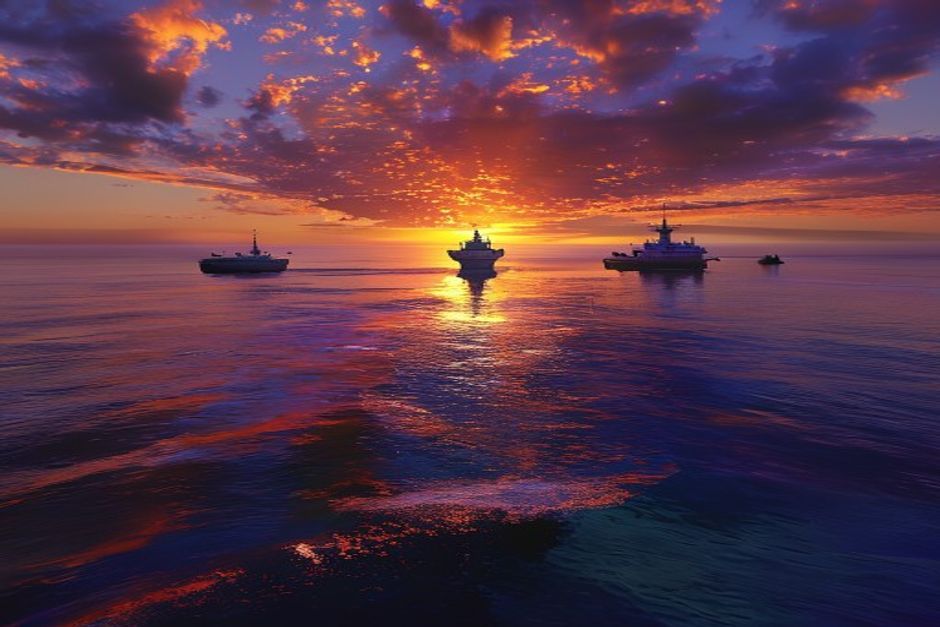
Iran has issued a firm declaration that the Strait of Hormuz will fundamentally change and will never return to its pre-conflict status quo, following the recent hostilities with the United States and Israel. This assertion signals a potentially significant shift in regional geopolitics and international maritime law, impacting global energy markets and naval transit.
A New Reality in a Vital Waterway
The Strait of Hormuz, a narrow chokepoint at the Persian Gulf entrance, is one of the world's most crucial maritime arteries, through which approximately 20-30% of the world's traded oil passes daily. Iran's statement suggests that the dynamics of control and passage through this vital waterway have been irrevocably altered by recent events. While details of the 'new status quo' remain vague, analysts interpret this as Iran signaling its intent to exert greater influence or control over maritime traffic, potentially through new regulations, increased surveillance, or even military posturing.
Implications for Global Trade and Security
This declaration carries substantial implications. For global energy markets, any disruption or perceived threat to the Strait of Hormuz can lead to significant price volatility. Insurance premiums for vessels transiting the area are likely to rise, and shipping companies may explore alternative routes, though few viable options exist. Geopolitically, Iran's stance could lead to increased tensions with nations reliant on the Strait for oil exports and imports, particularly Western powers and key Asian economies. The US, which maintains a significant naval presence in the region to ensure freedom of navigation, will be closely watching Iran's actions. The international community faces the challenge of balancing freedom of navigation with regional security concerns. The exact nature of this new era in the Strait of Hormuz remains to be seen, but Iran's declaration undoubtedly marks a pivotal moment, potentially ushering in a period of heightened vigilance and diplomatic maneuvering in the Persian Gulf.
ईरान ने एक कड़ा बयान जारी किया है कि हाल के अमेरिका-इज़राइल के साथ हुए संघर्ष के बाद हॉरमज जलडमरूमध्य कभी भी युद्ध-पूर्व की स्थिति में वापस नहीं लौटेगा। यह घोषणा क्षेत्रीय भू-राजनीति और अंतर्राष्ट्रीय समुद्री कानून में एक महत्वपूर्ण बदलाव का संकेत देती है, जिसका असर वैश्विक ऊर्जा बाजारों और नौसैनिक आवागमन पर पड़ेगा।
एक महत्वपूर्ण जलमार्ग में नई वास्तविकता
फारस की खाड़ी के प्रवेश द्वार पर स्थित हॉरमज जलडमरूमध्य दुनिया के सबसे महत्वपूर्ण समुद्री मार्गों में से एक है, जिससे प्रतिदिन दुनिया के लगभग 20-30% तेल का व्यापार होता है। ईरान का यह कथन बताता है कि हाल की घटनाओं ने इस महत्वपूर्ण जलमार्ग से गुजरने वाले यातायात पर नियंत्रण की गतिशीलता को अपरिवर्तनीय रूप से बदल दिया है। 'नई यथास्थिति' का विवरण अस्पष्ट बना हुआ है, लेकिन विश्लेषकों का मानना है कि ईरान नए नियमों, बढ़ी हुई निगरानी या सैन्य युद्धाभ्यास के माध्यम से समुद्री यातायात पर अपना प्रभाव बढ़ाने का इरादा रखता है।
वैश्विक व्यापार और सुरक्षा के लिए निहितार्थ
इस घोषणा के महत्वपूर्ण निहितार्थ हैं। वैश्विक ऊर्जा बाजारों के लिए, हॉरमज जलडमरूमध्य में किसी भी व्यवधान या कथित खतरे से कीमतों में भारी उतार-चढ़ाव हो सकता है। इस क्षेत्र से गुजरने वाले जहाजों के लिए बीमा प्रीमियम बढ़ने की संभावना है, और शिपिंग कंपनियां वैकल्पिक मार्गों की तलाश कर सकती हैं, हालांकि व्यवहार्य विकल्प बहुत कम हैं। भू-राजनीतिक रूप से, ईरान का रुख खाड़ी से तेल निर्यात और आयात पर निर्भर देशों, विशेष रूप से पश्चिमी शक्तियों और प्रमुख एशियाई अर्थव्यवस्थाओं के साथ तनाव बढ़ा सकता है। अमेरिका, जो नौवहन की स्वतंत्रता सुनिश्चित करने के लिए क्षेत्र में एक महत्वपूर्ण नौसैनिक उपस्थिति बनाए रखता है, ईरान की कार्रवाइयों पर बारीकी से नजर रखेगा। अंतर्राष्ट्रीय समुदाय के सामने क्षेत्रीय सुरक्षा चिंताओं के साथ नौवहन की स्वतंत्रता को संतुलित करने की चुनौती है। हॉरमज जलडमरूमध्य में इस नए युग की सटीक प्रकृति अभी देखी जानी बाकी है, लेकिन ईरान की घोषणा निस्संदेह एक महत्वपूर्ण क्षण है, जो फारस की खाड़ी में बढ़ी हुई सतर्कता और राजनयिक पैंतरेबाजी के दौर की शुरुआत कर सकती है।
इराणने एक ठाम घोषणा केली आहे की अमेरिका-इस्रायल युद्धाच्या पार्श्वभूमीवर हॉरमुझ सामुद्रधुनी कधीही पूर्व-संघर्ष स्थितीत परत येणार नाही. हे वक्तव्य प्रादेशिक भू-राजकारण आणि आंतरराष्ट्रीय सागरी कायद्यात एक महत्त्वपूर्ण बदल दर्शवते, ज्याचा जागतिक ऊर्जा बाजार आणि सागरी वाहतुकीवर परिणाम होईल.
महत्वपूर्ण जलमार्गातील नवी वास्तवता
पर्शियाच्या आखाताच्या प्रवेशद्वारावर असलेली हॉरमुझ सामुद्रधुनी जगातील सर्वात महत्त्वपूर्ण सागरी मार्गांपैकी एक आहे. दररोज जागतिक व्यापारातील सुमारे 20-30% तेल येथून जाते. इराणचे हे विधान सूचित करते की अलिकडील घटनांमुळे या महत्त्वपूर्ण जलमार्गावरील वाहतुकीवर नियंत्रण ठेवण्याची गतिशीलता अपरिवर्तनीयपणे बदलली आहे. 'नवीन स्थिती'चे तपशील अस्पष्ट असले तरी, विश्लेषकांचा असा अंदाज आहे की इराण नवीन नियम, वाढीव पाळत ठेवणे किंवा संभाव्य लष्करी हालचालींद्वारे सागरी वाहतुकीवर आपले नियंत्रण वाढवण्याचा मानस आहे.
जागतिक व्यापार आणि सुरक्षेसाठी परिणाम
या घोषणेचे गंभीर परिणाम आहेत. जागतिक ऊर्जा बाजारांसाठी, हॉरमुझ सामुद्रधुनीतील कोणतीही व्यत्यय किंवा कथित धोका किमतींमध्ये लक्षणीय अस्थिरता निर्माण करू शकतो. या मार्गावरून प्रवास करणाऱ्या जहाजांसाठी विमा हप्ते वाढण्याची शक्यता आहे आणि शिपिंग कंपन्या पर्यायी मार्गांचा शोध घेऊ शकतात, जरी व्यवहार्य पर्याय मर्यादित आहेत. भू-राजकीय दृष्ट्या, इराणची भूमिका आखातातून तेल निर्यात आणि आयात करणाऱ्या राष्ट्रांशी, विशेषतः पाश्चात्त्य शक्ती आणि प्रमुख आशियाई अर्थव्यवस्थांशी तणाव वाढवू शकते. अमेरिकेची, जी सागरी मार्गांची स्वातंत्र्य सुनिश्चित करण्यासाठी या प्रदेशात महत्त्वपूर्ण नौदल उपस्थिती राखते, ती इराणच्या कृतींवर बारकाईने लक्ष ठेवेल. आंतरराष्ट्रीय समुदायासमोर प्रादेशिक सुरक्षा चिंतांसह सागरी मार्गांच्या स्वातंत्र्याचा समतोल राखण्याचे आव्हान आहे. हॉरमुझ सामुद्रधुनीतील या नवीन युगाचे स्वरूप अद्याप स्पष्ट झालेले नाही, परंतु इराणच्या घोषणेने पर्शियन गल्फमध्ये वाढती दक्षता आणि राजनैतिक हालचालींच्या युगाची सुरुवात केली आहे.
ইরান জোর দিয়ে বলেছে যে মার্কিন-ইসরায়েল যুদ্ধের পর হরমুজ প্রণালী কখনোই যুদ্ধের আগের অবস্থায় ফিরে আসবে না। এই ঘোষণা আঞ্চলিক ভূ-রাজনীতি এবং আন্তর্জাতিক সামুদ্রিক আইনে একটি গুরুত্বপূর্ণ পরিবর্তনের ইঙ্গিত দেয়, যা বিশ্বব্যাপী জ্বালানি বাজার এবং নৌ চলাচলের উপর প্রভাব ফেলবে।
গুরুত্বপূর্ণ জলপথে নতুন বাস্তবতা
পারস্য উপসাগরের প্রবেশদ্বারে অবস্থিত হরমুজ প্রণালী বিশ্বের অন্যতম গুরুত্বপূর্ণ নৌপথ, যার মধ্য দিয়ে প্রতিদিন বিশ্বের প্রায় ২০-৩০% বাণিজ্যকৃত তেল প্রবাহিত হয়। ইরানের এই বিবৃতি নির্দেশ করে যে সাম্প্রতিক ঘটনাগুলি এই গুরুত্বপূর্ণ জলপথে চলাচল নিয়ন্ত্রণ করার গতিশীলতাকে অপরিবর্তনীয়ভাবে পরিবর্তন করেছে। 'নতুন স্থিতাবস্থা'র বিবরণ অস্পষ্ট থাকলেও, বিশ্লেষকরা মনে করছেন যে ইরান নতুন নিয়মাবলী, বর্ধিত নজরদারি বা সম্ভাব্য সামরিক পদক্ষেপের মাধ্যমে সামুদ্রিক পরিবহনের উপর তার প্রভাব বাড়ানোর পরিকল্পনা করছে।
বিশ্ব বাণিজ্য ও নিরাপত্তার জন্য প্রভাব
এই ঘোষণার গুরুতর প্রভাব রয়েছে। বিশ্বব্যাপী জ্বালানি বাজারের জন্য, হরমুজ প্রণালীতে যেকোনো ধরনের বাধা বা সম্ভাব্য হুমকি তেলের দামে উল্লেখযোগ্য অস্থিরতা সৃষ্টি করতে পারে। এই অঞ্চল দিয়ে যাতায়াতকারী জাহাজগুলির জন্য বীমা প্রিমিয়াম বাড়ার সম্ভাবনা রয়েছে এবং শিপিং কোম্পানিগুলি বিকল্প রুটের সন্ধান করতে পারে, যদিও সেগুলির সংখ্যা সীমিত। ভূ-রাজনৈতিকভাবে, ইরানের অবস্থান উপসাগর থেকে তেল রপ্তানি এবং আমদানির উপর নির্ভরশীল দেশগুলির সাথে, বিশেষ করে পশ্চিমা শক্তি এবং প্রধান এশীয় অর্থনীতিগুলির সাথে উত্তেজনা বাড়াতে পারে। মার্কিন যুক্তরাষ্ট্র, যারা নৌ চলাচলের স্বাধীনতা নিশ্চিত করতে এই অঞ্চলে একটি গুরুত্বপূর্ণ নৌ উপস্থিতি বজায় রাখে, তারা ইরানের কার্যকলাপের উপর নিবিড়ভাবে নজর রাখবে। আন্তর্জাতিক সম্প্রদায়ের সামনে আঞ্চলিক নিরাপত্তা উদ্বেগগুলির সাথে নৌ চলাচলের স্বাধীনতা বজায় রাখার চ্যালেঞ্জ রয়েছে। হরমুজ প্রণালীতে এই নতুন যুগের সঠিক প্রকৃতি এখনও দেখার বিষয়, তবে ইরানের ঘোষণা নিঃসন্দেহে একটি গুরুত্বপূর্ণ মুহূর্ত, যা পারস্য উপসাগরে বর্ধিত সতর্কতা এবং কূটনৈতিক চালের একটি নতুন অধ্যায়ের সূচনা করতে পারে।
ஈரான் ஒரு உறுதியான அறிவிப்பை வெளியிட்டுள்ளது, அமெரிக்க-இஸ்ரேல் போருக்குப் பிறகு ஹோர்முஸ் ஜலசந்தி ஒருபோதும் போர்-முந்தைய நிலைக்கு திரும்பாது. இந்தப் பிரகடனம் பிராந்திய புவிசார் அரசியல் மற்றும் சர்வதேச கடல் சட்டத்தில் ஒரு குறிப்பிடத்தக்க மாற்றத்தை சுட்டிக்காட்டுகிறது, இது உலகளாவிய எரிசக்தி சந்தைகள் மற்றும் கடற்படை போக்குவரத்தை பாதிக்கும்.
முக்கிய நீர் வழியில் புதிய யதார்த்தம்
பாரசீக வளைகுடாவின் நுழைவாயிலில் அமைந்துள்ள ஹோர்முஸ் ஜலசந்தி உலகின் மிக முக்கியமான கடல் வழித்தடங்களில் ஒன்றாகும், இதன் வழியாக தினசரி உலகின் வர்த்தக எண்ணெயில் சுமார் 20-30% செல்கிறது. சமீபத்திய சம்பவங்கள் இந்த முக்கிய நீர் வழியில் போக்குவரத்தை கட்டுப்படுத்தும் இயக்கவியலை மாற்றியமைத்துள்ளதாக ஈரானின் அறிக்கை சுட்டிக்காட்டுகிறது. 'புதிய யதார்த்தத்தின்' விவரங்கள் தெளிவாக இல்லை என்றாலும், புதிய விதிமுறைகள், அதிகரித்த கண்காணிப்பு அல்லது சாத்தியமான இராணுவ நடவடிக்கைகள் மூலம் கடல் போக்குவரத்தின் மீது தனது செல்வாக்கை அதிகரிக்க ஈரான் திட்டமிட்டுள்ளதாக ஆய்வாளர்கள் கருதுகின்றனர்.
உலகளாவிய வர்த்தகம் மற்றும் பாதுகாப்பிற்கான தாக்கங்கள்
இந்த அறிவிப்புக்கு குறிப்பிடத்தக்க தாக்கங்கள் உள்ளன. உலகளாவிய எரிசக்தி சந்தைகளைப் பொறுத்தவரை, ஹோர்முஸ் ஜலசந்தியில் எந்தவொரு இடையூறும் அல்லது அச்சுறுத்தலும் எண்ணெய் விலைகளில் குறிப்பிடத்தக்க ஏற்ற இறக்கங்களுக்கு வழிவகுக்கும். இந்த பகுதியில் பயணிக்கும் கப்பல்களுக்கான காப்பீட்டு பிரீமியங்கள் உயரக்கூடும், மேலும் கப்பல் நிறுவனங்கள் மாற்று வழிகளை ஆராயலாம், இருப்பினும் சாத்தியமான மாற்று வழிகள் குறைவாகவே உள்ளன. புவிசார் அரசியல் ரீதியாக, ஈரானின் நிலைப்பாடு வளைகுடாவிலிருந்து எண்ணெய் ஏற்றுமதி மற்றும் இறக்குமதி செய்யும் நாடுகளுடனான, குறிப்பாக மேற்கத்திய சக்திகள் மற்றும் முக்கிய ஆசிய பொருளாதாரங்களுடனான பதட்டங்களை அதிகரிக்கக்கூடும். பிராந்தியத்தில் கப்பல் போக்குவரத்தின் சுதந்திரத்தை உறுதிப்படுத்த ஒரு குறிப்பிடத்தக்க கடற்படை இருப்பை அமெரிக்கா பராமரிக்கிறது, ஈரானின் நடவடிக்கைகளை உன்னிப்பாகக் கண்காணிக்கும். பிராந்திய பாதுகாப்பு கவலைகளுடன் கப்பல் போக்குவரத்தின் சுதந்திரத்தை சமநிலைப்படுத்தும் சவாலை சர்வதேச சமூகம் எதிர்கொள்கிறது. ஹோர்முஸ் ஜலசந்தியில் இந்த புதிய சகாப்தத்தின் சரியான தன்மை இன்னும் அறியப்படவில்லை, ஆனால் ஈரானின் பிரகடனம் சந்தேகத்திற்கு இடமின்றி ஒரு முக்கிய தருணமாகும், இது பாரசீக வளைகுடாவில் அதிகரித்த விழிப்புணர்வு மற்றும் இராஜதந்திர நகர்வுகளின் காலத்தைத் தொடங்கக்கூடும்.
ఇరాన్ ఒక దృఢమైన ప్రకటన విడుదల చేసింది, అమెరికా-ఇజ్రాయెల్ యుద్ధం తర్వాత హార్ముజ్ జలసంధి ఎప్పటికీ యుద్ధ-పూర్వ స్థితికి తిరిగి రాదని తెలిపింది. ఈ ప్రకటన ప్రాంతీయ భూ-రాజకీయాలు మరియు అంతర్జాతీయ సముద్ర చట్టంలో ఒక ముఖ్యమైన మార్పును సూచిస్తుంది, ఇది ప్రపంచ ఇంధన మార్కెట్లు మరియు నావికా రవాణాపై ప్రభావం చూపుతుంది.
కీలక జలమార్గంలో నూతన వాస్తవికత
పర్షియా గల్ఫ్ ప్రవేశ ద్వారం వద్ద ఉన్న హార్ముజ్ జలసంధి ప్రపంచంలోని అత్యంత కీలకమైన సముద్ర మార్గాలలో ఒకటి, దీని ద్వారా ప్రతిరోజూ ప్రపంచ వాణిజ్య చమురులో సుమారు 20-30% రవాణా చేయబడుతుంది. ఇటీవలి సంఘటనలు ఈ కీలక జలమార్గం గుండా జరిగే రవాణాను నియంత్రించే గతిశీలతను మార్పు చేశాయని ఇరాన్ ప్రకటన సూచిస్తుంది. 'నూతన యథాతథ స్థితి' యొక్క వివరాలు అస్పష్టంగా ఉన్నప్పటికీ, కొత్త నిబంధనలు, పెరిగిన నిఘా లేదా సంభావ్య సైనిక చర్యల ద్వారా సముద్ర రవాణాపై తన ప్రభావాన్ని పెంచాలని ఇరాన్ యోచిస్తోందని విశ్లేషకులు భావిస్తున్నారు.
ప్రపంచ వాణిజ్యం మరియు భద్రతపై ప్రభావాలు
ఈ ప్రకటనకు ముఖ్యమైన ప్రభావాలు ఉన్నాయి. ప్రపంచ ఇంధన మార్కెట్ల కోసం, హార్ముజ్ జలసంధిలో ఏదైనా అంతరాయం లేదా ముప్పు చమురు ధరలలో గణనీయమైన అస్థిరతకు దారితీస్తుంది. ఈ ప్రాంతం గుండా ప్రయాణించే నౌకలకు బీమా ప్రీమియంలు పెరగవచ్చు మరియు షిప్పింగ్ కంపెనీలు ప్రత్యామ్నాయ మార్గాలను అన్వేషించవచ్చు, అయితే సాధ్యమయ్యే ప్రత్యామ్నాయ మార్గాలు పరిమితంగా ఉన్నాయి. భూ-రాజకీయంగా, ఇరాన్ వైఖరి గల్ఫ్ నుండి చమురు ఎగుమతులు మరియు దిగుమతులపై ఆధారపడిన దేశాలతో, ముఖ్యంగా పాశ్చాత్య శక్తులు మరియు ప్రధాన ఆసియా ఆర్థిక వ్యవస్థలతో ఉద్రిక్తతలను పెంచవచ్చు. ఈ ప్రాంతంలో నావికా స్వేచ్ఛను నిర్ధారించడానికి గణనీయమైన నావికాదళ ఉనికిని కలిగి ఉన్న అమెరికా, ఇరాన్ చర్యలను నిశితంగా పరిశీలిస్తుంది. అంతర్జాతీయ సమాజం ప్రాంతీయ భద్రతా ఆందోళనలతో నావికా స్వేచ్ఛను సమతుల్యం చేసే సవాలును ఎదుర్కొంటుంది. హార్ముజ్ జలసంధిలో ఈ నూతన శకం యొక్క ఖచ్చితమైన స్వభావం ఇంకా తెలియాల్సి ఉంది, అయితే ఇరాన్ ప్రకటన నిస్సందేహంగా ఒక ముఖ్యమైన మలుపు, ఇది పర్షియన్ గల్ఫ్లో పెరిగిన అప్రమత్తత మరియు దౌత్యపరమైన ఎత్తుగడల కాలాన్ని ప్రారంభించగలదు.
ઈરાને એક મજબૂત નિવેદન આપ્યું છે કે યુ.એસ.-ઈઝરાયેલ યુદ્ધ પછી હોર્મુઝની સામુદ્રધુની ક્યારેય યુદ્ધ-પૂર્વની સ્થિતિમાં પાછી નહીં ફરે. આ ઘોષણા પ્રાદેશિક ભૂ-રાજકારણ અને આંતરરાષ્ટ્રીય દરિયાઈ કાયદામાં એક નોંધપાત્ર ફેરફાર સૂચવે છે, જે વૈશ્વિક ઉર્જા બજારો અને નૌકા પરિવહન પર અસર કરશે.
મહત્વપૂર્ણ જળમાર્ગમાં નવી વાસ્તવિકતા
પર્શિયન ગલ્ફના પ્રવેશદ્વાર પર સ્થિત હોર્મુઝની સામુદ્રધુની વિશ્વના સૌથી મહત્વપૂર્ણ દરિયાઈ માર્ગો પૈકીનો એક છે, જેમાંથી દરરોજ વિશ્વના લગભગ 20-30% વેપાર થયેલ તેલ પસાર થાય છે. ઈરાનનું આ નિવેદન સૂચવે છે કે તાજેતરની ઘટનાઓએ આ મહત્વપૂર્ણ જળમાર્ગમાં પરિવહન નિયંત્રિત કરવાની ગતિશીલતાને કાયમ માટે બદલી નાખી છે. 'નવી યથાવત સ્થિતિ'ની વિગતો અસ્પષ્ટ હોવા છતાં, વિશ્લેષકો માને છે કે ઈરાન નવા નિયમો, વધેલી દેખરેખ અથવા સંભવિત લશ્કરી પગલાં દ્વારા દરિયાઈ પરિવહન પર પોતાનો પ્રભાવ વધારવાની યોજના ધરાવે છે.
વૈશ્વિક વેપાર અને સુરક્ષા માટે અસરો
આ ઘોષણાના ગંભીર પરિણામો છે. વૈશ્વિક ઉર્જા બજારો માટે, હોર્મુઝની સામુદ્રધુનીમાં કોઈપણ વિક્ષેપ અથવા કથિત ખતરો તેલના ભાવમાં નોંધપાત્ર અસ્થિરતા લાવી શકે છે. આ વિસ્તારમાંથી પસાર થતા જહાજો માટે વીમા પ્રીમિયમ વધી શકે છે, અને શિપિંગ કંપનીઓ વૈકલ્પિક માર્ગો શોધી શકે છે, જોકે શક્ય વિકલ્પો મર્યાદિત છે. ભૂ-રાજકીય રીતે, ઈરાનનું વલણ ગલ્ફમાંથી તેલ નિકાસ અને આયાત પર નિર્ભર દેશો સાથે, ખાસ કરીને પશ્ચિમી શક્તિઓ અને મુખ્ય એશિયન અર્થતંત્રો સાથે તણાવ વધારી શકે છે. યુ.એસ., જે દરિયાઈ માર્ગની સ્વતંત્રતા સુનિશ્ચિત કરવા માટે આ ક્ષેત્રમાં નોંધપાત્ર નૌકાદળની હાજરી જાળવી રાખે છે, તે ઈરાનની કાર્યવાહી પર નજીકથી નજર રાખશે. આંતરરાષ્ટ્રીય સમુદાય પ્રાદેશિક સુરક્ષા ચિંતાઓ સાથે દરિયાઈ માર્ગની સ્વતંત્રતાને સંતુલિત કરવાના પડકારનો સામનો કરે છે. હોર્મુઝની સામુદ્રધુનીમાં આ નવા યુગની ચોક્કસ પ્રકૃતિ હજુ જોવાની બાકી છે, પરંતુ ઈરાનની ઘોષણા નિઃશંકપણે એક મહત્વપૂર્ણ ક્ષણ છે, જે પર્શિયન ગલ્ફમાં વધેલી સતર્કતા અને રાજદ્વારી દાવપેચના સમયગાળાની શરૂઆત કરી શકે છે.
ਇਰਾਨ ਨੇ ਇੱਕ ਦ੍ਰਿੜ੍ਹ ਬਿਆਨ ਜਾਰੀ ਕੀਤਾ ਹੈ ਕਿ ਅਮਰੀਕਾ-ਇਜ਼ਰਾਈਲ ਯੁੱਧ ਤੋਂ ਬਾਅਦ ਹਾਰਮੂਜ਼ ਜਲਸੰਧੀ ਕਦੇ ਵੀ ਯੁੱਧ-ਪੂਰਵ ਦੀ ਸਥਿਤੀ 'ਤੇ ਵਾਪਸ ਨਹੀਂ ਆਵੇਗੀ। ਇਹ ਘੋਸ਼ਣਾ ਖੇਤਰੀ ਭੂ-ਰਾਜਨੀਤੀ ਅਤੇ ਅੰਤਰਰਾਸ਼ਟਰੀ ਸਮੁੰਦਰੀ ਕਾਨੂੰਨ ਵਿੱਚ ਇੱਕ ਮਹੱਤਵਪੂਰਨ ਤਬਦੀਲੀ ਦਾ ਸੰਕੇਤ ਦਿੰਦੀ ਹੈ, ਜੋ ਕਿ ਵਿਸ਼ਵਵਿਆਪੀ ਊਰਜਾ ਬਾਜ਼ਾਰਾਂ ਅਤੇ ਨੌਕਾਦਾਰ ਆਵਾਜਾਈ 'ਤੇ ਅਸਰ ਪਾਏਗੀ।
ਮਹੱਤਵਪੂਰਨ ਜਲਮਾਰਗ ਵਿੱਚ ਨਵੀਂ ਹਕੀਕਤ
ਫ਼ਾਰਸੀ ਖਾੜੀ ਦੇ ਪ੍ਰਵੇਸ਼ ਦੁਆਰ 'ਤੇ ਸਥਿਤ ਹਾਰਮੂਜ਼ ਜਲਸੰਧੀ ਦੁਨੀਆ ਦੇ ਸਭ ਤੋਂ ਮਹੱਤਵਪੂਰਨ ਸਮੁੰਦਰੀ ਮਾਰਗਾਂ ਵਿੱਚੋਂ ਇੱਕ ਹੈ, ਜਿਸ ਵਿੱਚੋਂ ਰੋਜ਼ਾਨਾ ਵਿਸ਼ਵ ਦੇ ਲਗਭਗ 20-30% ਵਪਾਰਕ ਤੇਲ ਲੰਘਦਾ ਹੈ। ਇਰਾਨ ਦਾ ਇਹ ਬਿਆਨ ਸੰਕੇਤ ਦਿੰਦਾ ਹੈ ਕਿ ਹਾਲੀਆ ਘਟਨਾਵਾਂ ਨੇ ਇਸ ਮਹੱਤਵਪੂਰਨ ਜਲਮਾਰਗ 'ਤੇ ਆਵਾਜਾਈ ਨੂੰ ਨਿਯੰਤਰਿਤ ਕਰਨ ਦੀ ਗਤੀਸ਼ੀਲਤਾ ਨੂੰ ਬਦਲ ਦਿੱਤਾ ਹੈ। 'ਨਵੀਂ ਯਥਾ-ਸਥਿਤੀ' ਦੇ ਵੇਰਵੇ ਅਸਪਸ਼ਟ ਹਨ, ਪਰ ਵਿਸ਼ਲੇਸ਼ਕ ਇਹ ਮੰਨਦੇ ਹਨ ਕਿ ਇਰਾਨ ਨਵੇਂ ਨਿਯਮਾਂ, ਵਧੀ ਹੋਈ ਨਿਗਰਾਨੀ, ਜਾਂ ਸੰਭਾਵੀ ਫੌਜੀ ਕਦਮਾਂ ਰਾਹੀਂ ਸਮੁੰਦਰੀ ਆਵਾਜਾਈ 'ਤੇ ਆਪਣਾ ਪ੍ਰਭਾਵ ਵਧਾਉਣ ਦੀ ਯੋਜਨਾ ਬਣਾ ਰਿਹਾ ਹੈ।
ਵਿਸ਼ਵ ਵਪਾਰ ਅਤੇ ਸੁਰੱਖਿਆ ਲਈ ਅਸਰ
ਇਸ ਘੋਸ਼ਣਾ ਦੇ ਗੰਭੀਰ ਅਸਰ ਹਨ। ਵਿਸ਼ਵਵਿਆਪੀ ਊਰਜਾ ਬਾਜ਼ਾਰਾਂ ਲਈ, ਹਾਰਮੂਜ਼ ਜਲਸੰਧੀ ਵਿੱਚ ਕੋਈ ਵੀ ਰੁਕਾਵਟ ਜਾਂ ਕਥਿਤ ਖਤਰਾ ਤੇਲ ਦੀਆਂ ਕੀਮਤਾਂ ਵਿੱਚ ਮਹੱਤਵਪੂਰਨ ਅਸਥਿਰਤਾ ਲਿਆ ਸਕਦਾ ਹੈ। ਇਸ ਖੇਤਰ ਵਿੱਚੋਂ ਲੰਘਣ ਵਾਲੇ ਜਹਾਜ਼ਾਂ ਲਈ ਬੀਮਾ ਪ੍ਰੀਮੀਅਮ ਵਧ ਸਕਦੇ ਹਨ, ਅਤੇ ਸ਼ਿਪਿੰਗ ਕੰਪਨੀਆਂ ਬਦਲਵੇਂ ਰੂਟਾਂ ਦੀ ਭਾਲ ਕਰ ਸਕਦੀਆਂ ਹਨ, ਹਾਲਾਂਕਿ ਸੰਭਵ ਬਦਲ ਸੀਮਤ ਹਨ। ਭੂ-ਰਾਜਨੀਤਿਕ ਤੌਰ 'ਤੇ, ਇਰਾਨ ਦਾ ਰੁਖ ਖਾੜੀ ਤੋਂ ਤੇਲ ਨਿਰਯਾਤ ਅਤੇ ਆਯਾਤ 'ਤੇ ਨਿਰਭਰ ਦੇਸ਼ਾਂ ਨਾਲ, ਖਾਸ ਕਰਕੇ ਪੱਛਮੀ ਸ਼ਕਤੀਆਂ ਅਤੇ ਮੁੱਖ ਏਸ਼ੀਆਈ ਆਰਥਿਕਤਾਵਾਂ ਨਾਲ ਤਣਾਅ ਵਧਾ ਸਕਦਾ ਹੈ। ਅਮਰੀਕਾ, ਜੋ ਇਸ ਖੇਤਰ ਵਿੱਚ ਸਮੁੰਦਰੀ ਆਵਾਜਾਈ ਦੀ ਆਜ਼ਾਦੀ ਯਕੀਨੀ ਬਣਾਉਣ ਲਈ ਮਹੱਤਵਪੂਰਨ ਜਲ ਸੈਨਾ ਦੀ ਮੌਜੂਦਗੀ ਬਣਾਈ ਰੱਖਦਾ ਹੈ, ਇਰਾਨ ਦੀਆਂ ਕਾਰਵਾਈਆਂ 'ਤੇ ਨੇੜਿਓਂ ਨਜ਼ਰ ਰੱਖੇਗਾ। ਅੰਤਰਰਾਸ਼ਟਰੀ ਭਾਈਚਾਰਾ ਖੇਤਰੀ ਸੁਰੱਖਿਆ ਚਿੰਤਾਵਾਂ ਦੇ ਨਾਲ ਸਮੁੰਦਰੀ ਆਵਾਜਾਈ ਦੀ ਆਜ਼ਾਦੀ ਨੂੰ ਸੰਤੁਲਿਤ ਕਰਨ ਦੇ ਚੁਣੌਤੀ ਦਾ ਸਾਹਮਣਾ ਕਰਦਾ ਹੈ। ਹਾਰਮੂਜ਼ ਜਲਸੰਧੀ ਵਿੱਚ ਇਸ ਨਵੇਂ ਯੁੱਗ ਦੀ ਸਹੀ ਪ੍ਰਕਿਰਤੀ ਅਜੇ ਵੇਖਣੀ ਬਾਕੀ ਹੈ, ਪਰ ਇਰਾਨ ਦੀ ਘੋਸ਼ਣਾ ਬਿਨਾਂ ਸ਼ੱਕ ਇੱਕ ਮਹੱਤਵਪੂਰਨ ਪਲ ਹੈ, ਜੋ ਫ਼ਾਰਸੀ ਖਾੜੀ ਵਿੱਚ ਵਧੀ ਹੋਈ ਚੌਕਸੀ ਅਤੇ ਕੂਟਨੀਤਕ ਚਾਲਾਂ ਦੇ ਦੌਰ ਦੀ ਸ਼ੁਰੂਆਤ ਕਰ ਸਕਦੀ ਹੈ।

💬 Comments