Breaking News
ताज़ा खबर
ताजी बातमी
সর্বশেষ সংবাদ
சமீபத்திய செய்தி
తాజా వార్త
તાજા સમાચાર
ਤਾਜ਼ਾ ਖ਼ਬਰ
NASA's Pioneering Space Computing: From Apollo to the Future
नासा का अंतरिक्ष कंप्यूटिंग का विकास: अपोलो से भविष्य तक
नासाची अंतराळ संगणन उत्क्रांती: अपोलोपासून भविष्यापर्यंत
নাসার মহাকাশ কম্পিউটিং বিবর্তন: অ্যাপোলো থেকে ভবিষ্যৎ
நாசாவின் விண்வெளி கணினி பரிணாமம்: அப்பல்லோ முதல் எதிர்காலம் வரை
NASA యొక్క స్పేస్ కంప్యూటింగ్ పరిణామం: అపోలో నుండి భవిష్యత్తు వరకు
NASA નું સ્પેસ કમ્પ્યુટિંગ ઉત્ક્રાંતિ: એપોલોથી ભવિષ્ય સુધી
NASA ਦੀ ਸਪੇਸ ਕੰਪਿਊਟਿੰਗ ਦਾ ਵਿਕਾਸ: ਅਪੋਲੋ ਤੋਂ ਭਵਿੱਖ ਤੱਕ
By AI News Desk
🕐 09 May 2026, 02:27 PM
🛸 Space
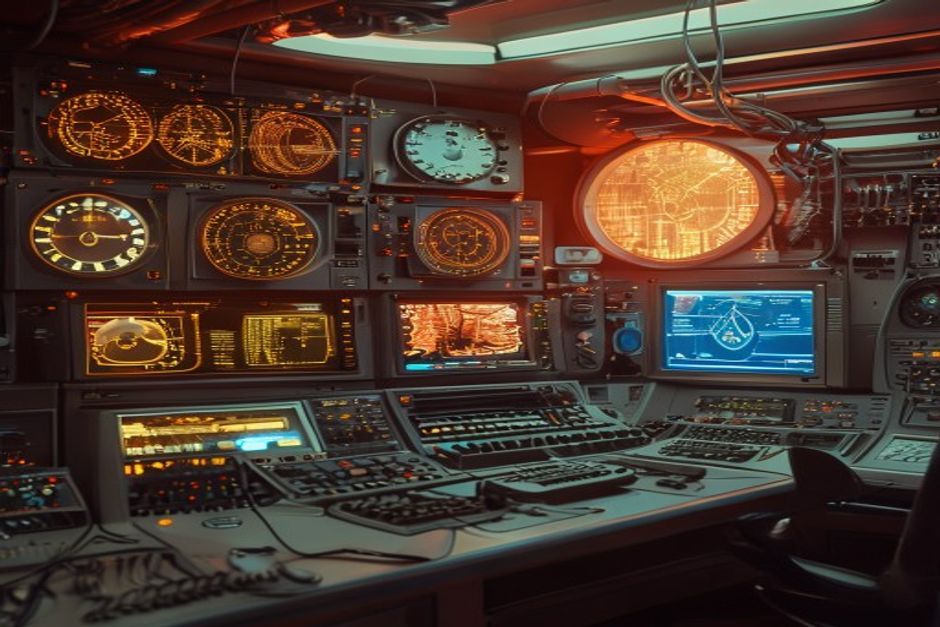
For decades, NASA has been at the forefront of developing sophisticated on-board spacecraft computer processors, the silent brains that orchestrate mission success. The genesis of this critical field can be traced back to the 1960s with the groundbreaking Apollo Guidance Computers. These systems were indispensable for the complex guidance, navigation, and control computations that enabled humanity's first steps onto the Moon. The need for reliable computation in the harsh environment of space quickly highlighted the necessity for radiation-hardened processors, which have since become the bedrock of virtually all space missions.
The Evolution of Space Computing
These radiation-hardened processors are not merely standard computer chips subjected to the vacuum of space; they are meticulously designed and manufactured to withstand extreme conditions, including intense radiation, fluctuating temperatures, and significant vibrations. This resilience is paramount, as a single processor failure in deep space could jeopardize years of research and billions of dollars in investment. Over the decades, NASA's computing power has evolved dramatically. From the relatively rudimentary capabilities of the Apollo era, we have progressed to systems capable of handling complex data processing, artificial intelligence, and real-time decision-making for missions exploring distant planets, studying our Sun, and observing the universe.
Challenges and Innovations
The challenges in space computing are unique. Beyond radiation, components must be exceptionally reliable and often operate with limited power and cooling. This has spurred incredible innovation, leading to advances in processor architecture, fault-tolerant systems, and miniaturization. Future missions, such as those to Mars and beyond, will require even more autonomous and powerful computing systems. NASA continues to push the boundaries, exploring new materials, quantum computing concepts, and advanced algorithms to ensure its spacecraft can navigate, operate, and transmit data reliably across the vastness of space, safeguarding the future of space exploration.
दशकों से, नासा परिष्कृत ऑन-बोर्ड अंतरिक्ष यान कंप्यूटर प्रोसेसर के विकास में सबसे आगे रहा है, जो मिशन की सफलता को व्यवस्थित करने वाले मौन मस्तिष्क हैं। इस महत्वपूर्ण क्षेत्र की उत्पत्ति 1960 के दशक में अभूतपूर्व अपोलो मार्गदर्शन कंप्यूटर के साथ हुई थी। ये सिस्टम जटिल मार्गदर्शन, नेविगेशन और नियंत्रण गणनाओं के लिए अपरिहार्य थे जिन्होंने चंद्रमा पर मानवता के पहले कदम सक्षम किए। अंतरिक्ष के कठोर वातावरण में विश्वसनीय गणना की आवश्यकता ने जल्दी ही विकिरण-कठोर प्रोसेसर की आवश्यकता पर प्रकाश डाला, जो तब से लगभग सभी अंतरिक्ष मिशनों की आधारशिला बन गए हैं।
अंतरिक्ष कंप्यूटिंग का विकास
ये विकिरण-कठोर प्रोसेसर केवल अंतरिक्ष के निर्वात के अधीन मानक कंप्यूटर चिप्स नहीं हैं; उन्हें अत्यधिक विकिरण, अस्थिर तापमान और महत्वपूर्ण कंपन सहित चरम स्थितियों का सामना करने के लिए सावधानीपूर्वक डिजाइन और निर्मित किया गया है। यह लचीलापन सर्वोपरि है, क्योंकि गहरे अंतरिक्ष में एक एकल प्रोसेसर विफलता वर्षों के अनुसंधान और अरबों डॉलर के निवेश को खतरे में डाल सकती है। दशकों से, नासा की कंप्यूटिंग शक्ति में नाटकीय रूप से विकास हुआ है। अपोलो युग की अपेक्षाकृत अल्प क्षमताओं से, हम जटिल डेटा प्रोसेसिंग, कृत्रिम बुद्धिमत्ता और दूर के ग्रहों की खोज, हमारे सूर्य का अध्ययन करने और ब्रह्मांड का अवलोकन करने वाले मिशनों के लिए वास्तविक समय निर्णय लेने में सक्षम सिस्टम तक पहुंचे हैं।
चुनौतियाँ और नवाचार
अंतरिक्ष कंप्यूटिंग में चुनौतियाँ अद्वितीय हैं। विकिरण से परे, घटकों को असाधारण रूप से विश्वसनीय होना चाहिए और अक्सर सीमित बिजली और शीतलन के साथ संचालित होना चाहिए। इसने अविश्वसनीय नवाचार को बढ़ावा दिया है, जिससे प्रोसेसर आर्किटेक्चर, फॉल्ट-टॉलरेंट सिस्टम और लघुकरण में प्रगति हुई है। मंगल और उससे आगे के मिशनों जैसे भविष्य के मिशनों के लिए और भी अधिक स्वायत्त और शक्तिशाली कंप्यूटिंग सिस्टम की आवश्यकता होगी। नासा सीमाओं को आगे बढ़ाना जारी रखता है, नई सामग्रियों, क्वांटम कंप्यूटिंग अवधारणाओं और उन्नत एल्गोरिदम की खोज करता है ताकि यह सुनिश्चित हो सके कि उसके अंतरिक्ष यान अंतरिक्ष की विशालता में विश्वसनीय रूप से नेविगेट, संचालित और डेटा संचारित कर सकें, जिससे अंतरिक्ष अन्वेषण के भविष्य को सुरक्षित किया जा सके।
दशकांपासून, नासा अंतराळयानांमधील अत्याधुनिक ऑन-बोर्ड संगणक प्रोसेसर विकसित करण्यात आघाडीवर आहे, जे मिशनच्या यशाचे नियोजन करणारे मूक मेंदू आहेत. या महत्त्वपूर्ण क्षेत्राची सुरुवात 1960 च्या दशकात अपोलो मार्गदर्शन संगणकांपासून झाली. हे सिस्टम चंद्रावर मानवाच्या पहिल्या पावलांसाठी आवश्यक असलेल्या मार्गदर्शन, नेव्हिगेशन आणि नियंत्रण गणनेसाठी महत्त्वपूर्ण होते. अंतराळातील कठोर वातावरणात विश्वसनीय गणनेची गरज लवकरच रेडिएशन-हार्डन प्रोसेसरची आवश्यकता अधोरेखित करते, जे तेव्हापासून जवळजवळ सर्व अंतराळ मोहिमांचा आधार बनले आहेत.
अंतराळ संगणनाचे उत्क्रांती
हे रेडिएशन-हार्डन प्रोसेसर केवळ अंतराळातील निर्वात पोकळीसाठी प्रतिरोधक बनवलेले सामान्य संगणक चिप्स नाहीत; ते अत्यंत रेडिएशन, बदलणारे तापमान आणि महत्त्वपूर्ण कंपने यांसारख्या तीव्र परिस्थितींना तोंड देण्यासाठी काळजीपूर्वक डिझाइन आणि उत्पादित केले जातात. हे लवचिक असणे अत्यंत महत्त्वाचे आहे, कारण खोल अवकाशातील एका प्रोसेसरच्या बिघाडामुळे अनेक वर्षांचे संशोधन आणि अब्जावधी डॉलर्सची गुंतवणूक धोक्यात येऊ शकते. दशकांपासून, नासाची संगणकीय क्षमता लक्षणीयरीत्या विकसित झाली आहे. अपोलो युगाच्या तुलनेने प्राथमिक क्षमतेपासून, आपण जटिल डेटा प्रोसेसिंग, कृत्रिम बुद्धिमत्ता आणि दूरच्या ग्रहांचे अन्वेषण, आपल्या सूर्याचा अभ्यास आणि विश्वाचे निरीक्षण करणाऱ्या मोहिमांसाठी रिअल-टाइम निर्णय घेण्यास सक्षम प्रणालींपर्यंत प्रगती केली आहे.
आव्हाने आणि नवोपक्रम
अंतराळ संगणनातील आव्हाने अद्वितीय आहेत. रेडिएशन व्यतिरिक्त, घटकांना अत्यंत विश्वसनीय असणे आवश्यक आहे आणि अनेकदा मर्यादित वीज आणि कूलिंगसह कार्य करावे लागते. यामुळे अविश्वसनीय नवोपक्रमांना चालना मिळाली आहे, ज्यामुळे प्रोसेसर आर्किटेक्चर, फॉल्ट-टॉलरंट सिस्टम आणि मिनिचरायझेशनमध्ये प्रगती झाली आहे. मंगळ आणि त्यापलीकडील मोहिमांसारख्या भविष्यातील मोहिमांना आणखी स्वायत्त आणि शक्तिशाली संगणकीय प्रणालींची आवश्यकता असेल. नासा सीमा ओलांडणे सुरू ठेवते, नवीन साहित्य, क्वांटम संगणकीय संकल्पना आणि प्रगत अल्गोरिदम शोधत आहे जेणेकरून त्याचे अंतराळयान अंतराळाच्या विशालतेमध्ये विश्वसनीयपणे नेव्हिगेट, कार्य आणि डेटा प्रसारित करू शकतील, ज्यामुळे अंतराळ संशोधनाचे भविष्य सुरक्षित होईल.
কয়েক দশক ধরে, নাসা মহাকাশযানের অন-বোর্ড কম্পিউটার প্রসেসরগুলির উন্নয়নে অগ্রণী ভূমিকা পালন করছে, যা মিশন সাফল্যের সমন্বয়কারী নীরব মস্তিষ্ক। এই গুরুত্বপূর্ণ ক্ষেত্রের উৎপত্তি ১৯৬০-এর দশকে অ্যাপোলো গাইডেন্স কম্পিউটারগুলির মাধ্যমে হয়েছিল। এই সিস্টেমগুলি চাঁদে মানবতার প্রথম পদক্ষেপ সক্ষমকারী জটিল গাইডেন্স, নেভিগেশন এবং কন্ট্রোল গণনার জন্য অপরিহার্য ছিল। মহাকাশের কঠোর পরিবেশে নির্ভরযোগ্য গণনার প্রয়োজন দ্রুত রেডিয়েশন-হার্ডেন্ড প্রসেসরগুলির প্রয়োজনীয়তা তুলে ধরে, যা তখন থেকে প্রায় সকল মহাকাশ মিশনের মেরুদণ্ড হয়ে উঠেছে।
মহাকাশ কম্পিউটিংয়ের বিবর্তন
এই রেডিয়েশন-হার্ডেন্ড প্রসেসরগুলি কেবল মহাকাশের শূন্যতার জন্য প্রতিরোধী সাধারণ কম্পিউটার চিপ নয়; এগুলি অত্যন্ত বিকিরণ, পরিবর্তনশীল তাপমাত্রা এবং উল্লেখযোগ্য কম্পন সহ চরম পরিস্থিতি সহ্য করার জন্য যত্ন সহকারে ডিজাইন এবং নির্মিত হয়েছে। এই স্থিতিস্থাপকতা অত্যন্ত গুরুত্বপূর্ণ, কারণ গভীর মহাকাশে একটি একক প্রসেসরের ব্যর্থতা বছরের পর বছর গবেষণা এবং বিলিয়ন ডলার বিনিয়োগকে বিপন্ন করতে পারে। কয়েক দশক ধরে, নাসার কম্পিউটিং ক্ষমতা নাটকীয়ভাবে বিকশিত হয়েছে। অ্যাপোলো যুগের তুলনামূলকভাবে প্রাথমিক ক্ষমতা থেকে, আমরা জটিল ডেটা প্রসেসিং, কৃত্রিম বুদ্ধিমত্তা এবং দূরবর্তী গ্রহগুলি অন্বেষণ, আমাদের সূর্য অধ্যয়ন এবং মহাবিশ্ব পর্যবেক্ষণকারী মিশনগুলির জন্য রিয়েল-টাইম সিদ্ধান্ত গ্রহণে সক্ষম সিস্টেমগুলিতে অগ্রগতি করেছি।
চ্যালেঞ্জ এবং উদ্ভাবন
মহাকাশ কম্পিউটিংয়ের চ্যালেঞ্জগুলি অনন্য। বিকিরণ ছাড়াও, উপাদানগুলি অত্যন্ত নির্ভরযোগ্য হতে হবে এবং প্রায়শই সীমিত শক্তি এবং শীতলতার সাথে কাজ করতে হবে। এটি অবিশ্বাস্য উদ্ভাবনকে উৎসাহিত করেছে, যা প্রসেসর আর্কিটেকচার, ফল্ট-টলারেন্ট সিস্টেম এবং ক্ষুদ্রকরণে অগ্রগতি এনেছে। মঙ্গল এবং তার বাইরের মিশনগুলির মতো ভবিষ্যতের মিশনগুলির জন্য আরও বেশি স্বায়ত্তশাসিত এবং শক্তিশালী কম্পিউটিং সিস্টেমের প্রয়োজন হবে। নাসা নতুন উপকরণ, কোয়ান্টাম কম্পিউটিং ধারণা এবং উন্নত অ্যালগরিদম অন্বেষণ করে সীমানা প্রসারিত করতে থাকে যাতে তার মহাকাশযানগুলি মহাকাশের বিশালতা জুড়ে নির্ভরযোগ্যভাবে নেভিগেট, পরিচালনা এবং ডেটা প্রেরণ করতে পারে, মহাকাশ অনুসন্ধানের ভবিষ্যত সুরক্ষিত করে।
பல தசாப்தங்களாக, நாசா விண்கலங்களில் உள்ள கணினி செயலிகளை மேம்படுத்துவதில் முன்னணியில் உள்ளது, அவை பயணத்தின் வெற்றியை ஒருங்கிணைக்கும் அமைதியான மூளைகள். இந்த முக்கியமான துறையின் தொடக்கம் 1960 களில் நடந்த அப்பல்லோ வழிகாட்டுதல் கணினிகளில் இருந்து தொடங்குகிறது. இந்த அமைப்புகள் சந்திரனில் மனிதனின் முதல் காலடிகளை சாத்தியமாக்கிய சிக்கலான வழிகாட்டுதல், ஊடுருவல் மற்றும் கட்டுப்பாட்டு கணக்கீடுகளுக்கு இன்றியமையாதவை. விண்வெளியின் கடுமையான சூழலில் நம்பகமான கணினித் தேவையை விரைவாக உணர்ந்ததால், கதிர்வீச்சு-கடினமான செயலிகள் தேவைப்பட்டன, அவை அப்போதிருந்து கிட்டத்தட்ட அனைத்து விண்வெளிப் பயணங்களுக்கும் முதுகெலும்பாக மாறியுள்ளன.
விண்வெளி கணினியின் பரிணாமம்
இந்த கதிர்வீச்சு-கடினமான செயலிகள் வெறுமனே விண்வெளியின் வெற்றிடத்திற்கு உட்பட்ட சாதாரண கணினி சில்லுகள் அல்ல; அவை தீவிர கதிர்வீச்சு, மாறுபடும் வெப்பநிலை மற்றும் குறிப்பிடத்தக்க அதிர்வுகள் உள்ளிட்ட கடுமையான நிலைமைகளைத் தாங்கும் வகையில் கவனமாக வடிவமைக்கப்பட்டு தயாரிக்கப்படுகின்றன. ஆழ்ந்த விண்வெளியில் ஒரு ஒற்றை செயலி செயலிழப்பு பல வருட ஆராய்ச்சி மற்றும் பில்லியன் டாலர் முதலீட்டை ஆபத்தில் ஆழ்த்தக்கூடும் என்பதால் இந்த பின்னடைவு மிக முக்கியமானது. பல தசாப்தங்களாக, நாசாவின் கணினி சக்தி வியக்கத்தக்க வகையில் வளர்ந்துள்ளது. அப்பல்லோ காலத்தின் ஒப்பீட்டளவில் எளிமையான திறன்களில் இருந்து, நாம் சிக்கலான தரவு செயலாக்கம், செயற்கை நுண்ணறிவு மற்றும் தொலைதூர கிரகங்களை ஆய்வு செய்தல், நமது சூரியனைப் படித்தல் மற்றும் பிரபஞ்சத்தை அவதானித்தல் போன்ற பயணங்களுக்கான நிகழ்நேர முடிவெடுக்கும் திறன் கொண்ட அமைப்புகளுக்கு முன்னேறியுள்ளோம்.
சவால்கள் மற்றும் புதுமைகள்
விண்வெளி கணினியில் உள்ள சவால்கள் தனித்துவமானவை. கதிர்வீச்சுக்கு அப்பால், கூறுகள் விதிவிலக்காக நம்பகமானதாக இருக்க வேண்டும் மற்றும் பெரும்பாலும் வரையறுக்கப்பட்ட சக்தி மற்றும் குளிரூட்டலுடன் செயல்பட வேண்டும். இது நம்பமுடியாத புதுமைகளைத் தூண்டியுள்ளது, இது செயலி கட்டமைப்பு, தவறு-தாங்கும் அமைப்புகள் மற்றும் நுண்மயமாக்கல் ஆகியவற்றில் முன்னேற்றங்களுக்கு வழிவகுத்துள்ளது. செவ்வாய் மற்றும் அதற்கு அப்பால் உள்ள பயணங்கள் போன்ற எதிர்கால பயணங்களுக்கு இன்னும் சுயமாக இயங்கும் மற்றும் சக்திவாய்ந்த கணினி அமைப்புகள் தேவைப்படும். நாசா புதிய பொருட்கள், குவாண்டம் கணினி கருத்துக்கள் மற்றும் மேம்பட்ட வழிமுறைகளை ஆராய்ந்து, அதன் விண்கலங்கள் விண்வெளியின் பரந்த தன்மையில் நம்பகத்தன்மையுடன் செல்லவும், செயல்படவும் மற்றும் தரவை அனுப்பவும் முடியும் என்பதை உறுதிசெய்ய எல்லைகளைத் தொடர்ந்து விரிவுபடுத்துகிறது, இது விண்வெளி ஆய்வின் எதிர்காலத்தைப் பாதுகாக்கிறது.
దశాబ్దాలుగా, NASA అంతరిక్ష నౌకల్లోని ఆన్-బోర్డ్ కంప్యూటర్ ప్రాసెసర్లను అభివృద్ధి చేయడంలో ముందుంది, ఇవి మిషన్ విజయాన్ని సమన్వయం చేసే నిశ్శబ్ద మెదడు. ఈ కీలక రంగం యొక్క మూలం 1960లలో అపోలో గైడెన్స్ కంప్యూటర్లతో ప్రారంభమైంది. ఈ వ్యవస్థలు చంద్రునిపై మానవుని మొదటి అడుగులను సాధ్యం చేసిన సంక్లిష్టమైన మార్గదర్శకత్వం, నావిగేషన్ మరియు నియంత్రణ గణనలకు కీలకమైనవి. అంతరిక్షం యొక్క కఠినమైన వాతావరణంలో విశ్వసనీయ గణన యొక్క అవసరం రేడియేషన్-హార్డెన్డ్ ప్రాసెసర్ల ఆవశ్యకతను త్వరగా హైలైట్ చేసింది, ఇవి అప్పటి నుండి దాదాపు అన్ని అంతరిక్ష యాత్రలకు వెన్నెముకగా మారాయి.
స్పేస్ కంప్యూటింగ్ యొక్క పరిణామం
ఈ రేడియేషన్-హార్డెన్డ్ ప్రాసెసర్లు కేవలం అంతరిక్షం యొక్క శూన్యతకు గురైన సాధారణ కంప్యూటర్ చిప్లు కావు; అవి తీవ్రమైన రేడియేషన్, మారుతున్న ఉష్ణోగ్రతలు మరియు గణనీయమైన ప్రకంపనలతో సహా తీవ్రమైన పరిస్థితులను తట్టుకోవడానికి జాగ్రత్తగా రూపొందించబడి, తయారు చేయబడతాయి. లోతైన అంతరిక్షంలో ఒకే ప్రాసెసర్ వైఫల్యం సంవత్సరాల తరబడి పరిశోధనను మరియు బిలియన్ల డాలర్ల పెట్టుబడిని ప్రమాదంలో పడేస్తుంది కాబట్టి ఈ స్థితిస్థాపకత చాలా ముఖ్యమైనది. దశాబ్దాలుగా, NASA యొక్క కంప్యూటింగ్ శక్తి నాటకీయంగా అభివృద్ధి చెందింది. అపోలో యుగం యొక్క సాపేక్షంగా ప్రాథమిక సామర్థ్యాల నుండి, మేము సంక్లిష్ట డేటా ప్రాసెసింగ్, కృత్రిమ మేధస్సు మరియు సుదూర గ్రహాలను అన్వేషించడం, మన సూర్యుడిని అధ్యయనం చేయడం మరియు విశ్వాన్ని గమనించడం వంటి మిషన్ల కోసం నిజ-సమయ నిర్ణయం తీసుకోవడానికి వీలు కల్పించే సిస్టమ్లకు పురోగమించాము.
సవాళ్లు మరియు ఆవిష్కరణలు
స్పేస్ కంప్యూటింగ్లోని సవాళ్లు ప్రత్యేకమైనవి. రేడియేషన్తో పాటు, భాగాలు చాలా విశ్వసనీయంగా ఉండాలి మరియు తరచుగా పరిమిత శక్తి మరియు శీతలీకరణతో పనిచేయాలి. ఇది అనూహ్యమైన ఆవిష్కరణలను ప్రేరేపించింది, ప్రాసెసర్ ఆర్కిటెక్చర్, ఫాల్ట్-టాలరెంట్ సిస్టమ్స్ మరియు సూక్ష్మీకరణలో పురోగతికి దారితీసింది. మార్స్ మరియు అంతకు మించి మిషన్ల వంటి భవిష్యత్ మిషన్లకు మరింత స్వయంప్రతిపత్తి మరియు శక్తివంతమైన కంప్యూటింగ్ వ్యవస్థలు అవసరం. NASA కొత్త పదార్థాలు, క్వాంటం కంప్యూటింగ్ భావనలు మరియు అధునాతన అల్గారిథమ్లను అన్వేషించడం ద్వారా సరిహద్దులను విస్తరిస్తూనే ఉంది, దాని అంతరిక్ష నౌకలు అంతరిక్షం యొక్క విస్తారతలో విశ్వసనీయంగా నావిగేట్ చేయగలవని, పనిచేయగలవని మరియు డేటాను ప్రసారం చేయగలవని నిర్ధారిస్తుంది, అంతరిక్ష అన్వేషణ యొక్క భవిష్యత్తును సురక్షితం చేస్తుంది.
દાયકાઓથી, NASA સ્પેસક્રાફ્ટ પરના ઓન-બોર્ડ કમ્પ્યુટર પ્રોસેસર્સ વિકસાવવામાં અગ્રણી રહ્યું છે, જે મિશન સફળતાને સંકલન કરતા શાંત મગજ છે. આ નિર્ણાયક ક્ષેત્રની ઉત્પત્તિ 1960 ના દાયકામાં અપોલો ગાઇડન્સ કમ્પ્યુટર્સ સાથે થઈ હતી. આ સિસ્ટમો ચંદ્ર પર માનવના પ્રથમ પગલાંને સક્ષમ કરતી જટિલ માર્ગદર્શન, નેવિગેશન અને નિયંત્રણ ગણતરીઓ માટે અનિવાર્ય હતી. અવકાશના કઠોર વાતાવરણમાં વિશ્વસનીય ગણતરીની જરૂરિયાતે ઝડપથી રેડિયેશન-હાર્ડન પ્રોસેસર્સની જરૂરિયાત પર પ્રકાશ પાડ્યો, જે ત્યારથી લગભગ તમામ અવકાશ મિશનનો આધાર બની ગયા છે.
સ્પેસ કમ્પ્યુટિંગનું ઉત્ક્રાંતિ
આ રેડિયેશન-હાર્ડન પ્રોસેસર્સ ફક્ત અવકાશના શૂન્યાવકાશને આધિન સામાન્ય કમ્પ્યુટર ચિપ્સ નથી; તેઓ અત્યંત કિરણોત્સર્ગ, બદલાતા તાપમાન અને નોંધપાત્ર કંપન સહિતની આત્યંતિક પરિસ્થિતિઓને ટકી રહેવા માટે સાવચેતીપૂર્વક ડિઝાઇન અને ઉત્પાદિત કરવામાં આવે છે. આ સ્થિતિસ્થાપકતા સર્વોપરી છે, કારણ કે ઊંડા અવકાશમાં એક જ પ્રોસેસરની નિષ્ફળતા વર્ષોના સંશોધન અને અબજો ડોલરના રોકાણને જોખમમાં મૂકી શકે છે. દાયકાઓથી, NASA ની કમ્પ્યુટિંગ શક્તિ નાટકીય રીતે વિકસિત થઈ છે. એપોલો યુગની પ્રમાણમાં પ્રાથમિક ક્ષમતાઓથી, આપણે જટિલ ડેટા પ્રોસેસિંગ, કૃત્રિમ બુદ્ધિ અને દૂરના ગ્રહોની શોધ, આપણા સૂર્યનો અભ્યાસ કરવા અને બ્રહ્માંડનું અવલોકન કરતા મિશન માટે રીઅલ-ટાઇમ નિર્ણય લેવા સક્ષમ સિસ્ટમ્સ સુધી પ્રગતિ કરી છે.
પડકારો અને નવીનતાઓ
સ્પેસ કમ્પ્યુટિંગમાં પડકારો અનન્ય છે. કિરણોત્સર્ગ ઉપરાંત, ઘટકો અત્યંત વિશ્વસનીય હોવા જોઈએ અને ઘણીવાર મર્યાદિત પાવર અને ઠંડક સાથે કાર્ય કરવું આવશ્યક છે. આનાથી અવિશ્વસનીય નવીનતાને પ્રોત્સાહન મળ્યું છે, જેના કારણે પ્રોસેસર આર્કિટેક્ચર, ફોલ્ટ-ટોલરન્ટ સિસ્ટમ્સ અને મિનિચ્યુરાઇઝેશનમાં પ્રગતિ થઈ છે. મંગળ અને તેનાથી આગળના મિશન જેવા ભવિષ્યના મિશનને વધુ સ્વાયત્ત અને શક્તિશાળી કમ્પ્યુટિંગ સિસ્ટમ્સની જરૂર પડશે. NASA નવી સામગ્રી, ક્વોન્ટમ કમ્પ્યુટિંગ કન્સેપ્ટ્સ અને અદ્યતન અલ્ગોરિધમ્સની શોધ કરીને સીમાઓને આગળ ધપાવવાનું ચાલુ રાખે છે જેથી તેના અવકાશયાન અવકાશની વિશાળતામાં વિશ્વસનીય રીતે નેવિગેટ, કાર્ય અને ડેટા પ્રસારિત કરી શકે, આમ અવકાશ સંશોધનના ભવિષ્યને સુરક્ષિત કરી શકાય.
ਦਹਾਕਿਆਂ ਤੋਂ, NASA ਪੁਲਾੜ ਯਾਨਾਂ ਦੇ ਆਨ-ਬੋਰਡ ਕੰਪਿਊਟਰ ਪ੍ਰੋਸੈਸਰਾਂ ਨੂੰ ਵਿਕਸਿਤ ਕਰਨ ਵਿੱਚ ਮੋਹਰੀ ਰਿਹਾ ਹੈ, ਜੋ ਕਿ ਮਿਸ਼ਨ ਦੀ ਸਫਲਤਾ ਨੂੰ ਤਾਲਮੇਲ ਕਰਨ ਵਾਲੇ ਚੁੱਪ ਦਿਮਾਗ ਹਨ। ਇਸ ਮਹੱਤਵਪੂਰਨ ਖੇਤਰ ਦੀ ਸ਼ੁਰੂਆਤ 1960 ਦੇ ਦਹਾਕੇ ਵਿੱਚ ਅਪੋਲੋ ਗਾਈਡੈਂਸ ਕੰਪਿਊਟਰਾਂ ਨਾਲ ਹੋਈ ਸੀ। ਇਹ ਪ੍ਰਣਾਲੀਆਂ ਚੰਦਰਮਾ 'ਤੇ ਮਨੁੱਖਤਾ ਦੇ ਪਹਿਲੇ ਕਦਮਾਂ ਨੂੰ ਸਮਰੱਥ ਬਣਾਉਣ ਵਾਲੀਆਂ ਗੁੰਝਲਦਾਰ ਮਾਰਗਦਰਸ਼ਨ, ਨੈਵੀਗੇਸ਼ਨ ਅਤੇ ਨਿਯੰਤਰਣ ਗਣਨਾਵਾਂ ਲਈ ਅਨਿੱਖੜਵੇਂ ਸਨ। ਪੁਲਾੜ ਦੇ ਕਠੋਰ ਵਾਤਾਵਰਣ ਵਿੱਚ ਭਰੋਸੇਯੋਗ ਗਣਨਾ ਦੀ ਲੋੜ ਨੇ ਜਲਦੀ ਹੀ ਰੇਡੀਏਸ਼ਨ-ਹਾਰਡਨ ਪ੍ਰੋਸੈਸਰਾਂ ਦੀ ਜ਼ਰੂਰਤ ਨੂੰ ਉਜਾਗਰ ਕੀਤਾ, ਜੋ ਉਦੋਂ ਤੋਂ ਲਗਭਗ ਸਾਰੇ ਪੁਲਾੜ ਮਿਸ਼ਨਾਂ ਦੀ ਰੀੜ੍ਹ ਦੀ ਹੱਡੀ ਬਣ ਗਏ ਹਨ।
ਸਪੇਸ ਕੰਪਿਊਟਿੰਗ ਦਾ ਵਿਕਾਸ
ਇਹ ਰੇਡੀਏਸ਼ਨ-ਹਾਰਡਨ ਪ੍ਰੋਸੈਸਰ ਸਿਰਫ਼ ਆਮ ਕੰਪਿਊਟਰ ਚਿੱਪਾਂ ਨਹੀਂ ਹਨ ਜੋ ਪੁਲਾੜ ਦੇ ਸੁੰਨਤਾ ਦੇ ਅਧੀਨ ਹਨ; ਉਹਨਾਂ ਨੂੰ ਅਤਿਅੰਤ ਰੇਡੀਏਸ਼ਨ, ਬਦਲਦੇ ਤਾਪਮਾਨ ਅਤੇ ਮਹੱਤਵਪੂਰਨ ਕੰਬਣੀਆਂ ਸਮੇਤ ਬਹੁਤ ਜ਼ਿਆਦਾ ਸਥਿਤੀਆਂ ਦਾ ਸਾਹਮਣਾ ਕਰਨ ਲਈ ਧਿਆਨ ਨਾਲ ਡਿਜ਼ਾਈਨ ਅਤੇ ਨਿਰਮਿਤ ਕੀਤਾ ਜਾਂਦਾ ਹੈ। ਇਹ ਲਚਕਤਾ ਬਹੁਤ ਜ਼ਰੂਰੀ ਹੈ, ਕਿਉਂਕਿ ਡੂੰਘੇ ਪੁਲਾੜ ਵਿੱਚ ਇੱਕ ਸਿੰਗਲ ਪ੍ਰੋਸੈਸਰ ਦੀ ਅਸਫਲਤਾ ਸਾਲਾਂ ਦੇ ਖੋਜ ਅਤੇ ਅਰਬਾਂ ਡਾਲਰਾਂ ਦੇ ਨਿਵੇਸ਼ ਨੂੰ ਖਤਰੇ ਵਿੱਚ ਪਾ ਸਕਦੀ ਹੈ। ਦਹਾਕਿਆਂ ਤੋਂ, NASA ਦੀ ਕੰਪਿਊਟਿੰਗ ਸ਼ਕਤੀ ਨਾਟਕੀ ਢੰਗ ਨਾਲ ਵਿਕਸਿਤ ਹੋਈ ਹੈ। ਅਪੋਲੋ ਯੁੱਗ ਦੀਆਂ ਮੁਕਾਬਲਤਨ ਮੁੱਢਲੀਆਂ ਸਮਰੱਥਾਵਾਂ ਤੋਂ, ਅਸੀਂ ਗੁੰਝਲਦਾਰ ਡਾਟਾ ਪ੍ਰੋਸੈਸਿੰਗ, ਨਕਲੀ ਬੁੱਧੀ, ਅਤੇ ਦੂਰ ਦੇ ਗ੍ਰਹਿਆਂ ਦੀ ਖੋਜ, ਸਾਡੇ ਸੂਰਜ ਦਾ ਅਧਿਐਨ ਕਰਨ ਅਤੇ ਬ੍ਰਹਿਮੰਡ ਦਾ ਨਿਰੀਖਣ ਕਰਨ ਵਾਲੇ ਮਿਸ਼ਨਾਂ ਲਈ ਰੀਅਲ-ਟਾਈਮ ਫੈਸਲੇ ਲੈਣ ਦੇ ਸਮਰੱਥ ਪ੍ਰਣਾਲੀਆਂ ਤੱਕ ਤਰੱਕੀ ਕੀਤੀ ਹੈ।
ਚੁਣੌਤੀਆਂ ਅਤੇ ਨਵੀਨਤਾਵਾਂ
ਸਪੇਸ ਕੰਪਿਊਟਿੰਗ ਵਿੱਚ ਚੁਣੌਤੀਆਂ ਵਿਲੱਖਣ ਹਨ। ਰੇਡੀਏਸ਼ਨ ਤੋਂ ਇਲਾਵਾ, ਕੰਪੋਨੈਂਟਸ ਨੂੰ ਬਹੁਤ ਭਰੋਸੇਯੋਗ ਹੋਣਾ ਚਾਹੀਦਾ ਹੈ ਅਤੇ ਅਕਸਰ ਸੀਮਤ ਪਾਵਰ ਅਤੇ ਕੂਲਿੰਗ ਨਾਲ ਕੰਮ ਕਰਨਾ ਪੈਂਦਾ ਹੈ। ਇਸ ਨੇ ਅਵਿਸ਼ਵਾਸ਼ਯੋਗ ਨਵੀਨਤਾ ਨੂੰ ਉਤਸ਼ਾਹਿਤ ਕੀਤਾ ਹੈ, ਜਿਸ ਨਾਲ ਪ੍ਰੋਸੈਸਰ ਆਰਕੀਟੈਕਚਰ, ਫਾਲਟ-ਟਾਲਰੈਂਟ ਸਿਸਟਮ ਅਤੇ ਮਿਨੀਏਚਰਾਈਜ਼ੇਸ਼ਨ ਵਿੱਚ ਤਰੱਕੀ ਹੋਈ ਹੈ। ਮੰਗਲ ਅਤੇ ਇਸ ਤੋਂ ਅੱਗੇ ਦੇ ਮਿਸ਼ਨਾਂ ਵਰਗੇ ਭਵਿੱਖ ਦੇ ਮਿਸ਼ਨਾਂ ਨੂੰ ਹੋਰ ਖੁਦਮੁਖਤਿਆਰ ਅਤੇ ਸ਼ਕਤੀਸ਼ਾਲੀ ਕੰਪਿਊਟਿੰਗ ਸਿਸਟਮਾਂ ਦੀ ਲੋੜ ਹੋਵੇਗੀ। NASA ਨਵੀਂ ਸਮੱਗਰੀ, ਕੁਆਂਟਮ ਕੰਪਿਊਟਿੰਗ ਸੰਕਲਪਾਂ ਅਤੇ ਉੱਨਤ ਐਲਗੋਰਿਦਮਾਂ ਦੀ ਖੋਜ ਕਰਕੇ ਸੀਮਾਵਾਂ ਨੂੰ ਅੱਗੇ ਵਧਾਉਣਾ ਜਾਰੀ ਰੱਖਦਾ ਹੈ ਤਾਂ ਜੋ ਇਹ ਯਕੀਨੀ ਬਣਾਇਆ ਜਾ ਸਕੇ ਕਿ ਉਸਦੇ ਪੁਲਾੜ ਯਾਨ ਪੁਲਾੜ ਦੀ ਵਿਸ਼ਾਲਤਾ ਵਿੱਚ ਭਰੋਸੇਯੋਗ ਢੰਗ ਨਾਲ ਨੈਵੀਗੇਟ, ਕਾਰਜ ਅਤੇ ਡਾਟਾ ਪ੍ਰਸਾਰਿਤ ਕਰ ਸਕਣ, ਇਸ ਤਰ੍ਹਾਂ ਪੁਲਾੜ ਖੋਜ ਦੇ ਭਵਿੱਖ ਨੂੰ ਸੁਰੱਖਿਅਤ ਕੀਤਾ ਜਾ ਸਕੇ।

💬 Comments