Breaking News
ताज़ा खबर
ताजी बातमी
সর্বশেষ সংবাদ
சமீபத்திய செய்தி
తాజా వార్త
તાજા સમાચાર
ਤਾਜ਼ਾ ਖ਼ਬਰ
From Moon Bases to Earthly Abodes: NASA's 3D Printing Innovation Transforms Construction
चंद्रमा के बेस से धरती के घर तक: नासा की 3डी प्रिंटिंग तकनीक निर्माण को बदल रही है
चंद्रावरील तळांपासून ते पृथ्वीवरील घरांपर्यंत: नासाची 3D प्रिंटिंग नवकल्पना बांधकामात क्रांती घडवत आहे
চাঁদের ঘাঁটি থেকে পৃথিবীর আবাস: নাসার 3D প্রিন্টিং উদ্ভাবন নির্মাণ শিল্পে আনছে বিপ্লব
சந்திரனில் இருந்து பூமி வரை: நாசாவின் 3D பிரிண்டிங் தொழில்நுட்பம் கட்டுமானத்தை மாற்றுகிறது
చంద్రుని స్థావరాల నుండి భూమిపై గృహాల వరకు: నాసా యొక్క 3D ప్రింటింగ్ టెక్నాలజీ నిర్మాణాన్ని మారుస్తోంది
ચંદ્રના બેઝથી પૃથ્વીના ઘરો સુધી: નાસાની 3D પ્રિન્ટિંગ ટેકનોલોજી બાંધકામને સુંદર, કાર્યક્ષમ અને મજબૂત બનાવી રહી છે
ਚੰਦਰਮਾ ਦੇ ਬੇਸ ਤੋਂ ਧਰਤੀ ਦੇ ਘਰਾਂ ਤੱਕ: ਨਾਸਾ ਦੀ 3D ਪ੍ਰਿੰਟਿੰਗ ਤਕਨੀਕ ਨਿਰਮਾਣ ਨੂੰ ਸੁੰਦਰ, ਕੁਸ਼ਲ ਅਤੇ ਮਜ਼ਬੂਤ ਬਣਾ ਰਹੀ ਹੈ
By AI News Desk
🕐 17 May 2026, 01:30 PM
🚀 Technology
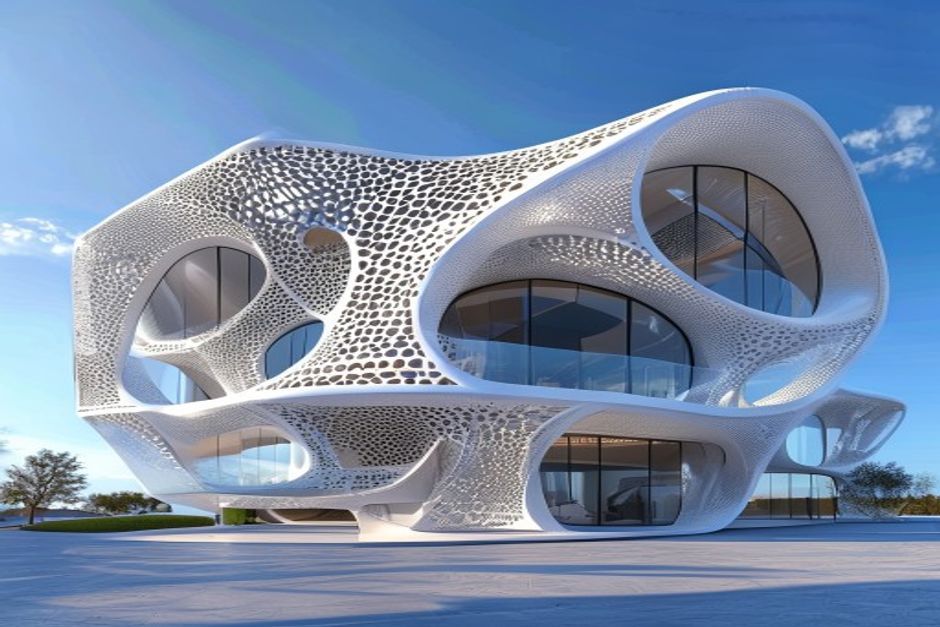
NASA's ambitious quest to establish lunar habitats has inadvertently sparked a revolution in terrestrial construction, thanks to an innovative 3D printing process developed by Branch Technology Inc. of Chattanooga, Tennessee. This groundbreaking technique, dubbed Freeform 3D Printing, moves beyond traditional layer-by-layer fabrication, creating structures with intricate, lightweight lattice frameworks that can be subsequently filled or coated. This method, initially conceived to outfit habitats on the Moon, is now paving the way for buildings on Earth that are not only aesthetically pleasing but also remarkably efficient and robust.
A New Paradigm in Building
Traditional 3D printing often involves extruding materials in layers, which can be time-consuming and limit design complexity. Branch Technology's Freeform 3D Printing, however, constructs a skeletal structure first. This open lattice design allows for greater design freedom, enabling complex curves and unique architectural forms that are difficult or impossible to achieve with conventional methods. Once the lattice is in place, it can be filled with insulation, concrete, or other building materials, or covered with facade elements. This approach significantly reduces material waste and construction time, offering substantial cost savings.
Space-Tested, Earth-Ready
The adaptability and strength of this technology were initially explored for the harsh conditions of space. The lightweight yet strong lattice structures are ideal for off-world construction, where every gram matters and durability is paramount. Now, on Earth, this same efficiency translates into faster construction of affordable housing, complex architectural designs, and even resilient structures capable of withstanding extreme weather. The potential applications are vast, from rapid disaster relief housing to the creation of sustainable, energy-efficient homes. Branch Technology's innovation serves as a powerful testament to how advancements in space exploration can yield tangible benefits for life on our own planet, making construction more beautiful, efficient, and strong.
चंद्रमा पर निवास स्थान स्थापित करने के नासा के महत्वाकांक्षी प्रयास ने अनजाने में ही ब्रांच टेक्नोलॉजी इंक. द्वारा विकसित एक अभिनव 3डी प्रिंटिंग प्रक्रिया के कारण, स्थलीय निर्माण में क्रांति ला दी है। चैतनूगा, टेनेसी की यह कंपनी, जिसे फ्रीफॉर्म 3डी प्रिंटिंग कहा जाता है, पारंपरिक परत-दर-परत निर्माण से आगे बढ़कर, हल्के जालीदार ढांचे वाली संरचनाएं बनाती है जिन्हें बाद में भरा या लेपित किया जा सकता है। यह विधि, जिसे मूल रूप से चंद्रमा पर आवासों को सुसज्जित करने के लिए डिज़ाइन किया गया था, अब पृथ्वी पर ऐसी इमारतें बना रही है जो न केवल सौंदर्य की दृष्टि से आकर्षक हैं, बल्कि असाधारण रूप से कुशल और मजबूत भी हैं।
निर्माण में एक नया प्रतिमान
पारंपरिक 3डी प्रिंटिंग में अक्सर परतों में सामग्री निकालना शामिल होता है, जो समय लेने वाला हो सकता है और डिजाइन की जटिलता को सीमित कर सकता है। हालांकि, ब्रांच टेक्नोलॉजी की फ्रीफॉर्म 3डी प्रिंटिंग पहले एक कंकाल संरचना का निर्माण करती है। यह ओपन जाली डिजाइन डिजाइन की अधिक स्वतंत्रता की अनुमति देता है, जिससे जटिल वक्र और अद्वितीय वास्तुशिल्प रूप संभव हो पाते हैं जो पारंपरिक तरीकों से प्राप्त करना मुश्किल या असंभव है। एक बार जाली स्थापित हो जाने के बाद, इसे इन्सुलेशन, कंक्रीट या अन्य निर्माण सामग्री से भरा जा सकता है, या मुखौटा तत्वों से ढका जा सकता है। यह दृष्टिकोण सामग्री की बर्बादी और निर्माण के समय को काफी कम करता है, जिससे लागत में महत्वपूर्ण बचत होती है।
अंतरिक्ष-परीक्षणित, पृथ्वी-तैयार
इस तकनीक की अनुकूलन क्षमता और ताकत को शुरू में अंतरिक्ष की कठोर परिस्थितियों के लिए खोजा गया था। हल्के फिर भी मजबूत जालीदार ढांचे ऑफ-वर्ल्ड निर्माण के लिए आदर्श हैं, जहां हर ग्राम मायने रखता है और स्थायित्व सर्वोपरि है। अब, पृथ्वी पर, यही दक्षता किफायती आवास, जटिल वास्तुशिल्प डिजाइन और यहां तक कि चरम मौसम का सामना करने में सक्षम मजबूत संरचनाओं के तेजी से निर्माण में परिवर्तित होती है। अनुप्रयोगों की संभावनाएं विशाल हैं, तीव्र आपदा राहत आवास से लेकर टिकाऊ, ऊर्जा-कुशल घरों के निर्माण तक। ब्रांच टेक्नोलॉजी का नवाचार अंतरिक्ष अन्वेषण में प्रगति से हमारे अपने ग्रह पर जीवन के लिए मूर्त लाभ कैसे प्राप्त हो सकते हैं, इसका एक शक्तिशाली प्रमाण है, जो निर्माण को अधिक सुंदर, कुशल और मजबूत बनाता है।
चंद्रावर निवासस्थाने उभारण्याच्या नासाच्या महत्त्वाकांक्षी मोहिमेतून, टेक्सास, चॅटानुगा येथील ब्रांच टेक्नॉलॉजी इंक. ने विकसित केलेल्या एका नाविन्यपूर्ण 3D प्रिंटिंग प्रक्रियेमुळे पृथ्वीवरील बांधकामात क्रांती घडली आहे. फ्रीफॉर्म 3D प्रिंटिंग म्हणून ओळखल्या जाणार्या या अत्याधुनिक तंत्रज्ञानामुळे, पारंपरिक थर-दर-थर बांधकामाच्या पलीकडे जाऊन, हलक्या वजनाच्या जाळीदार (lattice) संरचना तयार केल्या जातात, ज्या नंतर भरल्या किंवा झाकल्या जाऊ शकतात. चंद्रावरील निवासस्थानांसाठी मूळतः विचार केलेली ही पद्धत, आता पृथ्वीवर अशा इमारती तयार करण्यासाठी वापरली जात आहे, ज्या केवळ दिसायला आकर्षक नाहीत, तर अत्यंत कार्यक्षम आणि मजबूत देखील आहेत.
बांधकामातील एक नवीन प्रतिमान
पारंपारिक 3D प्रिंटिंगमध्ये अनेकदा एकावर एक थर रचून साहित्य बाहेर काढले जाते, जी प्रक्रिया वेळखाऊ असू शकते आणि डिझाइनची गुंतागुंत मर्यादित करू शकते. याउलट, ब्रांच टेक्नॉलॉजीचे फ्रीफॉर्म 3D प्रिंटिंग प्रथम एक आधारभूत (skeletal) संरचना तयार करते. हे ओपन जाळीचे डिझाइन अधिक डिझाइन स्वातंत्र्य देते, ज्यामुळे जटिल वक्र आणि अद्वितीय वास्तुशिल्पीय स्वरूपे शक्य होतात, जी पारंपारिक पद्धतींनी साध्य करणे कठीण किंवा अशक्य आहे. जाळी तयार झाल्यावर, ती इन्सुलेशन, काँक्रीट किंवा इतर बांधकाम साहित्याने भरली जाऊ शकते किंवा दर्शनी भागांनी (facade elements) झाकली जाऊ शकते. या दृष्टिकोनमुळे साहित्याचा अपव्यय आणि बांधकामाचा वेळ लक्षणीयरीत्या कमी होतो, ज्यामुळे खर्चात मोठी बचत होते.
अंतराळ-परीक्षित, पृथ्वी-सज्ज
या तंत्रज्ञानाची अनुकूलता आणि मजबुती सुरुवातीला अंतराळातील कठोर परिस्थितीसाठी तपासली गेली. हलकी पण मजबूत जाळीदार संरचना ऑफ-वर्ल्ड (off-world) बांधकामासाठी आदर्श आहेत, जिथे प्रत्येक ग्रॅम महत्त्वाचा असतो आणि टिकाऊपणा सर्वोपरी असतो. आता, पृथ्वीवर, हीच कार्यक्षमता परवडणारी घरे, जटिल वास्तुशिल्पीय डिझाइन आणि अगदी अत्यंत हवामानाचा सामना करण्यास सक्षम असलेल्या मजबूत संरचनांच्या जलद बांधकामात रूपांतरित होते. आपत्कालीन परिस्थितीत जलद निवारा पुरवण्यापासून ते टिकाऊ, ऊर्जा-कार्यक्षम घरांच्या निर्मितीपर्यंत, या तंत्रज्ञानाचा उपयोग विस्तृत आहे. ब्रांच टेक्नॉलॉजीचे हे नवोपक्रम अंतराळ संशोधनातील प्रगतीमुळे आपल्या ग्रहावरील जीवनासाठी ठोस फायदे कसे मिळू शकतात याचे एक शक्तिशाली प्रमाण आहे, ज्यामुळे बांधकाम अधिक सुंदर, कार्यक्षम आणि मजबूत बनत आहे.
চাঁদের আবাসস্থল স্থাপনে নাসার উচ্চাভিলাষী প্রয়াস, চ্যাটানুগা, টেনেসির ব্রাঞ্চ টেকনোলজি ইনকর্পোরেটেড দ্বারা উদ্ভাবিত এক যুগান্তকারী 3D প্রিন্টিং প্রক্রিয়ার মাধ্যমে পৃথিবীতে নির্মাণ শিল্পে এক নতুন দিগন্ত উন্মোচন করেছে। 'ফ্রিফর্ম 3D প্রিন্টিং' নামে পরিচিত এই প্রযুক্তি, প্রচলিত স্তর-ভিত্তিক নির্মাণ পদ্ধতির ঊর্ধ্বে গিয়ে, হালকা ওজনের ল্যাটিস (lattice) কাঠামো তৈরি করে, যা পরবর্তীতে অন্য সামগ্রী দিয়ে ভরাট বা আবৃত করা যায়। চাঁদের আবাসস্থলের জন্য প্রাথমিকভাবে তৈরি এই পদ্ধতিটি, এখন পৃথিবীতে এমন সব ভবন নির্মাণে সহায়তা করছে যা কেবল নান্দনিকভাবে আকর্ষণীয়ই নয়, বরং অত্যন্ত কার্যকর এবং টেকসইও বটে।
নির্মাণে এক নতুন প্রতিমান
প্রচলিত 3D প্রিন্টিংয়ে প্রায়শই স্তর অনুসারে উপাদান স্থাপন করা হয়, যা সময়সাপেক্ষ এবং নকশার জটিলতাকে সীমিত করতে পারে। তবে, ব্রাঞ্চ টেকনোলজির ফ্রিফর্ম 3D প্রিন্টিং প্রথমে একটি কঙ্কালসদৃশ কাঠামো তৈরি করে। এই উন্মুক্ত ল্যাটিস ডিজাইন নকশার ক্ষেত্রে অনেক বেশি স্বাধীনতা দেয়, যার ফলে জটিল বক্ররেখা এবং অনন্য স্থাপত্যশৈলী তৈরি করা সম্ভব হয়, যা প্রচলিত পদ্ধতিতে অর্জন করা কঠিন বা অসম্ভব। ল্যাটিস কাঠামোটি তৈরি হয়ে গেলে, এটিকে ইনসুলেশন, কংক্রিট বা অন্যান্য নির্মাণ সামগ্রী দিয়ে ভরাট করা যায়, অথবা ফেসেড (facade) উপাদান দিয়ে আবৃত করা যেতে পারে। এই পদ্ধতিটি উপকরণের অপচয় এবং নির্মাণের সময় উল্লেখযোগ্যভাবে হ্রাস করে, যার ফলে খরচের সাশ্রয় হয়।
মহাকাশ-পরীক্ষিত, পৃথিবী-প্রস্তুত
এই প্রযুক্তির অভিযোজনযোগ্যতা এবং শক্তি প্রাথমিকভাবে মহাকাশের কঠোর পরিবেশের জন্য পরীক্ষা করা হয়েছিল। হালকা ওজনের অথচ শক্তিশালী ল্যাটিস কাঠামো মহাকাশ-ভিত্তিক নির্মাণের জন্য আদর্শ, যেখানে প্রতিটি গ্রাম গুরুত্বপূর্ণ এবং স্থায়িত্ব অপরিহার্য। এখন পৃথিবীতে, এই একই কার্যকারিতা সাশ্রয়ী মূল্যের বাসস্থান, জটিল স্থাপত্য নকশা, এমনকি চরম আবহাওয়ার বিরুদ্ধে প্রতিরোধী কাঠামো নির্মাণের ক্ষেত্রে দ্রুত প্রয়োগ করা হচ্ছে। দুর্যোগ-পরবর্তী সময়ে দ্রুত আবাসন সরবরাহ থেকে শুরু করে টেকসই, শক্তি-সাশ্রয়ী বাড়ি নির্মাণ পর্যন্ত এর প্রয়োগের সম্ভাবনা ব্যাপক। ব্রাঞ্চ টেকনোলজির এই উদ্ভাবন মহাকাশ গবেষণার অগ্রগতি কীভাবে আমাদের পৃথিবীতে জীবনের জন্য বাস্তব সুবিধা বয়ে আনতে পারে, তার এক শক্তিশালী প্রমাণ, যা নির্মাণকে আরও সুন্দর, কার্যকর এবং শক্তিশালী করে তুলছে।
சந்திரனில் வசிப்பிடங்களை அமைப்பதற்கான நாசாவின் லட்சிய முயற்சி, டென்னசியின் சாattanooga-வில் உள்ள பிரான்ச் டெக்னாலஜி இன்க். உருவாக்கிய ஒரு புதுமையான 3D பிரிண்டிங் செயல்முறையின் மூலம், பூமியில் கட்டுமானத் துறையில் புரட்சியை ஏற்படுத்தியுள்ளது. 'ஃப்ரீஃபார்ம் 3D பிரிண்டிங்' என அழைக்கப்படும் இந்த தொழில்நுட்பம், பாரம்பரிய அடுக்கடுக்கான கட்டமைப்பைத் தாண்டி, இலகுரக பின்னல் (lattice) கட்டமைப்புகளை உருவாக்குகிறது. இவை பின்னர் நிரப்பப்படலாம் அல்லது மூடப்படலாம். சந்திரனில் வசிப்பிடங்களை மேம்படுத்துவதற்காக முதலில் உருவாக்கப்பட்ட இந்த முறை, இப்போது பூமியில் கட்டிடங்களை அழகாகவும், திறமையாகவும், வலுவாகவும் மாற்றுவதற்கு வழிவகுத்துள்ளது.
கட்டுமானத்தில் ஒரு புதிய முன்னுதாரணம்
பாரம்பரிய 3D பிரிண்டிங்கில் பெரும்பாலும் அடுக்குகளாகப் பொருட்களை வெளியேற்றுவது அடங்கும், இது நேரமெடுக்கும் மற்றும் வடிவமைப்பின் சிக்கலான தன்மையைக் கட்டுப்படுத்தலாம். இருப்பினும், பிரான்ச் டெக்னாலஜியின் ஃப்ரீஃபார்ம் 3D பிரிண்டிங் முதலில் ஒரு எலும்புக்கூடு போன்ற கட்டமைப்பை உருவாக்குகிறது. இந்த திறந்த பின்னல் வடிவமைப்பு அதிக வடிவமைப்பு சுதந்திரத்தை அனுமதிக்கிறது, இது சிக்கலான வளைவுகள் மற்றும் தனித்துவமான கட்டிடக்கலை வடிவங்களை சாத்தியமாக்குகிறது. இவை வழக்கமான முறைகள் மூலம் அடைவது கடினம் அல்லது இயலாதது. பின்னல் கட்டமைப்பு வைக்கப்பட்டவுடன், அதை காப்பு (insulation), கான்கிரீட் அல்லது பிற கட்டுமானப் பொருட்களால் நிரப்பலாம், அல்லது முகப்புப் பொருட்களால் மூடலாம். இந்த அணுகுமுறை பொருட்களின் கழிவுகளையும் கட்டுமான நேரத்தையும் கணிசமாகக் குறைக்கிறது, இது செலவில் குறிப்பிடத்தக்க சேமிப்பை வழங்குகிறது.
விண்வெளியில் சோதிக்கப்பட்டது, பூமிக்குத் தயார்
இந்த தொழில்நுட்பத்தின் ஏற்புத்திறன் மற்றும் வலிமை ஆரம்பத்தில் விண்வெளியின் கடுமையான நிலைமைகளுக்காக ஆராயப்பட்டது. இலகுரக ஆனால் வலிமையான பின்னல் கட்டமைப்புகள் விண்வெளிக்கு அப்பாற்பட்ட கட்டுமானத்திற்கு சிறந்தவை, அங்கு ஒவ்வொரு கிராமமும் முக்கியமானது மற்றும் நீடித்து நிலைப்பது மிக முக்கியமானது. இப்போது, பூமியில், இந்த அதே செயல்திறன் மலிவு விலையில் வீடுகள், சிக்கலான கட்டிடக்கலை வடிவமைப்புகள் மற்றும் தீவிர வானிலையைத் தாங்கும் திறன் கொண்ட வலுவான கட்டமைப்புகளின் விரைவான கட்டுமானமாக மாற்றப்படுகிறது. அவசர காலங்களில் விரைவான நிவாரண வீடுகள் கட்டுவது முதல் நிலையான, ஆற்றல்-திறனுள்ள வீடுகளை உருவாக்குவது வரை இதன் பயன்பாடுகள் பரந்தவை. பிரான்ச் டெக்னாலஜியின் கண்டுபிடிப்பு, விண்வெளி ஆய்வில் ஏற்பட்ட முன்னேற்றங்கள் நம் சொந்த கிரகத்தில் உள்ள வாழ்க்கைக்கு எவ்வாறு உறுதியான நன்மைகளைத் தர முடியும் என்பதற்கு ஒரு சக்திவாய்ந்த சான்றாகும், இது கட்டுமானத்தை மேலும் அழகாகவும், திறமையாகவும், வலுவாகவும் ஆக்குகிறது.
చంద్రునిపై నివాస స్థలాలను ఏర్పాటు చేయాలనే నాసా యొక్క ప్రతిష్టాత్మక అన్వేషణ, టెన్నెస్సీలోని చట్టనూగాకు చెందిన బ్రాంచ్ టెక్నాలజీ ఇంక్. అభివృద్ధి చేసిన ఒక వినూత్న 3D ప్రింటింగ్ ప్రక్రియ ద్వారా, భూమిపై నిర్మాణ రంగంలో ఒక విప్లవాన్ని సృష్టించింది. 'ఫ్రీఫార్మ్ 3D ప్రింటింగ్' అని పిలువబడే ఈ సాంకేతికత, సాంప్రదాయ పొరల వారీగా నిర్మించే పద్ధతులను దాటి, తేలికైన లాటిస్ (lattice) నిర్మాణాలను సృష్టిస్తుంది, వీటిని తరువాత పూరించవచ్చు లేదా కప్పవచ్చు. చంద్రునిపై నివాస స్థలాలను సన్నద్ధం చేయడానికి మొదట రూపొందించబడిన ఈ పద్ధతి, ఇప్పుడు భూమిపై భవనాలను అందంగా, సమర్థవంతంగా మరియు బలంగా మార్చడానికి మార్గం సుగమం చేస్తోంది.
నిర్మాణంలో ఒక కొత్త ప్రమాణం
సాంప్రదాయ 3D ప్రింటింగ్లో తరచుగా పొరలుగా పదార్థాన్ని బయటకు తీయడం జరుగుతుంది, ఇది సమయం తీసుకుంటుంది మరియు డిజైన్ సంక్లిష్టతను పరిమితం చేస్తుంది. అయితే, బ్రాంచ్ టెక్నాలజీ యొక్క ఫ్రీఫార్మ్ 3D ప్రింటింగ్ మొదట ఒక అస్థిపంజరం లాంటి నిర్మాణాన్ని సృష్టిస్తుంది. ఈ ఓపెన్ లాటిస్ డిజైన్ ఎక్కువ డిజైన్ స్వేచ్ఛను అనుమతిస్తుంది, ఇది సంక్లిష్టమైన వక్రతలు మరియు ప్రత్యేకమైన నిర్మాణ రూపాలను సాధ్యం చేస్తుంది, వీటిని సాంప్రదాయ పద్ధతుల ద్వారా సాధించడం కష్టం లేదా అసాధ్యం. లాటిస్ నిర్మాణం పూర్తయిన తర్వాత, దానిని ఇన్సులేషన్, కాంక్రీటు లేదా ఇతర నిర్మాణ సామగ్రితో పూరించవచ్చు, లేదా ముఖభాగం (facade) భాగాలతో కప్పవచ్చు. ఈ విధానం పదార్థాల వ్యర్థాలను మరియు నిర్మాణ సమయాన్ని గణనీయంగా తగ్గిస్తుంది, దీని వలన ఖర్చులో గణనీయమైన ఆదా జరుగుతుంది.
అంతరిక్ష-పరీక్షితం, భూమి-సిద్ధం
ఈ సాంకేతికత యొక్క అనుకూలత మరియు బలం మొదట అంతరిక్షం యొక్క కఠినమైన పరిస్థితుల కోసం అన్వేషించబడ్డాయి. తేలికైన ఇంకా బలమైన లాటిస్ నిర్మాణాలు ఆఫ్-వరల్డ్ (off-world) నిర్మాణానికి అనువైనవి, ఇక్కడ ప్రతి గ్రాము ముఖ్యమైనది మరియు మన్నిక చాలా అవసరం. ఇప్పుడు, భూమిపై, ఇదే సామర్థ్యం సరసమైన గృహాలు, సంక్లిష్టమైన నిర్మాణ నమూనాలు మరియు తీవ్రమైన వాతావరణాన్ని తట్టుకోగల దృఢమైన నిర్మాణాల వేగవంతమైన నిర్మాణంగా మారుతుంది. అత్యవసర పరిస్థితుల్లో వేగంగా సహాయక గృహాలను అందించడం నుండి స్థిరమైన, శక్తి-సమర్థవంతమైన గృహాలను నిర్మించడం వరకు దీని అప్లికేషన్లు విస్తృతమైనవి. బ్రాంచ్ టెక్నాలజీ యొక్క ఆవిష్కరణ, అంతరిక్ష పరిశోధనలో పురోగతి మన స్వంత గ్రహంపై జీవితానికి ఎలా వాస్తవ ప్రయోజనాలను అందిస్తుందో చెప్పడానికి ఒక శక్తివంతమైన నిదర్శనం, ఇది నిర్మాణాన్ని మరింత అందంగా, సమర్థవంతంగా మరియు బలంగా మారుస్తుంది.
ચંદ્ર પર રહેઠાણ બનાવવાના નાસાના મહત્વાકાંક્ષી પ્રયાસે, ચેટાનૂગા, ટેનેસીની બ્રાન્ચ ટેકનોલોજી ઇન્ક. દ્વારા વિકસિત એક નવીન 3D પ્રિન્ટિંગ પ્રક્રિયાને કારણે, પૃથ્વી પરના બાંધકામમાં ક્રાંતિ લાવી છે. 'ફ્રીફોર્મ 3D પ્રિન્ટિંગ' તરીકે ઓળખાતી આ પદ્ધતિ, પરંપરાગત સ્તર-દર-સ્તર નિર્માણથી આગળ વધીને, હળવા વજનના લેટિસ (lattice) સ્ટ્રક્ચર્સ બનાવે છે, જેને પછીથી ભરી શકાય છે અથવા ઢાંકી શકાય છે. ચંદ્ર પરના આવાસોને સજ્જ કરવા માટે મૂળરૂપે કલ્પના કરાયેલી આ પદ્ધતિ, હવે પૃથ્વી પર એવી ઇમારતો બનાવવા તરફ દોરી રહી છે જે માત્ર સુંદર જ નહીં, પરંતુ નોંધપાત્ર રીતે કાર્યક્ષમ અને મજબૂત પણ છે.
બાંધકામમાં એક નવું પ્રતિમાન
પરંપરાગત 3D પ્રિન્ટિંગમાં ઘણીવાર સ્તરોમાં સામગ્રીને બહાર કાઢવાનો સમાવેશ થાય છે, જે સમય માંગી શકે છે અને ડિઝાઇન જટિલતાને મર્યાદિત કરી શકે છે. જો કે, બ્રાન્ચ ટેકનોલોજીનું ફ્રીફોર્મ 3D પ્રિન્ટિંગ પ્રથમ એક હાડપિંજર જેવી રચના બનાવે છે. આ ઓપન લેટિસ ડિઝાઇન વધુ ડિઝાઇન સ્વતંત્રતાને મંજૂરી આપે છે, જે જટિલ વળાંકો અને અનન્ય આર્કિટેક્ચરલ સ્વરૂપોને શક્ય બનાવે છે જે પરંપરાગત પદ્ધતિઓ દ્વારા પ્રાપ્ત કરવા મુશ્કેલ અથવા અશક્ય છે. એકવાર લેટિસ ગોઠવાઈ જાય, પછી તેને ઇન્સ્યુલેશન, કોંક્રિટ અથવા અન્ય બાંધકામ સામગ્રીથી ભરી શકાય છે, અથવા ફેસેડ (facade) ઘટકોથી ઢાંકી શકાય છે. આ અભિગમ સામગ્રીના કચરાને અને બાંધકામના સમયને નોંધપાત્ર રીતે ઘટાડે છે, જેનાથી ખર્ચમાં નોંધપાત્ર બચત થાય છે.
અવકાશ-પરીક્ષિત, પૃથ્વી-તૈયાર
આ ટેકનોલોજીની અનુકૂલનક્ષમતા અને મજબૂતાઈ શરૂઆતમાં અવકાશની કઠોર પરિસ્થિતિઓ માટે શોધવામાં આવી હતી. હળવા વજનના છતાં મજબૂત લેટિસ સ્ટ્રક્ચર્સ ઓફ-વર્લ્ડ (off-world) બાંધકામ માટે આદર્શ છે, જ્યાં દરેક ગ્રામ મહત્વપૂર્ણ છે અને ટકાઉપણું સર્વોપરી છે. હવે, પૃથ્વી પર, આ જ કાર્યક્ષમતા પોસાય તેવા ઘરો, જટિલ આર્કિટેક્ચરલ ડિઝાઇન અને ભારે હવામાનનો સામનો કરી શકે તેવી મજબૂત રચનાઓના ઝડપી નિર્માણમાં રૂપાંતરિત થાય છે. આપત્તિ રાહત માટે ઝડપી આવાસ પૂરા પાડવાથી લઈને ટકાઉ, ઊર્જા-કાર્યક્ષમ ઘરોના નિર્માણ સુધીના તેના સંભવિત ઉપયોગો વિશાળ છે. બ્રાન્ચ ટેકનોલોજીની આ નવીનતા, અવકાશ સંશોધનમાં થયેલી પ્રગતિ આપણા પોતાના ગ્રહ પરના જીવન માટે નક્કર લાભો કેવી રીતે લાવી શકે છે તેનો એક શક્તિશાળી પુરાવો છે, જે બાંધકામને વધુ સુંદર, કાર્યક્ષમ અને મજબૂત બનાવે છે.
ਚੰਦਰਮਾ 'ਤੇ ਰਹਿਣ ਯੋਗ ਥਾਵਾਂ ਬਣਾਉਣ ਦੇ ਨਾਸਾ ਦੇ ਮਹੱਤਵਪੂਰਨ ਯਤਨਾਂ ਨੇ, ਚੈਟਾਨੂਗਾ, ਟੈਨੇਸੀ ਦੀ ਬ੍ਰਾਂਚ ਟੈਕਨੋਲੋਜੀ ਇੰਕ. ਦੁਆਰਾ ਵਿਕਸਿਤ ਇੱਕ ਨਵੀਨ 3D ਪ੍ਰਿੰਟਿੰਗ ਪ੍ਰਕਿਰਿਆ ਸਦਕਾ, ਧਰਤੀ 'ਤੇ ਨਿਰਮਾਣ ਖੇਤਰ ਵਿੱਚ ਕ੍ਰਾਂਤੀ ਲਿਆ ਦਿੱਤੀ ਹੈ। 'ਫ੍ਰੀਫਾਰਮ 3D ਪ੍ਰਿੰਟਿੰਗ' ਵਜੋਂ ਜਾਣੀ ਜਾਂਦੀ ਇਹ ਤਕਨੀਕ, ਰਵਾਇਤੀ ਤੌਰ 'ਤੇ ਪਰਤ-ਦਰ-ਪਰਤ ਨਿਰਮਾਣ ਤੋਂ ਅੱਗੇ ਵਧ ਕੇ, ਹਲਕੇ ਭਾਰ ਵਾਲੇ ਲੇਟਿਸ (lattice) ਢਾਂਚੇ ਬਣਾਉਂਦੀ ਹੈ, ਜਿਸਨੂੰ ਬਾਅਦ ਵਿੱਚ ਭਰਿਆ ਜਾਂ ਢੱਕਿਆ ਜਾ ਸਕਦਾ ਹੈ। ਚੰਦਰਮਾ 'ਤੇ ਰਹਿਣ ਯੋਗ ਥਾਵਾਂ ਨੂੰ ਸਜਾਉਣ ਲਈ ਸ਼ੁਰੂ ਵਿੱਚ ਕਲਪਨਾ ਕੀਤੀ ਗਈ ਇਹ ਵਿਧੀ, ਹੁਣ ਧਰਤੀ 'ਤੇ ਅਜਿਹੀਆਂ ਇਮਾਰਤਾਂ ਬਣਾਉਣ ਵੱਲ ਅਗਵਾਈ ਕਰ ਰਹੀ ਹੈ ਜੋ ਨਾ ਸਿਰਫ ਸੁਹਜਾਤਮਕ ਤੌਰ 'ਤੇ ਆਕਰਸ਼ਕ ਹਨ, ਬਲਕਿ ਬਹੁਤ ਕੁਸ਼ਲ ਅਤੇ ਮਜ਼ਬੂਤ ਵੀ ਹਨ।
ਨਿਰਮਾਣ ਵਿੱਚ ਇੱਕ ਨਵਾਂ ਮਾਡਲ
ਰਵਾਇਤੀ 3D ਪ੍ਰਿੰਟਿੰਗ ਵਿੱਚ ਅਕਸਰ ਸਮੱਗਰੀ ਨੂੰ ਪਰਤਾਂ ਵਿੱਚ ਬਾਹਰ ਕੱਢਣਾ ਸ਼ਾਮਲ ਹੁੰਦਾ ਹੈ, ਜੋ ਸਮਾਂ ਲੈਣ ਵਾਲਾ ਹੋ ਸਕਦਾ ਹੈ ਅਤੇ ਡਿਜ਼ਾਈਨ ਦੀ ਜਟਿਲਤਾ ਨੂੰ ਸੀਮਤ ਕਰ ਸਕਦਾ ਹੈ। ਹਾਲਾਂਕਿ, ਬ੍ਰਾਂਚ ਟੈਕਨੋਲੋਜੀ ਦੀ ਫ੍ਰੀਫਾਰਮ 3D ਪ੍ਰਿੰਟਿੰਗ ਪਹਿਲਾਂ ਇੱਕ ਪਿੰਜਰ ਵਰਗੀ ਬਣਤਰ ਬਣਾਉਂਦੀ ਹੈ। ਇਹ ਓਪਨ ਲੇਟਿਸ ਡਿਜ਼ਾਈਨ ਵਧੇਰੇ ਡਿਜ਼ਾਈਨ ਆਜ਼ਾਦੀ ਦੀ ਆਗਿਆ ਦਿੰਦਾ ਹੈ, ਜਿਸ ਨਾਲ ਗੁੰਝਲਦਾਰ ਵਕਰ ਅਤੇ ਵਿਲੱਖਣ ਆਰਕੀਟੈਕਚਰਲ ਆਕਾਰ ਸੰਭਵ ਹੁੰਦੇ ਹਨ ਜੋ ਰਵਾਇਤੀ ਤਰੀਕਿਆਂ ਨਾਲ ਪ੍ਰਾਪਤ ਕਰਨਾ ਮੁਸ਼ਕਲ ਜਾਂ ਅਸੰਭਵ ਹਨ। ਇੱਕ ਵਾਰ ਲੇਟਿਸ ਤਿਆਰ ਹੋ ਜਾਣ 'ਤੇ, ਇਸਨੂੰ ਇਨਸੂਲੇਸ਼ਨ, ਕੰਕਰੀਟ ਜਾਂ ਹੋਰ ਨਿਰਮਾਣ ਸਮੱਗਰੀ ਨਾਲ ਭਰਿਆ ਜਾ ਸਕਦਾ ਹੈ, ਜਾਂ ਫੇਸਡ (facade) ਤੱਤਾਂ ਨਾਲ ਢੱਕਿਆ ਜਾ ਸਕਦਾ ਹੈ। ਇਹ ਪਹੁੰਚ ਸਮੱਗਰੀ ਦੀ ਬਰਬਾਦੀ ਅਤੇ ਨਿਰਮਾਣ ਦੇ ਸਮੇਂ ਨੂੰ ਕਾਫ਼ੀ ਘਟਾਉਂਦੀ ਹੈ, ਜਿਸ ਨਾਲ ਲਾਗਤ ਵਿੱਚ ਮਹੱਤਵਪੂਰਨ ਬਚਤ ਹੁੰਦੀ ਹੈ।
ਪੁਲਾੜ-ਪ੍ਰੀਖਣ, ਧਰਤੀ-ਤਿਆਰ
ਇਸ ਤਕਨੀਕ ਦੀ ਅਨੁਕੂਲਤਾ ਅਤੇ ਮਜ਼ਬੂਤੀ ਸ਼ੁਰੂ ਵਿੱਚ ਪੁਲਾੜ ਦੀਆਂ ਕਠੋਰ ਸਥਿਤੀਆਂ ਲਈ ਖੋਜੀ ਗਈ ਸੀ। ਹਲਕੇ ਭਾਰ ਵਾਲੇ ਫਿਰ ਵੀ ਮਜ਼ਬੂਤ ਲੇਟਿਸ ਢਾਂਚੇ ਆਫ-ਵਰਲਡ (off-world) ਨਿਰਮਾਣ ਲਈ ਆਦਰਸ਼ ਹਨ, ਜਿੱਥੇ ਹਰ ਗ੍ਰਾਮ ਮਹੱਤਵਪੂਰਨ ਹੈ ਅਤੇ ਟਿਕਾਊਤਾ ਸਰਵਉੱਚ ਹੈ। ਹੁਣ, ਧਰਤੀ 'ਤੇ, ਇਹੀ ਕੁਸ਼ਲਤਾ ਕਿਫਾਇਤੀ ਘਰਾਂ, ਗੁੰਝਲਦਾਰ ਆਰਕੀਟੈਕਚਰਲ ਡਿਜ਼ਾਈਨਾਂ ਅਤੇ ਭਾਰੀ ਮੌਸਮ ਦਾ ਸਾਹਮਣਾ ਕਰਨ ਦੇ ਸਮਰੱਥ ਮਜ਼ਬੂਤ ਢਾਂਚਿਆਂ ਦੇ ਤੇਜ਼ ਨਿਰਮਾਣ ਵਿੱਚ ਬਦਲ ਜਾਂਦੀ ਹੈ। ਆਫ਼ਤ ਰਾਹਤ ਲਈ ਤੇਜ਼ੀ ਨਾਲ ਘਰ ਬਣਾਉਣ ਤੋਂ ਲੈ ਕੇ ਟਿਕਾਊ, ਊਰਜਾ-ਕੁਸ਼ਲ ਘਰ ਬਣਾਉਣ ਤੱਕ ਇਸਦੇ ਸੰਭਾਵੀ ਉਪਯੋਗ ਵਿਆਪਕ ਹਨ। ਬ੍ਰਾਂਚ ਟੈਕਨੋਲੋਜੀ ਦੀ ਇਹ ਨਵੀਨਤਾ ਇਸ ਗੱਲ ਦਾ ਇੱਕ ਸ਼ਕਤੀਸ਼ਾਲੀ ਸਬੂਤ ਹੈ ਕਿ ਪੁਲਾੜ ਖੋਜ ਵਿੱਚ ਹੋਈਆਂ ਤਰੱਕੀਆਂ ਸਾਡੇ ਆਪਣੇ ਗ੍ਰਹਿ 'ਤੇ ਜੀਵਨ ਲਈ ਕਿਵੇਂ ਠੋਸ ਲਾਭ ਲਿਆ ਸਕਦੀਆਂ ਹਨ, ਜਿਸ ਨਾਲ ਨਿਰਮਾਣ ਵਧੇਰੇ ਸੁੰਦਰ, ਕੁਸ਼ਲ ਅਤੇ ਮਜ਼ਬੂਤ ਬਣ ਰਿਹਾ ਹੈ।

💬 Comments