Breaking News
ताज़ा खबर
ताजी बातमी
সর্বশেষ সংবাদ
சமீபத்திய செய்தி
తాజా వార్త
તાજા સમાચાર
ਤਾਜ਼ਾ ਖ਼ਬਰ
Nepal's Glacial Lakes: A Looming Threat of Sudden Outburst Floods
नेपाल की हिमनद झीलें: अचानक बाढ़ का बढ़ता खतरा
नेपाळमधील हिमनदी तलाव: अचानक पूर येण्याचा वाढता धोका
নেপালের হিমবাহ হ্রদ: আকস্মিক বন্যার ক্রমবর্ধমান ঝুঁকি
நேபாள பனிப்பாறை ஏரிகள்: திடீர் வெள்ள அபாயம்
నేపాల్ హిమానీనద సరస్సులు: ఆకస్మిక వరదల పెరుగుతున్న ప్రమాదం
નેપાળના હિમનદી તળાવો: અચાનક પૂરનો વધતો ભય
ਨੇਪਾਲ ਦੀਆਂ ਗਲੇਸ਼ੀਅਰ ਝੀਲਾਂ: ਅਚਾਨਕ ਹੜ੍ਹਾਂ ਦਾ ਵਧਦਾ ਖਤਰਾ
By AI News Desk
🕐 29 August 2026, 12:33 PM
🔬 Science
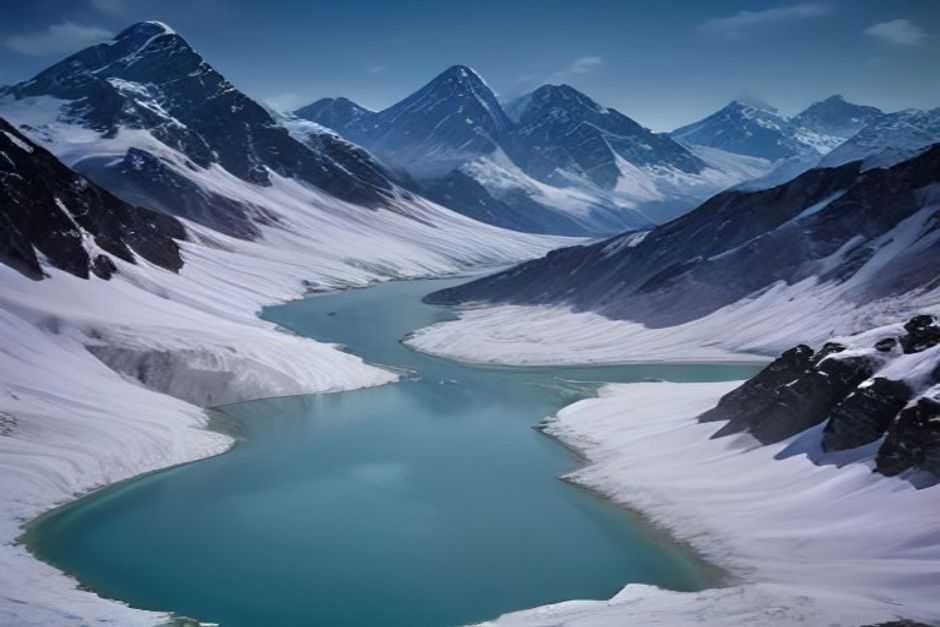
Nepal's majestic Himalayas are facing a growing and immediate threat from its rapidly forming glacial lakes. Alton Byers, a leading mountain geographer from the University of Colorado Boulder's Institute of Arctic and Alpine Research, has highlighted the precarious state of these lakes in a recent analysis for Al Jazeera. He warns that many newly formed glacial lakes, held precariously by loose debris from recent glacier collapses, could breach with little to no forewarning.
The Imminent Danger of GLOFs
These fragile natural dams pose a significant risk of Glacial Lake Outburst Floods (GLOFs). While natural drainage could potentially alleviate the pressure, artificial intervention, such as manual draining, carries its own set of severe risks. As seen in similar situations in Peru, attempts to lower the water level can inadvertently trigger a sudden and catastrophic outburst flood, leading to devastating consequences downstream.
Warming Permafrost: The Underlying Cause
Byers points to a critical factor driving this increased instability: warming permafrost. He suggests that the initial glacier collapse was likely not triggered by seismic activity, but rather by the thawing of permafrost – ground that has remained frozen for centuries. This thawing trend, significantly accelerated since the Industrial Revolution, is now destabilizing even the most remote and highest mountain terrains. This phenomenon is making massive ice and rock breaks, which create these new lakes, far more frequent than in the past.
Urgent Need for Monitoring and Early Warning
The implications of these destabilized glacial lakes are profound, threatening communities and infrastructure in the Himalayan region. The lack of stable natural formations means that these lakes represent a volatile and unpredictable hazard. The urgent need for enhanced monitoring systems and robust early warning mechanisms cannot be overstated. As climate change continues to push global temperatures higher, the risks associated with these glacial lakes are expected to escalate, demanding immediate attention and proactive mitigation strategies from international bodies and local authorities alike.
नेपाल के भव्य हिमालय तेजी से बन रही अपनी हिमनदों की झीलों से बढ़ते और तत्काल खतरे का सामना कर रहे हैं। कोलोराडो बोल्डर विश्वविद्यालय के इंस्टीट्यूट ऑफ आर्कटिक एंड अल्पाइन रिसर्च के एक प्रमुख माउंटेन भूगोलवेत्ता, एल्टन बायर्स ने अल जज़ीरा के लिए एक हालिया विश्लेषण में इन झीलों की नाजुक स्थिति पर प्रकाश डाला है। उन्होंने चेतावनी दी है कि हाल ही में हिमनदों के ढहने से उत्पन्न ढीले मलबे से बंधी कई नई हिमनद झीलें, बिना किसी पूर्व चेतावनी के फट सकती हैं।
ग्लेशियर लेक आउटबर्स्ट फ्लड (GLOFs) का आसन्न खतरा
ये नाजुक प्राकृतिक बांध ग्लेशियर लेक आउटबर्स्ट फ्लड (GLOFs) के महत्वपूर्ण जोखिम को प्रस्तुत करते हैं। यद्यपि प्राकृतिक जल निकासी संभावित रूप से दबाव को कम कर सकती है, लेकिन कृत्रिम हस्तक्षेप, जैसे कि मैनुअल ड्रेनेज, अपने गंभीर जोखिमों के साथ आता है। पेरू जैसी समान स्थितियों में देखे गए अनुसार, जल स्तर को कम करने के प्रयास अनजाने में अचानक और विनाशकारी बाढ़ को ट्रिगर कर सकते हैं, जिससे नीचे की ओर विनाशकारी परिणाम होंगे।
पिघलता पर्माफ्रॉस्ट: अंतर्निहित कारण
बायर्स इस बढ़ती अस्थिरता के एक महत्वपूर्ण कारक की ओर इशारा करते हैं: पिघलता पर्माफ्रॉस्ट। उनका सुझाव है कि प्रारंभिक हिमनद का ढहना संभवतः भूकंपीय गतिविधि के कारण नहीं हुआ था, बल्कि पर्माफ्रॉस्ट के पिघलने के कारण हुआ था - जो जमीन सदियों से जमी हुई थी। औद्योगिक क्रांति के बाद से काफी तेज हुई यह पिघलने की प्रवृत्ति, अब सबसे दूरस्थ और उच्चतम पहाड़ी इलाकों को भी अस्थिर कर रही है। यह घटना बड़े पैमाने पर बर्फ और चट्टान के टूटने को अधिक लगातार बना रही है, जिससे ये नई झीलें बन रही हैं।
निगरानी और प्रारंभिक चेतावनी की तत्काल आवश्यकता
इन अस्थिर हिमनद झीलों के निहितार्थ गहरे हैं, जो हिमालय क्षेत्र के समुदायों और बुनियादी ढांचे के लिए खतरा पैदा कर रहे हैं। स्थिर प्राकृतिक संरचनाओं की कमी का मतलब है कि ये झीलें एक अस्थिर और अप्रत्याशित खतरा प्रस्तुत करती हैं। उन्नत निगरानी प्रणाली और मजबूत प्रारंभिक चेतावनी तंत्र की तत्काल आवश्यकता को कम करके नहीं आंका जा सकता है। जैसे-जैसे जलवायु परिवर्तन वैश्विक तापमान को बढ़ाता जा रहा है, इन हिमनद झीलों से जुड़े जोखिमों के बढ़ने की उम्मीद है, जिसके लिए अंतरराष्ट्रीय निकायों और स्थानीय अधिकारियों दोनों से तत्काल ध्यान और सक्रिय शमन रणनीतियों की आवश्यकता है।
नेपाळचे भव्य हिमालय, वेगाने तयार होत असलेल्या हिमनदी तलावांमुळे वाढत्या आणि तात्काळ धोक्यात सापडले आहेत. युनिव्हर्सिटी ऑफ कॉलोराडो बोल्डरच्या इन्स्टिट्यूट ऑफ आर्कटिक अँड अल्पाइन रिसर्चमधील एक प्रमुख पर्वतीय भूगोलशास्त्रज्ञ, एल्टन बायर्स यांनी अल जझीरासाठी दिलेल्या ताज्या विश्लेषणामध्ये या तलावांच्या चिंताजनक स्थितीवर प्रकाश टाकला आहे. ते धोक्याची घंटा वाजवत आहेत की, हिमनदी कोसळल्यामुळे तयार झालेल्या ढिगाऱ्यांवर टिकून असलेले अनेक नव्याने तयार झालेले हिमनदी तलाव, कोणत्याही पूर्वसूचनेशिवाय फुटू शकतात.
ग्लेशियल लेक आउटबर्स्ट फ्लड (GLOFs) चा तात्काळ धोका
हे नैसर्गिकरित्या तयार झालेले कमकुवत बांध 'ग्लेशियल लेक आउटबर्स्ट फ्लड' (GLOFs) चा महत्त्वपूर्ण धोका निर्माण करतात. नैसर्गिक निचरा दाब कमी करू शकत असला तरी, कृत्रिम हस्तक्षेप, जसे की हाताने पाणी काढून टाकणे, यातही मोठे धोके आहेत. पेरूमधील अशाच परिस्थितीतून मिळालेल्या धड्यांनुसार, पाण्याची पातळी कमी करण्याचे प्रयत्न अनपेक्षितपणे अचानक आणि विनाशकारी पूर आणू शकतात, ज्यामुळे खालच्या भागांमध्ये मोठे नुकसान होऊ शकते.
उष्णतेमुळे वितळणारा पर्माफ्रॉस्ट: मूळ कारण
बायर्स या वाढत्या अस्थिरतेमागे एक महत्त्वपूर्ण घटक असल्याचे नमूद करतात: उष्णतेमुळे वितळणारा पर्माफ्रॉस्ट. त्यांच्या मते, सुरुवातीला हिमनदी कोसळण्याचे कारण भूकंपासारखी नैसर्गिक आपत्ती नसून, पर्माफ्रॉस्ट वितळणे हे असावे - जी जमीन शतकानुशतके गोठलेली होती. औद्योगिक क्रांतीनंतर या वितळण्याच्या प्रक्रियेने वेग घेतला असून, त्यामुळे आता अत्यंत दुर्गम आणि उंच पर्वतीय प्रदेशांमध्येही अस्थिरता निर्माण होत आहे. यामुळे बर्फ आणि खडकांचे मोठे तुकडे तुटण्याचे प्रमाण वाढले आहे, ज्यामुळे हे नवीन तलाव तयार होत आहेत.
निगरानी आणि पूर्व-सूचना प्रणालीची तातडीची गरज
या अस्थिर हिमनदी तलावांचे परिणाम दूरगामी आहेत, ज्यामुळे हिमालयीन प्रदेशातील समुदाय आणि पायाभूत सुविधा धोक्यात आल्या आहेत. स्थिर नैसर्गिक बांध नसल्यामुळे, हे तलाव एक अस्थिर आणि अप्रत्याशित धोका दर्शवतात. त्यामुळे, सुधारित निरीक्षण प्रणाली आणि प्रभावी पूर्व-सूचना यंत्रणांची तातडीची गरज आहे. हवामान बदलामुळे जागतिक तापमान वाढत असताना, या हिमनदी तलावांशी संबंधित धोके वाढण्याची शक्यता आहे, ज्यासाठी आंतरराष्ट्रीय संस्था आणि स्थानिक प्रशासनाकडून तात्काळ लक्ष आणि सक्रिय उपायांची आवश्यकता आहे.
নেপালের সুউচ্চ হিমালয় পর্বতমালা তার দ্রুত সৃষ্ট হিমবাহ হ্রদগুলির কারণে একটি ক্রমবর্ধমান এবং তাৎক্ষণিক হুমকির সম্মুখীন। ইউনিভার্সিটি অফ কলোরাডো বোল্ডারের ইনস্টিটিউট অফ আর্কটিক অ্যান্ড আলপাইন রিসার্চের একজন বিশিষ্ট পর্বত ভূগোলবিদ, আলটন বায়াস, সম্প্রতি আল জাজিরার একটি বিশ্লেষণে এই হ্রদগুলির ভঙ্গুর অবস্থার উপর আলোকপাত করেছেন। তিনি সতর্ক করেছেন যে, সাম্প্রতিক হিমবাহ ধসের ফলে সৃষ্ট আলগা ধ্বংসাবশেষ দ্বারা কেবল ধরে রাখা অনেক নবগঠিত হিমবাহ হ্রদ, কোনো পূর্ব সতর্কতা ছাড়াই ফেটে যেতে পারে।
হিমবাহ হ্রদ ফেটে যাওয়ার (GLOFs) আসন্ন বিপদ
এই ভঙ্গুর প্রাকৃতিক বাঁধগুলি 'গ্লেসিয়াল লেক আউটবার্স্ট ফ্লাড' (GLOFs) এর একটি উল্লেখযোগ্য ঝুঁকি তৈরি করে। যদিও প্রাকৃতিক নিষ্কাশন সম্ভাব্যভাবে চাপ কমাতে পারে, তবে ম্যানুয়াল ড্রেইনেজের মতো কৃত্রিম হস্তক্ষেপও গুরুতর ঝুঁকি বহন করে। পেরুর অনুরূপ পরিস্থিতিতে যেমন দেখা গেছে, জলের স্তর কমানোর প্রচেষ্টা অসাবধানতাবশত হঠাৎ এবং বিপর্যয়কর বন্যা সৃষ্টি করতে পারে, যার ফলে নিম্ন অঞ্চলে ধ্বংসাত্মক পরিণতি হতে পারে।
উষ্ণ পেরমাফ্রস্ট: অন্তর্নিহিত কারণ
বায়াস এই ক্রমবর্ধমান অস্থিরতার একটি গুরুত্বপূর্ণ চালিকা শক্তির দিকে ইঙ্গিত করেছেন: উষ্ণ পেরমাফ্রস্ট। তিনি পরামর্শ দিয়েছেন যে, প্রাথমিক হিমবাহ ধস সম্ভবত ভূমিকম্পের কারণে ঘটেনি, বরং পেরমাফ্রস্ট গলে যাওয়ার কারণে ঘটেছে – যা মাটি বহু শতাব্দী ধরে হিমায়িত ছিল। শিল্প বিপ্লবের পর থেকে এই গলে যাওয়ার প্রবণতা উল্লেখযোগ্যভাবে ত্বরান্বিত হয়েছে এবং এখন এটি অত্যন্ত দূরবর্তী ও সর্বোচ্চ পর্বতমাকেও অস্থিতিশীল করে তুলছে। এর ফলে বরফ ও পাথরের বড় ধরনের ভাঙন, যা এই নতুন হ্রদগুলি তৈরি করে, তা অতীতের তুলনায় অনেক বেশি ঘন ঘন ঘটছে।
পর্যবেক্ষণ এবং প্রাথমিক সতর্কতার জরুরি প্রয়োজন
এই অস্থিতিশীল হিমবাহ হ্রদগুলির প্রভাব সুদূরপ্রসারী, যা হিমালয় অঞ্চলের সম্প্রদায় এবং পরিকাঠামোর জন্য হুমকি সৃষ্টি করছে। স্থিতিশীল প্রাকৃতিক গঠনের অভাবের অর্থ হল এই হ্রদগুলি একটি অস্থির এবং অপ্রত্যাশিত বিপদ উপস্থাপন করে। উন্নত পর্যবেক্ষণ ব্যবস্থা এবং শক্তিশালী প্রাথমিক সতর্কতা ব্যবস্থার জরুরি প্রয়োজনকে কোনোভাবেই অবমূল্যায়ন করা যায় না। জলবায়ু পরিবর্তন বিশ্বব্যাপী তাপমাত্রা বাড়াতে থাকায়, এই হিমবাহ হ্রদগুলির সাথে সম্পর্কিত ঝুঁকিগুলি বাড়বে বলে আশা করা হচ্ছে, যার জন্য আন্তর্জাতিক সংস্থা এবং স্থানীয় কর্তৃপক্ষের কাছ থেকে তাৎক্ষণিক মনোযোগ এবং সক্রিয় প্রশমন কৌশল প্রয়োজন।
நேபாளத்தின் கம்பீரமான இமயமலைகள், வேகமாக உருவாகும் பனிப்பாறை ஏரிகளால் ஒரு வளர்ந்து வரும் மற்றும் உடனடி அச்சுறுத்தலை எதிர்கொள்கின்றன. கொலராடோ போல்டர் பல்கலைக்கழகத்தின் ஆர்க்டிக் மற்றும் ஆல்ப்பைன் ஆராய்ச்சி நிறுவனத்தின் முன்னணி மலை புவியியலாளர் ஆல்டன் பயர்ஸ், சமீபத்திய அல் ஜசீரா பகுப்பாய்வில் இந்த ஏரிகளின் நிலையற்ற தன்மையை எடுத்துக்காட்டியுள்ளார். சமீபத்திய பனிப்பாறை சரிவுகளிலிருந்து உருவான தளர்வான குப்பைகளால் மட்டுமே தடுக்கப்பட்ட பல புதிய பனிப்பாறை ஏரிகள், எந்தவித முன் எச்சரிக்கையும் இன்றி உடைந்துவிடக்கூடும் என்று அவர் எச்சரிக்கிறார்.
திடீர் பனிப்பாறை ஏரி வெடிப்பு வெள்ளத்தின் (GLOFs) உடனடி ஆபத்து
இந்த பலவீனமான இயற்கை அணைகள், 'கிளேசியல் லேக் அவுட்பர்ஸ்ட் ஃப்ளட்ஸ்' (GLOFs) எனப்படும் பேரழிவை ஏற்படுத்தும் வெள்ள அபாயத்தை கணிசமாக அதிகரிக்கின்றன. இயற்கையான வடிகால் அழுத்தத்தை தணிக்கக்கூடும் என்றாலும், கைமுறையாக வடிகட்டுதல் போன்ற செயற்கை தலையீடுகள் கடுமையான ஆபத்துக்களைக் கொண்டுள்ளன. பெரு நாட்டில் இதே போன்ற சூழ்நிலைகளில் காணப்பட்டது போல, நீர் மட்டத்தைக் குறைக்கும் முயற்சிகள் எதிர்பாராத விதமாக திடீர் மற்றும் பேரழிவு தரும் வெள்ளத்தை தூண்டக்கூடும், இது கீழ்நிலை பகுதிகளில் கடுமையான சேதத்தை ஏற்படுத்தும்.
வெப்பமயமாதல் பெர்மாஃப்ரோஸ்ட்: அடிப்படைக் காரணம்
இந்த அதிகரித்து வரும் நிலையற்ற தன்மைக்கு ஒரு முக்கிய காரணியாக பயர்ஸ் குறிப்பிடுகிறார்: வெப்பமயமாதல் பெர்மாஃப்ரோஸ்ட். ஆரம்பகால பனிப்பாறை சரிவு ஒரு பூகம்பத்தால் ஏற்பட்டிருக்காது, மாறாக பெர்மாஃப்ரோஸ்ட் உறைந்து போனதால் ஏற்பட்டிருக்கலாம் என்று அவர் கூறுகிறார் - பல நூற்றாண்டுகளாக உறைந்திருந்த மண் இது. தொழில்துறை புரட்சிக்குப் பிறகு இந்த உறைதல் போக்கு கணிசமாக துரிதப்படுத்தப்பட்டுள்ளது, இப்போது இது மிகவும் தொலைதூர மற்றும் உயரமான மலைப் பகுதிகளையும் நிலையற்றதாக்குகிறது. இது பனி மற்றும் பாறை உடைப்புகளை அடிக்கடி நிகழ்த்துகிறது, இது இந்த புதிய ஏரிகளை உருவாக்குகிறது.
கண்காணிப்பு மற்றும் ஆரம்ப எச்சரிக்கையின் அவசரத் தேவை
இந்த நிலையற்ற பனிப்பாறை ஏரிகளின் தாக்கங்கள் பரவலானவை, இது இமயமலைப் பிராந்தியத்தில் உள்ள சமூகங்களுக்கும் உள்கட்டமைப்புகளுக்கும் அச்சுறுத்தலாக உள்ளது. நிலையான இயற்கை அமைப்புகளின் பற்றாக்குறை என்பது இந்த ஏரிகள் ஒரு நிலையற்ற மற்றும் கணிக்க முடியாத ஆபத்தை முன்வைக்கின்றன என்பதாகும். மேம்பட்ட கண்காணிப்பு அமைப்புகள் மற்றும் வலுவான ஆரம்ப எச்சரிக்கை வழிமுறைகளின் அவசரத் தேவை மிக முக்கியமானது. காலநிலை மாற்றம் உலகளாவிய வெப்பநிலையை உயர்த்திக்கொண்டே இருப்பதால், இந்த பனிப்பாறை ஏரிகளுடன் தொடர்புடைய அபாயங்கள் அதிகரிக்கும் என்று எதிர்பார்க்கப்படுகிறது, இதற்கு சர்வதேச அமைப்புகள் மற்றும் உள்ளூர் அதிகாரிகளிடமிருந்து உடனடி கவனம் மற்றும் செயல்திறன் மிக்க தணிப்பு உத்திகள் தேவைப்படுகின்றன.
నేపాల్ యొక్క గంభీరమైన హిమాలయాలు, వేగంగా ఏర్పడుతున్న దాని హిమానీనద సరస్సుల నుండి పెరుగుతున్న మరియు తక్షణ ముప్పును ఎదుర్కొంటున్నాయి. కొలరాడో బౌల్డర్ విశ్వవిద్యాలయంలోని ఇన్స్టిట్యూట్ ఆఫ్ ఆర్కిటిక్ అండ్ ఆల్పైన్ రీసెర్చ్కు చెందిన ప్రముఖ పర్వత భూగోళ శాస్త్రవేత్త ఆల్టన్ బయ్యర్స్, ఇటీవలి అల్ జజీరా విశ్లేషణలో ఈ సరస్సుల యొక్క పెళుసుదనాన్ని హైలైట్ చేశారు. ఇటీవల హిమానీనదాలు కూలిపోవడం వల్ల ఏర్పడిన వదులుగా ఉన్న శిధిలాల ద్వారా మాత్రమే నిలిపివేయబడిన అనేక కొత్త హిమానీనద సరస్సులు, ఎటువంటి ముందస్తు హెచ్చరిక లేకుండా పగిలిపోగలవని ఆయన హెచ్చరిస్తున్నారు.
గ్లేసియల్ లేక్ అవుట్బర్స్ట్ ఫ్లడ్స్ (GLOFs) యొక్క ఆసన్న ప్రమాదం
ఈ పెళుసుగా ఉన్న సహజ ఆనకట్టలు 'గ్లేసియల్ లేక్ అవుట్బర్స్ట్ ఫ్లడ్స్' (GLOFs) నుండి గణనీయమైన ప్రమాదాన్ని కలిగిస్తాయి. సహజ డ్రైనేజీ ఒత్తిడిని తగ్గించగలిగినప్పటికీ, మాన్యువల్ డ్రైనేజ్ వంటి కృత్రిమ జోక్యాలు తీవ్రమైన ప్రమాదాలను కలిగి ఉంటాయి. పెరూలో ఇలాంటి పరిస్థితులలో చూసినట్లుగా, నీటి మట్టాన్ని తగ్గించే ప్రయత్నాలు అనుకోకుండా ఆకస్మిక మరియు వినాశకరమైన వరదను ప్రేరేపించగలవు, ఇది దిగువన వినాశకరమైన పరిణామాలకు దారితీస్తుంది.
వేడెక్కుతున్న పెర్మాఫ్రాస్ట్: అంతర్లీన కారణం
ఈ పెరుగుతున్న అస్థిరతకు ఒక కీలక కారకాన్ని బయ్యర్స్ ఎత్తి చూపుతున్నారు: వేడెక్కుతున్న పెర్మాఫ్రాస్ట్. ప్రారంభ హిమానీనద కూలిపోవడానికి భూకంపం కారణం కాకపోవచ్చని, బదులుగా పెర్మాఫ్రాస్ట్ కరిగిపోవడం వల్ల జరిగి ఉండవచ్చని ఆయన సూచిస్తున్నారు - ఇది శతాబ్దాలుగా ఘనీభవించిన నేల. పారిశ్రామిక విప్లవం తర్వాత ఈ కరిగే ధోరణి గణనీయంగా వేగవంతమైంది మరియు ఇప్పుడు ఇది అత్యంత మారుమూల మరియు ఎత్తైన పర్వత ప్రాంతాలను కూడా అస్థిరపరుస్తోంది. ఇది మంచు మరియు రాతి పగుళ్లను మరింత తరచుగా చేస్తుంది, ఇది ఈ కొత్త సరస్సులను సృష్టిస్తుంది.
పర్యవేక్షణ మరియు ముందస్తు హెచ్చరిక యొక్క అత్యవసర అవసరం
ఈ అస్థిర హిమానీనద సరస్సుల ప్రభావాలు దూరగామిగా ఉన్నాయి, ఇవి హిమాలయ ప్రాంతంలోని సంఘాలకు మరియు మౌలిక సదుపాయాలకు ముప్పు కలిగిస్తున్నాయి. స్థిరమైన సహజ ఆకృతుల కొరత అంటే ఈ సరస్సులు అస్థిరమైన మరియు అనూహ్యమైన ప్రమాదాన్ని కలిగిస్తాయి. మెరుగైన పర్యవేక్షణ వ్యవస్థలు మరియు బలమైన ముందస్తు హెచ్చరిక యంత్రాంగాల యొక్క తక్షణ అవసరాన్ని తక్కువ అంచనా వేయలేము. వాతావరణ మార్పు ప్రపంచ ఉష్ణోగ్రతలను పెంచుతూనే ఉన్నందున, ఈ హిమానీనద సరస్సులతో సంబంధం ఉన్న ప్రమాదాలు పెరుగుతాయని భావిస్తున్నారు, దీనికి అంతర్జాతీయ సంస్థలు మరియు స్థానిక అధికారుల నుండి తక్షణ దృష్టి మరియు క్రియాశీల ఉపశమన వ్యూహాలు అవసరం.
નેપાળના ભવ્ય હિમાલય, તેના ઝડપથી બની રહેલા હિમનદી તળાવોને કારણે વધતા અને તાત્કાલિક ભયનો સામનો કરી રહ્યા છે. યુનિવર્સિટી ઓફ કોલોરાડો બોલ્ડરની ઇન્સ્ટિટ્યૂટ ઓફ આર્કટિક એન્ડ આલ્પાઇન રિસર્ચના એક અગ્રણી પર્વતીય ભૂગોળશાસ્ત્રી, એલ્ટન બાયર્સ, તાજેતરના અલ જઝીરા વિશ્લેષણમાં આ તળાવોની નાજુક સ્થિતિ પર પ્રકાશ પાડ્યો છે. તેઓ ચેતવણી આપે છે કે, તાજેતરના હિમનદીના પતનથી બનેલા ઢીલા કાટમાળ દ્વારા માંડ માંડ રોકાયેલા અનેક નવા બનેલા હિમનદી તળાવો, કોઈપણ પૂર્વ ચેતવણી વિના ફાટી શકે છે.
હિમનદી તળાવ વિસ્ફોટ પૂર (GLOFs) નો તાત્કાલિક ભય
આ નાજુક કુદરતી બંધ 'ગ્લેશિયલ લેક આઉટબર્સ્ટ ફ્લડ્સ' (GLOFs) નો નોંધપાત્ર ભય ઉભો કરે છે. જ્યારે કુદરતી ડ્રેનેજ દબાણને સંભવિતપણે ઘટાડી શકે છે, ત્યારે મેન્યુઅલ ડ્રેનેજ જેવા કૃત્રિમ હસ્તક્ષેપમાં પણ ગંભીર જોખમો છે. પેરુ જેવી સમાન પરિસ્થિતિઓમાં જોવા મળ્યું છે તેમ, પાણીનું સ્તર ઘટાડવાના પ્રયાસો અજાણતાં અચાનક અને વિનાશક પૂરને ઉત્તેજીત કરી શકે છે, જેના કારણે નીચાણવાળા વિસ્તારોમાં વિનાશક પરિણામો આવી શકે છે.
ગરમ થતું પર્માફ્રોસ્ટ: મૂળભૂત કારણ
બાયર્સ આ વધતી જતી અસ્થિરતાના એક મુખ્ય પરિબળ તરફ નિર્દેશ કરે છે: ગરમ થતું પર્માફ્રોસ્ટ. તેઓ સૂચવે છે કે, પ્રારંભિક હિમનદીનું પતન સંભવતઃ ભૂકંપના કારણે થયું ન હતું, પરંતુ પર્માફ્રોસ્ટ પીગળવાને કારણે થયું હતું - જે જમીન સદીઓથી થીજી ગયેલી હતી. ઔદ્યોગિક ક્રાંતિ પછી આ પીગળવાની વૃત્તિ નોંધપાત્ર રીતે ઝડપી બની છે, અને હવે તે અત્યંત દૂરના અને ઊંચા પર્વતીય ભૂપ્રદેશોને પણ અસ્થિર બનાવી રહી છે. આનાથી બરફ અને પથ્થરોના મોટા ભંગાણ વધુ વારંવાર થઈ રહ્યા છે, જે આ નવા તળાવો બનાવે છે.
નિરીક્ષણ અને પ્રારંભિક ચેતવણીની તાત્કાલિક જરૂરિયાત
આ અસ્થિર હિમનદી તળાવોની અસરો દૂરગામી છે, જે હિમાલય પ્રદેશના સમુદાયો અને માળખાકીય સુવિધાઓ માટે ખતરો ઊભો કરે છે. સ્થિર કુદરતી બંધારણોનો અભાવ એટલે કે આ તળાવો એક અસ્થિર અને અણધાર્યો ભય રજૂ કરે છે. સુધારેલી નિરીક્ષણ પ્રણાલીઓ અને મજબૂત પ્રારંભિક ચેતવણી પદ્ધતિઓની તાત્કાલિક જરૂરિયાતને ઓછી આંકી શકાય નહીં. જેમ જેમ આબોહવા પરિવર્તન વૈશ્વિક તાપમાનને વધારતું રહેશે, તેમ તેમ આ હિમનદી તળાવો સાથે સંકળાયેલા જોખમો વધવાની અપેક્ષા છે, જેના માટે આંતરરાષ્ટ્રીય સંસ્થાઓ અને સ્થાનિક અધિકારીઓ બંને તરફથી તાત્કાલિક ધ્યાન અને સક્રિય ઘટાડવાની વ્યૂહરચનાઓની જરૂર છે.
ਨੇਪਾਲ ਦੇ ਸ਼ਾਨਦਾਰ ਹਿਮਾਲਿਆ, ਤੇਜ਼ੀ ਨਾਲ ਬਣ ਰਹੀਆਂ ਆਪਣੀਆਂ ਗਲੇਸ਼ੀਅਰ ਝੀਲਾਂ ਕਾਰਨ ਵਧਦੇ ਅਤੇ ਤਤਕਾਲ ਖਤਰੇ ਦਾ ਸਾਹਮਣਾ ਕਰ ਰਹੇ ਹਨ। ਕੋਲੋਰਾਡੋ ਬੋਲਡਰ ਯੂਨੀਵਰਸਿਟੀ ਦੇ ਇੰਸਟੀਚਿਊਟ ਆਫ ਆਰਕਟਿਕ ਐਂਡ ਅਲਪਾਈਨ ਰਿਸਰਚ ਦੇ ਇੱਕ ਪ੍ਰਮੁੱਖ ਪਹਾੜੀ ਭੂਗੋਲ ਸ਼ਾਸਤਰੀ, ਐਲਟਨ ਬਾਇਰਸ, ਨੇ ਹਾਲ ਹੀ ਵਿੱਚ ਅਲ ਜਜ਼ੀਰਾ ਨੂੰ ਦਿੱਤੇ ਇੱਕ ਵਿਸ਼ਲੇਸ਼ਣ ਵਿੱਚ ਇਨ੍ਹਾਂ ਝੀਲਾਂ ਦੀ ਨਾਜ਼ੁਕ ਸਥਿਤੀ 'ਤੇ ਚਾਨਣਾ ਪਾਇਆ ਹੈ। ਉਹ ਚੇਤਾਵਨੀ ਦਿੰਦੇ ਹਨ ਕਿ ਹਾਲ ਹੀ ਵਿੱਚ ਗਲੇਸ਼ੀਅਰਾਂ ਦੇ ਢਹਿਣ ਕਾਰਨ ਬਣੇ ਢਿੱਲੇ ਮਲਬੇ ਦੁਆਰਾ ਮੁਸ਼ਕਲ ਨਾਲ ਰੋਕੀਆਂ ਗਈਆਂ ਕਈ ਨਵੀਆਂ ਗਲੇਸ਼ੀਅਰ ਝੀਲਾਂ, ਬਿਨਾਂ ਕਿਸੇ ਪੂਰਵ ਚੇਤਾਵਨੀ ਦੇ ਫਟ ਸਕਦੀਆਂ ਹਨ।
ਗਲੇਸ਼ੀਅਰ ਝੀਲ ਵਿਸਫੋਟ ਹੜ੍ਹਾਂ (GLOFs) ਦਾ ਆਸੰਨ ਖਤਰਾ
ਇਹ ਨਾਜ਼ੁਕ ਕੁਦਰਤੀ ਬੰਨ੍ਹ 'ਗਲੇਸ਼ੀਅਰ ਝੀਲ ਆਊਟਬਰਸਟ ਹੜ੍ਹ' (GLOFs) ਦਾ ਮਹੱਤਵਪੂਰਨ ਖਤਰਾ ਪੈਦਾ ਕਰਦੇ ਹਨ। ਜਦੋਂ ਕਿ ਕੁਦਰਤੀ ਡਰੇਨੇਜ ਸੰਭਵ ਤੌਰ 'ਤੇ ਦਬਾਅ ਨੂੰ ਘਟਾ ਸਕਦਾ ਹੈ, ਮੈਨੂਅਲ ਡਰੇਨੇਜ ਵਰਗੇ ਨਕਲੀ ਦਖਲਅੰਦਾਜ਼ੀ ਵੀ ਗੰਭੀਰ ਜੋਖਮ ਲੈ ਕੇ ਆਉਂਦੇ ਹਨ। ਪੇਰੂ ਵਰਗੀਆਂ ਸਮਾਨ ਸਥਿਤੀਆਂ ਵਿੱਚ ਦੇਖਿਆ ਗਿਆ ਹੈ, ਪਾਣੀ ਦੇ ਪੱਧਰ ਨੂੰ ਘਟਾਉਣ ਦੇ ਯਤਨ ਅਣਜਾਣੇ ਵਿੱਚ ਅਚਾਨਕ ਅਤੇ ਵਿਨਾਸ਼ਕਾਰੀ ਹੜ੍ਹ ਨੂੰ ਪ੍ਰੇਰਿਤ ਕਰ ਸਕਦੇ ਹਨ, ਜਿਸ ਨਾਲ ਹੇਠਲੇ ਇਲਾਕਿਆਂ ਵਿੱਚ ਵਿਨਾਸ਼ਕਾਰੀ ਨਤੀਜੇ ਨਿਕਲ ਸਕਦੇ ਹਨ।
ਗਰਮ ਹੋ ਰਹੀ ਪਰਮਾਫ੍ਰੋਸਟ: ਅੰਤਰੀਵ ਕਾਰਨ
ਬਾਇਰਸ ਇਸ ਵਧ ਰਹੀ ਅਸਥਿਰਤਾ ਦੇ ਇੱਕ ਮੁੱਖ ਕਾਰਨ ਵੱਲ ਇਸ਼ਾਰਾ ਕਰਦੇ ਹਨ: ਗਰਮ ਹੋ ਰਹੀ ਪਰਮਾਫ੍ਰੋਸਟ। ਉਨ੍ਹਾਂ ਦਾ ਸੁਝਾਅ ਹੈ ਕਿ, ਸ਼ੁਰੂਆਤੀ ਗਲੇਸ਼ੀਅਰ ਢਹਿਣਾ ਸੰਭਵ ਤੌਰ 'ਤੇ ਭੂਚਾਲ ਕਾਰਨ ਨਹੀਂ ਹੋਇਆ ਸੀ, ਬਲਕਿ ਪਰਮਾਫ੍ਰੋਸਟ ਦੇ ਪਿਘਲਣ ਕਾਰਨ ਹੋਇਆ ਸੀ - ਜੋ ਜ਼ਮੀਨ ਸਦੀਆਂ ਤੋਂ ਜੰਮੀ ਹੋਈ ਸੀ। ਉਦਯੋਗਿਕ ਕ੍ਰਾਂਤੀ ਤੋਂ ਬਾਅਦ ਇਸ ਪਿਘਲਣ ਦੇ ਰੁਝਾਨ ਵਿੱਚ ਕਾਫ਼ੀ ਤੇਜ਼ੀ ਆਈ ਹੈ, ਅਤੇ ਹੁਣ ਇਹ ਸਭ ਤੋਂ ਦੂਰ-ਦੁਰਾਡੇ ਅਤੇ ਉੱਚੇ ਪਹਾੜੀ ਇਲਾਕਿਆਂ ਨੂੰ ਵੀ ਅਸਥਿਰ ਬਣਾ ਰਿਹਾ ਹੈ। ਇਹ ਬਰਫ਼ ਅਤੇ ਚੱਟਾਨ ਦੇ ਵੱਡੇ ਟੁੱਟਣ ਨੂੰ ਵਧੇਰੇ ਅਕਸਰ ਬਣਾ ਰਿਹਾ ਹੈ, ਜੋ ਇਨ੍ਹਾਂ ਨਵੀਆਂ ਝੀਲਾਂ ਨੂੰ ਬਣਾਉਂਦਾ ਹੈ।
ਨਿਗਰਾਨੀ ਅਤੇ ਪੂਰਵ-ਚੇਤਾਵਨੀ ਦੀ ਤੁਰੰਤ ਲੋੜ
ਇਨ੍ਹਾਂ ਅਸਥਿਰ ਗਲੇਸ਼ੀਅਰ ਝੀਲਾਂ ਦੇ ਪ੍ਰਭਾਵ ਦੂਰਗਾਮੀ ਹਨ, ਜੋ ਹਿਮਾਲੀਅਨ ਖੇਤਰ ਦੇ ਭਾਈਚਾਰਿਆਂ ਅਤੇ ਬੁਨਿਆਦੀ ਢਾਂਚੇ ਲਈ ਖ਼ਤਰਾ ਪੈਦਾ ਕਰਦੇ ਹਨ। ਸਥਿਰ ਕੁਦਰਤੀ ਬਣਤਰਾਂ ਦੀ ਘਾਟ ਦਾ ਮਤਲਬ ਹੈ ਕਿ ਇਹ ਝੀਲਾਂ ਇੱਕ ਅਸਥਿਰ ਅਤੇ ਅਣਪੂਰਨ ਖਤਰਾ ਪੇਸ਼ ਕਰਦੀਆਂ ਹਨ। ਸੁਧਰੀਆਂ ਨਿਗਰਾਨੀ ਪ੍ਰਣਾਲੀਆਂ ਅਤੇ ਮਜ਼ਬੂਤ ਪੂਰਵ-ਚੇਤਾਵਨੀ ਪ੍ਰਣਾਲੀਆਂ ਦੀ ਤੁਰੰਤ ਲੋੜ ਨੂੰ ਘੱਟ ਨਹੀਂ ਸਮਝਿਆ ਜਾ ਸਕਦਾ। ਜਿਵੇਂ ਕਿ ਜਲਵਾਯੂ ਪਰਿਵਰਤਨ ਵਿਸ਼ਵ ਦੇ ਤਾਪਮਾਨ ਨੂੰ ਵਧਾਉਂਦਾ ਰਹੇਗਾ, ਇਨ੍ਹਾਂ ਗਲੇਸ਼ੀਅਰ ਝੀਲਾਂ ਨਾਲ ਜੁੜੇ ਖਤਰੇ ਵਧਣ ਦੀ ਉਮੀਦ ਹੈ, ਜਿਸ ਲਈ ਅੰਤਰਰਾਸ਼ਟਰੀ ਸੰਸਥਾਵਾਂ ਅਤੇ ਸਥਾਨਕ ਅਧਿਕਾਰੀਆਂ ਦੋਵਾਂ ਤੋਂ ਤੁਰੰਤ ਧਿਆਨ ਅਤੇ ਕਿਰਿਆਸ਼ੀਲ ਘਟਾਉਣ ਦੀਆਂ ਰਣਨੀਤੀਆਂ ਦੀ ਲੋੜ ਹੈ।

💬 Comments