Breaking News
ताज़ा खबर
ताजी बातमी
সর্বশেষ সংবাদ
சமீபத்திய செய்தி
తాజా వార్త
તાજા સમાચાર
ਤਾਜ਼ਾ ਖ਼ਬਰ
Oil Prices Stabilize as President Biden Expresses Skepticism on Iran Ceasefire, Hormuz Closure Looms
ईरान से तनाव के बीच तेल की कीमतें स्थिर, हॉर्मुज जलडमरूमध्य पर अनिश्चितता
ईराण तणाव दरम्यान तेलाच्या किमती स्थिर, होर्मुझ सामुद्रधुनी बंद राहण्याची शक्यता
ইরানের সঙ্গে উত্তেজনা সত্ত্বেও তেলের দাম স্থিতিশীল, হরমুজ প্রণালীর উপর অনিশ্চয়তা
ஈரான் பதற்றம் இடையே எண்ணெய் விலை ஸ்திரமடைந்தது, ஹோர்முஸ் ஜலசந்தி மூடல் நீடிக்கிறது
ஈరాన్ ఉద్రిక్తతల నేపథ్యంలో చమురు ధరలు నిలకడగా ఉన్నాయి, హార్ముజ్ జలసంధి మూసివేత కొనసాగుతోంది
ઈરાન તણાવ વચ્ચે તેલના ભાવ સ્થિર, હોર્મુઝ જળસંધિનું બંધ ચાલુ રહેવાની શક્યતા
ਈਰਾਨ ਦੇ ਤਣਾਅ ਦਰਮਿਆਨ ਤੇਲ ਦੀਆਂ ਕੀਮਤਾਂ ਸਥਿਰ, ਹਾਰਮੂਜ਼ ਜਲਡਮਰੂ 'ਤੇ ਅਨਿਸ਼ਚਿਤਤਾ
By AI News Desk
🕐 13 May 2026, 07:36 AM
🌍 World
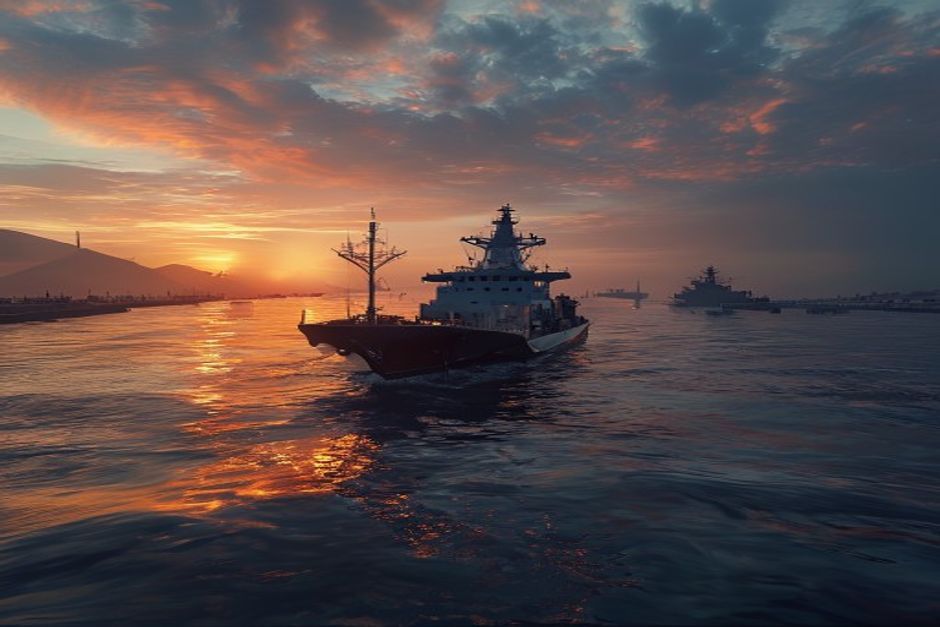
Global oil prices exhibited stability today, a stark contrast to the volatility expected amidst escalating tensions between the United States and Iran. The delicate equilibrium was maintained as President Donald Trump expressed skepticism regarding Iran's latest peace offer, casting a shadow over any potential ceasefire. This diplomatic deadlock effectively prolongs the precarious closure of the Strait of Hormuz, a critical chokepoint for global oil transport.
The Strait of Hormuz, through which approximately 30% of the world's seaborne oil trade passes, has been a focal point of geopolitical concern for weeks. Iran's recent actions and pronouncements have heightened fears of disruption, leading to significant price fluctuations in recent trading sessions. However, President Trump's latest remarks suggest that the US is not yet convinced by Tehran's overtures for de-escalation.
This stance has significant implications for the global energy market. Any prolonged closure or even a partial disruption of the Strait could lead to a sharp increase in crude oil prices, impacting economies worldwide. Consumers could face higher fuel costs, and businesses reliant on oil imports might struggle with increased operational expenses. The situation remains fluid, with market participants closely monitoring diplomatic channels and any further military posturing in the region.
Analysts suggest that while the immediate price stability is a relief, the underlying risks remain substantial. The rejection, or at least the skepticism, towards Iran's peace offer indicates that the diplomatic path is fraught with challenges. The world watches with bated breath as the potential for conflict continues to loom over one of the world's most vital strategic waterways. The coming days are crucial for understanding whether dialogue can prevail over confrontation, or if the world is headed for further economic turbulence driven by energy supply fears.
वैश्विक तेल की कीमतों में आज स्थिरता देखी गई, जो संयुक्त राज्य अमेरिका और ईरान के बीच बढ़ते तनाव के बीच अपेक्षित अस्थिरता के बिल्कुल विपरीत है। नाजुक संतुलन तब बना रहा जब राष्ट्रपति डोनाल्ड ट्रम्प ने ईरान के नवीनतम शांति प्रस्ताव पर संदेह व्यक्त किया, जिससे किसी भी संभावित युद्धविराम पर एक छाया पड़ गई। यह कूटनीतिक गतिरोध प्रभावी रूप से हॉर्मुज जलडमरूमध्य के अनिश्चितकालीन बंद को बढ़ा रहा है, जो वैश्विक तेल परिवहन के लिए एक महत्वपूर्ण मार्ग है।
हॉर्मुज जलडमरूमध्य, जिससे दुनिया के समुद्री तेल व्यापार का लगभग 30% गुजरता है, हफ्तों से भू-राजनीतिक चिंता का केंद्र रहा है। ईरान की हाल की कार्रवाइयों और घोषणाओं ने व्यवधान के डर को बढ़ा दिया है, जिससे हाल के कारोबारी सत्रों में कीमतों में महत्वपूर्ण उतार-चढ़ाव आया है। हालाँकि, राष्ट्रपति ट्रम्प की नवीनतम टिप्पणियों से पता चलता है कि अमेरिका अभी तक तेहरान के तनाव कम करने के प्रस्तावों से आश्वस्त नहीं है।
इस रुख का वैश्विक ऊर्जा बाजार पर महत्वपूर्ण प्रभाव पड़ता है। जलडमरूमध्य का कोई भी लंबे समय तक बंद या आंशिक व्यवधान कच्चे तेल की कीमतों में तेज वृद्धि का कारण बन सकता है, जिससे दुनिया भर की अर्थव्यवस्थाएं प्रभावित होंगी। उपभोक्ताओं को ईंधन की ऊंची कीमतें भुगतनी पड़ सकती हैं, और तेल आयात पर निर्भर व्यवसायों को परिचालन व्यय में वृद्धि के साथ संघर्ष करना पड़ सकता है। स्थिति तरल बनी हुई है, जिसमें बाजार प्रतिभागी कूटनीतिक चैनलों और क्षेत्र में किसी भी आगे की सैन्य तैनाती की बारीकी से निगरानी कर रहे हैं।
विश्लेषकों का सुझाव है कि जबकि तत्काल मूल्य स्थिरता एक राहत है, अंतर्निहित जोखिम काफी बने हुए हैं। ईरान के शांति प्रस्ताव की अस्वीकृति, या कम से कम संदेह, यह इंगित करता है कि कूटनीतिक मार्ग चुनौतियों से भरा है। दुनिया सांस रोके हुए देख रही है क्योंकि दुनिया के सबसे महत्वपूर्ण रणनीतिक जलमार्गों में से एक पर संघर्ष की संभावना बनी हुई है। यह समझने के लिए आने वाले दिन महत्वपूर्ण हैं कि क्या बातचीत टकराव पर हावी हो सकती है, या यदि दुनिया ऊर्जा आपूर्ति की चिंताओं से प्रेरित आर्थिक उथल-पुथल की ओर बढ़ रही है।
जागतिक तेल बाजारात आज स्थिरता दिसून आली, जी अमेरिका आणि इराणमधील वाढत्या तणावाच्या पार्श्वभूमीवर अपेक्षित असलेल्या अस्थिरतेच्या अगदी उलट आहे. इराणने देऊ केलेल्या नवीन शांतता प्रस्तावावर राष्ट्राध्यक्ष डोनाल्ड ट्रम्प यांनी शंका व्यक्त केल्याने तणावाचे नाजूक संतुलन कायम राहिले, ज्यामुळे कोणत्याही संभाव्य युद्धविरामावर प्रश्नचिन्ह निर्माण झाले आहे. या राजनैतिक गतिरोधामुळे हॉर्मुझ सामुद्रधुनीचे प्रभावीपणे बंद राहणे कायम राहण्याची शक्यता आहे, जी जागतिक तेल वाहतुकीसाठी एक महत्त्वपूर्ण मार्ग आहे.
हॉर्मुज सामुद्रधुनी, ज्यातून जगाच्या समुद्री तेल व्यापाराचा सुमारे 30% भाग जातो, गेल्या अनेक आठवड्यांपासून भू-राजकीय चिंतेचे केंद्र बनली आहे. इराणच्या अलीकडील कृती आणि वक्तव्यांमुळे व्यत्ययाच्या भीतीमध्ये वाढ झाली आहे, ज्यामुळे अलीकडील ट्रेडिंग सत्रांमध्ये किंमतींमध्ये लक्षणीय चढ-उतार दिसून आले. तथापि, राष्ट्राध्यक्ष ट्रम्प यांच्या नवीनतम वक्तव्यांवरून असे सूचित होते की अमेरिका अजूनही तेहरानच्या तणाव कमी करण्याच्या आश्वासनांवर समाधानी नाही.
या भूमिकेचे जागतिक ऊर्जा बाजारावर महत्त्वपूर्ण परिणाम होतील. सामुद्रधुनीचे कोणतेही दीर्घकाळ चालणारे बंद किंवा अंशतः व्यत्यय आल्यास कच्च्या तेलाच्या किमतीत तीव्र वाढ होऊ शकते, ज्यामुळे जगभरातील अर्थव्यवस्थांवर परिणाम होईल. ग्राहकांना इंधनाच्या वाढलेल्या किमतींना सामोरे जावे लागू शकते आणि तेल आयातीवर अवलंबून असलेल्या व्यवसायांना वाढलेल्या कार्यान्वयन खर्चाचा सामना करावा लागू शकतो. परिस्थिती अजूनही तरल आहे, बाजारातील सहभागी कूटनीतिक मार्गांवर आणि प्रदेशातील कोणत्याही पुढील लष्करी हालचालींवर बारकाईने लक्ष ठेवून आहेत.
विश्लेषकांच्या मते, जरी तात्काळ किंमत स्थिरता दिलासादायक असली तरी, मूळ धोके लक्षणीय आहेत. इराणच्या शांतता प्रस्तावाला मिळालेला नकार, किंवा किमान शंका, हे दर्शवते की राजनैतिक मार्ग आव्हानांनी भरलेला आहे. जगातील सर्वात महत्त्वाच्या धोरणात्मक जलमार्गांपैकी एकावर संघर्षाची शक्यता कायम असल्याने जग मोठ्या श्वास रोखून पाहत आहे. संवाद संघर्षावर मात करू शकतो की नाही, किंवा ऊर्जा पुरवठ्याच्या भीतीमुळे जग आणखी आर्थिक अस्थिरतेकडे वाटचाल करत आहे, हे समजून घेण्यासाठी येणारे दिवस महत्त्वपूर्ण आहेत.
বিশ্বজুড়ে তেলের দামে আজ স্থিতিশীলতা দেখা গেছে, যা মার্কিন যুক্তরাষ্ট্র ও ইরানের মধ্যে ক্রমবর্ধমান উত্তেজনার কারণে প্রত্যাশিত অস্থিরতার সম্পূর্ণ বিপরীত। সম্প্রতি ইরান কর্তৃক পেশ করা একটি শান্তি প্রস্তাবকে মার্কিন প্রেসিডেন্ট ডোনাল্ড ট্রাম্প প্রত্যাখ্যান করায় এই উত্তেজনাপূর্ণ পরিস্থিতি তৈরি হয়েছে, যা যেকোনও যুদ্ধবিরতির সম্ভাবনাকে ক্ষীণ করে দিয়েছে। এই কূটনৈতিক অচলাবস্থার কারণে হরমুজ প্রণালী, যা বিশ্বজুড়ে তেল পরিবহনের একটি গুরুত্বপূর্ণ পথ, তা বন্ধ থাকার সম্ভাবনা আরও দীর্ঘায়িত হচ্ছে।
হরমুজ প্রণালী, যা দিয়ে বিশ্বের প্রায় ৩০% সমুদ্রপথে পরিবাহিত তেল চলাচল করে, গত কয়েক সপ্তাহ ধরেই ভূ-রাজনৈতিক উদ্বেগের কেন্দ্রবিন্দুতে রয়েছে। ইরানের সাম্প্রতিক কর্মকাণ্ড এবং ঘোষণায় সরবরাহ ব্যাহত হওয়ার আশঙ্কা বেড়েছে, যার ফলে সাম্প্রতিক বাণিজ্য सत्रগুলিতে তেলের দামে উল্লেখযোগ্য ওঠানামা দেখা গেছে। তবে, প্রেসিডেন্ট ট্রাম্পের সাম্প্রতিক মন্তব্য ইঙ্গিত দেয় যে, তেহরানের উত্তেজনা হ্রাস করার প্রস্তাবগুলির ব্যাপারে আমেরিকা এখনও আশ্বস্ত নয়।
এই অবস্থানের বৈশ্বিক জ্বালানি বাজারের উপর সুদূরপ্রসারী প্রভাব রয়েছে। হরমুজ প্রণালীর যেকোনো দীর্ঘস্থায়ী বা আংশিক বাধা অপরিশোধিত তেলের দামে তীব্র বৃদ্ধি ঘটাতে পারে, যা বিশ্বব্যাপী অর্থনীতিকে প্রভাবিত করবে। ভোক্তাদের জ্বালানির উচ্চমূল্যের সম্মুখীন হতে হতে পারে এবং তেল আমদানির উপর নির্ভরশীল ব্যবসায়িক প্রতিষ্ঠানগুলিকে বর্ধিত পরিচালন ব্যয়ের সাথে লড়াই করতে হতে পারে। পরিস্থিতি এখনও পরিবর্তনশীল, এবং বাজার অংশগ্রহণকারীরা কূটনৈতিক প্রচেষ্টা এবং এই অঞ্চলে যেকোনো সামরিক কার্যকলাপের উপর নিবিড়ভাবে নজর রাখছে।
বাজার বিশ্লেষকরা মনে করেন যে, যদিও তেলের দামের এই তাৎক্ষণিক স্থিতিশীলতা একটি স্বস্তির বিষয়, তবে অন্তর্নিহিত ঝুঁকিগুলি এখনও যথেষ্ট গুরুতর। ইরানের শান্তি প্রস্তাবকে প্রত্যাখ্যান করা বা সন্দেহ প্রকাশ করা এটাই ইঙ্গিত দেয় যে, কূটনৈতিক পথ চ্যালেঞ্জে পরিপূর্ণ। বিশ্বের অন্যতম গুরুত্বপূর্ণ কৌশলগত জলপথে সম্ভাব্য সংঘাতের কালো মেঘ ঘনীভূত হওয়ায়, বিশ্ব শ্বাসরুদ্ধ করে অপেক্ষা করছে। আসছে দিনগুলো নির্ধারণ করবে যে, আলোচনা কি সংঘাতের উপর বিজয়ী হতে পারবে, নাকি বিশ্ব জ্বালানি সরবরাহের আশঙ্কার কারণে আরও বেশি অর্থনৈতিক আলোড়নের দিকে এগিয়ে যাবে।
உலகளாவிய எண்ணெய் விலைகள் இன்று ஸ்திரத்தன்மையைக் காட்டின. அமெரிக்காவிற்கும் ஈரானுக்கும் இடையிலான பதற்றம் அதிகரித்துள்ள நிலையில், இது ஒரு குறிப்பிடத்தக்க மாறுபாடு. சமீபத்திய அமைதி சலுகையை ஈரானிய அதிபர் டொனால்ட் டிரம்ப் நிராகரித்ததால், ஒரு சாத்தியமான போர் நிறுத்தத்தின் மீதான சந்தேகம் நீடித்துள்ளது. இந்த இராஜதந்திர முட்டுக்கட்டை, உலகளாவிய எண்ணெய் போக்குவரத்திற்கு இன்றியமையாத ஹோர்முஸ் ஜலசந்தியின் தற்போதைய மூடுதலை நீட்டிப்பதாக அமைகிறது.
ஹோர்முஸ் ஜலசந்தி, உலகின் கடல்வழி எண்ணெய் வர்த்தகத்தில் சுமார் 30% பரிமாற்றம் செய்யப்படும் ஒரு முக்கிய வழித்தடமாகும். கடந்த பல வாரங்களாக இது புவிசார் அரசியல் கவலைகளின் மையமாக இருந்து வருகிறது. ஈரானின் சமீபத்திய நடவடிக்கைகள் மற்றும் அறிக்கைகள் விநியோகத்தில் இடையூறு ஏற்படுமோ என்ற அச்சத்தை அதிகரித்துள்ளன, இதனால் சமீபத்திய வர்த்தக அமர்வுகளில் விலை ஏற்ற இறக்கங்கள் ஏற்பட்டன. இருப்பினும், அதிபர் டிரம்ப்பின் சமீபத்திய கருத்துக்கள், தெஹ்ரானின் பதற்றத்தைத் தணிக்கும் முயற்சிகளில் அமெரிக்கா இன்னும் முழுமையாக நம்பவில்லை என்பதைக் காட்டுகிறது.
இந்த நிலைப்பாடு உலகளாவிய எரிசக்தி சந்தையில் குறிப்பிடத்தக்க தாக்கங்களை ஏற்படுத்தும். ஹோர்முஸ் ஜலசந்தியின் எந்தவொரு நீண்டகால மூடல் அல்லது ஓரளவு இடையூறு கூட கச்சா எண்ணெய் விலைகளில் கூர்மையான உயர்வுக்கு வழிவகுக்கும், இது உலகப் பொருளாதாரங்களைப் பாதிக்கும். நுகர்வோர் அதிக எரிபொருள் செலவுகளை எதிர்கொள்ள நேரிடும், மேலும் எண்ணெய் இறக்குமதியைச் சார்ந்திருக்கும் வணிகங்கள் அதிகரித்த செயல்பாட்டுச் செலவுகளுடன் போராட வேண்டியிருக்கும். நிலைமை தொடர்ந்து மாறக்கூடியதாக உள்ளது, சந்தை பங்குதாரர்கள் இராஜதந்திர பேச்சுவார்த்தைகளையும், அப்பகுதியில் ஏற்படக்கூடிய எந்தவொரு இராணுவ நடவடிக்கைகளையும் உன்னிப்பாகக் கண்காணித்து வருகின்றனர்.
சந்தை ஆய்வாளர்களின் கூற்றுப்படி, தற்போதைய விலை ஸ்திரத்தன்மை ஒரு நிவாரணமாக இருந்தாலும், அடிப்படை ஆபத்துகள் கணிசமாகவே உள்ளன. ஈரானின் அமைதி சலுகையை நிராகரிப்பது அல்லது சந்தேகிப்பது, இராஜதந்திர பாதை சவால்கள் நிறைந்தது என்பதை உணர்த்துகிறது. உலகின் மிக முக்கியமான மூலோபாய நீர்வழிகளில் ஒன்றில் மோதலுக்கான சாத்தியக்கூறுகள் தொடர்வதால், உலகம் மூச்சைப் பிடித்துக்கொண்டு காத்திருக்கிறது. பேச்சுவார்த்தை மோதலை வெல்லுமா அல்லது உலகப் பொருளாதாரம் எரிசக்தி விநியோக அச்சங்களால் மேலும் கொந்தளிப்பை நோக்கிச் செல்லுமா என்பதைப் புரிந்துகொள்ள வரும் நாட்கள் முக்கியமானவை.
ప్రపంచ చమురు ధరలు నేడు నిలకడగా ఉన్నాయి. అమెరికా మరియు ఇరాన్ మధ్య పెరుగుతున్న ఉద్రిక్తతల నేపథ్యంలో, ఇది ఊహించిన అస్థిరతకు భిన్నంగా ఉంది. ఇరాన్ యొక్క తాజా శాంతి ప్రతిపాదనపై అమెరికా అధ్యక్షుడు డోనాల్డ్ ట్రంప్ సందేహాలు వ్యక్తం చేయడంతో, ఏదైనా సంధికి అవకాశంపై అనిశ్చితి నెలకొంది. ఈ దౌత్యపరమైన ప్రతిష్టంభన, ప్రపంచ చమురు రవాణాకు కీలకమైన హార్ముజ్ జలసంధి మూసివేతను పొడిగిస్తోంది.
ప్రపంచంలోని సముద్ర వాణిజ్య చమురులో సుమారు 30% రవాణా అయ్యే హార్ముజ్ జలసంధి, గత కొన్ని వారాలుగా భౌగోళిక-రాజకీయ ఆందోళనలకు కేంద్ర బిందువుగా మారింది. ఇరాన్ యొక్క ఇటీవలి చర్యలు మరియు ప్రకటనలు సరఫరా అంతరాయాల భయాలను పెంచాయి, దీనివల్ల ఇటీవలి వాణిజ్య సెషన్లలో ధరలలో గణనీయమైన హెచ్చుతగ్గులు చోటు చేసుకున్నాయి. అయితే, అధ్యక్షుడు ట్రంప్ యొక్క తాజా వ్యాఖ్యలు, టెహ్రాన్ యొక్క ఉద్రిక్తతలను తగ్గించే ప్రతిపాదనలపై అమెరికా ఇంకా సంతృప్తి చెందలేదని సూచిస్తున్నాయి.
ఈ వైఖరి ప్రపంచ ఇంధన మార్కెట్పై గణనీయమైన ప్రభావాలను చూపుతుంది. హార్ముజ్ జలసంధి యొక్క ఏదైనా సుదీర్ఘ మూసివేత లేదా పాక్షిక అంతరాయం ముడి చమురు ధరలలో తీవ్రమైన పెరుగుదలకు దారితీయవచ్చు, ఇది ప్రపంచవ్యాప్తంగా ఆర్థిక వ్యవస్థలను ప్రభావితం చేస్తుంది. వినియోగదారులు అధిక ఇంధన ధరలను ఎదుర్కోవచ్చు మరియు చమురు దిగుమతులపై ఆధారపడిన వ్యాపారాలు పెరిగిన కార్యాచరణ ఖర్చులతో పోరాడవలసి ఉంటుంది. పరిస్థితి ఇంకా అస్థిరంగా ఉంది, మార్కెట్ పాల్గొనేవారు దౌత్య మార్గాలను మరియు ఆ ప్రాంతంలో తదుపరి సైనిక కార్యకలాపాలను నిశితంగా గమనిస్తున్నారు.
విశ్లేషకుల అభిప్రాయం ప్రకారం, తక్షణ ధరల స్థిరత్వం ఒక ఉపశమనమే అయినప్పటికీ, అంతర్లీనంగా ఉన్న ప్రమాదాలు గణనీయంగా ఉన్నాయి. ఇరాన్ యొక్క శాంతి ప్రతిపాదనను తిరస్కరించడం లేదా సందేహించడం, దౌత్య మార్గం సవాళ్లతో కూడుకున్నదని సూచిస్తుంది. ప్రపంచంలోని అత్యంత కీలకమైన వ్యూహాత్మక జలమార్గాలలో ఒకదానిపై ఘర్షణ సంభావ్యత కొనసాగుతున్నందున, ప్రపంచం ఊపిరి బిగపట్టి చూస్తోంది. రాబోయే రోజులు చర్చలు ఘర్షణపై విజయం సాధిస్తాయా లేదా ఇంధన సరఫరా భయాల వల్ల ప్రపంచం మరింత ఆర్థిక అస్థిరత వైపు వెళుతుందా అనే దానిని అర్థం చేసుకోవడానికి కీలకం.
વૈશ્વિક તેલના ભાવ આજે સ્થિર રહ્યા હતા, જે અમેરિકા અને ઈરાન વચ્ચે વધી રહેલા તણાવ વચ્ચે અપેક્ષિત અસ્થિરતાથી તદ્દન વિપરીત છે. રાષ્ટ્રપતિ ડોનાલ્ડ ટ્રમ્પે ઈરાનના તાજેતરના શાંતિ પ્રસ્તાવ પર શંકા વ્યક્ત કરતાં, કોઈપણ સંભવિત યુદ્ધવિરામ પર અનિશ્ચિતતા છવાઈ ગઈ છે. આ રાજદ્વારી ગતિરોધ, હોર્મુઝ જળસંધિના અસરકારક બંધને લંબાવી રહ્યો છે, જે વૈશ્વિક તેલ પરિવહન માટે નિર્ણાયક માર્ગ છે.
હોર્મુઝ જળસંધિ, જેમાંથી વિશ્વના દરિયાઈ તેલ વેપારનો લગભગ 30% પસાર થાય છે, છેલ્લા કેટલાક અઠવાડિયાથી ભૌગોલિક-રાજકીય ચિંતાઓનું કેન્દ્રબિંદુ બન્યું છે. ઈરાનની તાજેતરની કાર્યવાહી અને ઘોષણાઓએ પુરવઠામાં વિક્ષેપના ભયને વધાર્યો છે, જેના કારણે તાજેતરના વેપાર સત્રોમાં ભાવમાં નોંધપાત્ર વધઘટ જોવા મળી હતી. જોકે, રાષ્ટ્રપતિ ટ્રમ્પની નવીનતમ ટિપ્પણીઓ સૂચવે છે કે યુએસ હજુ સુધી તેહરાનના તણાવ ઘટાડવાના પ્રસ્તાવોથી સહમત નથી.
આ વલણ વૈશ્વિક ઊર્જા બજાર પર નોંધપાત્ર અસરો કરશે. હોર્મુઝ જળસંધિનું કોઈપણ લાંબા સમય સુધી બંધ થવું અથવા આંશિક વિક્ષેપ ક્રૂડ ઓઇલના ભાવમાં તીવ્ર વધારો કરી શકે છે, જે વિશ્વભરના અર્થતંત્રોને અસર કરશે. ગ્રાહકોને બળતણના ઊંચા ભાવનો સામનો કરવો પડી શકે છે, અને તેલ આયાત પર નિર્ભર વ્યવસાયોએ વધેલા ઓપરેશનલ ખર્ચ સાથે સંઘર્ષ કરવો પડી શકે છે. પરિસ્થિતિ હજુ પણ પ્રવાહી છે, બજાર સહભાગીઓ રાજદ્વારી ચેનલો અને પ્રદેશમાં કોઈપણ ભાવિ લશ્કરી કાર્યવાહી પર નજીકથી નજર રાખી રહ્યા છે.
વિશ્લેષકો સૂચવે છે કે, તાત્કાલિક ભાવ સ્થિરતા રાહતદાયક હોવા છતાં, અંતર્ગત જોખમો નોંધપાત્ર રહે છે. ઈરાનના શાંતિ પ્રસ્તાવનો અસ્વીકાર, અથવા ઓછામાં ઓછી શંકા, એ સૂચવે છે કે રાજદ્વારી માર્ગ પડકારોથી ભરેલો છે. વિશ્વના સૌથી વ્યૂહાત્મક જળમાર્ગો પૈકી એક પર સંઘર્ષની સંભાવના યથાવત હોવાથી, વિશ્વ શ્વાસ રોકીને જોઈ રહ્યું છે. આવનારા દિવસો એ સમજવા માટે નિર્ણાયક છે કે શું વાટાઘાટો સંઘર્ષ પર વિજયી થશે, અથવા વિશ્વ ઊર્જા પુરવઠાની ચિંતાઓને કારણે વધુ આર્થિક ઉથલપાથલ તરફ આગળ વધશે.
ਵਿਸ਼ਵ ਤੇਲ ਦੀਆਂ ਕੀਮਤਾਂ ਅੱਜ ਸਥਿਰ ਰਹੀਆਂ, ਜੋ ਕਿ ਸੰਯੁਕਤ ਰਾਜ ਅਮਰੀਕਾ ਅਤੇ ਈਰਾਨ ਵਿਚਕਾਰ ਵਧਦੇ ਤਣਾਅ ਦੇ ਮੱਦੇਨਜ਼ਰ ਅਨੁਮਾਨਤ ਅਸਥਿਰਤਾ ਦੇ ਬਿਲਕੁਲ ਉਲਟ ਹੈ। ਰਾਸ਼ਟਰਪਤੀ ਡੋਨਾਲਡ ਟਰੰਪ ਦੁਆਰਾ ਈਰਾਨ ਦੀ ਨਵੀਨਤਮ ਸ਼ਾਂਤੀ ਪੇਸ਼ਕਸ਼ 'ਤੇ ਸ਼ੱਕ ਪ੍ਰਗਟਾਉਣ ਕਾਰਨ, ਕਿਸੇ ਵੀ ਸੰਭਾਵੀ ਜੰਗਬੰਦੀ 'ਤੇ ਅਨਿਸ਼ਚਿਤਤਾ ਬਣੀ ਹੋਈ ਹੈ। ਇਸ ਕੂਟਨੀਤਕ ਅੜਿੱਕੇ ਨੇ ਹਾਰਮੂਜ਼ ਜਲਡਮਰੂ, ਜੋ ਕਿ ਵਿਸ਼ਵ ਤੇਲ ਆਵਾਜਾਈ ਲਈ ਇੱਕ ਮਹੱਤਵਪੂਰਨ ਮਾਰਗ ਹੈ, ਦੇ ਪ੍ਰਭਾਵਸ਼ਾਲੀ ਬੰਦ ਨੂੰ ਲੰਬੇ ਸਮੇਂ ਤੱਕ ਜਾਰੀ ਰੱਖਿਆ ਹੈ।
ਹਾਰਮੂਜ਼ ਜਲਡਮਰੂ, ਜਿਸ ਰਾਹੀਂ ਦੁਨੀਆ ਦੇ ਸਮੁੰਦਰੀ ਤੇਲ ਵਪਾਰ ਦਾ ਲਗਭਗ 30% ਹਿੱਸਾ ਲੰਘਦਾ ਹੈ, ਪਿਛਲੇ ਕੁਝ ਹਫ਼ਤਿਆਂ ਤੋਂ ਭੂ-ਰਾਜਨੀਤਕ ਚਿੰਤਾਵਾਂ ਦਾ ਕੇਂਦਰ ਰਿਹਾ ਹੈ। ਈਰਾਨ ਦੀਆਂ ਹਾਲੀਆ ਕਾਰਵਾਈਆਂ ਅਤੇ ਬਿਆਨਾਂ ਨੇ ਸਪਲਾਈ ਵਿੱਚ ਰੁਕਾਵਟ ਦੇ ਡਰ ਨੂੰ ਵਧਾ ਦਿੱਤਾ ਹੈ, ਜਿਸ ਨਾਲ ਹਾਲੀਆ ਵਪਾਰਕ ਸੈਸ਼ਨਾਂ ਵਿੱਚ ਕੀਮਤਾਂ ਵਿੱਚ ਮਹੱਤਵਪੂਰਨ ਉਤਰਾਅ-ਚੜ੍ਹਾਅ ਦੇਖਿਆ ਗਿਆ ਹੈ। ਹਾਲਾਂਕਿ, ਰਾਸ਼ਟਰਪਤੀ ਟਰੰਪ ਦੀਆਂ ਨਵੀਨਤਮ ਟਿੱਪਣੀਆਂ ਤੋਂ ਸੰਕੇਤ ਮਿਲਦਾ ਹੈ ਕਿ ਅਮਰੀਕਾ ਅਜੇ ਵੀ ਤਹਿਰਾਨ ਦੁਆਰਾ ਤਣਾਅ ਘਟਾਉਣ ਦੀਆਂ ਪੇਸ਼ਕਸ਼ਾਂ ਤੋਂ ਸਹਿਮਤ ਨਹੀਂ ਹੈ।
ਇਸ ਸਥਿਤੀ ਦਾ ਵਿਸ਼ਵ ਊਰਜਾ ਬਾਜ਼ਾਰ 'ਤੇ ਮਹੱਤਵਪੂਰਨ ਪ੍ਰਭਾਵ ਪਵੇਗਾ। ਹਾਰਮੂਜ਼ ਜਲਡਮਰੂ ਦੇ ਕਿਸੇ ਵੀ ਲੰਬੇ ਸਮੇਂ ਦੇ ਬੰਦ ਜਾਂ ਅੰਸ਼ਕ ਰੁਕਾਵਟ ਕਾਰਨ ਕੱਚੇ ਤੇਲ ਦੀਆਂ ਕੀਮਤਾਂ ਵਿੱਚ ਤੇਜ਼ੀ ਨਾਲ ਵਾਧਾ ਹੋ ਸਕਦਾ ਹੈ, ਜਿਸ ਨਾਲ ਦੁਨੀਆ ਭਰ ਦੀਆਂ ਆਰਥਿਕਤਾਵਾਂ ਪ੍ਰਭਾਵਿਤ ਹੋਣਗੀਆਂ। ਖਪਤਕਾਰਾਂ ਨੂੰ ਬਾਲਣ ਦੀਆਂ ਵਧੀਆਂ ਕੀਮਤਾਂ ਦਾ ਸਾਹਮਣਾ ਕਰਨਾ ਪੈ ਸਕਦਾ ਹੈ, ਅਤੇ ਤੇਲ ਦਰਾਮਦ 'ਤੇ ਨਿਰਭਰ ਕਾਰੋਬਾਰਾਂ ਨੂੰ ਵਧੇ ਹੋਏ ਕਾਰਜਕਾਰੀ ਖਰਚਿਆਂ ਨਾਲ ਸੰਘਰਸ਼ ਕਰਨਾ ਪੈ ਸਕਦਾ ਹੈ। ਸਥਿਤੀ ਅਜੇ ਵੀ ਤਰਲ ਹੈ, ਬਾਜ਼ਾਰ ਭਾਗੀਦਾਰ ਕੂਟਨੀਤਕ ਚੈਨਲਾਂ ਅਤੇ ਇਸ ਖੇਤਰ ਵਿੱਚ ਕਿਸੇ ਵੀ ਅਗਾਂਹਵਧੂ ਫੌਜੀ ਗਤੀਵਿਧੀਆਂ 'ਤੇ ਨੇੜੀਓਂ ਨਜ਼ਰ ਰੱਖ ਰਹੇ ਹਨ।
ਵਿਸ਼ਲੇਸ਼ਕ ਸੁਝਾਅ ਦਿੰਦੇ ਹਨ ਕਿ, ਜਦੋਂ ਕਿ ਤਤਕਾਲ ਕੀਮਤ ਸਥਿਰਤਾ ਇੱਕ ਰਾਹਤ ਹੈ, ਅੰਤਰੀਵ ਜੋਖਮ ਕਾਫ਼ੀ ਹਨ। ਈਰਾਨ ਦੀ ਸ਼ਾਂਤੀ ਪੇਸ਼ਕਸ਼ ਨੂੰ ਰੱਦ ਕਰਨਾ, ਜਾਂ ਘੱਟੋ-ਘੱਟ ਸ਼ੱਕ ਪ੍ਰਗਟਾਉਣਾ, ਇਹ ਸੰਕੇਤ ਦਿੰਦਾ ਹੈ ਕਿ ਕੂਟਨੀਤਕ ਮਾਰਗ ਚੁਣੌਤੀਆਂ ਨਾਲ ਭਰਿਆ ਹੋਇਆ ਹੈ। ਦੁਨੀਆ ਸਾਹ ਰੋਕ ਕੇ ਦੇਖ ਰਹੀ ਹੈ ਕਿਉਂਕਿ ਸੰਘਰਸ਼ ਦੀ ਸੰਭਾਵਨਾ ਦੁਨੀਆ ਦੇ ਸਭ ਤੋਂ ਮਹੱਤਵਪੂਰਨ ਰਣਨੀਤਕ ਜਲਮਾਰਗਾਂ ਵਿੱਚੋਂ ਇੱਕ ਉੱਤੇ ਮੰਡਰਾ ਰਹੀ ਹੈ। ਆਉਣ ਵਾਲੇ ਦਿਨ ਇਹ ਸਮਝਣ ਲਈ ਮਹੱਤਵਪੂਰਨ ਹਨ ਕਿ ਕੀ ਗੱਲਬਾਤ ਟਕਰਾਅ 'ਤੇ ਜਿੱਤ ਪ੍ਰਾਪਤ ਕਰ ਸਕਦੀ ਹੈ, ਜਾਂ ਕੀ ਦੁਨੀਆ ਊਰਜਾ ਸਪਲਾਈ ਦੀਆਂ ਚਿੰਤਾਵਾਂ ਦੁਆਰਾ ਚਲਾਏ ਜਾਣ ਵਾਲੇ ਹੋਰ ਆਰਥਿਕ ਉਥਲ-ਪੁਥਲ ਵੱਲ ਵਧ ਰਹੀ ਹੈ।

💬 Comments