Breaking News
ताज़ा खबर
ताजी बातमी
সর্বশেষ সংবাদ
சமீபத்திய செய்தி
తాజా వార్త
તાજા સમાચાર
ਤਾਜ਼ਾ ਖ਼ਬਰ
Prime Minister Modi's WFH Push: A Strategic Move for Fuel Conservation
प्रधानमंत्री मोदी का वर्क फ्रॉम होम पर जोर: ईंधन संरक्षण की एक रणनीतिक चाल
पंतप्रधान मोदींचा WFH वर भर: इंधन संवर्धनाची एक धोरणात्मक चाल
পিএম মোদীর WFH-এ জোর: জ্বালানি সংরক্ষণের এক কৌশলগত পদক্ষেপ
பிஎம் மோடியின் WFH உந்துதல்: எரிபொருள் சேமிப்பிற்கான ஒரு மூலோபாய நடவடிக்கை
పీఎం మోడీ యొక్క WFH పుష్: ఇంధన పరిరక్షణకు ఒక వ్యూహాత్మక చర్య
PM મોદીનો WFH પર ભાર: ઇંધણ બચત માટે એક વ્યૂહાત્મક ચાલ
PM ਮੋਦੀ ਦਾ WFH 'ਤੇ ਜ਼ੋਰ: ਬਾਲਣ ਬਚਤ ਲਈ ਇੱਕ ਰਣਨੀਤਕ ਕਦਮ
By AI News Desk
🕐 12 May 2026, 01:54 PM
🚀 Technology
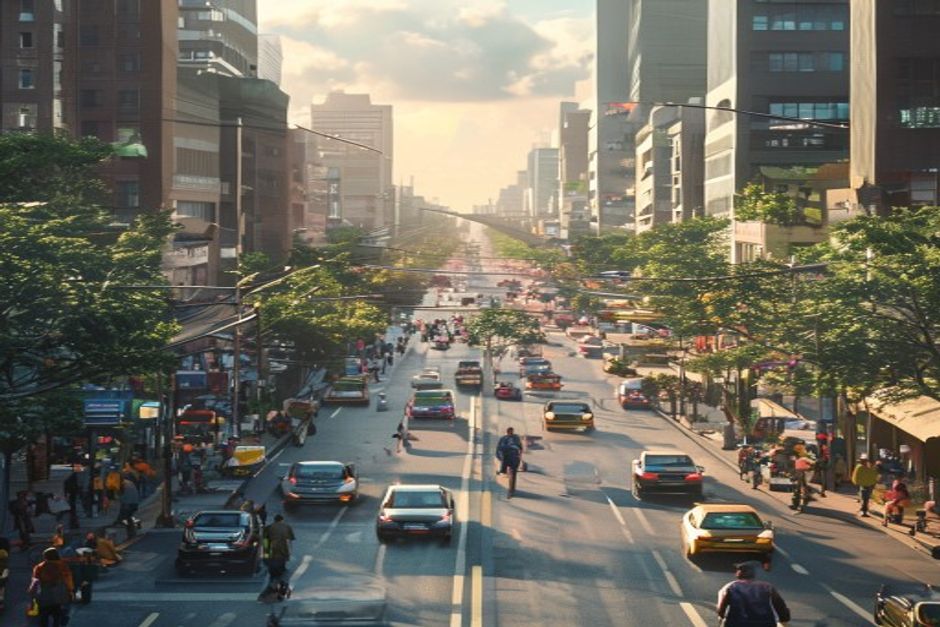
Prime Minister Narendra Modi's recent emphasis on Work From Home (WFH) is being interpreted not just as a modern workplace policy, but as a critical component of a larger national strategy to conserve fuel. This initiative, aimed at significantly reducing India’s substantial consumption of petrol and diesel, aligns with the country's broader goals of energy security and environmental sustainability.
Fueling the Conservation Drive
India, being heavily reliant on imported crude oil, faces considerable economic and strategic challenges due to fluctuating global energy prices and supply chain vulnerabilities. By encouraging WFH, the government seeks to minimize daily commutes, a major contributor to fuel usage in urban and semi-urban areas. This reduction in vehicular movement directly translates to lower demand for petrol and diesel, thereby decreasing import bills and bolstering national economic stability.
The push for WFH is more than just a policy recommendation; it's a strategic imperative. Reduced fuel consumption also has significant environmental benefits, contributing to lower carbon emissions and improved air quality in congested cities. The government's focus on this aspect highlights a holistic approach to national development, intertwining economic prudence with ecological responsibility.
Broader Implications and Future Outlook
The WFH model, accelerated by the pandemic, has demonstrated its viability and efficiency across various sectors. Prime Minister Modi's backing provides a significant impetus for businesses to adopt and refine these flexible work arrangements. This strategic shift could lead to a paradigm change in how work is structured in India, with potential long-term benefits for infrastructure development, urban planning, and individual lifestyles. As India navigates global economic uncertainties and strives for greater self-reliance, initiatives like the WFH promotion offer a practical and impactful pathway towards a more sustainable and resilient future.
प्रधानमंत्री नरेंद्र मोदी का वर्क फ्रॉम होम (डब्ल्यूएफएच) पर हालिया जोर केवल एक आधुनिक कार्यस्थल नीति के रूप में नहीं देखा जा रहा है, बल्कि यह ईंधन संरक्षण की एक बड़ी राष्ट्रीय रणनीति का एक महत्वपूर्ण घटक है। इस पहल का उद्देश्य भारत की पेट्रोल और डीजल की महत्वपूर्ण खपत को काफी कम करना है, जो देश के ऊर्जा सुरक्षा और पर्यावरणीय स्थिरता के व्यापक लक्ष्यों के अनुरूप है।
ईंधन संरक्षण अभियान को बढ़ावा देना
आयातित कच्चे तेल पर अत्यधिक निर्भर भारत, वैश्विक ऊर्जा कीमतों और आपूर्ति श्रृंखला की कमजोरियों के कारण महत्वपूर्ण आर्थिक और रणनीतिक चुनौतियों का सामना करता है। डब्ल्यूएफएच को प्रोत्साहित करके, सरकार दैनिक आवागमन को कम करना चाहती है, जो शहरी और अर्ध-शहरी क्षेत्रों में ईंधन के उपयोग में एक प्रमुख योगदानकर्ता है। वाहनों की आवाजाही में यह कमी सीधे तौर पर पेट्रोल और डीजल की मांग को कम करती है, जिससे आयात बिल घटता है और राष्ट्रीय आर्थिक स्थिरता मजबूत होती है।
डब्ल्यूएफएच को बढ़ावा देना केवल एक नीतिगत सिफारिश से कहीं अधिक है; यह एक रणनीतिक अनिवार्यता है। ईंधन की खपत कम होने से महत्वपूर्ण पर्यावरणीय लाभ भी होते हैं, जो कार्बन उत्सर्जन को कम करने और घनी आबादी वाले शहरों में वायु गुणवत्ता में सुधार करने में योगदान करते हैं। सरकार का इस पहलू पर ध्यान राष्ट्रीय विकास के प्रति एक समग्र दृष्टिकोण को दर्शाता है, जिसमें आर्थिक विवेक को पारिस्थितिक जिम्मेदारी के साथ जोड़ा गया है।
व्यापक निहितार्थ और भविष्य का दृष्टिकोण
महामारी से तेज हुआ डब्ल्यूएफएच मॉडल, विभिन्न क्षेत्रों में अपनी व्यवहार्यता और दक्षता साबित कर चुका है। प्रधानमंत्री मोदी का समर्थन व्यवसायों को इन लचीली कार्य व्यवस्थाओं को अपनाने और परिष्कृत करने के लिए एक महत्वपूर्ण प्रोत्साहन प्रदान करता है। यह रणनीतिक बदलाव भारत में काम की संरचना के तरीके में एक प्रतिमान परिवर्तन ला सकता है, जिसके बुनियादी ढांचे के विकास, शहरी नियोजन और व्यक्तिगत जीवन शैली के लिए संभावित दीर्घकालिक लाभ हो सकते हैं। जैसे-जैसे भारत वैश्विक आर्थिक अनिश्चितताओं से निपट रहा है और अधिक आत्मनिर्भरता के लिए प्रयास कर रहा है, डब्ल्यूएफएच को बढ़ावा देने जैसी पहलें अधिक टिकाऊ और लचीले भविष्य की ओर एक व्यावहारिक और प्रभावशाली मार्ग प्रदान करती हैं।
पंतप्रधान नरेंद्र मोदी यांनी वर्क फ्रॉम होम (WFH) वर दिलेला अलीकडील जोर केवळ आधुनिक कार्यस्थळ धोरण म्हणून पाहिला जात नाही, तर इंधन संवर्धनाच्या व्यापक राष्ट्रीय धोरणाचा एक महत्त्वपूर्ण भाग म्हणून पाहिला जात आहे. या उपक्रमाचा उद्देश भारताचा पेट्रोल आणि डिझेलचा महत्त्वपूर्ण वापर लक्षणीयरीत्या कमी करणे हा आहे, जो देशाच्या ऊर्जा सुरक्षा आणि पर्यावरणीय टिकाऊपणाच्या विस्तृत उद्दिष्टांशी जुळतो.
इंधन संवर्धन मोहिमेला चालना
आयातित कच्च्या तेलावर मोठ्या प्रमाणावर अवलंबून असलेला भारत, अस्थिर जागतिक ऊर्जा किंमती आणि पुरवठा साखळीतील असुरक्षिततेमुळे महत्त्वपूर्ण आर्थिक आणि धोरणात्मक आव्हानांना सामोरे जात आहे. WFH ला प्रोत्साहन देऊन, सरकार दैनंदिन प्रवासाचे प्रमाण कमी करण्याचा प्रयत्न करत आहे, जे शहरी आणि निम-शहरी भागांमध्ये इंधनाच्या वापरास कारणीभूत ठरणारा प्रमुख घटक आहे. वाहनांच्या हालचालीत होणारी ही घट थेट पेट्रोल आणि डिझेलची मागणी कमी करते, ज्यामुळे आयात बिल कमी होते आणि राष्ट्रीय आर्थिक स्थैर्य वाढते.
WFH ला प्रोत्साहन देणे ही केवळ एक धोरणात्मक शिफारस नाही; ती एक धोरणात्मक गरज आहे. इंधनाचा वापर कमी केल्याने महत्त्वपूर्ण पर्यावरणीय फायदे देखील मिळतात, ज्यामुळे कार्बन उत्सर्जन कमी होण्यास आणि गर्दीच्या शहरांमधील हवेची गुणवत्ता सुधारण्यास हातभार लागतो. या पैलूवर सरकारचे लक्ष राष्ट्रीय विकासाकडे एक समग्र दृष्टिकोन दर्शवते, ज्यामध्ये आर्थिक विवेकबुद्धीला पर्यावरणीय जबाबदारीशी जोडलेले आहे.
व्यापक परिणाम आणि भविष्यातील दृष्टिकोन
साथीच्या रोगामुळे WFH मॉडेलला गती मिळाली आहे आणि विविध क्षेत्रांमध्ये त्याची व्यवहार्यता आणि कार्यक्षमतेचे प्रदर्शन केले आहे. पंतप्रधान मोदींचा पाठिंबा व्यवसायांना या लवचिक कार्य व्यवस्थांना स्वीकारण्यासाठी आणि परिष्कृत करण्यासाठी महत्त्वपूर्ण प्रोत्साहन देतो. या धोरणात्मक बदलामुळे भारतात कामाची रचना करण्याच्या पद्धतीत एक मोठे परिवर्तन घडू शकते, ज्याचे पायाभूत सुविधा विकास, शहरी नियोजन आणि वैयक्तिक जीवनशैलीसाठी संभाव्य दीर्घकालीन फायदे होऊ शकतात. भारत जागतिक आर्थिक अनिश्चिततेतून मार्गक्रमण करत असताना आणि अधिक आत्मनिर्भरतेसाठी प्रयत्न करत असताना, WFH ला प्रोत्साहन देण्यासारखे उपक्रम अधिक टिकाऊ आणि लवचिक भविष्याकडे एक व्यवहार्य आणि प्रभावी मार्ग देतात.
প্রধানমন্ত্রী নরেন্দ্র মোদীর ওয়ার্ক ফ্রম হোম (WFH) -এর উপর সাম্প্রতিক জোর কেবল একটি আধুনিক কর্মক্ষেত্রের নীতি হিসাবে দেখা হচ্ছে না, বরং এটি জ্বালানি সংরক্ষণের একটি বৃহত্তর জাতীয় কৌশলের একটি গুরুত্বপূর্ণ অংশ হিসাবে বিবেচিত হচ্ছে। এই উদ্যোগের লক্ষ্য হল ভারতের পেট্রোল এবং ডিজেলের ব্যবহার উল্লেখযোগ্যভাবে হ্রাস করা, যা দেশের জ্বালানি সুরক্ষা এবং পরিবেশগত স্থায়িত্বের বিস্তৃত লক্ষ্যের সাথে সঙ্গতিপূর্ণ।
জ্বালানি সংরক্ষণ অভিযানকে শক্তিশালী করা
আমদানিকৃত অপরিশোধিত তেলের উপর ব্যাপকভাবে নির্ভরশীল ভারত, বিশ্বব্যাপী জ্বালানির দাম এবং সরবরাহ শৃঙ্খলের দুর্বলতার কারণে উল্লেখযোগ্য অর্থনৈতিক ও কৌশলগত চ্যালেঞ্জের সম্মুখীন। WFH-কে উৎসাহিত করার মাধ্যমে, সরকার দৈনিক যাতায়াত হ্রাস করার চেষ্টা করছে, যা শহরাঞ্চল এবং আধা-শহরাঞ্চলে জ্বালানি ব্যবহারের একটি প্রধান কারণ। যানবাহনের চলাচল হ্রাস সরাসরি পেট্রোল এবং ডিজেলের চাহিদা কমায়, যার ফলে আমদানি বিল হ্রাস পায় এবং জাতীয় অর্থনৈতিক স্থিতিশীলতা বৃদ্ধি পায়।
WFH-কে এগিয়ে নেওয়া কেবল একটি নীতিগত সুপারিশ নয়; এটি একটি কৌশলগত প্রয়োজনীয়তা। জ্বালানি খরচ কমানোর ফলে উল্লেখযোগ্য পরিবেশগত সুবিধাও রয়েছে, যা কার্বন নিঃসরণ কমাতে এবং ঘনবসতিপূর্ণ শহরগুলিতে বায়ুর গুণমান উন্নত করতে অবদান রাখে। এই দিকের উপর সরকারের মনোযোগ জাতীয় উন্নয়নের প্রতি একটি সামগ্রিক দৃষ্টিভঙ্গি তুলে ধরে, যেখানে অর্থনৈতিক বিচক্ষণতাকে পরিবেশগত দায়িত্বের সাথে সংযুক্ত করা হয়েছে।
ব্যাপক প্রভাব এবং ভবিষ্যতের পূর্বাভাস
মহামারী দ্বারা ত্বরান্বিত WFH মডেল, বিভিন্ন সেক্টরে তার কার্যকারিতা এবং দক্ষতা প্রমাণ করেছে। প্রধানমন্ত্রী মোদীর সমর্থন ব্যবসাগুলিকে এই নমনীয় কাজের ব্যবস্থা গ্রহণ এবং পরিমার্জন করার জন্য একটি গুরুত্বপূর্ণ প্রণোদনা প্রদান করে। এই কৌশলগত পরিবর্তন ভারতে কাজের কাঠামোর পদ্ধতিতে একটি আমূল পরিবর্তন আনতে পারে, যার অবকাঠামো উন্নয়ন, নগর পরিকল্পনা এবং ব্যক্তিগত জীবনযাত্রার জন্য সম্ভাব্য দীর্ঘমেয়াদী সুবিধা থাকতে পারে। ভারত যখন বিশ্বব্যাপী অর্থনৈতিক অনিশ্চয়তা মোকাবেলা করছে এবং বৃহত্তর আত্মনির্ভরশীলতার জন্য প্রচেষ্টা চালাচ্ছে, তখন WFH প্রচারের মতো উদ্যোগগুলি একটি আরও টেকসই এবং স্থিতিশীল ভবিষ্যতের দিকে একটি বাস্তবসম্মত এবং প্রভাবশালী পথ সরবরাহ করে।
பிரதமர் நரேந்திர மோடியின் சமீபத்திய 'வீட்டிலிருந்து வேலை' (WFH) குறித்த ஊக்குவிப்பு, ஒரு நவீன பணிச்சூழல் கொள்கையாக மட்டுமின்றி, எரிபொருள் சேமிப்புக்கான ஒரு பரந்த தேசிய மூலோபாயத்தின் முக்கிய அங்கமாகப் பார்க்கப்படுகிறது. பெட்ரோல் மற்றும் டீசல் பயன்பாட்டைக் குறைக்கும் இந்த முயற்சியானது, நாட்டின் எரிசக்தி பாதுகாப்பு மற்றும் சுற்றுச்சூழல் நிலைத்தன்மைக்கான பரந்த நோக்கங்களுடன் ஒத்துப்போகிறது.
எரிபொருள் சேமிப்பு இயக்கத்திற்கு உத்வேகம்
கச்சா எண்ணெய் இறக்குமதியை பெருமளவில் சார்ந்துள்ள இந்தியா, உலகளாவிய எரிசக்தி விலைகள் மற்றும் விநியோகச் சங்கிலி பாதிப்புகள் காரணமாக கணிசமான பொருளாதார மற்றும் மூலோபாய சவால்களை எதிர்கொள்கிறது. WFH-ஐ ஊக்குவிப்பதன் மூலம், நகர்ப்புற மற்றும் புறநகர்ப் பகுதிகளில் எரிபொருள் பயன்பாட்டிற்கு முக்கிய காரணமாக இருக்கும் தினசரி பயணங்களைக் குறைக்க அரசாங்கம் முயல்கிறது. இந்த வாகனப் பயன்பாட்டுக் குறைப்பு நேரடியாக பெட்ரோல் மற்றும் டீசல் தேவையை குறைக்கிறது, இதன் மூலம் இறக்குமதி செலவைக் குறைத்து தேசிய பொருளாதார ஸ்திரத்தன்மையை வலுப்படுத்துகிறது.
WFH-ஐ ஊக்குவிப்பது வெறும் கொள்கை பரிந்துரை மட்டுமல்ல; இது ஒரு மூலோபாயத் தேவையாகும். எரிபொருள் நுகர்வைக் குறைப்பது குறிப்பிடத்தக்க சுற்றுச்சூழல் நன்மைகளையும் கொண்டுள்ளது, இது கார்பன் உமிழ்வைக் குறைக்கவும், நெரிசலான நகரங்களில் காற்றின் தரத்தை மேம்படுத்தவும் பங்களிக்கிறது. இந்த அம்சத்தில் அரசாங்கத்தின் கவனம், பொருளாதார விவேகத்தை சுற்றுச்சூழல் பொறுப்புடன் இணைக்கும் தேசிய வளர்ச்சிக்கு ஒரு முழுமையான அணுகுமுறையை எடுத்துக்காட்டுகிறது.
பரந்த தாக்கங்கள் மற்றும் எதிர்காலப் பார்வை
தொற்றுநோயால் துரிதப்படுத்தப்பட்ட WFH மாதிரி, பல்வேறு துறைகளில் அதன் சாத்தியக்கூறு மற்றும் செயல்திறனை நிரூபித்துள்ளது. பிரதமர் மோடியின் ஆதரவு, இந்த நெகிழ்வான வேலை ஏற்பாடுகளை ஏற்றுக்கொள்ளவும் செம்மைப்படுத்தவும் வணிகங்களுக்கு ஒரு குறிப்பிடத்தக்க உத்வேகத்தை அளிக்கிறது. இந்த மூலோபாய மாற்றம் இந்தியாவில் வேலை கட்டமைப்பில் ஒரு புதிய மாற்றத்தைக் கொண்டுவரக்கூடும், இது உள்கட்டமைப்பு மேம்பாடு, நகர்ப்புற திட்டமிடல் மற்றும் தனிப்பட்ட வாழ்க்கை முறைகளுக்கு நீண்டகால நன்மைகளை அளிக்கும். இந்தியா உலகப் பொருளாதார நிச்சயமற்ற தன்மைகளைக் கடந்து அதிக தன்னிறைவை நாடும்போது, WFH ஊக்குவிப்பு போன்ற முயற்சிகள் மிகவும் நிலையான மற்றும் மீள்தன்மை கொண்ட எதிர்காலத்திற்கான ஒரு நடைமுறை மற்றும் தாக்கத்தை ஏற்படுத்தும் பாதையை வழங்குகின்றன.
ప్రధానమంత్రి నరేంద్ర మోడీ యొక్క వర్క్ ఫ్రమ్ హోమ్ (WFH) పై ఇటీవల ఇచ్చిన ప్రాధాన్యత కేవలం ఆధునిక కార్యాలయ విధానంగా మాత్రమే కాకుండా, ఇంధన పరిరక్షణకు సంబంధించిన విస్తృత జాతీయ వ్యూహంలో కీలక భాగంగా చూడబడుతోంది. పెట్రోల్ మరియు డీజిల్ వినియోగాన్ని గణనీయంగా తగ్గించే ఈ కార్యక్రమం, దేశ ఇంధన భద్రత మరియు పర్యావరణ సుస్థిరత యొక్క విస్తృత లక్ష్యాలతో ఏకీభవిస్తుంది.
ఇంధన పరిరక్షణ డ్రైవ్కు ఊతం
దిగుమతి చేసుకున్న ముడి చమురుపై అధికంగా ఆధారపడిన భారతదేశం, అస్థిరమైన ప్రపంచ ఇంధన ధరలు మరియు సరఫరా గొలుసు బలహీనతల కారణంగా గణనీయమైన ఆర్థిక మరియు వ్యూహాత్మక సవాళ్లను ఎదుర్కొంటోంది. WFHను ప్రోత్సహించడం ద్వారా, ప్రభుత్వం రోజువారీ ప్రయాణాలను తగ్గించడానికి ప్రయత్నిస్తోంది, ఇది పట్టణ మరియు పాక్షిక-పట్టణ ప్రాంతాలలో ఇంధన వినియోగానికి ప్రధాన కారణం. వాహనాల కదలికలో ఈ తగ్గుదల నేరుగా పెట్రోల్ మరియు డీజిల్ డిమాండ్ను తగ్గిస్తుంది, తద్వారా దిగుమతి బిల్లును తగ్గిస్తుంది మరియు జాతీయ ఆర్థిక స్థిరత్వాన్ని బలపరుస్తుంది.
WFHను ప్రోత్సహించడం కేవలం విధాన సిఫారసు మాత్రమే కాదు; ఇది ఒక వ్యూహాత్మక అవసరం. ఇంధన వినియోగాన్ని తగ్గించడం వల్ల గణనీయమైన పర్యావరణ ప్రయోజనాలు కూడా ఉన్నాయి, ఇది కార్బన్ ఉద్గారాలను తగ్గించడానికి మరియు రద్దీగా ఉండే నగరాల్లో వాయు నాణ్యతను మెరుగుపరచడానికి దోహదం చేస్తుంది. ఈ అంశంపై ప్రభుత్వం దృష్టి పెట్టడం, ఆర్థిక వివేకాన్ని పర్యావరణ బాధ్యతతో అనుసంధానించే జాతీయ అభివృద్ధికి సమగ్ర విధానాన్ని హైలైట్ చేస్తుంది.
విస్తృత ప్రభావాలు మరియు భవిష్యత్ దృక్పథం
మహమ్మారి ద్వారా వేగవంతం చేయబడిన WFH నమూనా, వివిధ రంగాలలో దాని సాధ్యాసాధ్యాలను మరియు సామర్థ్యాన్ని నిరూపించింది. ప్రధానమంత్రి మోడీ యొక్క మద్దతు, వ్యాపారాలకు ఈ అనువైన పని అమరికలను స్వీకరించడానికి మరియు మెరుగుపరచడానికి గణనీయమైన ప్రోత్సాహాన్ని అందిస్తుంది. ఈ వ్యూహాత్మక మార్పు భారతదేశంలో పని నిర్మాణంలో ఒక నమూనా మార్పుకు దారితీయవచ్చు, మౌలిక సదుపాయాల అభివృద్ధి, పట్టణ ప్రణాళిక మరియు వ్యక్తిగత జీవనశైలులకు సంభావ్య దీర్ఘకాలిక ప్రయోజనాలను కలిగి ఉంటుంది. భారతదేశం ప్రపంచ ఆర్థిక అనిశ్చితులను అధిగమిస్తూ, మరింత స్వయం-సమృద్ధి కోసం ప్రయత్నిస్తున్నందున, WFH ప్రమోషన్ వంటి కార్యక్రమాలు మరింత స్థిరమైన మరియు స్థితిస్థాపక భవిష్యత్తు వైపు ఆచరణాత్మకమైన మరియు ప్రభావవంతమైన మార్గాన్ని అందిస్తాయి.
પ્રધાનમંત્રી નરેન્દ્ર મોદીનો વર્ક ફ્રોમ હોમ (WFH) પરનો તાજેતરનો ભાર માત્ર એક આધુનિક કાર્યસ્થળ નીતિ તરીકે જ નહીં, પરંતુ ઇંધણ બચત માટેની એક વ્યાપક રાષ્ટ્રીય વ્યૂહરચનાના નિર્ણાયક ઘટક તરીકે જોવામાં આવી રહ્યો છે. પેટ્રોલ અને ડીઝલના ભારતના નોંધપાત્ર વપરાશને ઘટાડવાનો ઉદ્દેશ્ય ધરાવતો આ પહેલ, દેશના ઉર્જા સુરક્ષા અને પર્યાવરણીય સ્થિરતાના વ્યાપક લક્ષ્યો સાથે સુસંગત છે.
ઇંધણ બચત ડ્રાઇવને વેગ
આયાતી ક્રૂડ ઓઇલ પર ભારે નિર્ભર ભારત, વૈશ્વિક ઉર્જા કિંમતો અને સપ્લાય ચેઇનની નબળાઈઓને કારણે નોંધપાત્ર આર્થિક અને વ્યૂહાત્મક પડકારોનો સામનો કરે છે. WFHને પ્રોત્સાહન આપીને, સરકાર રોજિંદા મુસાફરીને ઘટાડવાનો પ્રયાસ કરી રહી છે, જે શહેરી અને અર્ધ-શહેરી વિસ્તારોમાં ઇંધણના ઉપયોગમાં મુખ્ય ફાળો આપે છે. વાહનોની અવરજવરમાં આ ઘટાડો સીધો પેટ્રોલ અને ડીઝલની માંગ ઘટાડે છે, જેનાથી આયાત બિલ ઘટે છે અને રાષ્ટ્રીય આર્થિક સ્થિરતા મજબૂત થાય છે.
WFHને પ્રોત્સાહન આપવું એ માત્ર નીતિગત ભલામણ કરતાં વધુ છે; તે એક વ્યૂહાત્મક આવશ્યકતા છે. ઇંધણના વપરાશમાં ઘટાડો થવાથી પર્યાવરણને પણ નોંધપાત્ર ફાયદા થાય છે, જે કાર્બન ઉત્સર્જન ઘટાડવામાં અને ગીચ શહેરોમાં હવાની ગુણવત્તા સુધારવામાં ફાળો આપે છે. આ પાસા પર સરકારનું ધ્યાન, આર્થિક સમજદારીને પર્યાવરણીય જવાબદારી સાથે જોડતા રાષ્ટ્રીય વિકાસ માટે એક સર્વગ્રાહી અભિગમને પ્રકાશિત કરે છે.
વ્યાપક અસરો અને ભવિષ્યનું દૃષ્ટિકોણ
મહામારી દ્વારા વેગ મળેલ WFH મોડેલ, વિવિધ ક્ષેત્રોમાં તેની સદ્ધરતા અને કાર્યક્ષમતા સાબિત કરી ચૂક્યું છે. પ્રધાનમંત્રી મોદીનો ટેકો વ્યવસાયોને આ લવચીક કાર્ય વ્યવસ્થાઓ અપનાવવા અને તેને વધુ સારી બનાવવા માટે એક મહત્વપૂર્ણ પ્રોત્સાહન આપે છે. આ વ્યૂહાત્મક પરિવર્તન ભારતમાં કાર્યની રચનાની રીતમાં એક મોટી પરિવર્તન લાવી શકે છે, જેમાં ઇન્ફ્રાસ્ટ્રક્ચર વિકાસ, શહેરી આયોજન અને વ્યક્તિગત જીવનશૈલી માટે સંભવિત લાંબા ગાળાના લાભો હોઈ શકે છે. જેમ જેમ ભારત વૈશ્વિક આર્થિક અનિશ્ચિતતાઓમાંથી પસાર થઈ રહ્યું છે અને વધુ આત્મનિર્ભરતા માટે પ્રયત્ન કરી રહ્યું છે, તેમ WFHને પ્રોત્સાહન આપવાથી વધુ ટકાઉ અને સ્થિતિસ્થાપક ભવિષ્ય તરફ એક વ્યવહારુ અને અસરકારક માર્ગ મળે છે.
ਪ੍ਰਧਾਨ ਮੰਤਰੀ ਨਰਿੰਦਰ ਮੋਦੀ ਦਾ ਵਰਕ ਫਰੋਮ ਹੋਮ (WFH) 'ਤੇ ਹਾਲੀਆ ਜ਼ੋਰ ਸਿਰਫ਼ ਇੱਕ ਆਧੁਨਿਕ ਕਾਰਜ ਸਥਲ ਨੀਤੀ ਵਜੋਂ ਹੀ ਨਹੀਂ, ਸਗੋਂ ਬਾਲਣ ਬਚਾਉਣ ਦੀ ਇੱਕ ਵਿਆਪਕ ਰਾਸ਼ਟਰੀ ਰਣਨੀਤੀ ਦੇ ਮਹੱਤਵਪੂਰਨ ਹਿੱਸੇ ਵਜੋਂ ਵੀ ਦੇਖਿਆ ਜਾ ਰਿਹਾ ਹੈ। ਇਸ ਪਹਿਲ ਦਾ ਉਦੇਸ਼ ਭਾਰਤ ਦੀ ਪੈਟਰੋਲ ਅਤੇ ਡੀਜ਼ਲ ਦੀ ਕਾਫ਼ੀ ਖਪਤ ਨੂੰ ਕਾਫ਼ੀ ਘਟਾਉਣਾ ਹੈ, ਜੋ ਦੇਸ਼ ਦੀ ਊਰਜਾ ਸੁਰੱਖਿਆ ਅਤੇ ਵਾਤਾਵਰਣ ਸਥਿਰਤਾ ਦੇ ਵਿਆਪਕ ਟੀਚਿਆਂ ਨਾਲ ਮੇਲ ਖਾਂਦਾ ਹੈ।
ਬਾਲਣ ਬਚਤ ਮੁਹਿੰਮ ਨੂੰ ਹੁਲਾਰਾ
ਆਯਾਤ ਕੀਤੇ ਕੱਚੇ ਤੇਲ 'ਤੇ ਜ਼ਿਆਦਾ ਨਿਰਭਰ ਭਾਰਤ, ਅਸਥਿਰ ਵਿਸ਼ਵ ਊਰਜਾ ਕੀਮਤਾਂ ਅਤੇ ਸਪਲਾਈ ਚੇਨ ਦੀਆਂ ਕਮਜ਼ੋਰੀਆਂ ਕਾਰਨ ਮਹੱਤਵਪੂਰਨ ਆਰਥਿਕ ਅਤੇ ਰਣਨੀਤਕ ਚੁਣੌਤੀਆਂ ਦਾ ਸਾਹਮਣਾ ਕਰ ਰਿਹਾ ਹੈ। WFH ਨੂੰ ਉਤਸ਼ਾਹਿਤ ਕਰਕੇ, ਸਰਕਾਰ ਰੋਜ਼ਾਨਾ ਯਾਤਰਾ ਨੂੰ ਘਟਾਉਣ ਦੀ ਕੋਸ਼ਿਸ਼ ਕਰ ਰਹੀ ਹੈ, ਜੋ ਕਿ ਸ਼ਹਿਰੀ ਅਤੇ ਅਰਧ-ਸ਼ਹਿਰੀ ਖੇਤਰਾਂ ਵਿੱਚ ਬਾਲਣ ਦੀ ਖਪਤ ਦਾ ਇੱਕ ਮੁੱਖ ਕਾਰਨ ਹੈ। ਵਾਹਨਾਂ ਦੀ ਆਵਾਜਾਈ ਵਿੱਚ ਇਹ ਕਮੀ ਸਿੱਧੇ ਤੌਰ 'ਤੇ ਪੈਟਰੋਲ ਅਤੇ ਡੀਜ਼ਲ ਦੀ ਮੰਗ ਨੂੰ ਘਟਾਉਂਦੀ ਹੈ, ਜਿਸ ਨਾਲ ਆਯਾਤ ਬਿੱਲ ਘਟਦਾ ਹੈ ਅਤੇ ਰਾਸ਼ਟਰੀ ਆਰਥਿਕ ਸਥਿਰਤਾ ਮਜ਼ਬੂਤ ਹੁੰਦੀ ਹੈ।
WFH ਨੂੰ ਉਤਸ਼ਾਹਿਤ ਕਰਨਾ ਸਿਰਫ਼ ਇੱਕ ਨੀਤੀਗਤ ਸਿਫ਼ਾਰਸ਼ ਤੋਂ ਵੱਧ ਹੈ; ਇਹ ਇੱਕ ਰਣਨੀਤਕ ਲੋੜ ਹੈ। ਬਾਲਣ ਦੀ ਖਪਤ ਘਟਾਉਣ ਨਾਲ ਮਹੱਤਵਪੂਰਨ ਵਾਤਾਵਰਣ ਲਾਭ ਵੀ ਹੁੰਦੇ ਹਨ, ਜੋ ਕਾਰਬਨ ਨਿਕਾਸੀ ਨੂੰ ਘਟਾਉਣ ਅਤੇ ਸੰਘਣੀ ਆਬਾਦੀ ਵਾਲੇ ਸ਼ਹਿਰਾਂ ਵਿੱਚ ਹਵਾ ਦੀ ਗੁਣਵੱਤਾ ਵਿੱਚ ਸੁਧਾਰ ਕਰਨ ਵਿੱਚ ਯੋਗਦਾਨ ਪਾਉਂਦੇ ਹਨ। ਇਸ ਪਹਿਲੂ 'ਤੇ ਸਰਕਾਰ ਦਾ ਧਿਆਨ ਰਾਸ਼ਟਰੀ ਵਿਕਾਸ ਪ੍ਰਤੀ ਇੱਕ ਸੰਪੂਰਨ ਪਹੁੰਚ ਨੂੰ ਉਜਾਗਰ ਕਰਦਾ ਹੈ, ਜਿਸ ਵਿੱਚ ਆਰਥਿਕ ਸਮਝਦਾਰੀ ਨੂੰ ਵਾਤਾਵਰਣ ਦੀ ਜ਼ਿੰਮੇਵਾਰੀ ਨਾਲ ਜੋੜਿਆ ਗਿਆ ਹੈ।
ਵਿਆਪਕ ਪ੍ਰਭਾਵ ਅਤੇ ਭਵਿੱਖ ਦਾ ਦ੍ਰਿਸ਼
ਮਹਾਂਮਾਰੀ ਦੁਆਰਾ ਤੇਜ਼ ਕੀਤਾ ਗਿਆ WFH ਮਾਡਲ, ਵੱਖ-ਵੱਖ ਖੇਤਰਾਂ ਵਿੱਚ ਆਪਣੀ ਸੰਭਾਵਨਾ ਅਤੇ ਕੁਸ਼ਲਤਾ ਨੂੰ ਸਾਬਤ ਕਰ ਚੁੱਕਿਆ ਹੈ। ਪ੍ਰਧਾਨ ਮੰਤਰੀ ਮੋਦੀ ਦਾ ਸਮਰਥਨ ਕਾਰੋਬਾਰਾਂ ਨੂੰ ਇਹਨਾਂ ਲਚਕਦਾਰ ਕੰਮ ਪ੍ਰਬੰਧਾਂ ਨੂੰ ਅਪਣਾਉਣ ਅਤੇ ਸੁਧਾਰਨ ਲਈ ਇੱਕ ਮਹੱਤਵਪੂਰਨ ਪ੍ਰੋਤਸਾਹਨ ਪ੍ਰਦਾਨ ਕਰਦਾ ਹੈ। ਇਹ ਰਣਨੀਤਕ ਤਬਦੀਲੀ ਭਾਰਤ ਵਿੱਚ ਕੰਮ ਦੀ ਬਣਤਰ ਦੇ ਤਰੀਕੇ ਵਿੱਚ ਇੱਕ ਮਿਸਾਲੀ ਤਬਦੀਲੀ ਲਿਆ ਸਕਦੀ ਹੈ, ਜਿਸ ਦੇ ਬੁਨਿਆਦੀ ਢਾਂਚੇ ਦੇ ਵਿਕਾਸ, ਸ਼ਹਿਰੀ ਯੋਜਨਾਬੰਦੀ ਅਤੇ ਵਿਅਕਤੀਗਤ ਜੀਵਨ ਸ਼ੈਲੀ ਲਈ ਸੰਭਾਵੀ ਲੰਬੇ ਸਮੇਂ ਦੇ ਲਾਭ ਹੋ ਸਕਦੇ ਹਨ। ਜਿਵੇਂ ਕਿ ਭਾਰਤ ਵਿਸ਼ਵ ਆਰਥਿਕ ਅਨਿਸ਼ਚਿਤਤਾਵਾਂ ਨੂੰ ਪਾਰ ਕਰ ਰਿਹਾ ਹੈ ਅਤੇ ਵਧੇਰੇ ਸਵੈ-ਨਿਰਭਰਤਾ ਲਈ ਯਤਨਸ਼ੀਲ ਹੈ, WFH ਨੂੰ ਉਤਸ਼ਾਹਿਤ ਕਰਨ ਵਰਗੀਆਂ ਪਹਿਲਕਦਮੀਆਂ ਇੱਕ ਵਧੇਰੇ ਟਿਕਾਊ ਅਤੇ ਲਚੀਲੇ ਭਵਿੱਖ ਵੱਲ ਇੱਕ ਵਿਹਾਰਕ ਅਤੇ ਪ੍ਰਭਾਵਸ਼ਾਲੀ ਮਾਰਗ ਪ੍ਰਦਾਨ ਕਰਦੀਆਂ ਹਨ।

💬 Comments