Breaking News
ताज़ा खबर
ताजी बातमी
সর্বশেষ সংবাদ
சமீபத்திய செய்தி
తాజా వార్త
તાજા સમાચાર
ਤਾਜ਼ਾ ਖ਼ਬਰ
Groundbreaking Discovery: First Documented Case of Same-Sex Sexual Behaviour in Indian Squid
अभूतपूर्व खोज: भारतीय स्क्विड में समलैंगिक यौन व्यवहार का पहला प्रलेखित मामला
अभूतपूर्व शोध: भारतीय स्क्विडमध्ये समलैंगिक लैंगिक वर्तनाचा पहिला दस्तऐवजीकरण केलेला प्रकार
অনন্য আবিষ্কার: ভারতীয় স্কুইডে প্রথম নথিভুক্ত সমলিঙ্গ যৌন আচরণ
அதிர்ச்சியூட்டும் கண்டுபிடிப்பு: இந்திய ஸ்க்விடில் முதன்முறையாக ஆவணப்படுத்தப்பட்ட ஒரே பாலின பாலியல் நடத்தை
భారతీయ స్క్విడ్లో మొట్టమొదటిసారిగా నమోదు చేయబడిన సజాతీయ లైంగిక ప్రవర్తన: ఒక అద్భుతమైన ఆవిష్కరణ
અદભુત શોધ: ભારતીય સ્ક્વિડમાં પ્રથમ વખત સમાન-લિંગી જાતીય વર્તનનું દસ્તાવેજીકરણ
ਅਦਭੁਤ ਖੋਜ: ਭਾਰਤੀ ਸਕੁਇਡ ਵਿੱਚ ਪਹਿਲੀ ਵਾਰ ਸਮਲਿੰਗੀ ਜਿਨਸੀ ਵਿਵਹਾਰ ਦਾ ਦਸਤਾਵੇਜ਼ੀਕਰਨ
By AI News Desk
🕐 21 May 2026, 08:51 PM
🔬 Science
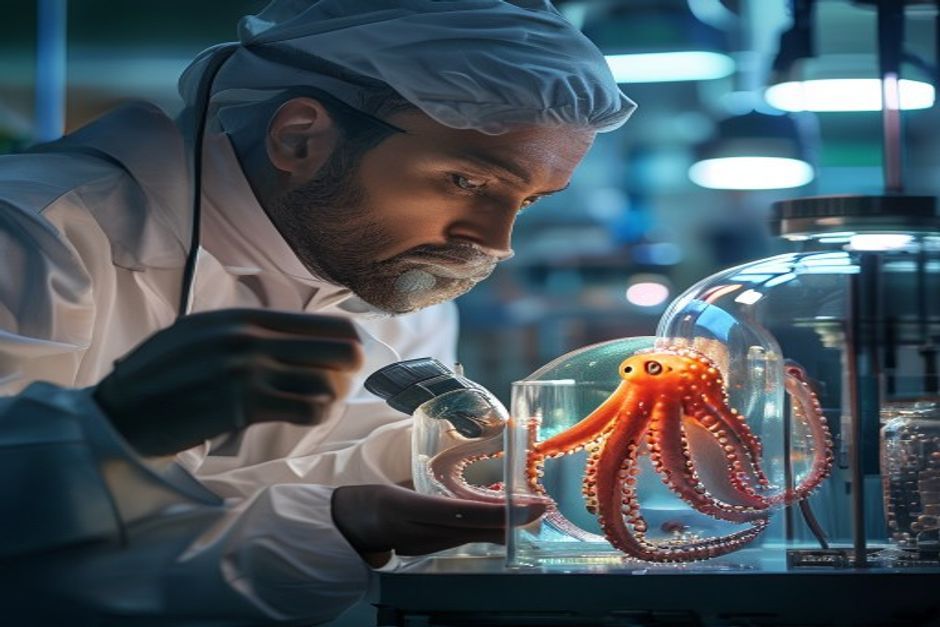
In a remarkable finding that challenges conventional understanding of animal behaviour, researchers have documented the first confirmed instance of same-sex sexual behaviour in Indian squid. The study, published recently, details how sperm-carrying structures, known as spermatangia, were found embedded on the buccal membrane of a male squid. This discovery provides significant scientific evidence for homosexual interactions within this species, shedding new light on the complex social and reproductive strategies of cephalopods.
Unveiling the Unprecedented
The research team observed the peculiar interaction during their fieldwork, where they witnessed a male squid attempting to transfer spermatangia to another male. Subsequent analysis of the recipient male confirmed the presence of these structures on its buccal membrane, which is typically where females receive sperm for fertilization. This observation is crucial as it moves beyond anecdotal evidence and offers concrete proof of such behaviour in the Indian squid species.
Implications for Behavioural Ecology
Same-sex sexual behaviour, though observed in numerous animal species across the globe, is often overlooked or misunderstood. This finding in Indian squid adds another fascinating chapter to the study of behavioural ecology. It suggests that reproductive behaviours in the animal kingdom can be far more diverse and flexible than previously assumed. Researchers are now eager to explore the underlying reasons for this behaviour, which could range from social bonding to mistaken identity or even a means of practicing or strengthening mating skills.
A Milestone for Cephalopod Research
The documentation marks a significant milestone in the study of cephalopods, a group of marine molluscs known for their intelligence and complex behaviours. Understanding the nuances of their social and sexual interactions is vital for appreciating the full spectrum of biodiversity in our oceans. This discovery not only enriches our knowledge of squid behaviour but also prompts further investigation into the prevalence and evolutionary significance of same-sex sexual interactions in the marine environment.
जानवरों के व्यवहार की पारंपरिक समझ को चुनौती देने वाले एक उल्लेखनीय निष्कर्ष में, शोधकर्ताओं ने भारतीय स्क्विड में समलैंगिक यौन व्यवहार का पहला पुष्ट मामला प्रलेखित किया है। हाल ही में प्रकाशित एक अध्ययन में बताया गया है कि कैसे शुक्राणु-वाहक संरचनाएं, जिन्हें शुक्राणु-धानी (spermatangia) के रूप में जाना जाता है, एक नर स्क्विड की मुख झिल्ली (buccal membrane) पर पाई गईं। यह खोज इस प्रजाति के भीतर समलैंगिक अंतःक्रियाओं के लिए महत्वपूर्ण वैज्ञानिक प्रमाण प्रदान करती है, जिससे सेफलोपोड की जटिल सामाजिक और प्रजनन रणनीतियों पर नई रोशनी पड़ती है।
अभूतपूर्व का अनावरण
अनुसंधान दल ने अपने क्षेत्र कार्य के दौरान इस विचित्र अंतःक्रिया को देखा, जहां उन्होंने एक नर स्क्विड को दूसरे नर को शुक्राणु-धानी स्थानांतरित करने का प्रयास करते देखा। प्राप्त नर के बाद के विश्लेषण ने उसकी मुख झिल्ली पर इन संरचनाओं की उपस्थिति की पुष्टि की, जो आमतौर पर वह स्थान है जहाँ मादा निषेचन के लिए शुक्राणु प्राप्त करती है। यह अवलोकन महत्वपूर्ण है क्योंकि यह किस्सा-कहानियों से परे है और भारतीय स्क्विड प्रजाति में इस तरह के व्यवहार का ठोस प्रमाण प्रदान करता है।
व्यवहार पारिस्थितिकी के लिए निहितार्थ
समलैंगिक यौन व्यवहार, हालांकि दुनिया भर की कई पशु प्रजातियों में देखा गया है, अक्सर इसे अनदेखा किया जाता है या गलत समझा जाता है। भारतीय स्क्विड में यह खोज व्यवहार पारिस्थितिकी के अध्ययन में एक और आकर्षक अध्याय जोड़ती है। यह बताता है कि वन्यजीवों में प्रजनन व्यवहार पहले माने जाने वाले से कहीं अधिक विविध और लचीला हो सकता है। शोधकर्ता अब इस व्यवहार के अंतर्निहित कारणों का पता लगाने के लिए उत्सुक हैं, जिसमें सामाजिक बंधन, गलत पहचान या मिलान कौशल का अभ्यास करने या मजबूत करने का एक साधन भी शामिल हो सकता है।
सेफलोपोड अनुसंधान के लिए एक मील का पत्थर
यह प्रलेखन सेफलोपोड के अध्ययन में एक महत्वपूर्ण मील का पत्थर है, जो अपने बुद्धि और जटिल व्यवहार के लिए जाने जाने वाले समुद्री मोलस्क का एक समूह है। उनकी सामाजिक और यौन अंतःक्रियाओं की बारीकियों को समझना हमारे महासागरों में जैव विविधता के पूर्ण स्पेक्ट्रम की सराहना करने के लिए महत्वपूर्ण है। यह खोज न केवल भारतीय स्क्विड के व्यवहार के हमारे ज्ञान को समृद्ध करती है, बल्कि समुद्री वातावरण में समलैंगिक यौन अंतःक्रियाओं की व्यापकता और विकासवादी महत्व में आगे की जांच को भी प्रेरित करती है।
प्राण्यांच्या वर्तनाच्या पारंपरिक समजुतींना आव्हान देणाऱ्या एका उल्लेखनीय शोधात, संशोधकांनी भारतीय स्क्विडमध्ये समलैंगिक लैंगिक वर्तनाचा पहिला पुष्टी केलेला प्रकार नोंदवला आहे. नुकत्याच प्रकाशित झालेल्या अभ्यासात असे तपशीलवार सांगितले आहे की, शुक्राणु-वाहक संरचना, ज्यांना शुक्राणु-कोश (spermatangia) म्हणून ओळखले जाते, एका नर स्क्विडच्या मुख-पटलावर (buccal membrane) रोपण केलेल्या आढळल्या. या शोधामुळे या प्रजातीमधील समलैंगिक वर्तणुकीसाठी महत्त्वपूर्ण वैज्ञानिक पुरावे मिळाले आहेत, ज्यामुळे सेफलोपॉड्सच्या गुंतागुंतीच्या सामाजिक आणि प्रजनन धोरणांवर नवीन प्रकाश पडला आहे.
अभूतपूर्व गोष्टींचे अनावरण
संशोधन पथकाने त्यांच्या क्षेत्रीय कार्याच्या वेळी हे विलक्षण वर्तन पाहिले, जिथे त्यांनी एका नर स्क्विडला दुसऱ्या नर स्क्विडकडे शुक्राणु-कोश हस्तांतरित करण्याचा प्रयत्न करताना पाहिले. नंतर प्राप्त झालेल्या नर स्क्विडच्या विश्लेषणातून त्याच्या मुख-पटलावर या संरचनांची उपस्थिती पुष्टी झाली, जिथे सामान्यतः मादी फलनासाठी शुक्राणू प्राप्त करतात. हे निरीक्षण महत्त्वाचे आहे कारण ते केवळ ऐकीव पुराव्यांपलीकडे जाऊन भारतीय स्क्विड प्रजातीमध्ये अशा वर्तनाचा ठोस पुरावा प्रदान करते.
वर्तणूक-पर्यावरणशास्त्रासाठी परिणाम
जगभरातील अनेक प्राणी प्रजातींमध्ये समलैंगिक लैंगिक वर्तन दिसून येत असले तरी, ते अनेकदा दुर्लक्षित केले जाते किंवा गैरसमज केला जातो. भारतीय स्क्विडमधील हा शोध वर्तणूक-पर्यावरणशास्त्राच्या अभ्यासात एक आणखी मनोरंजक अध्याय जोडतो. यावरून असे सूचित होते की वन्यजीवनातील प्रजनन वर्तणूक पूर्वी गृहीत धरल्यापेक्षा अधिक वैविध्यपूर्ण आणि लवचिक असू शकते. संशोधक आता या वर्तनामागील कारणांचा शोध घेण्यास उत्सुक आहेत, ज्यात सामाजिक बंधन, चुकीची ओळख किंवा मिलन कौशल्यांचा सराव किंवा बळकटीकरणाचा एक मार्ग असू शकतो.
सेफलोपॉड संशोधनासाठी एक मैलाचा दगड
हे दस्तऐवजीकरण सेफलोपॉड्सच्या अभ्यासात एक महत्त्वपूर्ण मैलाचा दगड आहे, जे त्यांच्या बुद्धिमत्ता आणि गुंतागुंतीच्या वर्तनासाठी ओळखले जाणारे समुद्री मोलस्क आहेत. त्यांच्या सामाजिक आणि लैंगिक संवादातील बारकावे समजून घेणे आपल्या महासागरातील जैवविविधतेच्या संपूर्ण स्पेक्ट्रमची प्रशंसा करण्यासाठी महत्त्वपूर्ण आहे. हा शोध केवळ स्क्विडच्या वर्तनावरील आपले ज्ञान समृद्ध करत नाही, तर सागरी वातावरणात समलैंगिक लैंगिक संवादांच्या प्रसारावर आणि उत्क्रांतीच्या महत्त्वावर पुढील चौकशीला देखील प्रवृत्त करतो.
প্রাণী আচরণের প্রচলিত ধারণাকে চ্যালেঞ্জ করে এমন এক উল্লেখযোগ্য অনুসন্ধানে, গবেষকরা ভারতীয় স্কুইডের মধ্যে সমলিঙ্গ যৌন আচরণের প্রথম নিশ্চিত ঘটনা নথিভুক্ত করেছেন। সম্প্রতি প্রকাশিত এক সমীক্ষায় বিস্তারিতভাবে জানানো হয়েছে যে, শুক্রাণু বহনকারী গঠন, যা স্পার্মাট্যাঙ্গিয়া (spermatangia) নামে পরিচিত, একটি পুরুষ স্কুইডের মুখের ঝিল্লিতে (buccal membrane) প্রতিস্থাপিত অবস্থায় পাওয়া গেছে। এই আবিষ্কারটি এই প্রজাতির মধ্যে সমলিঙ্গের মিথস্ক্রিয়ার জন্য তাৎপর্যপূর্ণ বৈজ্ঞানিক প্রমাণ সরবরাহ করে, যা সেফালোপডের জটিল সামাজিক ও প্রজনন কৌশলের উপর নতুন আলোকপাত করে।
অভূতপূর্বের উন্মোচন
গবেষণা দলটি তাদের মাঠ পর্যায়ে এই অদ্ভুত মিথস্ক্রিয়া পর্যবেক্ষণ করেছিল, যেখানে তারা একটি পুরুষ স্কুইডকে অন্য পুরুষ স্কুইডের কাছে স্পার্মাট্যাঙ্গিয়া স্থানান্তরের চেষ্টা করতে দেখেছিল। পরবর্তীতে প্রাপ্ত পুরুষ স্কুইডের বিশ্লেষণ তার মুখের ঝিল্লিতে এই গঠনগুলির উপস্থিতি নিশ্চিত করেছে, যা সাধারণত মহিলাদের জন্য নিষিক্তকরণের উদ্দেশ্যে শুক্রাণু গ্রহণের স্থান। এই পর্যবেক্ষণটি গুরুত্বপূর্ণ কারণ এটি কেবল প্রচলিত ধারণার বাইরে গিয়ে ভারতীয় স্কুইড প্রজাতির মধ্যে এই ধরনের আচরণের সুনির্দিষ্ট প্রমাণ দেয়।
আচরণগত বাস্তুশাস্ত্রের জন্য প্রভাব
সমলিঙ্গ যৌন আচরণ, যদিও বিশ্বজুড়ে অসংখ্য প্রাণী প্রজাতির মধ্যে দেখা যায়, তবে প্রায়শই এটি উপেক্ষিত বা ভুল বোঝা হয়। ভারতীয় স্কুইডে এই আবিষ্কারটি আচরণগত বাস্তুশাস্ত্রের অধ্যয়নে আরও একটি আকর্ষণীয় অধ্যায় যোগ করে। এটি ইঙ্গিত দেয় যে বন্যপ্রাণীর প্রজনন আচরণ পূর্বে যা অনুমান করা হয়েছিল তার চেয়ে অনেক বেশি বৈচিত্র্যময় এবং নমনীয় হতে পারে। গবেষকরা এখন এই আচরণের অন্তর্নিহিত কারণগুলি অনুসন্ধান করতে আগ্রহী, যার মধ্যে সামাজিক বন্ধন, ভুল শনাক্তকরণ বা এমনকি মিলনের দক্ষতা অনুশীলন বা শক্তিশালী করার একটি উপায়ও অন্তর্ভুক্ত থাকতে পারে।
সেফালোপড গবেষণার জন্য একটি মাইলফলক
এই নথিভুক্তি সেফালোপড অধ্যয়নের জন্য একটি গুরুত্বপূর্ণ মাইলফলক, যা তাদের বুদ্ধিমত্তা এবং জটিল আচরণের জন্য পরিচিত সামুদ্রিক মলাস্কের একটি গোষ্ঠী। তাদের সামাজিক ও যৌন মিথস্ক্রিয়ার সূক্ষ্মতা বোঝা আমাদের মহাসাগরের জীববৈচিত্র্যের সম্পূর্ণ বর্ণালী উপলব্ধি করার জন্য অত্যন্ত গুরুত্বপূর্ণ। এই আবিষ্কারটি কেবল স্কুইডের আচরণের উপর আমাদের জ্ঞানকে সমৃদ্ধ করে না, বরং সামুদ্রিক পরিবেশে সমলিঙ্গ যৌন মিথস্ক্রিয়ার ব্যাপকতা এবং বিবর্তনীয় তাত্পর্যের উপর আরও অনুসন্ধানের জন্য অনুপ্রাণিত করে।
விலங்குகளின் நடத்தையைப் பற்றிய வழக்கமான புரிதல்களுக்கு சவால் விடும் ஒரு குறிப்பிடத்தக்க கண்டுபிடிப்பில், ஆராய்ச்சியாளர்கள் இந்திய ஸ்க்விடில் ஒரே பாலின பாலியல் நடத்தையின் முதல் உறுதிப்படுத்தப்பட்ட நிகழ்வை ஆவணப்படுத்தியுள்ளனர். சமீபத்தில் வெளியிடப்பட்ட ஒரு ஆய்வு, ஸ்பெர்மட்டாங்கியா (spermatangia) எனப்படும் விந்தணுக்களைச் சுமக்கும் அமைப்புகள் ஒரு ஆண் ஸ்க்விடின் வாய் சவ்வில் (buccal membrane) பதிக்கப்பட்டிருந்ததை விவரிக்கிறது. இந்த கண்டுபிடிப்பு இந்த இனங்களுக்குள் ஒரே பாலின ஈடுபாடுகளுக்கு குறிப்பிடத்தக்க அறிவியல் ஆதாரங்களை வழங்குகிறது, இது செபலோபாட்களின் சிக்கலான சமூக மற்றும் இனப்பெருக்க உத்திகளில் புதிய ஒளியைப் பாய்ச்சுகிறது.
தனித்துவமானதை வெளிக்கொணர்தல்
ஆராய்ச்சிக் குழு தங்கள் களப் பணியின் போது இந்த விசித்திரமான தொடர்பைக் கண்டறிந்தது, அங்கு அவர்கள் ஒரு ஆண் ஸ்க்விட் மற்றொரு ஆண் ஸ்க்விடிற்கு ஸ்பெர்மட்டாங்கியாவை மாற்ற முயற்சிப்பதைக் கண்டனர். பெறப்பட்ட ஆண் ஸ்க்விடின் பிந்தைய பகுப்பாய்வு, அதன் வாய் சவ்வில் இந்த அமைப்புகளின் இருப்பை உறுதிப்படுத்தியது, இது பொதுவாக பெண்கள் கருத்தரிப்புக்காக விந்தணுக்களைப் பெறும் இடமாகும். இந்த அவதானிப்பு முக்கியமானது, ஏனெனில் இது வாய்வழி சான்றுகளுக்கு அப்பாற்பட்டது மற்றும் இந்திய ஸ்க்விட் இனத்தில் இத்தகைய நடத்தையின் உறுதியான ஆதாரத்தை வழங்குகிறது.
நடத்தை சூழலியலுக்கான தாக்கங்கள்
ஒரே பாலின பாலியல் நடத்தை, உலகெங்கிலும் உள்ள எண்ணற்ற விலங்கு இனங்களில் காணப்பட்டாலும், பெரும்பாலும் கவனிக்கப்படாமலோ அல்லது தவறாகப் புரிந்து கொள்ளப்படாமலோ உள்ளது. இந்திய ஸ்க்விடில் இந்த கண்டுபிடிப்பு நடத்தை சூழலியல் ஆய்வில் மற்றொரு கவர்ச்சிகரமான அத்தியாயத்தைச் சேர்க்கிறது. இது விலங்கு இராச்சியத்தில் இனப்பெருக்க நடத்தைகள் முன்னர் கருதப்பட்டதை விட மிகவும் வேறுபட்டதாகவும் நெகிழ்வானதாகவும் இருக்கலாம் என்பதைக் குறிக்கிறது. ஒரே பாலின பாலியல் நடத்தைக்கான அடிப்படைக் காரணங்களை ஆராய ஆராய்ச்சியாளர்கள் இப்போது ஆர்வமாக உள்ளனர், இதில் சமூகப் பிணைப்பு, தவறான அடையாளம் அல்லது இனச்சேர்க்கைத் திறன்களைப் பயிற்சி செய்தல் அல்லது வலுப்படுத்துதல் ஆகியவை அடங்கும்.
செபலோபாட் ஆராய்ச்சிக்கு ஒரு மைல்கல்
இந்த ஆவணப்படுத்தல், அவற்றின் புத்திசாலித்தனம் மற்றும் சிக்கலான நடத்தைகளுக்கு பெயர் பெற்ற கடல்வாழ் மெல்லுடலிகளின் ஒரு குழுவான செபலோபாட்களின் ஆய்வில் ஒரு குறிப்பிடத்தக்க மைல்கல்லைக் குறிக்கிறது. அவற்றின் சமூக மற்றும் பாலியல் தொடர்புகளின் நுணுக்கங்களைப் புரிந்துகொள்வது நமது கடல்களில் உள்ள பல்லுயிர் பெருக்கத்தின் முழு நிறமாலையையும் பாராட்டுவதற்கு முக்கியமானது. இந்த கண்டுபிடிப்பு ஸ்க்விட் நடத்தையைப் பற்றிய நமது அறிவை வளப்படுத்துவது மட்டுமல்லாமல், கடல் சூழலில் ஒரே பாலின பாலியல் தொடர்புகளின் பரவல் மற்றும் பரிணாம முக்கியத்துவம் குறித்த மேலதிக விசாரணைகளுக்கும் உத்வேகம் அளிக்கிறது.
జంతు ప్రవర్తనపై సాంప్రదాయ అవగాహనలకు సవాలు విసురుతూ, ఒక విశేషమైన పరిశోధనలో, పరిశోధకులు భారతీయ స్క్విడ్లో సజాతీయ (same-sex) లైంగిక ప్రవర్తన యొక్క మొదటి ధృవీకరించబడిన సంఘటనను నమోదు చేశారు. ఇటీవల ప్రచురించబడిన ఒక అధ్యయనం ప్రకారం, స్పెర్మట్యాంగియా (spermatangia) అని పిలువబడే వీర్యకణాలను మోసే నిర్మాణాలు ఒక మగ స్క్విడ్ యొక్క బుకల్ మెంబ్రేన్ (buccal membrane)పై అమర్చబడి ఉన్నాయని వివరించింది. ఈ ఆవిష్కరణ ఈ జాతిలో సజాతీయ లైంగిక పరస్పర చర్యలకు ముఖ్యమైన శాస్త్రీయ ఆధారాలను అందిస్తుంది, ఇది సెఫలోపాడ్స్ యొక్క సంక్లిష్టమైన సామాజిక మరియు పునరుత్పత్తి వ్యూహాలపై కొత్త వెలుగును ప్రసరింపజేస్తుంది.
అసాధారణమైన ఆవిష్కరణ
పరిశోధనా బృందం వారి క్షేత్రస్థాయి కార్యకలాపాల సమయంలో ఈ విచిత్రమైన పరస్పర చర్యను గమనించింది, అక్కడ వారు ఒక మగ స్క్విడ్ మరొక మగ స్క్విడ్కు స్పెర్మట్యాంగియాను బదిలీ చేయడానికి ప్రయత్నించడాన్ని చూశారు. తరువాత గ్రహించిన మగ స్క్విడ్ యొక్క విశ్లేషణ, దాని బుకల్ మెంబ్రేన్పై ఈ నిర్మాణాల ఉనికిని ధృవీకరించింది, ఇది సాధారణంగా ఆడ స్క్విడ్ ఫలదీకరణం కోసం వీర్యాన్ని స్వీకరించే ప్రదేశం. ఈ పరిశీలన ముఖ్యమైనది, ఎందుకంటే ఇది కేవలం వాక్యాల ఆధారంగా కాకుండా, భారతీయ స్క్విడ్ జాతిలో ఇటువంటి ప్రవర్తనకు ఖచ్చితమైన రుజువును అందిస్తుంది.
ప్రవర్తనా జీవావరణ శాస్త్రానికి పరిణామాలు
ప్రపంచవ్యాప్తంగా అనేక జంతు జాతులలో సజాతీయ లైంగిక ప్రవర్తన కనిపించినప్పటికీ, దీనిని తరచుగా విస్మరించడం లేదా తప్పుగా అర్థం చేసుకోవడం జరుగుతుంది. భారతీయ స్క్విడ్లో ఈ ఆవిష్కరణ ప్రవర్తనా జీవావరణ శాస్త్ర అధ్యయనంలో మరొక ఆసక్తికరమైన అధ్యాయాన్ని జోడిస్తుంది. ఇది జంతు రాజ్యంలో పునరుత్పత్తి ప్రవర్తనలు గతంలో భావించిన దానికంటే చాలా విభిన్నంగా మరియు సరళంగా ఉండవచ్చని సూచిస్తుంది. పరిశోధకులు ఇప్పుడు ఈ ప్రవర్తనకు గల అంతర్లీన కారణాలను అన్వేషించడానికి ఆసక్తిగా ఉన్నారు, ఇందులో సామాజిక బంధం, తప్పుడు గుర్తింపు లేదా సంభోగ నైపుణ్యాలను సాధన చేయడం లేదా బలోపేతం చేయడం వంటివి ఉండవచ్చు.
సెఫలోపాడ్ పరిశోధనకు ఒక మైలురాయి
ఈ నమోదు, వాటి తెలివితేటలు మరియు సంక్లిష్ట ప్రవర్తనలకు ప్రసిద్ధి చెందిన సముద్రపు మొలస్క్ల సమూహమైన సెఫలోపాడ్స్ అధ్యయనంలో ఒక ముఖ్యమైన మైలురాయిని సూచిస్తుంది. వాటి సామాజిక మరియు లైంగిక పరస్పర చర్యల సూక్ష్మ నైపుణ్యాలను అర్థం చేసుకోవడం మన మహాసముద్రాలలో జీవవైవిధ్యం యొక్క పూర్తి స్పెక్ట్రమ్ను అభినందించడానికి కీలకం. ఈ ఆవిష్కరణ స్క్విడ్ ప్రవర్తనపై మన జ్ఞానాన్ని సుసంపన్నం చేయడమే కాకుండా, సముద్ర వాతావరణంలో సజాతీయ లైంగిక పరస్పర చర్యల ప్రాబల్యం మరియు పరిణామ ప్రాముఖ్యతపై మరిన్ని పరిశోధనలకు ప్రేరణనిస్తుంది.
પ્રાણીઓના વર્તનની પરંપરાગત સમજણને પડકારતા એક નોંધપાત્ર શોધમાં, સંશોધકોએ ભારતીય સ્ક્વિડમાં સમાન-લિંગી જાતીય વર્તનના પ્રથમ પુષ્ટિ થયેલ કિસ્સાનું દસ્તાવેજીકરણ કર્યું છે. તાજેતરમાં પ્રકાશિત થયેલા એક અભ્યાસમાં, સ્પર્માટેંગિયા (spermatangia) તરીકે ઓળખાતા શુક્રાણુ-વાહક બંધારણો એક નર સ્ક્વિડના બકલ મેમ્બ્રેન (buccal membrane) પર રોપાયેલા જોવા મળ્યા હતા. આ શોધ આ પ્રજાતિઓમાં સમાન-લિંગી ક્રિયાપ્રતિક્રિયાઓ માટે નોંધપાત્ર વૈજ્ઞાનિક પુરાવા પૂરા પાડે છે, જે સેફાલોપોડ્સની જટિલ સામાજિક અને પ્રજનન વ્યૂહરચનાઓ પર નવો પ્રકાશ પાડે છે.
અભૂતપૂર્વનું અનાવરણ
સંશોધન ટીમે તેમના ક્ષેત્રીય કાર્ય દરમિયાન આ વિચિત્ર ક્રિયાપ્રતિક્રિયા જોઈ, જ્યાં તેઓએ એક નર સ્ક્વિડને બીજા નર સ્ક્વિડમાં સ્પર્માટેંગિયા સ્થાનાંતરિત કરવાનો પ્રયાસ કરતા જોયો. પ્રાપ્ત નર સ્ક્વિડના પાછળથી કરવામાં આવેલા વિશ્લેષણમાં તેના બકલ મેમ્બ્રેન પર આ બંધારણોની હાજરીની પુષ્ટિ થઈ, જે સામાન્ય રીતે માદાઓ દ્વારા ફળદ્રુપતા માટે શુક્રાણુ પ્રાપ્ત કરવાનું સ્થળ છે. આ અવલોકન મહત્વપૂર્ણ છે કારણ કે તે ફક્ત મૌખિક પુરાવાઓથી આગળ વધીને ભારતીય સ્ક્વિડ પ્રજાતિમાં આવા વર્તનનો નક્કર પુરાવો પૂરો પાડે છે.
વર્તણૂકીય જીવવિજ્ઞાન માટે અસરો
સમાન-લિંગી જાતીય વર્તન, જોકે વિશ્વભરની અસંખ્ય પ્રાણી પ્રજાતિઓમાં જોવા મળે છે, પરંતુ તે ઘણીવાર અવગણવામાં આવે છે અથવા ગેરસમજ કરવામાં આવે છે. ભારતીય સ્ક્વિડમાં આ શોધ વર્તણૂકીય જીવવિજ્ઞાનના અભ્યાસમાં વધુ એક રસપ્રદ પ્રકરણ ઉમેરે છે. તે સૂચવે છે કે પ્રાણી સામ્રાજ્યમાં પ્રજનન વર્તન અગાઉ ધાર્યા કરતાં વધુ વૈવિધ્યસભર અને લવચીક હોઈ શકે છે. સંશોધકો હવે આ વર્તનના અંતર્ગત કારણો શોધવા માટે ઉત્સુક છે, જેમાં સામાજિક બંધન, ખોટી ઓળખ અથવા સંવનન કુશળતાનો અભ્યાસ અથવા મજબૂતીકરણનો માર્ગ શામેલ હોઈ શકે છે.
સેફાલોપોડ સંશોધન માટે એક સીમાચિહ્ન
આ દસ્તાવેજીકરણ સેફાલોપોડ્સના અભ્યાસમાં એક મહત્વપૂર્ણ સીમાચિહ્નરૂપ છે, જે તેમની બુદ્ધિ અને જટિલ વર્તન માટે જાણીતા દરિયાઈ મોલસ્કનું જૂથ છે. તેમની સામાજિક અને જાતીય ક્રિયાપ્રતિક્રિયાઓની સૂક્ષ્મતાને સમજવી એ આપણા મહાસાગરોમાં જૈવવિવિધતાના સંપૂર્ણ સ્પેક્ટ્રમને સમજવા માટે નિર્ણાયક છે. આ શોધ ફક્ત સ્ક્વિડ વર્તન પરના આપણા જ્ઞાનને સમૃદ્ધ બનાવતી નથી, પરંતુ દરિયાઈ વાતાવરણમાં સમાન-લિંગી જાતીય ક્રિયાપ્રતિક્રિયાઓની વ્યાપકતા અને ઉત્ક્રાંતિના મહત્વ પર વધુ સંશોધન માટે પણ પ્રેરણા આપે છે.
ਜਾਨਵਰਾਂ ਦੇ ਵਿਹਾਰ ਦੀ ਰਵਾਇਤੀ ਸਮਝ ਨੂੰ ਚੁਣੌਤੀ ਦੇਣ ਵਾਲੀ ਇੱਕ ਮਹੱਤਵਪੂਰਨ ਖੋਜ ਵਿੱਚ, ਖੋਜਕਰਤਾਵਾਂ ਨੇ ਭਾਰਤੀ ਸਕੁਇਡ ਵਿੱਚ ਸਮਲਿੰਗੀ ਜਿਨਸੀ ਵਿਵਹਾਰ ਦਾ ਪਹਿਲਾ ਪੁਸ਼ਟੀ ਕੀਤਾ ਗਿਆ ਮਾਮਲਾ ਦਸਤਾਵੇਜ਼ੀ ਤੌਰ 'ਤੇ ਦਰਜ ਕੀਤਾ ਹੈ। ਹਾਲ ਹੀ ਵਿੱਚ ਪ੍ਰਕਾਸ਼ਿਤ ਇੱਕ ਅਧਿਐਨ ਵਿੱਚ, ਸਪਰਮੈਟੈਂਗੀਆ (spermatangia) ਨਾਮਕ ਸ਼ੁਕਰਾਣੂ-ਵਹਨ ਕਰਨ ਵਾਲੀਆਂ ਬਣਤਰਾਂ ਇੱਕ ਨਰ ਸਕੁਇਡ ਦੇ ਬਕਲ ਮੈਮਬ੍ਰੇਨ (buccal membrane) 'ਤੇ ਲਗਾਈਆਂ ਗਈਆਂ ਸਨ। ਇਹ ਖੋਜ ਇਸ ਪ੍ਰਜਾਤੀ ਵਿੱਚ ਸਮਲਿੰਗੀ ਆਪਸੀ ਗੱਲਬਾਤ ਲਈ ਮਹੱਤਵਪੂਰਨ ਵਿਗਿਆਨਕ ਸਬੂਤ ਪ੍ਰਦਾਨ ਕਰਦੀ ਹੈ, ਜੋ ਕਿ ਸੇਫਲੋਪੌਡਜ਼ ਦੀਆਂ ਜਟਿਲ ਸਮਾਜਿਕ ਅਤੇ ਪ੍ਰਜਨਨ ਰਣਨੀਤੀਆਂ 'ਤੇ ਨਵੀਂ ਰੋਸ਼ਨੀ ਪਾਉਂਦੀ ਹੈ।
ਅਸਾਧਾਰਨ ਦਾ ਖੁਲਾਸਾ
ਖੋਜ ਟੀਮ ਨੇ ਆਪਣੇ ਫੀਲਡਵਰਕ ਦੌਰਾਨ ਇਸ ਵਿਲੱਖਣ ਆਪਸੀ ਗੱਲਬਾਤ ਨੂੰ ਦੇਖਿਆ, ਜਿੱਥੇ ਉਨ੍ਹਾਂ ਨੇ ਇੱਕ ਨਰ ਸਕੁਇਡ ਨੂੰ ਦੂਜੇ ਨਰ ਸਕੁਇਡ ਵਿੱਚ ਸਪਰਮੈਟੈਂਗੀਆ ਟ੍ਰਾਂਸਫਰ ਕਰਨ ਦੀ ਕੋਸ਼ਿਸ਼ ਕਰਦੇ ਦੇਖਿਆ। ਬਾਅਦ ਵਿੱਚ ਪ੍ਰਾਪਤ ਨਰ ਸਕੁਇਡ ਦੇ ਵਿਸ਼ਲੇਸ਼ਣ ਨੇ ਉਸਦੇ ਬਕਲ ਮੈਮਬ੍ਰੇਨ 'ਤੇ ਇਨ੍ਹਾਂ ਬਣਤਰਾਂ ਦੀ ਮੌਜੂਦਗੀ ਦੀ ਪੁਸ਼ਟੀ ਕੀਤੀ, ਜੋ ਆਮ ਤੌਰ 'ਤੇ ਮਾਦਾਵਾਂ ਦੁਆਰਾ ਗਰਭ ਧਾਰਨ ਲਈ ਸ਼ੁਕਰਾਣੂ ਪ੍ਰਾਪਤ ਕਰਨ ਦਾ ਸਥਾਨ ਹੁੰਦਾ ਹੈ। ਇਹ ਨਿਰੀਖਣ ਮਹੱਤਵਪੂਰਨ ਹੈ ਕਿਉਂਕਿ ਇਹ ਕਹਾਣੀਆਂ ਤੋਂ ਪਰੇ ਹੈ ਅਤੇ ਭਾਰਤੀ ਸਕੁਇਡ ਪ੍ਰਜਾਤੀ ਵਿੱਚ ਅਜਿਹੇ ਵਿਵਹਾਰ ਦਾ ਠੋਸ ਸਬੂਤ ਪ੍ਰਦਾਨ ਕਰਦਾ ਹੈ।
ਵਿਵਹਾਰਕ ਈਕੋਲੋਜੀ ਲਈ ਪ੍ਰਭਾਵ
ਸਮਲਿੰਗੀ ਜਿਨਸੀ ਵਿਵਹਾਰ, ਹਾਲਾਂਕਿ ਦੁਨੀਆ ਭਰ ਦੀਆਂ ਅਣਗਿਣਤ ਜਾਨਵਰਾਂ ਦੀਆਂ ਪ੍ਰਜਾਤੀਆਂ ਵਿੱਚ ਦੇਖਿਆ ਗਿਆ ਹੈ, ਪਰ ਅਕਸਰ ਇਸ ਨੂੰ ਅਣਡਿੱਠ ਕੀਤਾ ਜਾਂਦਾ ਹੈ ਜਾਂ ਗਲਤ ਸਮਝਿਆ ਜਾਂਦਾ ਹੈ। ਭਾਰਤੀ ਸਕੁਇਡ ਵਿੱਚ ਇਹ ਖੋਜ ਵਿਵਹਾਰਕ ਈਕੋਲੋਜੀ ਦੇ ਅਧਿਐਨ ਵਿੱਚ ਇੱਕ ਹੋਰ ਦਿਲਚਸਪ ਅਧਿਆਏ ਜੋੜਦੀ ਹੈ। ਇਹ ਸੁਝਾਅ ਦਿੰਦਾ ਹੈ ਕਿ ਜਾਨਵਰਾਂ ਦੇ ਰਾਜ ਵਿੱਚ ਪ੍ਰਜਨਨ ਵਿਵਹਾਰ ਪਹਿਲਾਂ ਸੋਚੇ ਨਾਲੋਂ ਕਿਤੇ ਵੱਧ ਵਿਭਿੰਨ ਅਤੇ ਲਚਕਦਾਰ ਹੋ ਸਕਦਾ ਹੈ। ਖੋਜਕਰਤਾ ਹੁਣ ਇਸ ਵਿਵਹਾਰ ਦੇ ਪਿਛਲੇ ਕਾਰਨਾਂ ਦੀ ਪੜਚੋਲ ਕਰਨ ਲਈ ਉਤਸੁਕ ਹਨ, ਜਿਸ ਵਿੱਚ ਸਮਾਜਿਕ ਬੰਧਨ, ਗਲਤ ਪਛਾਣ ਜਾਂ ਸੰਮਿਲਨ ਦੇ ਹੁਨਰ ਦਾ ਅਭਿਆਸ ਜਾਂ ਮਜ਼ਬੂਤੀਕਰਨ ਸ਼ਾਮਲ ਹੋ ਸਕਦਾ ਹੈ।
ਸੇਫਲੋਪੌਡ ਖੋਜ ਲਈ ਇੱਕ ਮੀਲ ਪੱਥਰ
ਇਹ ਦਸਤਾਵੇਜ਼ੀਕਰਨ ਸੇਫਲੋਪੌਡਜ਼ ਦੇ ਅਧਿਐਨ ਵਿੱਚ ਇੱਕ ਮਹੱਤਵਪੂਰਨ ਮੀਲ ਪੱਥਰ ਨੂੰ ਦਰਸਾਉਂਦਾ ਹੈ, ਜੋ ਕਿ ਉਨ੍ਹਾਂ ਦੀ ਬੁੱਧੀ ਅਤੇ ਜਟਿਲ ਵਿਵਹਾਰ ਲਈ ਜਾਣੇ ਜਾਂਦੇ ਸਮੁੰਦਰੀ ਮੋਲਸਕਸ ਦਾ ਇੱਕ ਸਮੂਹ ਹੈ। ਉਨ੍ਹਾਂ ਦੀਆਂ ਸਮਾਜਿਕ ਅਤੇ ਜਿਨਸੀ ਆਪਸੀ ਗੱਲਬਾਤ ਦੀਆਂ ਬਾਰੀਕੀਆਂ ਨੂੰ ਸਮਝਣਾ ਸਾਡੇ ਮਹਾਂਸਾਗਰਾਂ ਵਿੱਚ ਜੀਵ-ਵਿਭਿੰਨਤਾ ਦੇ ਪੂਰੇ ਸਪੈਕਟ੍ਰਮ ਦੀ ਕਦਰ ਕਰਨ ਲਈ ਮਹੱਤਵਪੂਰਨ ਹੈ। ਇਹ ਖੋਜ ਨਾ ਸਿਰਫ਼ ਸਕੁਇਡ ਵਿਵਹਾਰ ਬਾਰੇ ਸਾਡੇ ਗਿਆਨ ਨੂੰ ਅਮੀਰ ਬਣਾਉਂਦੀ ਹੈ, ਬਲਕਿ ਸਮੁੰਦਰੀ ਵਾਤਾਵਰਣ ਵਿੱਚ ਸਮਲਿੰਗੀ ਜਿਨਸੀ ਆਪਸੀ ਗੱਲਬਾਤ ਦੀ ਵਿਆਪਕਤਾ ਅਤੇ ਵਿਕਾਸਵਾਦੀ ਮਹੱਤਤਾ 'ਤੇ ਹੋਰ ਖੋਜਾਂ ਲਈ ਵੀ ਪ੍ਰੇਰਿਤ ਕਰਦੀ ਹੈ।

💬 Comments