Breaking News
ताज़ा खबर
Colorado Bill Signals Future of Corporate Control Over Consumer Repairs and Upgrades
कोलोराडो का विधेयक: क्या कॉर्पोरेट तय करेंगे आपके गैजेट्स की मरम्मत का भविष्य?
By AI News Desk
🕐 06 April 2026, 10:45 PM
🕐 06 April 2026, 22:45
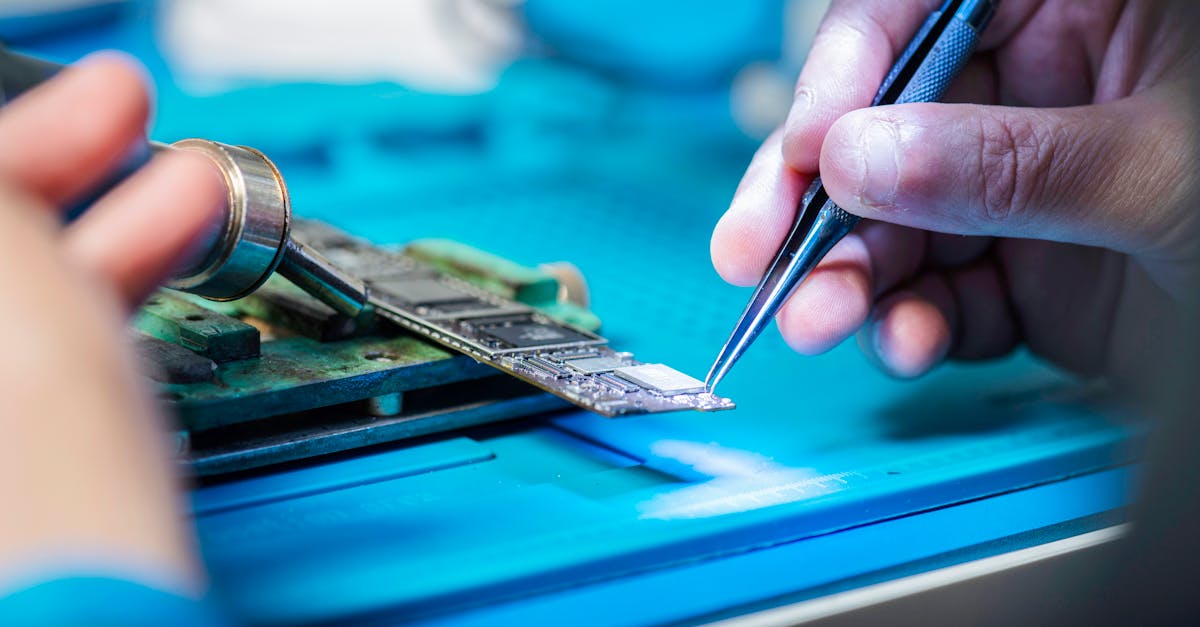
A proposed bill in Colorado offers a stark glimpse into the future of how corporations are working to limit the freedom people have to make their own fixes and upgrades. This isn't merely a localized legislative effort but rather a significant indicator of a broader trend where companies seek to control consumers' ability to repair and maintain the products they purchase. This impacts a vast array of items, from smartphones and complex agricultural machinery like tractors to common household appliances. At its core, this legislative push runs contrary to the burgeoning 'Right to Repair' movement, which advocates for consumers' autonomy to maintain what they own without exclusive reliance on manufacturers.
The "Right to Repair" Movement Under Threat
The 'Right to Repair' movement champions the fundamental idea that consumers should possess the necessary ability, tools, and information to repair their purchased products. This encompasses crucial access to service manuals, schematics, diagnostic tools, and authentic parts. Manufacturers, however, frequently impose restrictions, citing concerns such as intellectual property protection, user safety, or the integrity of their products. The Colorado bill, if successfully enacted, could further entrench manufacturer control, making it increasingly difficult, if not virtually impossible, for individuals or independent repair shops to service devices.
Corporations inherently possess a vested interest in controlling the entire repair ecosystem. This control ensures a steady revenue stream derived from the sale of proprietary parts, reliance on authorized repair centers, and, perhaps most importantly, by encouraging new product purchases when repairs become either prohibitively expensive or too difficult to undertake independently. This business model also significantly contributes to the growing problem of electronic waste, as perfectly functional devices are prematurely discarded due to minor, easily fixable issues that become inaccessible for repair. The Colorado legislation, therefore, appears to be a corporate-backed attempt to codify these existing restrictions, potentially setting a concerning precedent for other states and even nations.
Broader Implications for the Future of Ownership
The implications of such restrictive legislation extend far beyond individual gadgets and personal tech. This emerging trend represents a fundamental shift in the very concept of ownership itself. Do we genuinely own something if we are barred from repairing it, modifying it, or even choosing who performs those repairs for us? This corporate overreach not only impacts economic freedom by limiting small businesses and independent repair technicians but also stifles innovation in aftermarket solutions and compromises overall consumer choice.
Furthermore, the environmental cost of this trend is substantial. A world where products are deliberately designed for planned obsolescence and made difficult to repair contributes immensely to landfill waste and the depletion of valuable resources. Promoting and protecting the 'Right to Repair' is therefore crucial for fostering a circular economy, effectively extending product lifespans, and significantly reducing our collective ecological footprint. The Colorado bill serves as a stark reminder that the battle for fundamental consumer rights in the digital age is far from over, and the legislative choices made today will profoundly shape the future of how we interact with technology and the items we purchase. Consumer advocacy groups are closely monitoring this situation, urging lawmakers to prioritize consumer freedom and sustainability over corporate profits.
कोलोराडो में प्रस्तावित एक विधेयक भविष्य की एक गंभीर झलक पेश करता है कि कैसे बड़े निगम लोगों को अपने उपकरणों को ठीक करने और अपग्रेड करने की स्वतंत्रता को सीमित करने के लिए काम कर रहे हैं। यह केवल एक स्थानीय विधायी प्रयास नहीं है, बल्कि एक व्यापक प्रवृत्ति का एक महत्वपूर्ण संकेतक है जहाँ कंपनियाँ उपभोक्ताओं की अपने खरीदे गए उत्पादों की मरम्मत और रखरखाव करने की क्षमता को नियंत्रित करना चाहती हैं। यह स्मार्टफोन और ट्रैक्टर जैसे जटिल कृषि मशीनरी से लेकर सामान्य घरेलू उपकरणों तक, वस्तुओं की एक विस्तृत श्रृंखला को प्रभावित करता है। अपने मूल में, यह विधायी दबाव 'मरम्मत के अधिकार' (Right to Repair) आंदोलन के विपरीत है, जो उपभोक्ताओं की अपनी संपत्ति को बनाए रखने की स्वायत्तता की वकालत करता है, बिना निर्माताओं पर विशेष निर्भरता के।
"मरम्मत के अधिकार" आंदोलन पर खतरा
'मरम्मत के अधिकार' आंदोलन इस मौलिक विचार का समर्थन करता है कि उपभोक्ताओं के पास अपने खरीदे गए उत्पादों की मरम्मत करने के लिए आवश्यक क्षमता, उपकरण और जानकारी होनी चाहिए। इसमें सेवा मैनुअल, स्कीमेटिक्स, डायग्नोस्टिक उपकरण और प्रामाणिक पुर्जों तक महत्वपूर्ण पहुँच शामिल है। हालांकि, निर्माता अक्सर बौद्धिक संपदा सुरक्षा, उपयोगकर्ता सुरक्षा, या अपने उत्पादों की अखंडता जैसी चिंताओं का हवाला देते हुए प्रतिबंध लगाते हैं। कोलोराडो विधेयक, यदि सफलतापूर्वक अधिनियमित हो जाता है, तो निर्माता नियंत्रण को और मजबूत कर सकता है, जिससे व्यक्तियों या स्वतंत्र मरम्मत दुकानों के लिए उपकरणों की सेवा करना तेजी से मुश्किल, यदि वस्तुतः असंभव नहीं, हो जाएगा।
निगमों का स्वाभाविक रूप से पूरे मरम्मत पारिस्थितिकी तंत्र को नियंत्रित करने में निहित स्वार्थ होता है। यह नियंत्रण मालिकाना पुर्जों की बिक्री, अधिकृत मरम्मत केंद्रों पर निर्भरता, और शायद सबसे महत्वपूर्ण रूप से, जब मरम्मत निषेधात्मक रूप से महंगी या स्वतंत्र रूप से करने के लिए बहुत मुश्किल हो जाती है, तब नए उत्पाद खरीदने के लिए प्रोत्साहित करके एक स्थिर राजस्व धारा सुनिश्चित करता है। यह व्यावसायिक मॉडल इलेक्ट्रॉनिक कचरे की बढ़ती समस्या में भी महत्वपूर्ण योगदान देता है, क्योंकि पूरी तरह से कार्यात्मक उपकरण मामूली, आसानी से ठीक होने वाले मुद्दों के कारण समय से पहले ही फेंक दिए जाते हैं जो मरम्मत के लिए दुर्गम हो जाते हैं। इसलिए, कोलोराडो कानून मौजूदा प्रतिबंधों को संहिताबद्ध करने का एक कॉर्पोरेट-समर्थित प्रयास प्रतीत होता है, जो संभावित रूप से अन्य राज्यों और यहाँ तक कि देशों के लिए भी एक चिंताजनक मिसाल कायम कर सकता है।
स्वामित्व के भविष्य के लिए व्यापक निहितार्थ
इस तरह के प्रतिबंधात्मक कानून के निहितार्थ व्यक्तिगत गैजेट और व्यक्तिगत तकनीक से कहीं आगे तक जाते हैं। यह उभरती प्रवृत्ति स्वामित्व की अवधारणा में ही एक मौलिक बदलाव का प्रतिनिधित्व करती है। क्या हम वास्तव में किसी चीज़ के मालिक हैं यदि हमें उसकी मरम्मत करने, उसे संशोधित करने, या यहाँ तक कि यह चुनने से रोका जाता है कि हमारे लिए उन मरम्मतों को कौन करता है? यह कॉर्पोरेट अतिरेक न केवल छोटे व्यवसायों और स्वतंत्र मरम्मत तकनीशियनों को सीमित करके आर्थिक स्वतंत्रता को प्रभावित करता है, बल्कि आफ्टरमार्केट समाधानों में नवाचार को भी बाधित करता है और समग्र उपभोक्ता पसंद से समझौता करता है।
इसके अलावा, इस प्रवृत्ति की पर्यावरणीय लागत भी काफी है। एक ऐसी दुनिया जहाँ उत्पादों को जानबूझकर योजनाबद्ध अप्रचलन (planned obsolescence) के लिए डिज़ाइन किया जाता है और मरम्मत करना मुश्किल बना दिया जाता है, वह लैंडफिल कचरे और मूल्यवान संसाधनों की कमी में भारी योगदान देती है। इसलिए, उत्पादों के जीवनकाल को प्रभावी ढंग से बढ़ाकर और हमारे सामूहिक पारिस्थितिक पदचिह्न को काफी कम करके एक चक्रीय अर्थव्यवस्था को बढ़ावा देने के लिए 'मरम्मत के अधिकार' को बढ़ावा देना और उसकी रक्षा करना महत्वपूर्ण है। कोलोराडो विधेयक एक कठोर अनुस्मारक के रूप में कार्य करता है कि डिजिटल युग में मौलिक उपभोक्ता अधिकारों की लड़ाई अभी खत्म नहीं हुई है, और आज लिए गए विधायी विकल्प यह तय करेंगे कि हम प्रौद्योगिकी और हमारे द्वारा खरीदी गई वस्तुओं के साथ कैसे बातचीत करते हैं। उपभोक्ता वकालत समूह इस स्थिति पर बारीकी से नज़र रख रहे हैं, विधायकों से कॉर्पोरेट मुनाफे पर उपभोक्ता स्वतंत्रता और स्थिरता को प्राथमिकता देने का आग्रह कर रहे हैं।