Breaking News
ताज़ा खबर
Alasdair Keane Explores Underground Insect Farms: A Sustainable Solution for Food Waste and Animal Feed
अलास्डेयर कीन ने भूमिगत कीट फार्म का किया दौरा: खाद्य अपशिष्ट और पशु चारे का स्थायी समाधान
By AI News Desk
🕐 08 April 2026, 08:03 AM
🕐 08 April 2026, 08:03
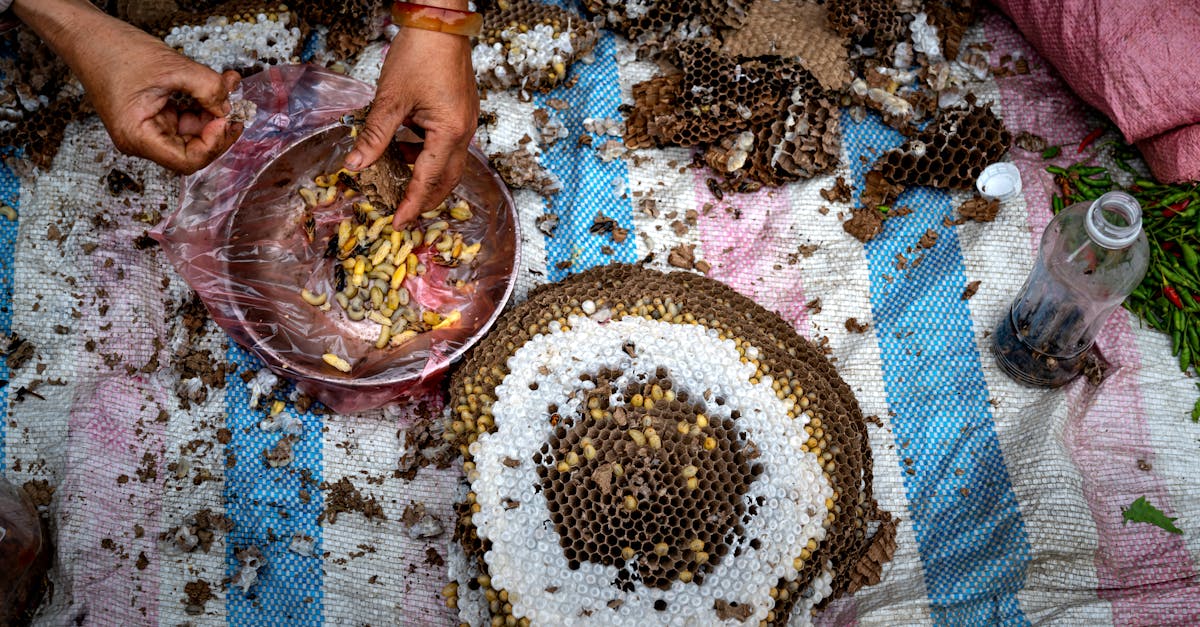
In a world grappling with escalating food waste and the urgent need for sustainable resources, Alasdair Keane's recent visit to an underground insect farm sheds light on a truly revolutionary approach. This innovative facility is at the forefront of transforming what was once a global burden – food waste – into a valuable resource: high-quality animal feed. Keane's exploration offers a fascinating glimpse into a burgeoning industry poised to disrupt traditional agricultural practices and bolster the circular economy.
The Promise of Entomophagy: Beyond Waste to Resource
The core concept behind these subterranean farms is deceptively simple yet profoundly impactful: harness the natural efficiency of insects to convert organic waste. Species like Black Soldier Fly larvae are particularly adept at consuming vast quantities of food scraps, from restaurant leftovers to agricultural by-products, far more efficiently than traditional composting methods. This not only diverts waste from landfills, where it would otherwise decompose and release potent greenhouse gases, but also creates a nutrient-rich biomass.
Once mature, these larvae are processed into a sustainable protein source for animal feed. This offers a compelling alternative to conventional feed ingredients such as soy and fishmeal, both of which come with significant environmental footprints, including deforestation and overfishing. By utilizing insects, the demand for these finite resources can be reduced, easing pressure on natural ecosystems and promoting biodiversity.
Keane's visit underscored the high-tech precision involved in these operations. Underground facilities provide a controlled environment, optimizing conditions for insect growth while minimizing land use and exposure to external pathogens. Temperature, humidity, and diet are meticulously managed, ensuring peak efficiency and product quality. This level of control allows for year-round production, making it a reliable and scalable solution regardless of external climate conditions.
The implications of this technology are far-reaching. Beyond the immediate benefits of waste reduction and sustainable feed production, insect farming contributes to food security by offering a resilient protein source. It also creates new 'green' jobs and fosters innovation in agricultural technology. Alasdair Keane's firsthand account highlights not just an interesting visit, but a pivotal moment in recognizing how nature's smallest creatures can provide solutions to some of humanity's biggest environmental challenges, paving the way for a more sustainable and resource-efficient future.
एक ऐसी दुनिया में जहां बढ़ता खाद्य अपशिष्ट और स्थायी संसाधनों की तत्काल आवश्यकता एक बड़ी चुनौती है, अलास्डेयर कीन का हालिया भूमिगत कीट फार्म का दौरा एक वास्तव में क्रांतिकारी दृष्टिकोण पर प्रकाश डालता है। यह अभिनव सुविधा उस चीज को बदलने में सबसे आगे है जो कभी एक वैश्विक बोझ था – खाद्य अपशिष्ट – एक मूल्यवान संसाधन में: उच्च गुणवत्ता वाला पशु चारा। कीन की खोज एक बढ़ते उद्योग की एक आकर्षक झलक प्रदान करती है जो पारंपरिक कृषि पद्धतियों को बाधित करने और चक्रीय अर्थव्यवस्था को बढ़ावा देने के लिए तैयार है।
कीटभक्षण का वादा: अपशिष्ट से परे संसाधन तक
इन भूमिगत फार्मों के पीछे की मूल अवधारणा deceptively सरल फिर भी गहरा प्रभावशाली है: कार्बनिक अपशिष्ट को परिवर्तित करने के लिए कीड़ों की प्राकृतिक दक्षता का उपयोग करना। ब्लैक सोल्जर फ्लाई लार्वा जैसी प्रजातियां भोजन के बचे हुए टुकड़ों से लेकर कृषि उप-उत्पादों तक, बड़ी मात्रा में खाद्य स्क्रैप का उपभोग करने में विशेष रूप से निपुण हैं, जो पारंपरिक खाद बनाने के तरीकों की तुलना में कहीं अधिक कुशल हैं। यह न केवल कचरे को लैंडफिल से हटाता है, जहां यह अन्यथा विघटित होकर शक्तिशाली ग्रीनहाउस गैसें छोड़ता है, बल्कि एक पोषक तत्वों से भरपूर बायोमास भी बनाता है।
परिपक्व होने के बाद, इन लार्वा को पशु चारा के लिए एक स्थायी प्रोटीन स्रोत में संसाधित किया जाता है। यह सोया और मछली के भोजन जैसे पारंपरिक चारा सामग्री के लिए एक आकर्षक विकल्प प्रदान करता है, इन दोनों का महत्वपूर्ण पर्यावरणीय प्रभाव होता है, जिसमें वनों की कटाई और अत्यधिक मछली पकड़ना शामिल है। कीड़ों का उपयोग करके, इन सीमित संसाधनों की मांग को कम किया जा सकता है, प्राकृतिक पारिस्थितिक तंत्रों पर दबाव कम किया जा सकता है और जैव विविधता को बढ़ावा दिया जा सकता है।
कीन के दौरे ने इन परिचालनों में शामिल उच्च तकनीक की सटीकता को रेखांकित किया। भूमिगत सुविधाएं एक नियंत्रित वातावरण प्रदान करती हैं, कीट वृद्धि के लिए परिस्थितियों को अनुकूलित करती हैं जबकि भूमि उपयोग और बाहरी रोगजनकों के संपर्क को कम करती हैं। तापमान, आर्द्रता और आहार को सावधानीपूर्वक प्रबंधित किया जाता है, जिससे अधिकतम दक्षता और उत्पाद की गुणवत्ता सुनिश्चित होती है। नियंत्रण का यह स्तर साल भर उत्पादन की अनुमति देता है, जिससे यह बाहरी जलवायु परिस्थितियों की परवाह किए बिना एक विश्वसनीय और स्केलेबल समाधान बन जाता है।
इस तकनीक के निहितार्थ दूरगामी हैं। अपशिष्ट में कमी और स्थायी चारा उत्पादन के तात्कालिक लाभों से परे, कीट पालन एक लचीला प्रोटीन स्रोत प्रदान करके खाद्य सुरक्षा में योगदान देता है। यह नई 'हरी' नौकरियां भी पैदा करता है और कृषि प्रौद्योगिकी में नवाचार को बढ़ावा देता है। अलास्डेयर कीन का प्रत्यक्ष विवरण न केवल एक दिलचस्प यात्रा को उजागर करता है, बल्कि यह पहचानने में एक महत्वपूर्ण क्षण भी है कि प्रकृति के सबसे छोटे जीव मानवता की सबसे बड़ी पर्यावरणीय चुनौतियों में से कुछ का समाधान कैसे प्रदान कर सकते हैं, जिससे अधिक स्थायी और संसाधन-कुशल भविष्य का मार्ग प्रशस्त हो रहा है।