Breaking News
ताज़ा खबर
ताजी बातमी
সর্বশেষ সংবাদ
சமீபத்திய செய்தி
తాజా వార్త
તાજા સમાચાર
ਤਾਜ਼ਾ ਖ਼ਬਰ
India Hits E20 Target Early: What it Means for Your Wallet & Car
भारत ने समय से पहले E20 लक्ष्य साधा: आपकी जेब और गाड़ी पर क्या होगा असर?
भारताने E20 लक्ष्य वेळेआधीच गाठले: तुमच्या खिशावर आणि गाडीवर काय परिणाम होईल?
ভারত নির্ধারিত সময়ের আগে E20 লক্ষ্য অর্জন করলো: আপনার পকেট এবং গাড়ির উপর এর কী প্রভাব?
E20 இலக்கை முன்கூட்டியே அடைந்த இந்தியா: உங்கள் பாக்கெட்டிலும், காரிலும் என்ன தாக்கம்?
E20 లక్ష్యాన్ని ముందుగానే చేరుకున్న భారతదేశం: మీ జేబు మరియు కారుపై దీని ప్రభావం ఏమిటి?
ભારતે E20 લક્ષ્ય સમય પહેલા હાંસલ કર્યું: તમારા ખિસ્સા અને કાર પર શું અસર થશે?
ਭਾਰਤ ਨੇ ਸਮੇਂ ਤੋਂ ਪਹਿਲਾਂ E20 ਦਾ ਟੀਚਾ ਹਾਸਲ ਕੀਤਾ: ਤੁਹਾਡੀ ਜੇਬ ਅਤੇ ਗੱਡੀ 'ਤੇ ਕੀ ਅਸਰ ਪਵੇਗਾ?
By AI News Desk
🕐 11 July 2026, 06:24 PM
🚀 Technology
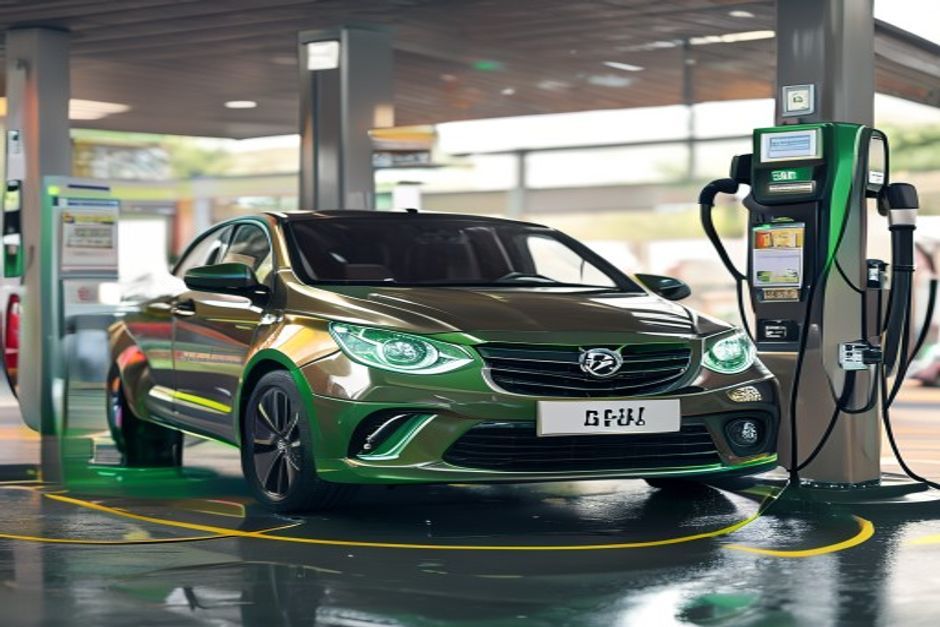
India has achieved a significant milestone, successfully blending 20% ethanol with petrol (E20) nationwide, a full five years ahead of its ambitious 2030 target. This remarkable feat not only underscores the nation's commitment to energy security and environmental sustainability but also paves the way for even higher blends like E85 and E100. But for the average consumer, crucial questions remain: what does this mean for your daily commute, your vehicle’s performance, and your wallet?
The primary driver behind increased ethanol blending is to reduce India's heavy reliance on crude oil imports, saving valuable foreign exchange and bolstering the domestic agricultural sector, particularly sugar and grain farmers. Environmentally, ethanol is a cleaner-burning fuel, promising a reduction in greenhouse gas emissions and improved air quality.
Impact on Consumers: Price, Mileage & Compatibility
While the initial promise of ethanol blending often includes the prospect of cheaper fuel, the reality is more nuanced. The price of E20 will depend on various factors, including the cost of ethanol production, government subsidies, and crude oil prices. However, in the long run, reduced import dependency could stabilize prices. Regarding vehicle mileage, some studies suggest a slight decrease in fuel efficiency with higher ethanol blends due to ethanol's lower energy density compared to petrol. This could mean more frequent visits to the pump for older, non-E20 compatible vehicles.
Crucially, not all existing vehicles are designed to run on E20, and certainly not on future E85 or E100 blends. While most new vehicles sold in India since 2018 are E20 compatible, older models might experience issues like reduced engine life, fuel line corrosion, or performance degradation. Automakers are rapidly adapting, with many now offering 'flex-fuel' vehicles capable of running on a range of ethanol-petrol mixtures. For consumers, it's essential to check their vehicle's compatibility with the manufacturer or consider upgrading to a flex-fuel model as higher blends become more prevalent. India's swift progress towards a greener fuel future is undeniable, but informed choices by consumers will be key to a smooth transition.
भारत ने पेट्रोल में 20% इथेनॉल मिश्रण (E20) का लक्ष्य सफलतापूर्वक हासिल कर लिया है, जो अपने महत्वाकांक्षी 2030 के लक्ष्य से पूरे पांच साल पहले है। यह उल्लेखनीय उपलब्धि न केवल ऊर्जा सुरक्षा और पर्यावरणीय स्थिरता के प्रति देश की प्रतिबद्धता को रेखांकित करती है, बल्कि E85 और E100 जैसे उच्च मिश्रणों के लिए भी मार्ग प्रशस्त करती है। लेकिन औसत उपभोक्ता के लिए, महत्वपूर्ण सवाल बने हुए हैं: इसका आपकी दैनिक यात्रा, आपके वाहन के प्रदर्शन और आपकी जेब पर क्या मतलब होगा?
इथेनॉल मिश्रण में वृद्धि का प्राथमिक कारण भारत की कच्चे तेल के आयात पर भारी निर्भरता को कम करना है, जिससे बहुमूल्य विदेशी मुद्रा की बचत होगी और घरेलू कृषि क्षेत्र, विशेष रूप से चीनी और अनाज किसानों को बढ़ावा मिलेगा। पर्यावरणीय रूप से, इथेनॉल एक स्वच्छ जलने वाला ईंधन है, जो ग्रीनहाउस गैस उत्सर्जन में कमी और बेहतर वायु गुणवत्ता का वादा करता है।
उपभोक्ताओं पर प्रभाव: कीमत, माइलेज और संगतता
जबकि इथेनॉल मिश्रण का प्रारंभिक वादा अक्सर सस्ते ईंधन की संभावना को शामिल करता है, वास्तविकता अधिक सूक्ष्म है। E20 की कीमत इथेनॉल उत्पादन की लागत, सरकारी सब्सिडी और कच्चे तेल की कीमतों सहित विभिन्न कारकों पर निर्भर करेगी। हालांकि, लंबे समय में, कम आयात निर्भरता कीमतों को स्थिर कर सकती है। वाहन के माइलेज के संबंध में, कुछ अध्ययनों से पता चलता है कि इथेनॉल की पेट्रोल की तुलना में कम ऊर्जा घनत्व के कारण उच्च इथेनॉल मिश्रण के साथ ईंधन दक्षता में थोड़ी कमी आ सकती है। इसका मतलब पुराने, गैर-E20 संगत वाहनों के लिए बार-बार पेट्रोल पंप पर जाना पड़ सकता है।
महत्वपूर्ण बात यह है कि सभी मौजूदा वाहन E20 पर चलने के लिए डिज़ाइन नहीं किए गए हैं, और निश्चित रूप से भविष्य के E85 या E100 मिश्रणों पर भी नहीं। जबकि भारत में 2018 से बेचे गए अधिकांश नए वाहन E20 संगत हैं, पुराने मॉडलों में इंजन जीवन में कमी, ईंधन लाइन जंग, या प्रदर्शन में गिरावट जैसे मुद्दों का अनुभव हो सकता है। वाहन निर्माता तेजी से अनुकूलन कर रहे हैं, कई अब 'फ्लेक्स-फ्यूल' वाहन पेश कर रहे हैं जो इथेनॉल-पेट्रोल मिश्रण की एक श्रृंखला पर चलने में सक्षम हैं। उपभोक्ताओं के लिए, अपने वाहन की संगतता निर्माता से जांचना या फ्लेक्स-फ्यूल मॉडल में अपग्रेड करने पर विचार करना आवश्यक है क्योंकि उच्च मिश्रण अधिक प्रचलित हो जाते हैं। भारत की हरित ईंधन भविष्य की दिशा में तेज प्रगति निर्विवाद है, लेकिन उपभोक्ताओं द्वारा सूचित विकल्प एक सुचारु संक्रमण की कुंजी होंगे।
भारताने पेट्रोलमध्ये 20% इथेनॉल मिश्रण (E20) करण्याचे उद्दिष्ट यशस्वीरित्या गाठले आहे, जे त्याच्या महत्त्वाकांक्षी 2030 च्या लक्ष्यापेक्षा पूर्ण पाच वर्षे आधी आहे. ही लक्षणीय कामगिरी केवळ ऊर्जा सुरक्षा आणि पर्यावरणीय टिकाऊपणाप्रती देशाची वचनबद्धता दर्शवते असे नाही, तर E85 आणि E100 सारख्या उच्च मिश्रणासाठीही मार्ग मोकळा करते. परंतु सामान्य ग्राहकांसाठी, काही महत्त्वाचे प्रश्न अनुत्तरित राहतात: याचा तुमच्या दैनंदिन प्रवासावर, तुमच्या वाहनाच्या कार्यक्षमतेवर आणि तुमच्या खिशावर काय परिणाम होईल?
इथेनॉल मिश्रणात वाढ करण्याचे मुख्य कारण म्हणजे भारताची कच्च्या तेलाच्या आयातीवरील मोठी अवलंबित्व कमी करणे, ज्यामुळे मौल्यवान परकीय चलनाची बचत होईल आणि देशांतर्गत कृषी क्षेत्राला, विशेषतः साखर आणि धान्य उत्पादक शेतकऱ्यांना चालना मिळेल. पर्यावरणीय दृष्ट्या, इथेनॉल हे अधिक स्वच्छ जळणारे इंधन आहे, जे ग्रीनहाऊस वायू उत्सर्जनात घट आणि सुधारित हवेच्या गुणवत्तेचे वचन देते.
ग्राहकांवर परिणाम: किंमत, मायलेज आणि सुसंगतता
इथेनॉल मिश्रणाच्या सुरुवातीच्या आश्वासनांमध्ये अनेकदा स्वस्त इंधनाची शक्यता समाविष्ट असते, परंतु वास्तविकता अधिक सूक्ष्म आहे. E20 ची किंमत इथेनॉल उत्पादन खर्च, सरकारी अनुदाने आणि कच्च्या तेलाच्या किमती यासह विविध घटकांवर अवलंबून असेल. तथापि, दीर्घकाळात, कमी आयात अवलंबित्व किमती स्थिर करू शकते. वाहनाच्या मायलेजच्या संदर्भात, काही अभ्यासातून असे दिसून येते की पेट्रोलच्या तुलनेत इथेनॉलची ऊर्जा घनता कमी असल्यामुळे उच्च इथेनॉल मिश्रणासह इंधन कार्यक्षमतेत थोडी घट होऊ शकते. याचा अर्थ जुन्या, E20 नसलेल्या सुसंगत वाहनांसाठी अधिक वारंवार पेट्रोल पंपावर जावे लागू शकते।
महत्त्वाचे म्हणजे, सर्व विद्यमान वाहने E20 वर चालण्यासाठी डिझाइन केलेली नाहीत आणि निश्चितपणे भविष्यातील E85 किंवा E100 मिश्रणावरही नाहीत. 2018 पासून भारतात विकली गेलेली बहुतेक नवीन वाहने E20 सुसंगत असली तरी, जुन्या मॉडेल्समध्ये इंजिनचे आयुष्य कमी होणे, इंधन लाईन गंजणे किंवा कार्यक्षमतेत घट होणे यासारख्या समस्या येऊ शकतात. ऑटोमोबाइल उत्पादक वेगाने जुळवून घेत आहेत, अनेकजण आता 'फ्लेक्स-फ्यूएल' वाहने देत आहेत जे इथेनॉल-पेट्रोल मिश्रणाच्या श्रेणीवर चालू शकतात. ग्राहकांसाठी, त्यांच्या वाहनाची उत्पादकाशी सुसंगतता तपासणे किंवा उच्च मिश्रण अधिक प्रचलित झाल्यावर फ्लेक्स-फ्यूएल मॉडेलमध्ये अपग्रेड करण्याचा विचार करणे आवश्यक आहे. भारताची हरित इंधन भविष्याकडे जलद प्रगती निर्विवाद आहे, परंतु ग्राहकांनी घेतलेले माहितीपूर्ण निर्णय हे सुरळीत संक्रमणासाठी महत्त्वाचे ठरतील।
ভারত পেট্রোলে 20% ইথানল মিশ্রণের (E20) লক্ষ্য সফলভাবে অর্জন করেছে, যা তার উচ্চাভিলাষী 2030 সালের লক্ষ্যের থেকে পুরো পাঁচ বছর আগে। এই উল্লেখযোগ্য অর্জন কেবল শক্তি নিরাপত্তা এবং পরিবেশগত স্থিতিশীলতার প্রতি দেশের প্রতিশ্রুতিকে তুলে ধরে না, বরং E85 এবং E100-এর মতো উচ্চ মিশ্রণের জন্যও পথ প্রশস্ত করে। কিন্তু সাধারণ গ্রাহকদের জন্য, কিছু গুরুত্বপূর্ণ প্রশ্ন রয়ে গেছে: এর ফলে আপনার দৈনন্দিন যাতায়াত, আপনার গাড়ির কর্মক্ষমতা এবং আপনার পকেটের উপর কী প্রভাব পড়বে?
ইথানল মিশ্রণ বৃদ্ধির মূল কারণ হল ভারতের অপরিশোধিত তেল আমদানির উপর অতিরিক্ত নির্ভরতা কমানো, যার ফলে মূল্যবান বৈদেশিক মুদ্রা সাশ্রয় হবে এবং দেশের কৃষি খাত, বিশেষ করে চিনি ও খাদ্যশস্য উৎপাদনকারী কৃষকদের উপকৃত হবে। পরিবেশগত দিক থেকে, ইথানল একটি পরিষ্কার-জ্বালানি, যা গ্রিনহাউস গ্যাস নির্গমন হ্রাস এবং বায়ুর গুণমান উন্নত করার প্রতিশ্রুতি দেয়।
গ্রাহকদের উপর প্রভাব: দাম, মাইলেজ এবং সামঞ্জস্য
ইথানল মিশ্রণের প্রাথমিক প্রতিশ্রুতিতে প্রায়শই সস্তা জ্বালানির সম্ভাবনা অন্তর্ভুক্ত থাকে, তবে বাস্তবতা আরও সূক্ষ্ম। E20-এর দাম ইথানল উৎপাদন খরচ, সরকারি ভর্তুকি এবং অপরিশোধিত তেলের দাম সহ বিভিন্ন কারণের উপর নির্ভর করবে। তবে, দীর্ঘমেয়াদে, কম আমদানি নির্ভরতা দাম স্থিতিশীল করতে পারে। গাড়ির মাইলেজের ক্ষেত্রে, কিছু গবেষণা ইঙ্গিত দেয় যে পেট্রোলের তুলনায় ইথানলের কম শক্তি ঘনত্বের কারণে উচ্চ ইথানল মিশ্রণের সাথে জ্বালানি দক্ষতায় সামান্য হ্রাস হতে পারে। এর অর্থ পুরোনো, E20 সামঞ্জস্যপূর্ণ নয় এমন গাড়ির জন্য ঘন ঘন পেট্রোল পাম্পে যেতে হতে পারে।
গুরুত্বপূর্ণভাবে, সমস্ত বিদ্যমান গাড়ি E20 তে চলার জন্য ডিজাইন করা হয়নি, এবং নিশ্চিতভাবে ভবিষ্যতের E85 বা E100 মিশ্রণেও নয়। যদিও 2018 সাল থেকে ভারতে বিক্রি হওয়া বেশিরভাগ নতুন গাড়ি E20 সামঞ্জস্যপূর্ণ, পুরোনো মডেলগুলিতে ইঞ্জিনের আয়ু হ্রাস, ফুয়েল লাইনে মরিচা বা কর্মক্ষমতা হ্রাস হওয়ার মতো সমস্যা দেখা দিতে পারে। গাড়ি নির্মাতারা দ্রুত মানিয়ে নিচ্ছেন, অনেকেই এখন 'ফ্লেক্স-ফুয়েল' গাড়ি সরবরাহ করছেন যা ইথানল-পেট্রোল মিশ্রণের একটি পরিসরে চলতে সক্ষম। গ্রাহকদের জন্য, তাদের গাড়ির প্রস্তুতকারকের সাথে সামঞ্জস্যতা পরীক্ষা করা বা উচ্চ মিশ্রণ আরও প্রচলিত হলে ফ্লেক্স-ফুয়েল মডেলে আপগ্রেড করার কথা বিবেচনা করা অপরিহার্য। একটি সবুজ জ্বালানি ভবিষ্যতের দিকে ভারতের দ্রুত অগ্রগতি অনস্বীকার্য, তবে গ্রাহকদের দ্বারা অবহিত পছন্দগুলি একটি মসৃণ পরিবর্তনের মূল চাবিকাঠি হবে।
இந்தியா பெட்ரோலில் 20% எத்தனால் கலப்பு (E20) என்ற இலக்கை வெற்றிகரமாக அடைந்துள்ளது, இது 2030 ஆம் ஆண்டுக்கான அதன் லட்சிய இலக்கை விட முழு ஐந்து ஆண்டுகளுக்கு முன்னதாகவே நிகழ்ந்துள்ளது. இந்த குறிப்பிடத்தக்க சாதனை, எரிசக்தி பாதுகாப்பு மற்றும் சுற்றுச்சூழல் நிலைத்தன்மைக்கான நாட்டின் உறுதிப்பாட்டை அடிக்கோடிட்டுக் காட்டுவதுடன், E85 மற்றும் E100 போன்ற அதிக கலப்புகளுக்கும் வழி வகுக்கிறது. ஆனால் சராசரி நுகர்வோருக்கு, முக்கியமான கேள்விகள் எழுகின்றன: இது உங்கள் தினசரி பயணம், உங்கள் வாகனத்தின் செயல்திறன் மற்றும் உங்கள் பணப்பையில் என்ன தாக்கத்தை ஏற்படுத்தும்?
எத்தனால் கலப்பை அதிகரிப்பதற்கான முதன்மைக் காரணம், கச்சா எண்ணெய் இறக்குமதியை இந்தியா அதிக அளவில் சார்ந்திருப்பதைக் குறைப்பதாகும். இது மதிப்புமிக்க வெளிநாட்டு நாணயத்தைச் சேமிப்பதோடு, உள்நாட்டு விவசாயத் துறைக்கும், குறிப்பாக சர்க்கரை மற்றும் தானிய விவசாயிகளுக்கும் ஊக்கமளிக்கும். சுற்றுச்சூழலைப் பொறுத்தவரை, எத்தனால் ஒரு தூய்மையான எரியும் எரிபொருள், இது பசுமை இல்ல வாயு வெளியேற்றத்தைக் குறைப்பதோடு, காற்றின் தரத்தையும் மேம்படுத்துவதாக உறுதியளிக்கிறது.
நுகர்வோர் மீதான தாக்கம்: விலை, மைலேஜ் மற்றும் இணக்கத்தன்மை
எத்தனால் கலப்பின் ஆரம்ப வாக்குறுதி பெரும்பாலும் மலிவான எரிபொருளின் சாத்தியக்கூறுகளை உள்ளடக்கியிருந்தாலும், உண்மை சற்று நுணுக்கமானது. E20 இன் விலை எத்தனால் உற்பத்திச் செலவு, அரசு மானியங்கள் மற்றும் கச்சா எண்ணெய் விலைகள் உள்ளிட்ட பல்வேறு காரணிகளைப் பொறுத்தது. இருப்பினும், நீண்ட காலப்போக்கில், குறைந்த இறக்குமதி சார்பு விலைகளை நிலைப்படுத்தலாம். வாகன மைலேஜைப் பொறுத்தவரை, சில ஆய்வுகள் எத்தனால், பெட்ரோலை விட குறைவான ஆற்றல் அடர்த்தியைக் கொண்டிருப்பதால், அதிக எத்தனால் கலப்புகளுடன் எரிபொருள் திறனில் சற்று குறைவைக் காட்டுகின்றன. இதன் பொருள் பழைய, E20 இணக்கமற்ற வாகனங்களுக்கு அடிக்கடி பெட்ரோல் நிலையங்களுக்குச் செல்ல வேண்டியிருக்கலாம்.
முக்கியமாக, தற்போதுள்ள அனைத்து வாகனங்களும் E20 இல் இயங்குவதற்கு வடிவமைக்கப்படவில்லை, எதிர்காலத்தில் வரும் E85 அல்லது E100 கலப்புகளிலும் நிச்சயம் இயங்காது. 2018 ஆம் ஆண்டு முதல் இந்தியாவில் விற்கப்படும் பெரும்பாலான புதிய வாகனங்கள் E20 இணக்கமானவை என்றாலும், பழைய மாடல்கள் எஞ்சின் ஆயுள் குறைதல், எரிபொருள் குழாய்களில் அரிப்பு அல்லது செயல்திறன் குறைதல் போன்ற சிக்கல்களை அனுபவிக்கலாம். வாகன உற்பத்தியாளர்கள் வேகமாகத் தகவமைத்து வருகின்றனர், பலர் இப்போது 'ஃப்ளெக்ஸ்-எரிபொருள்' வாகனங்களை வழங்குகின்றனர், அவை எத்தனால்-பெட்ரோல் கலவையின் ஒரு வரம்பில் இயங்கக்கூடியவை. நுகர்வோருக்கு, தங்கள் வாகனத்தின் இணக்கத்தன்மையை உற்பத்தியாளரிடம் சரிபார்க்க வேண்டும் அல்லது அதிக கலப்புகள் அதிகமாகப் பரவும்போது ஃப்ளெக்ஸ்-எரிபொருள் மாடலுக்கு மேம்படுத்துவதைக் கருத்தில் கொள்ள வேண்டும். பசுமையான எரிபொருள் எதிர்காலத்தை நோக்கிய இந்தியாவின் விரைவான முன்னேற்றம் மறுக்க முடியாதது, ஆனால் நுகர்வோர் எடுக்கும் தகவலறிந்த முடிவுகள் ஒரு மென்மையான மாற்றத்திற்கு முக்கியமாகும்.
భారతదేశం పెట్రోల్లో 20% ఇథనాల్ మిశ్రమాన్ని (E20) విజయవంతంగా సాధించింది, ఇది తన 2030 లక్ష్యం కంటే ఐదు సంవత్సరాల ముందే జరిగింది. ఈ అద్భుతమైన విజయం దేశం యొక్క ఇంధన భద్రత మరియు పర్యావరణ స్థిరత్వం పట్ల నిబద్ధతను నొక్కి చెప్పడమే కాకుండా, E85 మరియు E100 వంటి అధిక మిశ్రమాలకు కూడా మార్గం సుగమం చేస్తుంది. కానీ సగటు వినియోగదారుడికి, కీలక ప్రశ్నలు మిగిలి ఉన్నాయి: ఇది మీ రోజువారీ ప్రయాణం, మీ వాహనం పనితీరు మరియు మీ జేబుపై ఏమి ప్రభావం చూపుతుంది?
ఇథనాల్ మిశ్రమం పెరగడానికి ప్రధాన కారణం భారతదేశం యొక్క ముడి చమురు దిగుమతులపై అధిక ఆధారపడటాన్ని తగ్గించడం, ఇది విలువైన విదేశీ మారకాన్ని ఆదా చేస్తుంది మరియు దేశీయ వ్యవసాయ రంగాన్ని, ముఖ్యంగా చక్కెర మరియు ధాన్యం రైతులకు మద్దతు ఇస్తుంది. పర్యావరణపరంగా, ఇథనాల్ అనేది స్వచ్ఛమైన ఇంధనం, ఇది గ్రీన్హౌస్ వాయు ఉద్గారాలను తగ్గించి, గాలి నాణ్యతను మెరుగుపరుస్తుంది.
వినియోగదారులపై ప్రభావం: ధర, మైలేజ్ మరియు అనుకూలత
ఇథనాల్ మిశ్రమం యొక్క ప్రారంభ వాగ్దానం తరచుగా చౌకైన ఇంధనం యొక్క అవకాశాన్ని కలిగి ఉన్నప్పటికీ, వాస్తవికత మరింత సూక్ష్మంగా ఉంటుంది. E20 ధర ఇథనాల్ ఉత్పత్తి ఖర్చు, ప్రభుత్వ రాయితీలు మరియు ముడి చమురు ధరలతో సహా వివిధ కారకాలపై ఆధారపడి ఉంటుంది. అయితే, దీర్ఘకాలంలో, తక్కువ దిగుమతి ఆధారపడటం ధరలను స్థిరీకరించవచ్చు. వాహన మైలేజీకి సంబంధించి, కొన్ని అధ్యయనాలు పెట్రోల్తో పోలిస్తే ఇథనాల్ యొక్క తక్కువ శక్తి సాంద్రత కారణంగా అధిక ఇథనాల్ మిశ్రమంతో ఇంధన సామర్థ్యంలో స్వల్ప తగ్గింపును సూచిస్తాయి. దీని అర్థం పాత, E20 అనుకూలత లేని వాహనాలకు తరచుగా పంప్కు వెళ్లవలసి రావచ్చు.
ముఖ్యంగా, ఇప్పటికే ఉన్న అన్ని వాహనాలు E20లో నడిచేలా రూపొందించబడలేదు, మరియు భవిష్యత్ E85 లేదా E100 మిశ్రమాలపై ఖచ్చితంగా కాదు. 2018 నుండి భారతదేశంలో విక్రయించబడిన చాలా కొత్త వాహనాలు E20 అనుకూలమైనవి అయినప్పటికీ, పాత మోడల్లు ఇంజిన్ జీవితం తగ్గడం, ఇంధన లైన్ కోత లేదా పనితీరు తగ్గడం వంటి సమస్యలను ఎదుర్కొనే అవకాశం ఉంది. ఆటోమొబైల్ తయారీదారులు వేగంగా అనుగుణంగా మారుతున్నారు, చాలామంది ఇప్పుడు ఇథనాల్-పెట్రోల్ మిశ్రమాల శ్రేణిలో నడవగల 'ఫ్లెక్స్-ఫ్యూయల్' వాహనాలను అందిస్తున్నారు. వినియోగదారులకు, వారి వాహనం యొక్క అనుకూలతను తయారీదారుతో తనిఖీ చేయడం లేదా అధిక మిశ్రమాలు మరింత విస్తృతంగా మారినప్పుడు ఫ్లెక్స్-ఫ్యూయల్ మోడల్కు అప్గ్రేడ్ చేయడాన్ని పరిగణించడం చాలా అవసరం. పచ్చని ఇంధన భవిష్యత్తు వైపు భారతదేశం యొక్క వేగవంతమైన పురోగతి తిరుగులేనిది, కానీ వినియోగదారులు తీసుకునే సమాచార నిర్ణయాలు సాఫీగా మారడానికి కీలకం.
ભારતે પેટ્રોલમાં 20% ઇથેનોલ મિશ્રણ (E20)નું લક્ષ્ય સફળતાપૂર્વક હાંસલ કર્યું છે, જે તેના મહત્વાકાંક્ષી 2030ના લક્ષ્ય કરતાં પૂરા પાંચ વર્ષ વહેલું છે. આ નોંધપાત્ર સિદ્ધિ માત્ર ઊર્જા સુરક્ષા અને પર્યાવરણીય સ્થિરતા પ્રત્યે દેશની પ્રતિબદ્ધતાને રેખાંકિત કરે છે, પરંતુ E85 અને E100 જેવા ઉચ્ચ મિશ્રણ માટે પણ માર્ગ મોકળો કરે છે. પરંતુ સામાન્ય ગ્રાહકો માટે, મહત્વપૂર્ણ પ્રશ્નો બાકી છે: આનો તમારી દૈનિક મુસાફરી, તમારા વાહનની કામગીરી અને તમારા ખિસ્સા પર શું અર્થ થશે?
ઇથેનોલ મિશ્રણમાં વૃદ્ધિનું પ્રાથમિક કારણ ભારતની ક્રૂડ ઓઇલની આયાત પરની ભારે નિર્ભરતા ઘટાડવાનું છે, જેનાથી કિંમતી વિદેશી હૂંડિયામણની બચત થશે અને સ્થાનિક કૃષિ ક્ષેત્રને, ખાસ કરીને ખાંડ અને અનાજ ઉત્પાદક ખેડૂતોને પ્રોત્સાહન મળશે. પર્યાવરણીય દ્રષ્ટિએ, ઇથેનોલ એક સ્વચ્છ બળતણ છે, જે ગ્રીનહાઉસ ગેસ ઉત્સર્જનમાં ઘટાડો અને સુધારેલી હવાની ગુણવત્તાનું વચન આપે છે.
ગ્રાહકો પર અસર: કિંમત, માઇલેજ અને સુસંગતતા
જ્યારે ઇથેનોલ મિશ્રણનું પ્રારંભિક વચન ઘણીવાર સસ્તા બળતણની સંભાવનાનો સમાવેશ કરે છે, ત્યારે વાસ્તવિકતા વધુ સૂક્ષ્મ છે. E20 ની કિંમત ઇથેનોલ ઉત્પાદન ખર્ચ, સરકારી સબસિડી અને ક્રૂડ ઓઇલની કિંમતો સહિતના વિવિધ પરિબળો પર આધારિત રહેશે. જોકે, લાંબા ગાળે, ઓછી આયાત નિર્ભરતા કિંમતોને સ્થિર કરી શકે છે. વાહન માઇલેજની દ્રષ્ટિએ, કેટલાક અભ્યાસો સૂચવે છે કે પેટ્રોલની તુલનામાં ઇથેનોલની ઓછી ઊર્જા ઘનતાને કારણે ઉચ્ચ ઇથેનોલ મિશ્રણ સાથે બળતણ કાર્યક્ષમતામાં થોડો ઘટાડો થઈ શકે છે. આનો અર્થ જૂના, E20 સુસંગત ન હોય તેવા વાહનો માટે વધુ વારંવાર પેટ્રોલ પંપ પર જવું પડી શકે છે।
મહત્વપૂર્ણ રીતે, બધા હાલના વાહનો E20 પર ચાલવા માટે ડિઝાઇન કરાયા નથી, અને ચોક્કસપણે ભવિષ્યના E85 અથવા E100 મિશ્રણ પર પણ નથી. જ્યારે ભારતમાં 2018 થી વેચાયેલા મોટાભાગના નવા વાહનો E20 સુસંગત છે, ત્યારે જૂના મોડેલોમાં એન્જિનનું આયુષ્ય ઘટવું, ઇંધણ લાઇનમાં કાટ લાગવો અથવા કામગીરીમાં ઘટાડો જેવી સમસ્યાઓ અનુભવી શકે છે. વાહન નિર્માતાઓ ઝડપથી અનુકૂલન કરી રહ્યા છે, ઘણા હવે 'ફ્લેક્સ-ફ્યુઅલ' વાહનો ઓફર કરી રહ્યા છે જે ઇથેનોલ-પેટ્રોલ મિશ્રણની શ્રેણી પર ચાલી શકે છે. ગ્રાહકો માટે, તેમના વાહનની ઉત્પાદક સાથે સુસંગતતા તપાસવી અથવા ઉચ્ચ મિશ્રણ વધુ પ્રચલિત થાય ત્યારે ફ્લેક્સ-ફ્યુઅલ મોડેલમાં અપગ્રેડ કરવાનું વિચારવું આવશ્યક છે. ભારતની હરિત બળતણ ભવિષ્ય તરફની ઝડપી પ્રગતિ નિર્વિવાદ છે, પરંતુ ગ્રાહકો દ્વારા લેવાયેલા જાણકાર નિર્ણયો સુચારુ સંક્રમણ માટે મુખ્ય ચાવી હશે।
ਭਾਰਤ ਨੇ ਪੈਟਰੋਲ ਵਿੱਚ 20% ਈਥਾਨੌਲ ਮਿਸ਼ਰਣ (E20) ਦਾ ਟੀਚਾ ਸਫਲਤਾਪੂਰਵਕ ਪ੍ਰਾਪਤ ਕਰ ਲਿਆ ਹੈ, ਜੋ ਕਿ ਆਪਣੇ 2030 ਦੇ ਅਭਿਲਾਸ਼ੀ ਟੀਚੇ ਤੋਂ ਪੂਰੇ ਪੰਜ ਸਾਲ ਪਹਿਲਾਂ ਹੈ। ਇਹ ਸ਼ਾਨਦਾਰ ਪ੍ਰਾਪਤੀ ਨਾ ਸਿਰਫ਼ ਊਰਜਾ ਸੁਰੱਖਿਆ ਅਤੇ ਵਾਤਾਵਰਨ ਸਥਿਰਤਾ ਪ੍ਰਤੀ ਦੇਸ਼ ਦੀ ਪ੍ਰਤੀਬੱਧਤਾ ਨੂੰ ਦਰਸਾਉਂਦੀ ਹੈ, ਸਗੋਂ E85 ਅਤੇ E100 ਵਰਗੇ ਉੱਚ ਮਿਸ਼ਰਣਾਂ ਲਈ ਵੀ ਰਾਹ ਪੱਧਰਾ ਕਰਦੀ ਹੈ। ਪਰ ਆਮ ਖਪਤਕਾਰ ਲਈ, ਮਹੱਤਵਪੂਰਨ ਸਵਾਲ ਬਣੇ ਹੋਏ ਹਨ: ਇਸਦਾ ਤੁਹਾਡੀ ਰੋਜ਼ਾਨਾ ਯਾਤਰਾ, ਤੁਹਾਡੇ ਵਾਹਨ ਦੀ ਕਾਰਗੁਜ਼ਾਰੀ, ਅਤੇ ਤੁਹਾਡੀ ਜੇਬ 'ਤੇ ਕੀ ਅਰਥ ਹੋਵੇਗਾ?
ਈਥਾਨੌਲ ਮਿਸ਼ਰਣ ਵਿੱਚ ਵਾਧੇ ਦਾ ਮੁੱਖ ਕਾਰਨ ਭਾਰਤ ਦੀ ਕੱਚੇ ਤੇਲ ਦੀ ਦਰਾਮਦ 'ਤੇ ਭਾਰੀ ਨਿਰਭਰਤਾ ਨੂੰ ਘਟਾਉਣਾ ਹੈ, ਜਿਸ ਨਾਲ ਕੀਮਤੀ ਵਿਦੇਸ਼ੀ ਮੁਦਰਾ ਦੀ ਬੱਚਤ ਹੋਵੇਗੀ ਅਤੇ ਘਰੇਲੂ ਖੇਤੀਬਾੜੀ ਖੇਤਰ, ਖਾਸ ਕਰਕੇ ਖੰਡ ਅਤੇ ਅਨਾਜ ਕਿਸਾਨਾਂ ਨੂੰ ਉਤਸ਼ਾਹਿਤ ਕੀਤਾ ਜਾਵੇਗਾ। ਵਾਤਾਵਰਨ ਪੱਖੋਂ, ਈਥਾਨੌਲ ਇੱਕ ਸਾਫ਼-ਸੁਥਰਾ ਬਾਲਣ ਹੈ, ਜੋ ਗ੍ਰੀਨਹਾਉਸ ਗੈਸਾਂ ਦੇ ਨਿਕਾਸ ਵਿੱਚ ਕਮੀ ਅਤੇ ਬਿਹਤਰ ਹਵਾ ਗੁਣਵੱਤਾ ਦਾ ਵਾਅਦਾ ਕਰਦਾ ਹੈ।
ਖਪਤਕਾਰਾਂ 'ਤੇ ਪ੍ਰਭਾਵ: ਕੀਮਤ, ਮਾਈਲੇਜ ਅਤੇ ਅਨੁਕੂਲਤਾ
ਜਦੋਂ ਕਿ ਈਥਾਨੌਲ ਮਿਸ਼ਰਣ ਦਾ ਸ਼ੁਰੂਆਤੀ ਵਾਅਦਾ ਅਕਸਰ ਸਸਤੇ ਬਾਲਣ ਦੀ ਸੰਭਾਵਨਾ ਨੂੰ ਸ਼ਾਮਲ ਕਰਦਾ ਹੈ, ਅਸਲੀਅਤ ਵਧੇਰੇ ਸੂਖਮ ਹੈ। E20 ਦੀ ਕੀਮਤ ਈਥਾਨੌਲ ਉਤਪਾਦਨ ਦੀ ਲਾਗਤ, ਸਰਕਾਰੀ ਸਬਸਿਡੀਆਂ, ਅਤੇ ਕੱਚੇ ਤੇਲ ਦੀਆਂ ਕੀਮਤਾਂ ਸਮੇਤ ਵੱਖ-ਵੱਖ ਕਾਰਕਾਂ 'ਤੇ ਨਿਰਭਰ ਕਰੇਗੀ। ਹਾਲਾਂਕਿ, ਲੰਬੇ ਸਮੇਂ ਵਿੱਚ, ਘੱਟ ਆਯਾਤ ਨਿਰਭਰਤਾ ਕੀਮਤਾਂ ਨੂੰ ਸਥਿਰ ਕਰ ਸਕਦੀ ਹੈ। ਵਾਹਨ ਦੇ ਮਾਈਲੇਜ ਦੇ ਸੰਬੰਧ ਵਿੱਚ, ਕੁਝ ਅਧਿਐਨਾਂ ਸੁਝਾਅ ਦਿੰਦੀਆਂ ਹਨ ਕਿ ਪੈਟਰੋਲ ਦੇ ਮੁਕਾਬਲੇ ਈਥਾਨੌਲ ਦੀ ਘੱਟ ਊਰਜਾ ਘਣਤਾ ਦੇ ਕਾਰਨ ਉੱਚ ਈਥਾਨਾਨੌਲ ਮਿਸ਼ਰਣਾਂ ਨਾਲ ਬਾਲਣ ਕੁਸ਼ਲਤਾ ਵਿੱਚ ਮਾਮੂਲੀ ਕਮੀ ਆ ਸਕਦੀ ਹੈ। ਇਸਦਾ ਮਤਲਬ ਪੁਰਾਣੇ, ਗੈਰ-E20 ਅਨੁਕੂਲ ਵਾਹਨਾਂ ਲਈ ਅਕਸਰ ਪੈਟਰੋਲ ਪੰਪ 'ਤੇ ਜਾਣਾ ਪੈ ਸਕਦਾ ਹੈ।
ਮਹੱਤਵਪੂਰਨ ਤੌਰ 'ਤੇ, ਸਾਰੇ ਮੌਜੂਦਾ ਵਾਹਨ E20 'ਤੇ ਚੱਲਣ ਲਈ ਡਿਜ਼ਾਈਨ ਨਹੀਂ ਕੀਤੇ ਗਏ ਹਨ, ਅਤੇ ਯਕੀਨੀ ਤੌਰ 'ਤੇ ਭਵਿੱਖ ਦੇ E85 ਜਾਂ E100 ਮਿਸ਼ਰਣਾਂ 'ਤੇ ਵੀ ਨਹੀਂ। ਜਦੋਂ ਕਿ ਭਾਰਤ ਵਿੱਚ 2018 ਤੋਂ ਵੇਚੇ ਗਏ ਜ਼ਿਆਦਾਤਰ ਨਵੇਂ ਵਾਹਨ E20 ਅਨੁਕੂਲ ਹਨ, ਪੁਰਾਣੇ ਮਾਡਲਾਂ ਵਿੱਚ ਇੰਜਣ ਦੇ ਜੀਵਨ ਵਿੱਚ ਕਮੀ, ਬਾਲਣ ਲਾਈਨ ਖੋਰ, ਜਾਂ ਕਾਰਗੁਜ਼ਾਰੀ ਵਿੱਚ ਗਿਰਾਵਟ ਵਰਗੀਆਂ ਸਮੱਸਿਆਵਾਂ ਦਾ ਅਨੁਭਵ ਹੋ ਸਕਦਾ ਹੈ। ਆਟੋਮੇਕਰ ਤੇਜ਼ੀ ਨਾਲ ਅਨੁਕੂਲ ਹੋ ਰਹੇ ਹਨ, ਬਹੁਤ ਸਾਰੇ ਹੁਣ 'ਫਲੈਕਸ-ਫਿਊਲ' ਵਾਹਨ ਪੇਸ਼ ਕਰ ਰਹੇ ਹਨ ਜੋ ਈਥਾਨੌਲ-ਪੈਟਰੋਲ ਮਿਸ਼ਰਣਾਂ ਦੀ ਇੱਕ ਰੇਂਜ 'ਤੇ ਚੱਲਣ ਦੇ ਸਮਰੱਥ ਹਨ। ਖਪਤਕਾਰਾਂ ਲਈ, ਆਪਣੇ ਵਾਹਨ ਦੀ ਅਨੁਕੂਲਤਾ ਨਿਰਮਾਤਾ ਨਾਲ ਜਾਂਚ ਕਰਨਾ ਜਾਂ ਫਲੈਕਸ-ਫਿਊਲ ਮਾਡਲ ਵਿੱਚ ਅੱਪਗਰੇਡ ਕਰਨ 'ਤੇ ਵਿਚਾਰ ਕਰਨਾ ਜ਼ਰੂਰੀ ਹੈ ਕਿਉਂਕਿ ਉੱਚ ਮਿਸ਼ਰਣ ਵਧੇਰੇ ਪ੍ਰਚਲਿਤ ਹੋ ਜਾਂਦੇ ਹਨ। ਹਰੇ ਭਰੇ ਬਾਲਣ ਭਵਿੱਖ ਵੱਲ ਭਾਰਤ ਦੀ ਤੇਜ਼ੀ ਨਾਲ ਤਰੱਕੀ ਨਿਰਵਿਵਾਦ ਹੈ, ਪਰ ਖਪਤਕਾਰਾਂ ਦੁਆਰਾ ਲਏ ਗਏ ਸੂਚਿਤ ਫੈਸਲੇ ਇੱਕ ਸੁਚਾਰੂ ਤਬਦੀਲੀ ਦੀ ਕੁੰਜੀ ਹੋਣਗੇ।

💬 Comments