Breaking News
ताज़ा खबर
ताजी बातमी
সর্বশেষ সংবাদ
சமீபத்திய செய்தி
తాజా వార్త
તાજા સમાચાર
ਤਾਜ਼ਾ ਖ਼ਬਰ
Bengaluru Metro Ridership Raises Concerns Post-CAG Report
बेंगलुरु मेट्रो की सवारी संख्या पर CAG रिपोर्ट के बाद चिंता
CAG अहवालानंतर बंगळूरु मेट्रोच्या प्रवासी संख्येत चिंता वाढली
CAG রিপোর্টের পর বেঙ্গালুরু মেট্রোর যাত্রী সংখ্যা নিয়ে উদ্বেগ
CAG அறிக்கைக்குப் பிறகு பெங்களூரு மெட்ரோ பயணிகளின் எண்ணிக்கை குறித்து கவலைகள்
CAG నివేదిక తర్వాత బెంగళూరు మెట్రో ప్రయాణికుల సంఖ్యపై ఆందోళనలు
CAG રિપોર્ટ બાદ બેંગલુરુ મેટ્રોના મુસાફરોની સંખ્યા પર ચિંતા
CAG ਰਿਪੋਰਟ ਤੋਂ ਬਾਅਦ ਬੈਂਗਲੁਰੂ ਮੈਟਰੋ ਦੇ ਯਾਤਰੀਆਂ ਦੀ ਗਿਣਤੀ 'ਤੇ ਚਿੰਤਾ
By AI News Desk
🕐 11 August 2026, 08:25 PM
💹 Finance
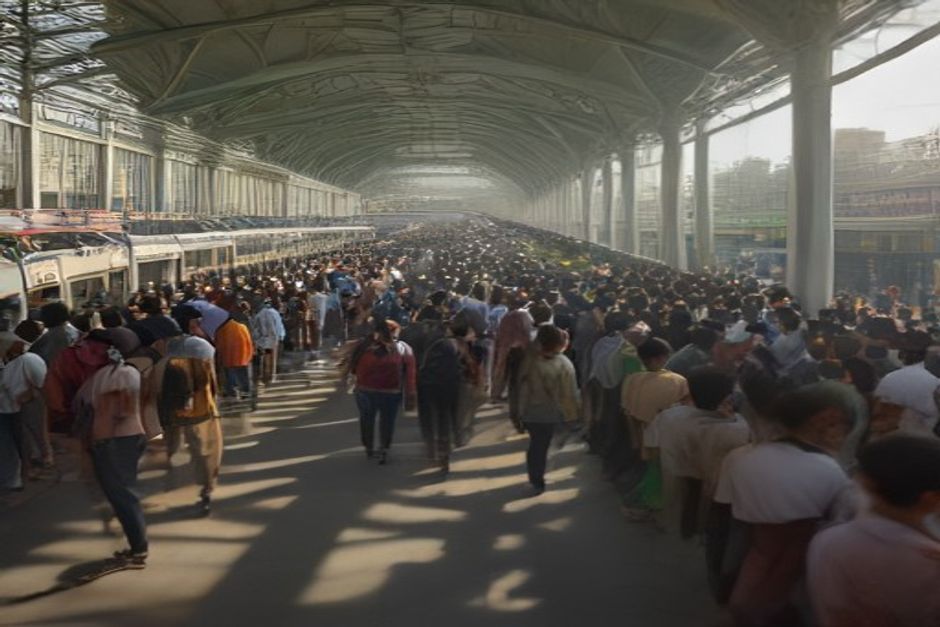
Bengaluru's metro project, a symbol of urban development, is facing scrutiny following the release of recent ridership figures. These numbers emerged just a day after the Comptroller and Auditor General of India (CAG) published a report highlighting significant concerns regarding the low ridership projections and the overall performance of the first two phases of the Bengaluru Metro. The revelation has sparked a debate among commuters, urban planners, and policymakers.
CAG Flags Low Ridership Projections
The CAG's audit report, a routine but critical assessment of public infrastructure projects, pointed out discrepancies between the anticipated passenger numbers and the actual daily footfall in the operational metro lines. The report suggests that the initial projections might have been overly optimistic, leading to potential underutilization of the extensive infrastructure developed. This has raised questions about the planning and forecasting methodologies employed for the project.
While the Bengaluru Metro Rail Corporation Limited (BMRCL) has been working to improve connectivity and encourage public transport usage, the latest figures and the CAG's observations cast a shadow over its operational efficiency and financial viability. Commuters, many of whom rely on the metro for their daily commute, are expressing mixed reactions. Some acknowledge the convenience the metro offers, while others echo the concerns about overcrowding on certain routes and underutilization on others.
The implications of low ridership extend beyond operational efficiency. It can affect revenue generation, potentially leading to increased financial burdens for the project's stakeholders and taxpayers. Urban development experts are calling for a thorough review of the BMRCL's strategies, including fare policies, route planning, and last-mile connectivity initiatives, to boost passenger numbers. The coming months will be crucial as BMRCL and relevant authorities assess the CAG's findings and devise strategies to address the identified issues, aiming to ensure the Bengaluru Metro fulfills its potential as a cornerstone of sustainable urban mobility.
शहरी विकास का प्रतीक बेंगलुरु मेट्रो परियोजना हालिया यात्री संख्या के जारी होने के बाद जांच के दायरे में आ गई है। ये आंकड़े भारत के नियंत्रक एवं महालेखा परीक्षक (CAG) द्वारा बेंगलुरु मेट्रो परियोजना के पहले दो चरणों के लिए कम सवारी अनुमानों और प्रदर्शन को लेकर चिंताएं व्यक्त करने वाली रिपोर्ट प्रकाशित होने के एक दिन बाद सामने आए हैं। इस खुलासे ने यात्रियों, शहरी योजनाकारों और नीति निर्माताओं के बीच बहस छेड़ दी है।
CAG ने कम सवारी अनुमानों पर जताई चिंता
CAG की ऑडिट रिपोर्ट, जो सार्वजनिक बुनियादी ढांचा परियोजनाओं का एक नियमित लेकिन महत्वपूर्ण मूल्यांकन है, ने परिचालन में मेट्रो लाइनों में अपेक्षित यात्री संख्या और वास्तविक दैनिक फुटफॉल के बीच विसंगतियों पर प्रकाश डाला है। रिपोर्ट बताती है कि शुरुआती अनुमान अत्यधिक आशावादी हो सकते थे, जिससे विकसित किए गए व्यापक बुनियादी ढांचे का संभावित रूप से कम उपयोग हुआ। इसने परियोजना के लिए नियोजित और पूर्वानुमान विधियों के बारे में सवाल खड़े किए हैं।
हालांकि बेंगलुरु मेट्रो रेल कॉर्पोरेशन लिमिटेड (BMRCL) कनेक्टिविटी में सुधार और सार्वजनिक परिवहन के उपयोग को प्रोत्साहित करने के लिए काम कर रहा है, नवीनतम आंकड़े और CAG की टिप्पणियां इसकी परिचालन दक्षता और वित्तीय व्यवहार्यता पर छाया डालती हैं। कई यात्री, जो अपनी दैनिक यात्रा के लिए मेट्रो पर निर्भर हैं, मिश्रित प्रतिक्रियाएं व्यक्त कर रहे हैं। कुछ मेट्रो द्वारा प्रदान की जाने वाली सुविधा को स्वीकार करते हैं, जबकि अन्य कुछ मार्गों पर भीड़भाड़ और अन्य पर कम उपयोग की चिंताओं को दोहराते हैं।
कम सवारी के निहितार्थ परिचालन दक्षता से परे हैं। यह राजस्व सृजन को प्रभावित कर सकता है, जिससे परियोजना के हितधारकों और करदाताओं पर वित्तीय बोझ बढ़ सकता है। शहरी विकास विशेषज्ञ यात्री संख्या बढ़ाने के लिए किराया नीतियों, मार्ग योजना और अंतिम-मील कनेक्टिविटी पहलों सहित BMRCL की रणनीतियों की गहन समीक्षा की मांग कर रहे हैं। आने वाले महीने महत्वपूर्ण होंगे क्योंकि BMRCL और संबंधित अधिकारी CAG के निष्कर्षों का आकलन करेंगे और पहचानी गई समस्याओं को दूर करने के लिए रणनीतियाँ तैयार करेंगे, जिसका लक्ष्य बेंगलुरु मेट्रो को टिकाऊ शहरी गतिशीलता के आधार के रूप में अपनी क्षमता को पूरा करना सुनिश्चित करना है।
शहरी विकासाचे प्रतीक असलेल्या बंगळूरु मेट्रो प्रकल्पाकडे अलीकडील प्रवासी आकडेवारी जाहीर झाल्यानंतर आता अधिक लक्ष वेधले जात आहे. ही आकडेवारी भारतच्या नियंत्रक आणि महालेखापरीक्षक (CAG) यांनी बंगळूरु मेट्रो प्रकल्पाच्या पहिल्या दोन टप्प्यांतील कमी प्रवासी अंदाज आणि कामगिरीवर चिंता व्यक्त करणारा अहवाल प्रसिद्ध केल्यानंतर लगेचच समोर आली आहे. या खुलाशाने प्रवासी, शहरी नियोजक आणि धोरणकर्त्यांमध्ये चर्चेला सुरुवात झाली आहे.
CAG ने कमी प्रवासी अंदाजांवर चिंता व्यक्त केली
CAG चा ऑडिट अहवाल, जो सार्वजनिक पायाभूत सुविधा प्रकल्पांचे नियमित परंतु महत्त्वपूर्ण मूल्यांकन करतो, त्याने मेट्रो लाईन्समधील अपेक्षित प्रवासी संख्या आणि प्रत्यक्ष दैनंदिन गर्दी यांच्यातील तफावत दर्शविली आहे. अहवालात असे सुचवले आहे की सुरुवातीचे अंदाज कदाचित जास्त आशावादी असावेत, ज्यामुळे विकसित केलेल्या विस्तृत पायाभूत सुविधांचा संभाव्यतः कमी वापर झाला असावा. यामुळे प्रकल्पासाठी वापरलेल्या नियोजन आणि अंदाज पद्धतींवर प्रश्नचिन्ह निर्माण झाले आहेत.
बंगळूरु मेट्रो रेल कॉर्पोरेशन लिमिटेड (BMRCL) कनेक्टिव्हिटी सुधारण्यासाठी आणि सार्वजनिक वाहतुकीचा वापर वाढविण्यासाठी प्रयत्नशील असले तरी, नवीनतम आकडेवारी आणि CAG च्या निरीक्षणांनी त्याच्या कार्यान्वयन कार्यक्षमतेवर आणि आर्थिक व्यवहार्यतेवर प्रश्नचिन्ह निर्माण केले आहे. अनेक प्रवासी, जे दररोजच्या प्रवासासाठी मेट्रोवर अवलंबून आहेत, ते संमिश्र प्रतिक्रिया व्यक्त करत आहेत. काहीजण मेट्रोने दिलेली सोय मान्य करतात, तर काहीजण विशिष्ट मार्गांवर गर्दी आणि इतरांवर कमी वापर याबद्दल चिंता व्यक्त करतात.
कमी प्रवासी संख्येचे परिणाम कार्यान्वयन कार्यक्षमतेपलीकडे आहेत. याचा महसूल निर्मितीवर परिणाम होऊ शकतो, ज्यामुळे प्रकल्पाचे हितधारक आणि करदात्यांवर आर्थिक भार वाढू शकतो. शहरी विकास तज्ञ प्रवासी संख्या वाढविण्यासाठी BMRCL च्या धोरणांचे, जसे की भाडे धोरण, मार्ग नियोजन आणि लास्ट-माईल कनेक्टिव्हिटी उपक्रम यांचे सखोल पुनरावलोकन करण्याची मागणी करत आहेत. BMRCL आणि संबंधित अधिकारी CAG च्या निष्कर्षांचे मूल्यांकन करतील आणि ओळखल्या गेलेल्या समस्यांचे निराकरण करण्यासाठी धोरणे तयार करतील, जेणेकरून बंगळूरु मेट्रो टिकाऊ शहरी गतिशीलतेचा आधार म्हणून आपली क्षमता पूर्ण करेल, यासाठी येणारे महिने महत्त्वपूर्ण ठरतील.
শহরের উন্নয়নের প্রতীক বেঙ্গালুরু মেট্রো প্রকল্প সম্প্রতি প্রকাশিত যাত্রী সংখ্যার পর আলোচনার কেন্দ্রে চলে এসেছে। এই পরিসংখ্যানগুলি ভারত-এর কন্ট্রোলার অ্যান্ড অডিটর জেনারেল (CAG) কর্তৃক বেঙ্গালুরু মেট্রো প্রকল্পের প্রথম দুটি পর্যায়ের কম যাত্রী অনুমান এবং কর্মক্ষমতা নিয়ে উদ্বেগ প্রকাশ করা একটি প্রতিবেদন প্রকাশের একদিন পরেই প্রকাশিত হয়েছে। এই ঘটনা যাত্রী, নগর পরিকল্পনাবিদ এবং নীতি নির্ধারকদের মধ্যে বিতর্কের জন্ম দিয়েছে।
CAG কম যাত্রী অনুমানে উদ্বেগ প্রকাশ করেছে
CAG-এর অডিট রিপোর্ট, যা পাবলিক পরিকাঠামো প্রকল্পগুলির একটি নিয়মিত কিন্তু গুরুত্বপূর্ণ মূল্যায়ন, মেট্রো লাইনের প্রত্যাশিত যাত্রীর সংখ্যা এবং প্রকৃত দৈনিক ভিড়ের মধ্যে পার্থক্যগুলি তুলে ধরেছে। প্রতিবেদনটি ইঙ্গিত দেয় যে প্রাথমিক অনুমানগুলি হয়তো অতি আশাবাদী ছিল, যার ফলে উন্নত পরিকাঠামোর সম্ভাব্য অপব্যবহার হয়েছে। এটি প্রকল্পের জন্য ব্যবহৃত পরিকল্পনা এবং পূর্বাভাস পদ্ধতি সম্পর্কে প্রশ্ন তুলেছে।
যদিও বেঙ্গালুরু মেট্রো রেল কর্পোরেশন লিমিটেড (BMRCL) সংযোগ উন্নত করতে এবং গণপরিবহনের ব্যবহার বাড়াতে কাজ করছে, সর্বশেষ পরিসংখ্যান এবং CAG-এর পর্যবেক্ষণগুলি এর কর্মক্ষম দক্ষতা এবং আর্থিক কার্যকারিতার উপর প্রশ্ন তুলেছে। অনেক যাত্রী, যারা তাদের দৈনন্দিন যাতায়াতের জন্য মেট্রোর উপর নির্ভর করে, তারা মিশ্র প্রতিক্রিয়া প্রকাশ করছেন। কেউ কেউ মেট্রোর সুবিধা স্বীকার করছেন, আবার কেউ কেউ নির্দিষ্ট রুটে অতিরিক্ত ভিড় এবং অন্যদের রুটে কম ব্যবহারের বিষয়ে উদ্বেগ প্রকাশ করছেন।
কম যাত্রীর সংখ্যার প্রভাব কর্মক্ষম দক্ষতার বাইরেও রয়েছে। এটি রাজস্ব উৎপাদনে প্রভাব ফেলতে পারে, যার ফলে প্রকল্পের অংশীদার এবং করদাতাদের উপর আর্থিক বোঝা বাড়তে পারে। নগর উন্নয়ন বিশেষজ্ঞরা যাত্রী সংখ্যা বাড়ানোর জন্য BMRCL-এর কৌশলগুলির, যেমন - ভাড়ার নীতি, রুট পরিকল্পনা এবং শেষ-মাইল সংযোগের উদ্যোগগুলির পুঙ্খানুপুঙ্খ পর্যালোচনার দাবি জানাচ্ছেন। আগামী মাসগুলি গুরুত্বপূর্ণ হবে কারণ BMRCL এবং সংশ্লিষ্ট কর্তৃপক্ষ CAG-এর অনুসন্ধানের মূল্যায়ন করবে এবং চিহ্নিত সমস্যাগুলি সমাধানের জন্য কৌশল তৈরি করবে, যাতে বেঙ্গালুরু মেট্রো টেকসই নগর পরিবহনের একটি ভিত্তি হিসাবে তার সম্ভাবনা পূরণ করতে পারে।
நகர்ப்புற வளர்ச்சியின் சின்னமாக விளங்கும் பெங்களூரு மெட்ரோ திட்டம், சமீபத்தில் வெளியிடப்பட்ட பயணிகளின் எண்ணிக்கையைத் தொடர்ந்து ஆய்வு செய்யப்பட்டு வருகிறது. இந்த புள்ளிவிவரங்கள், பெங்களூரு மெட்ரோவின் முதல் இரண்டு கட்டங்களின் குறைந்த பயணிகளின் கணிப்புகள் மற்றும் செயல்திறன் குறித்து இந்தியாவின் தலைமை கணக்குத் தணிக்கையாளர் (CAG) கவலைகளை வெளிப்படுத்திய அறிக்கையை வெளியிட்ட ஒரு நாள் கழித்து வந்துள்ளன. இந்த வெளிப்பாடு பயணிகள், நகர்ப்புற திட்டமிடுபவர்கள் மற்றும் கொள்கை வகுப்பாளர்களிடையே விவாதத்தைத் தூண்டியுள்ளது.
CAG குறைந்த பயணிகளின் கணிப்புகளைக் குறித்து கவலை தெரிவித்துள்ளது
பொது உள்கட்டமைப்பு திட்டங்களின் வழக்கமான ஆனால் முக்கியமான மதிப்பீடான CAG-யின் தணிக்கை அறிக்கை, செயல்பாட்டில் உள்ள மெட்ரோ பாதைகளில் எதிர்பார்க்கப்பட்ட பயணிகளின் எண்ணிக்கைக்கும் உண்மையான தினசரி வருகைக்கும் இடையிலான வேறுபாடுகளை சுட்டிக்காட்டியுள்ளது. ஆரம்ப கணிப்புகள் மிகைப்படுத்தப்பட்டதாக இருந்திருக்கலாம் என்றும், இதனால் உருவாக்கப்பட்ட விரிவான உள்கட்டமைப்பின் சாத்தியமான குறைவான பயன்பாடு ஏற்பட்டிருக்கலாம் என்றும் அறிக்கை கூறுகிறது. இது திட்டத்திற்கான திட்டமிடல் மற்றும் முன்னறிவிப்பு முறைகள் குறித்து கேள்விகளை எழுப்பியுள்ளது.
பெங்களூரு மெட்ரோ ரயில் கார்ப்பரேஷன் லிமிடெட் (BMRCL) இணைப்பை மேம்படுத்தவும் பொதுப் போக்குவரத்தின் பயன்பாட்டை ஊக்குவிக்கவும் பணியாற்றி வந்தாலும், சமீபத்திய புள்ளிவிவரங்கள் மற்றும் CAG-யின் அவதானிப்புகள் அதன் செயல்பாட்டுத் திறன் மற்றும் நிதி நம்பகத்தன்மை மீது நிழலை ஏற்படுத்துகின்றன. தினசரி பயணத்திற்கு மெட்ரோவை நம்பியிருக்கும் பல பயணிகள், கலவையான கருத்துக்களை வெளிப்படுத்துகின்றனர். சிலர் மெட்ரோ வழங்கும் வசதியை ஒப்புக்கொள்கிறார்கள், மற்றவர்கள் குறிப்பிட்ட வழித்தடங்களில் அதிக நெரிசல் மற்றும் மற்றவற்றில் குறைவான பயன்பாடு பற்றிய கவலைகளை மீண்டும் கூறுகின்றனர்.
குறைந்த பயணிகளின் தாக்கம் செயல்பாட்டுத் திறனுக்கு அப்பாற்பட்டது. இது வருவாய் உருவாக்கத்தைப் பாதிக்கலாம், இதன் விளைவாக திட்டத்தின் பங்குதாரர்கள் மற்றும் வரி செலுத்துவோருக்கு நிதிச் சுமை அதிகரிக்கக்கூடும். நகர்ப்புற மேம்பாட்டு வல்லுநர்கள், பயணிகளின் எண்ணிக்கையை அதிகரிக்க BMRCL-ன் உத்திகள், கட்டணக் கொள்கைகள், வழித்தடத் திட்டமிடல் மற்றும் கடைசி மைல் இணைப்பு முயற்சிகள் ஆகியவற்றை முழுமையாக மறுஆய்வு செய்யுமாறு கோருகின்றனர். BMRCL மற்றும் தொடர்புடைய அதிகாரிகள் CAG-யின் கண்டுபிடிப்புகளை மதிப்பிட்டு, அடையாளம் காணப்பட்ட பிரச்சினைகளை நிவர்த்தி செய்வதற்கான உத்திகளை வகுப்பதால், வரவிருக்கும் மாதங்கள் முக்கியமானதாக இருக்கும், பெங்களூரு மெட்ரோ நீடித்த நகர்ப்புற இயக்கத்தின் ஒரு மூலக்கல்லாக அதன் திறனை நிறைவேற்றுவதை உறுதிசெய்யும்.
నగర అభివృద్ధికి చిహ్నమైన బెంగళూరు మెట్రో ప్రాజెక్ట్, ఇటీవల విడుదలైన ప్రయాణికుల సంఖ్యల తర్వాత పరిశీలనలోకి వచ్చింది. ఈ గణాంకాలు, భారతదేశ నియంత్రణ మరియు ఆడిటర్ జనరల్ (CAG) బెంగళూరు మెట్రో ప్రాజెక్ట్ యొక్క మొదటి రెండు దశలకు సంబంధించిన తక్కువ ప్రయాణీకుల అంచనాలు మరియు పనితీరుపై ఆందోళనలను వ్యక్తం చేస్తూ నివేదికను విడుదల చేసిన ఒక రోజు తర్వాత వెలువడ్డాయి. ఈ విషయం ప్రయాణికులు, పట్టణ ప్రణాళికకర్తలు మరియు విధాన నిర్ణేతల మధ్య చర్చకు దారితీసింది.
CAG తక్కువ ప్రయాణీకుల అంచనాలపై ఆందోళన వ్యక్తం చేసింది
ప్రజా మౌలిక సదుపాయాల ప్రాజెక్టుల యొక్క సాధారణమైన కానీ కీలకమైన మూల్యాంకనమైన CAG యొక్క ఆడిట్ నివేదిక, అందుబాటులో ఉన్న మెట్రో లైన్లలో అంచనా వేసిన ప్రయాణీకుల సంఖ్యకు మరియు వాస్తవ రోజువారీ రద్దీకి మధ్య ఉన్న వ్యత్యాసాలను ఎత్తి చూపింది. ప్రారంభ అంచనాలు అతి ఆశాజనకంగా ఉండి ఉండవచ్చని, ఫలితంగా అభివృద్ధి చేసిన విస్తృతమైన మౌలిక సదుపాయాల వినియోగం తక్కువగా జరిగి ఉండవచ్చని నివేదిక సూచిస్తుంది. ఇది ప్రాజెక్ట్ కోసం ఉపయోగించిన ప్రణాళిక మరియు అంచనా పద్ధతులపై ప్రశ్నలను లేవనెత్తింది.
బెంగళూరు మెట్రో రైల్ కార్పొరేషన్ లిమిటెడ్ (BMRCL) అనుసంధానతను మెరుగుపరచడానికి మరియు ప్రజా రవాణా వినియోగాన్ని ప్రోత్సహించడానికి కృషి చేస్తున్నప్పటికీ, తాజా గణాంకాలు మరియు CAG యొక్క పరిశీలనలు దాని కార్యాచరణ సామర్థ్యం మరియు ఆర్థిక విశ్వసనీయతపై నీలినీడలను కమ్ముకున్నాయి. రోజువారీ ప్రయాణానికి మెట్రోపై ఆధారపడే అనేక మంది ప్రయాణికులు, మిశ్రమ ప్రతిస్పందనలను వ్యక్తం చేస్తున్నారు. కొందరు మెట్రో అందించే సౌకర్యాన్ని అంగీకరిస్తుండగా, మరికొందరు నిర్దిష్ట మార్గాలలో అధిక రద్దీ మరియు ఇతరులలో తక్కువ వినియోగం గురించిన ఆందోళనలను పునరుద్ఘాటిస్తున్నారు.
తక్కువ ప్రయాణీకుల ప్రభావం కార్యాచరణ సామర్థ్యానికి మించి ఉంది. ఇది ఆదాయ ఉత్పత్తిని ప్రభావితం చేయవచ్చు, దీని ఫలితంగా ప్రాజెక్ట్ వాటాదారులు మరియు పన్ను చెల్లింపుదారులకు ఆర్థిక భారం పెరగవచ్చు. పట్టణ అభివృద్ధి నిపుణులు, ప్రయాణీకుల సంఖ్యను పెంచడానికి BMRCL యొక్క వ్యూహాలను, అంటే - ఛార్జీల విధానాలు, మార్గాల ప్రణాళిక మరియు చివరి-మైలు కనెక్టివిటీ కార్యక్రమాలను క్షుణ్ణంగా సమీక్షించాలని కోరుతున్నారు. BMRCL మరియు సంబంధిత అధికారులు CAG యొక్క అన్వేషణలను అంచనా వేసి, గుర్తించిన సమస్యలను పరిష్కరించడానికి వ్యూహాలను రూపొందించినందున, రాబోయే నెలలు కీలకంగా ఉంటాయి, బెంగళూరు మెట్రో స్థిరమైన పట్టణ చలనశీలతకు మూలస్తంభంగా దాని సామర్థ్యాన్ని నెరవేరుస్తుందని నిర్ధారిస్తుంది.
શહેરી વિકાસના પ્રતીક સમાન બેંગલુરુ મેટ્રો પ્રોજેક્ટ, તાજેતરમાં જાહેર થયેલા મુસાફરોની સંખ્યા પછી ચર્ચામાં આવ્યું છે. આ આંકડા, ભારતના કંટ્રોલર એન્ડ ઓડિટર જનરલ (CAG) દ્વારા બેંગલુરુ મેટ્રો પ્રોજેક્ટના પ્રથમ બે તબક્કાઓના ઓછા મુસાફર અનુમાનો અને કામગીરી અંગે ચિંતાઓ વ્યક્ત કરતો અહેવાલ પ્રકાશિત કર્યાના એક દિવસ પછી સામે આવ્યા છે. આ ખુલાસાએ મુસાફરો, શહેરી આયોજકો અને નીતિ નિર્માતાઓમાં ચર્ચા જગાવી છે.
CAG એ ઓછાં મુસાફર અનુમાનો પર ચિંતા વ્યક્ત કરી
CAG નો ઓડિટ અહેવાલ, જે જાહેર માળખાકીય પ્રોજેક્ટ્સનું નિયમિત પરંતુ મહત્વપૂર્ણ મૂલ્યાંકન છે, તેણે કાર્યરત મેટ્રો લાઇનમાં અપેક્ષિત મુસાફરોની સંખ્યા અને વાસ્તવિક દૈનિક ભીડ વચ્ચેના તફાવતો તરફ ધ્યાન દોર્યું છે. અહેવાલ સૂચવે છે કે પ્રારંભિક અનુમાનો કદાચ ખૂબ આશાવાદી રહ્યા હશે, જેના કારણે વિકસિત થયેલ વ્યાપક માળખાકીય સુવિધાઓનો સંભવિતપણે ઓછો ઉપયોગ થયો હશે. આનાથી પ્રોજેક્ટ માટે ઉપયોગમાં લેવાયેલી આયોજન અને આગાહી પદ્ધતિઓ અંગે પ્રશ્નો ઉભા થયા છે.
જોકે બેંગલુરુ મેટ્રો રેલ કોર્પોરેશન લિમિટેડ (BMRCL) કનેક્ટિવિટી સુધારવા અને જાહેર પરિવહનના ઉપયોગને પ્રોત્સાહન આપવા માટે કામ કરી રહ્યું છે, તાજેતરના આંકડા અને CAG ની અવલોકનો તેની કાર્યક્ષમતા અને નાણાકીય વ્યવહાર્યતા પર પ્રશ્નાર્થ ઉભા કરે છે. દૈનિક મુસાફરી માટે મેટ્રો પર નિર્ભર ઘણા મુસાફરો, મિશ્ર પ્રતિક્રિયાઓ વ્યક્ત કરી રહ્યા છે. કેટલાક મેટ્રો દ્વારા પૂરી પાડવામાં આવતી સુવિધાને સ્વીકારે છે, જ્યારે અન્ય ચોક્કસ રૂટ પર વધુ ભીડ અને અન્ય પર ઓછો ઉપયોગ થવાની ચિંતાઓ વ્યક્ત કરે છે.
ઓછી મુસાફર સંખ્યાની અસરો કાર્યક્ષમતાથી પર છે. તે આવક સર્જનને અસર કરી શકે છે, જેના પરિણામે પ્રોજેક્ટના હિતધારકો અને કરદાતાઓ પર નાણાકીય બોજ વધી શકે છે. શહેરી વિકાસ નિષ્ણાતો મુસાફરોની સંખ્યા વધારવા માટે BMRCL ની વ્યૂહરચનાઓ, જેમ કે - ભાડા નીતિઓ, રૂટ પ્લાનિંગ અને લાસ્ટ-માઇલ કનેક્ટિવિટી પહેલોનું સંપૂર્ણ પુનરાવલોકન કરવાની માંગ કરી રહ્યા છે. BMRCL અને સંબંધિત અધિકારીઓ CAG ના તારણોનું મૂલ્યાંકન કરશે અને ઓળખાયેલી સમસ્યાઓનું નિરાકરણ લાવવા માટે વ્યૂહરચનાઓ ઘડશે, તેથી આવનારા મહિનાઓ નિર્ણાયક રહેશે, જે બેંગલુરુ મેટ્રોને સ્થિર શહેરી ગતિશીલતાના આધારસ્તંભ તરીકે તેની ક્ષમતા પૂરી કરવા માટે સુનિશ્ચિત કરશે.
ਸ਼ਹਿਰੀ ਵਿਕਾਸ ਦੇ ਪ੍ਰਤੀਕ ਬੈਂਗਲੁਰੂ ਮੈਟਰੋ ਪ੍ਰੋਜੈਕਟ, ਹਾਲ ਹੀ ਵਿੱਚ ਜਾਰੀ ਕੀਤੇ ਗਏ ਯਾਤਰੀਆਂ ਦੇ ਅੰਕੜਿਆਂ ਤੋਂ ਬਾਅਦ ਜਾਂਚ ਦੇ ਘੇਰੇ ਵਿੱਚ ਆ ਗਿਆ ਹੈ। ਇਹ ਅੰਕੜੇ, ਭਾਰਤ ਦੇ ਕੰਟਰੋਲਰ ਐਂਡ ਆਡੀਟਰ ਜਨਰਲ (CAG) ਦੁਆਰਾ ਬੈਂਗਲੁਰੂ ਮੈਟਰੋ ਪ੍ਰੋਜੈਕਟ ਦੇ ਪਹਿਲੇ ਦੋ ਪੜਾਵਾਂ ਲਈ ਘੱਟ ਯਾਤਰੀ ਅਨੁਮਾਨਾਂ ਅਤੇ ਪ੍ਰਦਰਸ਼ਨ ਬਾਰੇ ਚਿੰਤਾਵਾਂ ਪ੍ਰਗਟ ਕਰਨ ਵਾਲੀ ਰਿਪੋਰਟ ਜਾਰੀ ਕਰਨ ਤੋਂ ਇੱਕ ਦਿਨ ਬਾਅਦ ਸਾਹਮਣੇ ਆਏ ਹਨ। ਇਸ ਖੁਲਾਸੇ ਨੇ ਯਾਤਰੀਆਂ, ਸ਼ਹਿਰੀ ਯੋਜਨਾਕਾਰਾਂ ਅਤੇ ਨੀਤੀ ਨਿਰਮਾਤਾਵਾਂ ਦਰਮਿਆਨ ਬਹਿਸ ਛੇੜ ਦਿੱਤੀ ਹੈ।
CAG ਨੇ ਘੱਟ ਯਾਤਰੀ ਅਨੁਮਾਨਾਂ 'ਤੇ ਚਿੰਤਾ ਜਤਾਈ
CAG ਦੀ ਆਡਿਟ ਰਿਪੋਰਟ, ਜੋ ਜਨਤਕ ਬੁਨਿਆਦੀ ਢਾਂਚੇ ਦੇ ਪ੍ਰੋਜੈਕਟਾਂ ਦਾ ਇੱਕ ਨਿਯਮਤ ਪਰ ਮਹੱਤਵਪੂਰਨ ਮੁਲਾਂਕਣ ਹੈ, ਨੇ ਕਾਰਜਸ਼ੀਲ ਮੈਟਰੋ ਲਾਈਨਾਂ ਵਿੱਚ ਅਨੁਮਾਨਿਤ ਯਾਤਰੀਆਂ ਦੀ ਗਿਣਤੀ ਅਤੇ ਅਸਲ ਰੋਜ਼ਾਨਾ ਭੀੜ ਦਰਮਿਆਨ ਅੰਤਰ ਨੂੰ ਉਜਾਗਰ ਕੀਤਾ ਹੈ। ਰਿਪੋਰਟ ਸੁਝਾਅ ਦਿੰਦੀ ਹੈ ਕਿ ਸ਼ੁਰੂਆਤੀ ਅਨੁਮਾਨ ਬਹੁਤ ਜ਼ਿਆਦਾ ਆਸ਼ਾਵਾਦੀ ਹੋ ਸਕਦੇ ਸਨ, ਜਿਸ ਕਾਰਨ ਵਿਕਸਿਤ ਕੀਤੇ ਗਏ ਵਿਆਪਕ ਬੁਨਿਆਦੀ ਢਾਂਚੇ ਦੀ ਸੰਭਾਵੀ ਘੱਟ ਵਰਤੋਂ ਹੋਈ ਹੋਵੇਗੀ। ਇਸ ਨੇ ਪ੍ਰੋਜੈਕਟ ਲਈ ਵਰਤੀਆਂ ਗਈਆਂ ਯੋਜਨਾਬੰਦੀ ਅਤੇ ਅਨੁਮਾਨ ਵਿਧੀਆਂ ਬਾਰੇ ਸਵਾਲ ਖੜ੍ਹੇ ਕੀਤੇ ਹਨ।
ਹਾਲਾਂਕਿ ਬੈਂਗਲੁਰੂ ਮੈਟਰੋ ਰੇਲ ਕਾਰਪੋਰੇਸ਼ਨ ਲਿਮਟਿਡ (BMRCL) ਸੰਪਰਕ ਨੂੰ ਸੁਧਾਰਨ ਅਤੇ ਜਨਤਕ ਆਵਾਜਾਈ ਦੀ ਵਰਤੋਂ ਨੂੰ ਉਤਸ਼ਾਹਿਤ ਕਰਨ ਲਈ ਕੰਮ ਕਰ ਰਿਹਾ ਹੈ, ਨਵੀਨਤਮ ਅੰਕੜੇ ਅਤੇ CAG ਦੇ ਨਿਰੀਖਣ ਇਸਦੀ ਕਾਰਜਸ਼ੀਲ ਕੁਸ਼ਲਤਾ ਅਤੇ ਵਿੱਤੀ ਵਿਹਾਰਕਤਾ 'ਤੇ ਪ੍ਰਸ਼ਨ ਚਿੰਨ੍ਹ ਲਗਾਉਂਦੇ ਹਨ। ਕਈ ਯਾਤਰੀ, ਜੋ ਰੋਜ਼ਾਨਾ ਸਫ਼ਰ ਲਈ ਮੈਟਰੋ 'ਤੇ ਨਿਰਭਰ ਕਰਦੇ ਹਨ, ਮਿਸ਼ਰਤ ਪ੍ਰਤੀਕਰਮ ਜ਼ਾਹਰ ਕਰ ਰਹੇ ਹਨ। ਕੁਝ ਮੈਟਰੋ ਦੁਆਰਾ ਪ੍ਰਦਾਨ ਕੀਤੀ ਗਈ ਸਹੂਲਤ ਨੂੰ ਸਵੀਕਾਰ ਕਰਦੇ ਹਨ, ਜਦੋਂ ਕਿ ਹੋਰ ਖਾਸ ਰੂਟਾਂ 'ਤੇ ਜ਼ਿਆਦਾ ਭੀੜ ਅਤੇ ਹੋਰਾਂ 'ਤੇ ਘੱਟ ਵਰਤੋਂ ਬਾਰੇ ਚਿੰਤਾਵਾਂ ਨੂੰ ਦੁਹਰਾਉਂਦੇ ਹਨ।
ਘੱਟ ਯਾਤਰੀਆਂ ਦੇ ਪ੍ਰਭਾਵ ਕਾਰਜਸ਼ੀਲ ਕੁਸ਼ਲਤਾ ਤੋਂ ਪਰੇ ਹਨ। ਇਹ ਮਾਲੀਆ ਉਤਪਾਦਨ ਨੂੰ ਪ੍ਰਭਾਵਿਤ ਕਰ ਸਕਦਾ ਹੈ, ਜਿਸ ਨਾਲ ਪ੍ਰੋਜੈਕਟ ਦੇ ਹਿੱਸੇਦਾਰਾਂ ਅਤੇ ਟੈਕਸਦਾਤਾਵਾਂ 'ਤੇ ਵਿੱਤੀ ਬੋਝ ਵਧ ਸਕਦਾ ਹੈ। ਸ਼ਹਿਰੀ ਵਿਕਾਸ ਮਾਹਰਾਂ ਨੇ ਯਾਤਰੀਆਂ ਦੀ ਗਿਣਤੀ ਵਧਾਉਣ ਲਈ BMRCL ਦੀਆਂ ਰਣਨੀਤੀਆਂ, ਜਿਵੇਂ ਕਿ - ਕਿਰਾਏ ਦੀਆਂ ਨੀਤੀਆਂ, ਰੂਟ ਦੀ ਯੋਜਨਾਬੰਦੀ ਅਤੇ ਆਖਰੀ-ਮੀਲ ਕਨੈਕਟੀਵਿਟੀ ਪਹਿਲਕਦਮੀਆਂ ਦੀ ਪੂਰੀ ਤਰ੍ਹਾਂ ਸਮੀਖਿਆ ਕਰਨ ਦੀ ਮੰਗ ਕੀਤੀ ਹੈ। ਆਉਣ ਵਾਲੇ ਮਹੀਨੇ ਮਹੱਤਵਪੂਰਨ ਹੋਣਗੇ ਕਿਉਂਕਿ BMRCL ਅਤੇ ਸਬੰਧਤ ਅਧਿਕਾਰੀ CAG ਦੇ ਨਤੀਜਿਆਂ ਦਾ ਮੁਲਾਂਕਣ ਕਰਨਗੇ ਅਤੇ ਪਛਾਣੀਆਂ ਗਈਆਂ ਸਮੱਸਿਆਵਾਂ ਨੂੰ ਹੱਲ ਕਰਨ ਲਈ ਰਣਨੀਤੀਆਂ ਤਿਆਰ ਕਰਨਗੇ, ਇਹ ਯਕੀਨੀ ਬਣਾਉਣ ਲਈ ਕਿ ਬੈਂਗਲੁਰੂ ਮੈਟਰੋ ਟਿਕਾਊ ਸ਼ਹਿਰੀ ਗਤੀਸ਼ੀਲਤਾ ਦੇ ਥੰਮ੍ਹ ਵਜੋਂ ਆਪਣੀ ਸਮਰੱਥਾ ਨੂੰ ਪੂਰਾ ਕਰੇ।

💬 Comments