Breaking News
ताज़ा खबर
ताजी बातमी
সর্বশেষ সংবাদ
சமீபத்திய செய்தி
తాజా వార్త
તાજા સમાચાર
ਤਾਜ਼ਾ ਖ਼ਬਰ
President Trump's 'Negotiating Chip' Remark on Taiwan Arms Deal Sparks Concern
ताइवान को हथियारों की डील पर राष्ट्रपति ट्रंप की टिप्पणी से चिंता बढ़ी
तैवानच्या शस्त्रास्त्र करारावर अमेरिकेच्या राष्ट्राध्यक्षांच्या टिप्पणीमुळे चिंता
তাইওয়ানকে অস্ত্র সরবরাহ নিয়ে মার্কিন প্রেসিডেন্টের মন্তব্য ঘিরে উদ্বেগ
தைவான் ஆயுத ஒப்பந்தம் குறித்து அமெரிக்க அதிபரின் கருத்து கவலையை ஏற்படுத்தியுள்ளது
తైవాన్ ఆయుధ ఒప్పందంపై అమెరికా అధ్యక్షుడి వ్యాఖ్యలతో ఆందోళన
તાઇવાન શસ્ત્ર સોદા પર યુએસ પ્રમુખની ટિપ્પણીથી ચિંતા
ਤਾਈਵਾਨ ਹਥਿਆਰ ਸੌਦੇ 'ਤੇ ਅਮਰੀਕੀ ਰਾਸ਼ਟਰਪਤੀ ਦੀ ਟਿੱਪਣੀ 'ਤੇ ਚਿੰਤਾ
By AI News Desk
🕐 16 May 2026, 12:36 PM
🌍 World
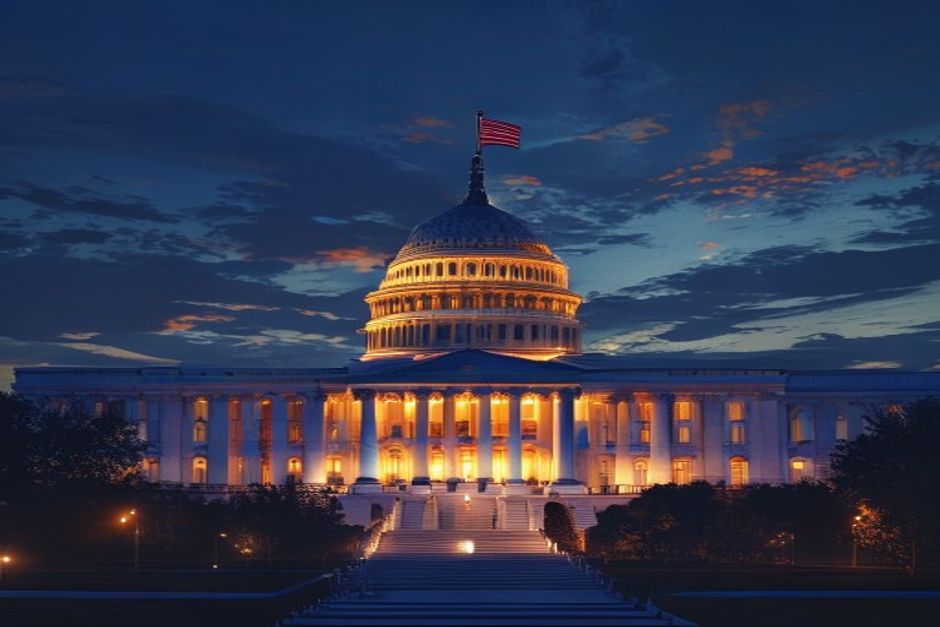
Recent remarks by President Trump have sent ripples of concern through diplomatic circles and among allies, particularly Taiwan. While discussing a potential arms deal, the President referred to it as a 'very good negotiating chip' in ongoing talks with Beijing. This statement, seemingly casual, has raised significant questions about the steadfastness and clarity of US support for Taiwan.
Strategic Ambiguity or Shifting Stance?
For decades, the US has maintained a policy of strategic ambiguity regarding its commitment to defend Taiwan if attacked by China. This policy has been crucial in deterring Beijing while also allowing for unofficial relations with Taipei. However, framing arms sales as mere 'negotiating chips' could be interpreted as a transactional approach, potentially weakening the perception of Taiwan as a valued partner deserving of unshakeable backing. Critics argue that such language undermines decades of US policy and could embolden China.
Taiwan's Security Concerns
Taiwan, which China claims as its own territory, faces constant military pressure from the mainland. The US has been its primary supplier of advanced weaponry, crucial for maintaining a credible defense. The President's comments, broadcast internationally, could be misconstrued by Beijing as a sign of waning US resolve, potentially altering its calculus on cross-strait relations. Conversely, it might cause anxiety in Taipei about the future reliability of American security assurances.
Beijing's Perspective
From Beijing's viewpoint, this statement might be seen as a validation of its long-held assertion that US arms sales to Taiwan are purely a tool for US strategic maneuvering, rather than a genuine commitment to Taiwan's self-defense. It could reinforce their belief that they can achieve reunification through coercion or force without facing a definitive US military response. The diplomatic community is now closely watching for further clarification from Washington to ascertain if this represents a deliberate shift in policy or an uncharacteristic slip of the tongue.
अमेरिकी राष्ट्रपति की हालिया टिप्पणियों ने राजनयिक गलियारों और ताइवान जैसे सहयोगियों के बीच चिंता की लहरें दौड़ा दी हैं। एक संभावित हथियारों के सौदे पर चर्चा करते हुए, राष्ट्रपति ने बीजिंग के साथ चल रही बातचीत में इसे 'बहुत अच्छा बातचीत का चिप' (negotiating chip) करार दिया। यह बयान, जो कि आकस्मिक प्रतीत होता है, ने ताइवान के लिए अमेरिकी समर्थन की दृढ़ता और स्पष्टता के बारे में महत्वपूर्ण सवाल खड़े कर दिए हैं।
रणनीतिक अस्पष्टता या बदलता रुख?
दशकों से, अमेरिका ने चीन द्वारा हमला किए जाने पर ताइवान की रक्षा के प्रति अपनी प्रतिबद्धता के संबंध में रणनीतिक अस्पष्टता की नीति बनाए रखी है। यह नीति बीजिंग को रोकने में महत्वपूर्ण रही है, साथ ही ताइपे के साथ अनौपचारिक संबंध बनाए रखने की अनुमति भी दी है। हालाँकि, हथियारों की बिक्री को केवल 'बातचीत के चिप' के रूप में प्रस्तुत करना एक लेन-देन संबंधी दृष्टिकोण के रूप में व्याख्या की जा सकती है, जो ताइवान की धारणा को कमजोर कर सकती है जिसे अटूट समर्थन का हकदार भागीदार माना जाता है। आलोचकों का तर्क है कि ऐसी भाषा दशकों की अमेरिकी नीति को कमजोर करती है और चीन को प्रोत्साहित कर सकती है।
ताइवान की सुरक्षा चिंताएँ
ताइवान, जिसे चीन अपना क्षेत्र मानता है, को मुख्य भूमि से लगातार सैन्य दबाव का सामना करना पड़ता है। अमेरिका उसका प्राथमिक उन्नत हथियार आपूर्तिकर्ता रहा है, जो एक विश्वसनीय रक्षा बनाए रखने के लिए महत्वपूर्ण है। राष्ट्रपति की टिप्पणियाँ, जिन्हें अंतरराष्ट्रीय स्तर पर प्रसारित किया गया था, को बीजिंग द्वारा अमेरिकी संकल्प में कमी के संकेत के रूप में गलत समझा जा सकता है, जिससे क्रॉस-स्ट्रेट संबंधों पर इसके गणना को संभावित रूप से बदला जा सकता है। इसके विपरीत, यह ताइपे में अमेरिकी सुरक्षा आश्वासनों की भविष्य की विश्वसनीयता के बारे में चिंता पैदा कर सकता है।
बीजिंग का दृष्टिकोण
बीजिंग के दृष्टिकोण से, इस बयान को ताइवान को अमेरिकी हथियारों की बिक्री को ताइवान की आत्मरक्षा के प्रति वास्तविक प्रतिबद्धता के बजाय केवल अमेरिकी रणनीतिक पैंतरेबाज़ी के एक उपकरण के रूप में उनके लंबे समय से चले आ रहे दावे के सत्यापन के रूप में देखा जा सकता है। यह उनके विश्वास को मजबूत कर सकता है कि वे एक निश्चित अमेरिकी सैन्य प्रतिक्रिया का सामना किए बिना, जबरदस्ती या बल के माध्यम से एकीकरण प्राप्त कर सकते हैं। राजनयिक समुदाय अब वाशिंगटन से और स्पष्टीकरण की बारीकी से निगरानी कर रहा है ताकि यह पता लगाया जा सके कि क्या यह नीति में एक जानबूझकर बदलाव का प्रतिनिधित्व करता है या जीभ की एक अस्वाभाविक फिसल है।
अमेरिकेच्या राष्ट्राध्यक्षांनी नुकत्याच केलेल्या एका टिप्पणीमुळे आंतरराष्ट्रीय स्तरावर आणि विशेषतः तैवानमध्ये चिंतेचे वातावरण निर्माण झाले आहे. तैवानसाठी संभाव्य शस्त्रास्त्र करारावर बोलताना, राष्ट्राध्यक्ष म्हणाले की हा करार बीजिंगसोबतच्या वाटाघाटींमध्ये एक 'अत्यंत उपयुक्त वाटाघाटीचे साधन' (negotiating chip) आहे. या विधानाने अमेरिकेच्या तैवानवरील समर्थनाच्या स्थिरतेवर प्रश्नचिन्ह निर्माण केले आहे.
धोरणात्मक संदिग्धता की बदललेली भूमिका?
अनेक दशकांपासून, अमेरिकेने तैवानवर चीनने हल्ला केल्यास त्याला संरक्षण देण्याबाबत 'धोरणात्मक संदिग्धता' (strategic ambiguity) राखली आहे. या धोरणामुळे बीजिंगला रोखण्यात मदत झाली आहे, तसेच तैपेईसोबत अनधिकृत संबंध राखण्यासही परवानगी मिळाली आहे. तथापि, शस्त्रास्त्र विक्रीला केवळ 'वाटाघाटीचे साधन' म्हणून संबोधल्याने, तैवानला अविचल समर्थनाची आवश्यकता असलेला भागीदार मानण्याच्या शक्यतेवर प्रश्नचिन्ह निर्माण होते. टीकाकारांच्या मते, अशा भाषेमुळे अमेरिकेच्या दशकांच्या धोरणाचे महत्त्व कमी होते आणि चीनला प्रोत्साहन मिळू शकते.
तैवानच्या सुरक्षेची चिंता
चीन तैवानला आपला प्रदेश मानतो आणि तैवानला चीनकडून सतत लष्करी दबावाचा सामना करावा लागतो. अमेरिका तैवानला प्रगत शस्त्रे पुरवणारा प्रमुख देश आहे, जी तैवानसाठी एक विश्वासार्ह संरक्षण राखण्यासाठी महत्त्वपूर्ण आहेत. राष्ट्राध्यक्षांच्या या आंतरराष्ट्रीय स्तरावर प्रसारित झालेल्या विधानाचा बीजिंग गैरअर्थ काढू शकते, ज्यामुळे तैवानच्या स्व-संरक्षणाबाबत अमेरिकेच्या भूमिकेवर प्रश्नचिन्ह निर्माण होऊ शकते. यामुळे तैपेईमध्ये अमेरिकेच्या सुरक्षा आश्वासनांच्या भविष्यातील विश्वासार्हतेबद्दल चिंता निर्माण होऊ शकते.
बीजिंगचा दृष्टिकोन
बीजिंगच्या दृष्टिकोनातून, या विधानाला तैवानला अमेरिकेने केलेली शस्त्रास्त्र विक्री ही तैवानच्या आत्म-संरक्षणासाठी नसून केवळ अमेरिकेच्या धोरणात्मक खेळीचा एक भाग आहे, या त्यांच्या दीर्घकाळापासूनच्या दाव्याला पुष्टी मिळते. यामुळे त्यांना असे वाटू शकते की ते अमेरिकेच्या निश्चित लष्करी प्रतिसादाशिवाय, दबाव किंवा बळाचा वापर करून तैवानचे एकत्रीकरण करू शकतात. आता, हे धोरणातील जाणीवपूर्वक बदल आहे की अनवधानाने झालेले वक्तव्य, हे स्पष्ट करण्यासाठी आंतरराष्ट्रीय समुदाय वॉशिंग्टनकडून अधिक स्पष्टीकरणाची वाट पाहत आहे.
মার্কিন প্রেসিডেন্টের সাম্প্রতিক মন্তব্য আন্তর্জাতিক কূটনৈতিক মহলে এবং বিশেষ করে তাইওয়ানের মিত্রদের মধ্যে উদ্বেগের সৃষ্টি করেছে। তাইওয়ানের জন্য একটি সম্ভাব্য অস্ত্র চুক্তি নিয়ে আলোচনা করার সময়, প্রেসিডেন্ট এটিকে বেইজিংয়ের সাথে চলমান আলোচনায় একটি 'খুব ভালো দর কষাকষির চিপ' (negotiating chip) বলে অভিহিত করেছেন। এই আপাতদৃষ্টিতে সাধারণ মন্তব্যটি তাইওয়ানের প্রতি মার্কিন সমর্থনের দৃঢ়তা এবং স্পষ্টতা নিয়ে গুরুত্বপূর্ণ প্রশ্ন তুলেছে।
কৌশলগত অস্পষ্টতা নাকি নীতি পরিবর্তন?
কয়েক দশক ধরে, মার্কিন যুক্তরাষ্ট্র চীন কর্তৃক আক্রান্ত হলে তাইওয়ানকে রক্ষা করার বিষয়ে কৌশলগত অস্পষ্টতার নীতি বজায় রেখেছে। এই নীতি বেইজিংকে বিরত রাখতে সহায়ক হয়েছে, পাশাপাশি তাইপেইয়ের সাথে অনানুষ্ঠানিক সম্পর্ক বজায় রাখারও অনুমতি দিয়েছে। যাইহোক, অস্ত্র বিক্রয়কে কেবল 'দর কষাকষির চিপ' হিসেবে বর্ণনা করা একটি লেনদেনমূলক পদ্ধতি হিসাবে ব্যাখ্যা করা যেতে পারে, যা তাইওয়ানকে একটি অবিচল সমর্থনের যোগ্য অংশীদার হিসাবে উপলব্ধি দুর্বল করতে পারে। সমালোচকদের মতে, এই ধরনের ভাষা দশকের পর দশক ধরে মার্কিন নীতিকে দুর্বল করে এবং চীনকে উৎসাহিত করতে পারে।
তাইওয়ানের নিরাপত্তা উদ্বেগ
তাইওয়ান, যাকে চীন তার নিজস্ব অঞ্চল বলে দাবি করে, মূল ভূখণ্ড থেকে ক্রমাগত সামরিক চাপের সম্মুখীন হয়। মার্কিন যুক্তরাষ্ট্র তাইওয়ানের উন্নত অস্ত্রের প্রাথমিক সরবরাহকারী, যা একটি বিশ্বাসযোগ্য প্রতিরক্ষা বজায় রাখার জন্য অত্যন্ত গুরুত্বপূর্ণ। রাষ্ট্রপতির এই মন্তব্যগুলি, যা আন্তর্জাতিকভাবে সম্প্রচারিত হয়েছে, বেইজিং দ্বারা মার্কিন সংকল্পে শিথিলতার লক্ষণ হিসাবে ভুল ব্যাখ্যা করা হতে পারে, যা সীমান্ত সম্পর্কিত বিষয়ে তাদের গণনাকে সম্ভাব্যভাবে পরিবর্তন করতে পারে। বিপরীতভাবে, এটি তাইপেইতে মার্কিন নিরাপত্তা প্রতিশ্রুতির ভবিষ্যতের নির্ভরযোগ্যতা সম্পর্কে উদ্বেগ তৈরি করতে পারে।
বেইজিংয়ের দৃষ্টিভঙ্গি
বেইজিংয়ের দৃষ্টিকোণ থেকে, এই বিবৃতিটিকে তাইওয়ানে মার্কিন যুক্তরাষ্ট্রের অস্ত্র বিক্রয়ের বিষয়ে তাদের দীর্ঘদিনের দাবির একটি বৈধতা হিসাবে দেখা যেতে পারে, যা তাইওয়ানের আত্মরক্ষার প্রতি প্রকৃত প্রতিশ্রুতি না হয়ে কেবলমাত্র মার্কিন কৌশলগত চালের একটি হাতিয়ার। এটি তাদের বিশ্বাসকে শক্তিশালী করতে পারে যে তারা একটি নির্দিষ্ট মার্কিন সামরিক প্রতিক্রিয়া ছাড়াই, জোরপূর্বক বা বলপ্রয়োগের মাধ্যমে একীকরণ অর্জন করতে পারে। কূটনৈতিক সম্প্রদায় এখন ওয়াশিংটনের কাছ থেকে আরও স্পষ্টীকরণের জন্য নিবিড়ভাবে পর্যবেক্ষণ করছে যে এটি নীতির একটি ইচ্ছাকৃত পরিবর্তন নাকি একটি অসাবধানতাবশত মুখের কথা বেরিয়ে যাওয়া।
அமெரிக்க அதிபர் சமீபத்தில் தெரிவித்த கருத்துக்கள், இராஜதந்திர வட்டாரங்களிலும் குறிப்பாக தைவானின் நட்பு நாடுகளிடையேயும் கவலையை ஏற்படுத்தியுள்ளன. தைவானுக்கான சாத்தியமான ஆயுத ஒப்பந்தம் குறித்து பேசுகையில், அதிபர் அதை பெய்ஜிங்குடனான தற்போதைய பேச்சுவார்த்தைகளில் ஒரு 'மிகச் சிறந்த பேச்சுவார்த்தை சிப்' (negotiating chip) என்று குறிப்பிட்டார். இந்த வெளிப்படையாக சாதாரணமாகத் தோன்றும் கருத்து, தைவானுக்கான அமெரிக்க ஆதரவின் உறுதித்தன்மை மற்றும் தெளிவு குறித்து முக்கியமான கேள்விகளை எழுப்பியுள்ளது.
மூலோபாய தெளிவின்மை அல்லது மாறும் நிலைப்பாடு?
பல தசாப்தங்களாக, சீனா தாக்கும் பட்சத்தில் தைவானைப் பாதுகாப்பது தொடர்பாக அமெரிக்கா ஒரு மூலோபாய தெளிவின்மைக் கொள்கையைப் பின்பற்றி வருகிறது. இந்தக் கொள்கை பெய்ஜிங்கைத் தடுப்பதில் முக்கிய பங்கு வகித்ததுடன், தைபேயுடன் முறைசாரா உறவைப் பேணவும் அனுமதித்தது. இருப்பினும், ஆயுத விற்பனையை வெறும் 'பேச்சுவார்த்தை சிப்' என்று குறிப்பிடுவது, தைவானை அசைக்க முடியாத ஆதரவுக்கு தகுதியான பங்காளியாகக் கருதுவதை பலவீனப்படுத்தும் ஒரு பரிவர்த்தனை அணுகுமுறையாக விளக்கப்படலாம். இத்தகைய வார்த்தைகள் பல தசாப்த கால அமெரிக்கக் கொள்கையை பலவீனப்படுத்துவதாகவும், சீனாவை ஊக்குவிக்கக்கூடும் என்றும் விமர்சகர்கள் வாதிடுகின்றனர்.
தைவானின் பாதுகாப்பு கவலைகள்
சீனா தனது பிரதேசம் என்று உரிமை கோரும் தைவான், சீனப் பெருநிலப்பரப்பிலிருந்து தொடர்ச்சியான இராணுவ அழுத்தத்தை எதிர்கொள்கிறது. தைவானின் நம்பகமான பாதுகாப்பைப் பேணுவதற்கு அவசியமான மேம்பட்ட ஆயுதங்களின் முதன்மை வழங்குநராக அமெரிக்கா இருந்து வருகிறது. சர்வதேச அளவில் ஒளிபரப்பப்பட்ட அதிபரின் கருத்துக்கள், சீனாவால் அமெரிக்க உறுதியில் பின்னடைவுக்கான அறிகுறியாக தவறாகப் புரிந்து கொள்ளப்படலாம், இது இரு தரப்பு உறவுகள் குறித்த அதன் கணக்கீட்டை மாற்றக்கூடும். மறுபுறம், இது தைபேயில் அமெரிக்க பாதுகாப்பு உத்தரவாதங்களின் எதிர்கால நம்பகத்தன்மை குறித்து கவலையை ஏற்படுத்தலாம்.
பெய்ஜிங்கின் பார்வை
பெய்ஜிங்கின் பார்வையில், தைவானுக்கு அமெரிக்க ஆயுத விற்பனை என்பது தைவானின் சுய-பாதுகாப்புக்கான உண்மையான அர்ப்பணிப்பு அல்ல, மாறாக அமெரிக்காவின் மூலோபாய சூழ்ச்சிக்கான ஒரு கருவி என்ற அவர்களின் நீண்டகால கூற்றை உறுதிப்படுத்துவதாக இந்தக் கருத்து பார்க்கப்படலாம். ஒரு உறுதியான அமெரிக்க இராணுவப் பதிலை எதிர்கொள்ளாமல், வலுக்கட்டாயம் அல்லது இராணுவ பலத்தின் மூலம் ஒருங்கிணைப்பை அடைய முடியும் என்ற அவர்களின் நம்பிக்கையை இது பலப்படுத்தக்கூடும். கொள்கையில் இது ஒரு திட்டமிட்ட மாற்றமா அல்லது கவனக்குறைவான வாய் வார்த்தை தவறுதானா என்பதைத் தீர்மானிக்க, இராஜதந்திர சமூகம் இப்போது வாஷிங்டனிடமிருந்து மேலதிக தெளிவுக்காக உன்னிப்பாகக் கண்காணிக்கிறது.
అమెరికా అధ్యక్షుడు చేసిన ఇటీవలి వ్యాఖ్యలు దౌత్య వర్గాలలో, ముఖ్యంగా తైవాన్ మిత్రదేశాలలో ఆందోళనలు రేకెత్తించాయి. తైవాన్ కోసం ఒక సంభావ్య ఆయుధ ఒప్పందం గురించి చర్చిస్తున్నప్పుడు, అధ్యక్షుడు దానిని బీజింగ్తో జరుగుతున్న చర్చలలో 'చాలా మంచి బేరసారాల చిప్' (negotiating chip) అని అభివర్ణించారు. పైకి సాధారణంగా కనిపించే ఈ ప్రకటన, తైవాన్కు అమెరికా మద్దతు యొక్క స్థిరత్వం మరియు స్పష్టతపై ముఖ్యమైన ప్రశ్నలను లేవనెత్తింది.
వ్యూహాత్మక అస్పష్టత లేదా మారుతున్న వైఖరి?
దశాబ్దాలుగా, అమెరికా చైనా దాడి చేస్తే తైవాన్ను రక్షించే విషయంలో 'వ్యూహాత్మక అస్పష్టత' (strategic ambiguity) విధానాన్ని అనుసరిస్తోంది. ఈ విధానం బీజింగ్ను నిరోధించడంలో కీలక పాత్ర పోషించింది, అలాగే తైపీతో అనధికారిక సంబంధాలను కొనసాగించడానికి అనుమతించింది. అయినప్పటికీ, ఆయుధ అమ్మకాలను కేవలం 'బేరసారాల చిప్'గా పేర్కొనడం, తైవాన్ను చెక్కుచెదరని మద్దతుకు అర్హమైన భాగస్వామిగా భావించడాన్ని బలహీనపరిచే ఒక లావాదేవీ విధానంగా అర్థం చేసుకోవచ్చు. ఇటువంటి భాష దశాబ్దాల అమెరికా విధానాన్ని బలహీనపరుస్తుందని మరియు చైనాను ప్రోత్సహిస్తుందని విమర్శకులు వాదిస్తున్నారు.
తైవాన్ భద్రతా సమస్యలు
చైనా తన భూభాగంగా పేర్కొంటున్న తైవాన్, ప్రధాన భూభాగం నుండి నిరంతర సైనిక ఒత్తిడిని ఎదుర్కొంటోంది. తైవాన్ యొక్క విశ్వసనీయమైన రక్షణను కొనసాగించడానికి అవసరమైన అధునాతన ఆయుధాల యొక్క ప్రాథమిక సరఫరాదారుగా అమెరికా ఉంది. అంతర్జాతీయంగా ప్రసారమైన అధ్యక్షుడి వ్యాఖ్యలను, బీజింగ్ అమెరికా సంకల్పంలో బలహీనతకు సంకేతంగా తప్పుగా అర్థం చేసుకునే అవకాశం ఉంది, ఇది క్రాస్-స్ట్రెయిట్ సంబంధాలపై దాని గణనలను మార్చవచ్చు. దీనికి విరుద్ధంగా, ఇది తైపీలో అమెరికా భద్రతా హామీల భవిష్యత్తు విశ్వసనీయత గురించి ఆందోళనలను రేకెత్తించవచ్చు.
బీజింగ్ దృష్టికోణం
బీజింగ్ దృష్టికోణం నుండి, తైవాన్కు అమెరికా ఆయుధ అమ్మకాలు, తైవాన్ స్వీయ-రక్షణకు నిజమైన నిబద్ధత కాకుండా, కేవలం అమెరికా వ్యూహాత్మక యుక్తికి ఒక సాధనం అనే వారి దీర్ఘకాల వాదనకు ఇది ధృవీకరణగా చూడవచ్చు. కఠినమైన అమెరికా సైనిక ప్రతిస్పందనను ఎదుర్కోకుండా, బలవంతం లేదా సైనిక శక్తి ద్వారా ఏకీకరణను సాధించగలమనే వారి నమ్మకాన్ని ఇది బలపరుస్తుంది. ఇది విధానంలో ఉద్దేశపూర్వక మార్పునా లేక అజాగ్రత్తగా జరిగిన మాటల పొరపాటా అని నిర్ధారించడానికి, దౌత్య సంఘం ఇప్పుడు వాషింగ్టన్ నుండి మరింత స్పష్టత కోసం నిశితంగా పరిశీలిస్తోంది.
યુએસ પ્રમુખ દ્વારા તાજેતરમાં કરવામાં આવેલી ટિપ્પણીઓએ રાજદ્વારી વર્તુળોમાં અને ખાસ કરીને તાઇવાનના સહયોગીઓમાં ચિંતા જગાવી છે. તાઇવાન માટે સંભવિત શસ્ત્ર સોદા અંગે ચર્ચા કરતી વખતે, પ્રમુખે તેને બેઇજિંગ સાથે ચાલી રહેલી વાટાઘાટોમાં 'ખૂબ સારો વાટાઘાટ ચિપ' (negotiating chip) ગણાવ્યો. આ દેખીતી રીતે સામાન્ય લાગતી ટિપ્પણીએ તાઇવાન પ્રત્યે યુએસ સમર્થનની સ્થિરતા અને સ્પષ્ટતા અંગે મહત્વપૂર્ણ પ્રશ્નો ઉભા કર્યા છે.
વ્યૂહાત્મક અસ્પષ્ટતા કે બદલાતું વલણ?
દાયકાઓથી, યુએસએ ચીન દ્વારા હુમલો કરવામાં આવે તો તાઇવાનનું રક્ષણ કરવા અંગે 'વ્યૂહાત્મક અસ્પષ્ટતા' (strategic ambiguity) નીતિ જાળવી રાખી છે. આ નીતિએ બેઇજિંગને રોકવામાં મહત્વપૂર્ણ ભૂમિકા ભજવી છે, જ્યારે તાઈપેઈ સાથે બિનસત્તાવાર સંબંધો જાળવી રાખવાની મંજૂરી પણ આપી છે. જોકે, શસ્ત્ર વેચાણને માત્ર 'વાટાઘાટ ચિપ' તરીકે દર્શાવવાથી, તાઇવાનને અટલ સમર્થનનો હકદાર ભાગીદાર માનવાની ધારણા નબળી પડી શકે છે. વિવેચકો દલીલ કરે છે કે આવી ભાષા દાયકાઓ જૂની યુએસ નીતિને નબળી પાડે છે અને ચીનને પ્રોત્સાહન આપી શકે છે.
તાઇવાનની સુરક્ષા ચિંતાઓ
તાઇવાન, જેના પર ચીન તેના પોતાના પ્રદેશ તરીકે દાવો કરે છે, તેને મુખ્ય ભૂમિ ચીનથી સતત લશ્કરી દબાણનો સામનો કરવો પડે છે. યુએસ તેના અદ્યતન શસ્ત્રોનો પ્રાથમિક સપ્લાયર રહ્યું છે, જે વિશ્વસનીય સંરક્ષણ જાળવવા માટે નિર્ણાયક છે. પ્રમુખની આ ટિપ્પણીઓ, જે આંતરરાષ્ટ્રીય સ્તરે પ્રસારિત થઈ હતી, તેને ચીન દ્વારા યુએસ સંકલ્પમાં નબળાઈના સંકેત તરીકે ખોટી રીતે અર્થઘટન કરી શકાય છે, જે ક્રોસ-સ્ટ્રેટ સંબંધો પર તેની ગણતરીઓને સંભવિતપણે બદલી શકે છે. બીજી તરફ, તે તાઈપેઈમાં અમેરિકન સુરક્ષા ખાતરીઓની ભાવિ વિશ્વસનીયતા અંગે ચિંતાઓ ઊભી કરી શકે છે.
બેઇજિંગનો દૃષ્ટિકોણ
બેઇજિંગના દૃષ્ટિકોણથી, આ નિવેદનને તાઇવાનને યુએસ શસ્ત્રોના વેચાણને તાઇવાનના સ્વ-બચાવ પ્રત્યેની વાસ્તવિક પ્રતિબદ્ધતાને બદલે યુએસની વ્યૂહાત્મક દાવપેચના સાધન તરીકે તેના લાંબા સમયથી ચાલતા દાવાની પુષ્ટિ તરીકે જોઈ શકાય છે. તે તેમના વિશ્વાસને મજબૂત કરી શકે છે કે તેઓ ચોક્કસ યુએસ લશ્કરી પ્રતિસાદનો સામનો કર્યા વિના, બળજબરીથી અથવા બળ દ્વારા એકીકરણ પ્રાપ્ત કરી શકે છે. રાજદ્વારી સમુદાય હવે વોશિંગ્ટન પાસેથી વધુ સ્પષ્ટતા માટે નજીકથી નિરીક્ષણ કરી રહ્યું છે કે શું આ નીતિમાં ઇરાદાપૂર્વક ફેરફાર દર્શાવે છે કે પછી જીભની અણધારી લપસણ છે.
ਅਮਰੀਕੀ ਰਾਸ਼ਟਰਪਤੀ ਦੇ ਹਾਲ ਹੀ ਵਿੱਚ ਦਿੱਤੇ ਬਿਆਨਾਂ ਨੇ ਕੂਟਨੀਤਕ ਹਲਕਿਆਂ ਅਤੇ ਖਾਸ ਕਰਕੇ ਤਾਈਵਾਨ ਦੇ ਸਹਿਯੋਗੀਆਂ ਵਿੱਚ ਚਿੰਤਾ ਪੈਦਾ ਕਰ ਦਿੱਤੀ ਹੈ। ਤਾਈਵਾਨ ਲਈ ਇੱਕ ਸੰਭਾਵੀ ਹਥਿਆਰ ਸੌਦੇ 'ਤੇ ਚਰਚਾ ਕਰਦੇ ਹੋਏ, ਰਾਸ਼ਟਰਪਤੀ ਨੇ ਇਸਨੂੰ ਬੀਜਿੰਗ ਨਾਲ ਚੱਲ ਰਹੀ ਗੱਲਬਾਤ ਵਿੱਚ 'ਬਹੁਤ ਵਧੀਆ ਗੱਲਬਾਤ ਦਾ ਚਿੱਪ' (negotiating chip) ਦੱਸਿਆ। ਇਹ ਦਿਖਾਈ ਦੇਣ ਵਾਲਾ ਆਮ ਬਿਆਨ, ਤਾਈਵਾਨ ਪ੍ਰਤੀ ਅਮਰੀਕੀ ਸਮਰਥਨ ਦੀ ਮਜ਼ਬੂਤੀ ਅਤੇ ਸਪੱਸ਼ਟਤਾ ਬਾਰੇ ਮਹੱਤਵਪੂਰਨ ਸਵਾਲ ਖੜ੍ਹੇ ਕਰਦਾ ਹੈ।
ਰਣਨੀਤਕ ਅਸਪੱਸ਼ਟਤਾ ਜਾਂ ਬਦਲਿਆ ਰੁਖ?
ਦਹਾਕਿਆਂ ਤੋਂ, ਅਮਰੀਕਾ ਨੇ ਚੀਨ ਦੁਆਰਾ ਹਮਲਾ ਕੀਤੇ ਜਾਣ 'ਤੇ ਤਾਈਵਾਨ ਦੀ ਰੱਖਿਆ ਬਾਰੇ 'ਰਣਨੀਤਕ ਅਸਪੱਸ਼ਟਤਾ' (strategic ambiguity) ਦੀ ਨੀਤੀ ਬਣਾਈ ਰੱਖੀ ਹੈ। ਇਸ ਨੀਤੀ ਨੇ ਬੀਜਿੰਗ ਨੂੰ ਰੋਕਣ ਵਿੱਚ ਮਹੱਤਵਪੂਰਨ ਭੂਮਿਕਾ ਨਿਭਾਈ ਹੈ, ਜਦੋਂ ਕਿ ਤਾਈਪੇਈ ਨਾਲ ਗੈਰ-ਸਰਕਾਰੀ ਸਬੰਧ ਬਣਾਈ ਰੱਖਣ ਦੀ ਵੀ ਇਜਾਜ਼ਤ ਦਿੱਤੀ ਹੈ। ਹਾਲਾਂਕਿ, ਹਥਿਆਰਾਂ ਦੀ ਵਿਕਰੀ ਨੂੰ ਸਿਰਫ਼ 'ਗੱਲਬਾਤ ਦੇ ਚਿੱਪ' ਵਜੋਂ ਦਰਸਾਉਣਾ, ਤਾਈਵਾਨ ਨੂੰ ਅਟੁੱਟ ਸਮਰਥਨ ਦਾ ਹੱਕਦਾਰ ਭਾਈਵਾਲ ਮੰਨਣ ਦੀ ਧਾਰਨਾ ਨੂੰ ਕਮਜ਼ੋਰ ਕਰ ਸਕਦਾ ਹੈ। ਆਲੋਚਕ ਦਲੀਲ ਦਿੰਦੇ ਹਨ ਕਿ ਅਜਿਹੀ ਭਾਸ਼ਾ ਦਹਾਕਿਆਂ ਪੁਰਾਣੀ ਅਮਰੀਕੀ ਨੀਤੀ ਨੂੰ ਕਮਜ਼ੋਰ ਕਰਦੀ ਹੈ ਅਤੇ ਚੀਨ ਨੂੰ ਉਤਸ਼ਾਹਿਤ ਕਰ ਸਕਦੀ ਹੈ।
ਤਾਈਵਾਨ ਦੀ ਸੁਰੱਖਿਆ ਚਿੰਤਾਵਾਂ
ਤਾਈਵਾਨ, ਜਿਸ 'ਤੇ ਚੀਨ ਆਪਣੇ ਪ੍ਰਦੇਸ਼ ਵਜੋਂ ਦਾਅਵਾ ਕਰਦਾ ਹੈ, ਮੁੱਖ ਭੂਮੀ ਤੋਂ ਲਗਾਤਾਰ ਫੌਜੀ ਦਬਾਅ ਦਾ ਸਾਹਮਣਾ ਕਰਦਾ ਹੈ। ਅਮਰੀਕਾ ਉਸਦਾ ਮੁੱਖ ਉੱਨਤ ਹਥਿਆਰ ਸਪਲਾਇਰ ਰਿਹਾ ਹੈ, ਜੋ ਇੱਕ ਭਰੋਸੇਯੋਗ ਰੱਖਿਆ ਬਣਾਈ ਰੱਖਣ ਲਈ ਬਹੁਤ ਜ਼ਰੂਰੀ ਹੈ। ਰਾਸ਼ਟਰਪਤੀ ਦੇ ਇਹ ਬਿਆਨ, ਜੋ ਅੰਤਰਰਾਸ਼ਟਰੀ ਪੱਧਰ 'ਤੇ ਪ੍ਰਸਾਰਿਤ ਹੋਏ ਸਨ, ਬੀਜਿੰਗ ਦੁਆਰਾ ਅਮਰੀਕੀ ਸੰਕਲਪ ਵਿੱਚ ਕਮਜ਼ੋਰੀ ਦੇ ਸੰਕੇਤ ਵਜੋਂ ਗਲਤ ਸਮਝੇ ਜਾ ਸਕਦੇ ਹਨ, ਜੋ ਕਿ ਕ੍ਰਾਸ-ਸਟ੍ਰੇਟ ਸਬੰਧਾਂ ਬਾਰੇ ਉਸਦੇ ਹਿਸਾਬ-ਕਿਤਾਬ ਨੂੰ ਸੰਭਾਵੀ ਤੌਰ 'ਤੇ ਬਦਲ ਸਕਦਾ ਹੈ। ਇਸ ਦੇ ਉਲਟ, ਇਹ ਤਾਈਪੇਈ ਵਿੱਚ ਅਮਰੀਕੀ ਸੁਰੱਖਿਆ ਵਾਅਦਿਆਂ ਦੀ ਭਵਿੱਖੀ ਭਰੋਸੇਯੋਗਤਾ ਬਾਰੇ ਚਿੰਤਾਵਾਂ ਪੈਦਾ ਕਰ ਸਕਦਾ ਹੈ।
ਬੀਜਿੰਗ ਦਾ ਨਜ਼ਰੀਆ
ਬੀਜਿੰਗ ਦੇ ਨਜ਼ਰੀਏ ਤੋਂ, ਇਸ ਬਿਆਨ ਨੂੰ ਤਾਈਵਾਨ ਨੂੰ ਅਮਰੀਕੀ ਹਥਿਆਰਾਂ ਦੀ ਵਿਕਰੀ ਬਾਰੇ ਉਨ੍ਹਾਂ ਦੇ ਲੰਬੇ ਸਮੇਂ ਤੋਂ ਚੱਲੇ ਆ ਰਹੇ ਦਾਅਵੇ ਦੀ ਪੁਸ਼ਟੀ ਵਜੋਂ ਦੇਖਿਆ ਜਾ ਸਕਦਾ ਹੈ, ਜੋ ਕਿ ਤਾਈਵਾਨ ਦੀ ਸਵੈ-ਰੱਖਿਆ ਪ੍ਰਤੀ ਅਸਲ ਵਚਨਬੱਧਤਾ ਨਹੀਂ, ਬਲਕਿ ਸਿਰਫ਼ ਅਮਰੀਕੀ ਰਣਨੀਤਕ ਚਾਲ ਦਾ ਇੱਕ ਸਾਧਨ ਹੈ। ਇਹ ਉਨ੍ਹਾਂ ਦੇ ਵਿਸ਼ਵਾਸ ਨੂੰ ਮਜ਼ਬੂਤ ਕਰ ਸਕਦਾ ਹੈ ਕਿ ਉਹ ਇੱਕ ਨਿਸ਼ਚਿਤ ਅਮਰੀਕੀ ਫੌਜੀ ਪ੍ਰਤੀਕਿਰਿਆ ਦਾ ਸਾਹਮਣਾ ਕੀਤੇ ਬਿਨਾਂ, ਜ਼ਬਰਦਸਤੀ ਜਾਂ ਫੌਜੀ ਬਲ ਦੁਆਰਾ ਏਕੀਕਰਨ ਪ੍ਰਾਪਤ ਕਰ ਸਕਦੇ ਹਨ। ਕੂਟਨੀਤਕ ਭਾਈਚਾਰਾ ਹੁਣ ਵਾਸ਼ਿੰਗਟਨ ਤੋਂ ਹੋਰ ਸਪੱਸ਼ਟਤਾ ਲਈ ਨੇੜਿਓਂ ਨਿਗਰਾਨੀ ਕਰ ਰਿਹਾ ਹੈ ਕਿ ਕੀ ਇਹ ਨੀਤੀ ਵਿੱਚ ਇੱਕ ਇਰਾਦਤਨ ਤਬਦੀਲੀ ਨੂੰ ਦਰਸਾਉਂਦਾ ਹੈ ਜਾਂ ਜੀਭ ਦੀ ਇੱਕ ਅਚਾਨਕ ਫਿਸਲਣ ਹੈ।

💬 Comments